
Siding Replacement Cost Guide for Homeowners
Discover the true costs of siding replacement, from materials to labor, and learn how to save money while choosing the right contractor.

By Jessica Reis
Learn more about Siding Installation for guides, costs, and what to expect.
Compare Siding Installation Pros Near You

Enter your ZIP code to compare top-rated local professionals and request free quotes.
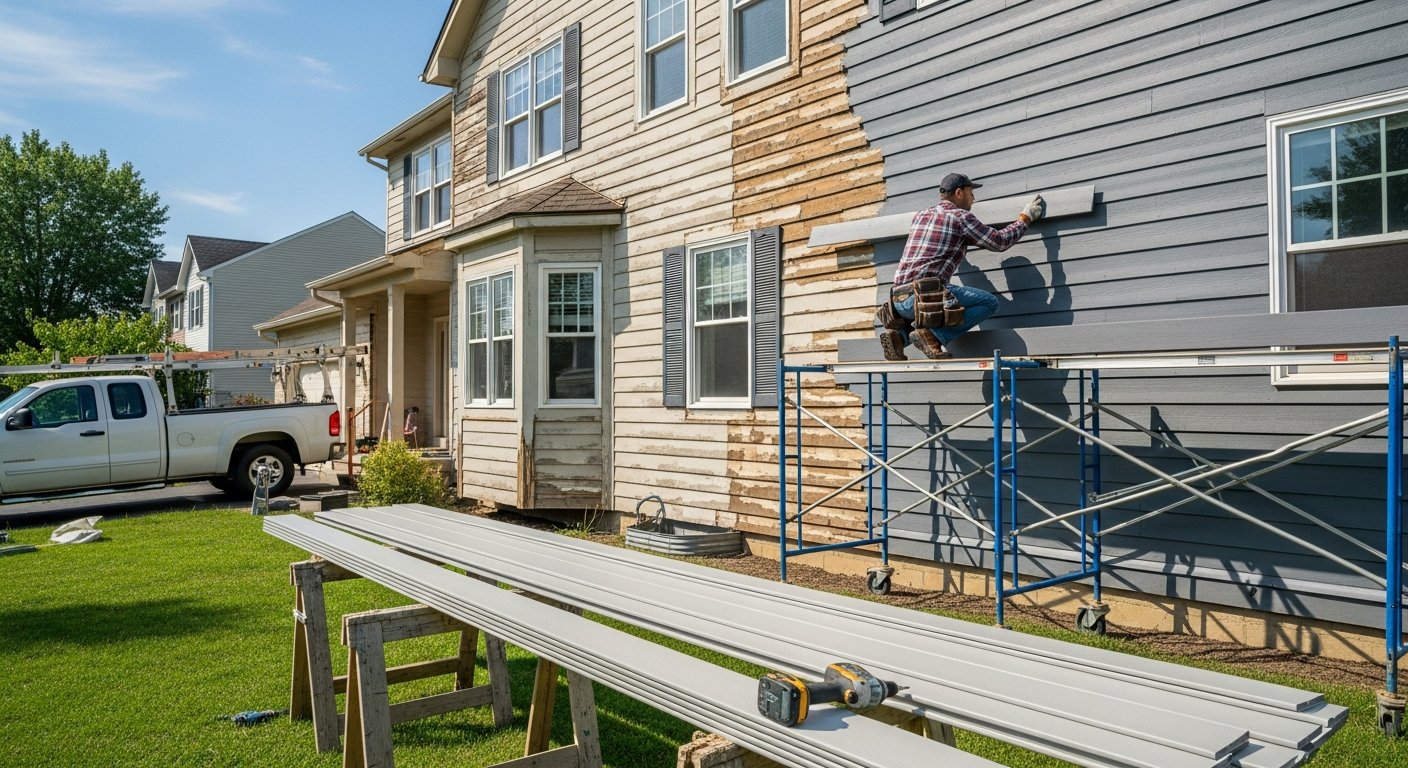
Your home's siding is its first line of defense against the elements, but it also plays a massive role in curb appeal and energy efficiency. When that defense starts to fail, you are likely facing a significant decision: repair or replace. For many homeowners, the choice becomes clear when they see cracked panels, rising utility bills, or rotting wood. Siding replacement is a major investment, and understanding the full scope of the project before you start is the difference between a smooth renovation and a financial headache. This guide walks you through everything from material selection to contractor bidding, so you can approach your project with confidence and a clear budget.
Before diving into material costs and labor estimates, it is crucial to understand that siding replacement is not a one-size-fits-all project. The total price hinges on several factors unique to your home, including its size, the number of stories, the complexity of the architecture, and your geographic location. The best way to get a precise number is to obtain multiple quotes from local contractors. However, knowing the average costs and key considerations beforehand will empower you to compare those quotes intelligently and avoid surprise expenses down the line.
Signs You Need Siding Replacement
Not every siding issue requires a full replacement. Sometimes, a simple repair or a fresh coat of paint can extend the life of your existing siding. However, there are clear indicators that replacement is the more cost-effective and necessary route. Ignoring these signs can lead to more severe structural damage, including rot in the underlying sheathing and framing, which significantly increases repair costs.
Here are the most common signs that your siding has reached the end of its useful life:
- Visible Warping or Buckling: Panels that are warped, buckled, or bulging indicate moisture damage or improper installation, which will only worsen over time.
- Rot or Soft Spots: If you can press on the siding and feel it give, or if you see dark, soft areas, there is likely rot beneath the surface.
- High Energy Bills: Old, cracked, or poorly insulated siding allows air to leak, forcing your HVAC system to work harder and increasing your monthly costs.
- Peeling Interior Paint: This can be a sign of moisture intrusion from the exterior, which is often related to failing siding.
- Frequent Repairs: If you find yourself patching or repairing different sections of siding every few months, replacement is likely more economical in the long run.
If you notice any of these issues, it is wise to have a professional inspection. A contractor can determine whether a full replacement is necessary or if a targeted repair will suffice. When replacement is the answer, addressing it promptly protects the structural integrity of your home and prevents more costly issues like mold or termite infestation. For a deeper look at what to expect during the bidding process, you can refer to our homeowner's guide to siding replacement quotes.
Choosing the Right Siding Material
The material you choose for your new siding has the most significant impact on both the upfront cost and the long-term value of your home. Each option offers a different balance of durability, maintenance, aesthetics, and price. Your choice should align with your budget, your home's architectural style, and the climate in your region.
Here is a breakdown of the most popular siding materials, their approximate cost range, and their key characteristics:
- Vinyl Siding: The most affordable and popular option. It is low-maintenance, resistant to rot and insects, and comes in a wide variety of colors and styles. However, it can crack in extreme cold and may fade over time.
- Fiber Cement Siding: A premium, durable option that mimics the look of wood but is fire-resistant and termite-proof. It requires painting every 10-15 years but offers excellent longevity and curb appeal.
- Engineered Wood Siding: Made from wood fibers and resins, this is a more affordable alternative to real wood. It is resistant to moisture and insects but does require periodic painting or staining.
- Aluminum Siding: While less common now, it is still a durable, fire-resistant option. It is prone to denting and can be noisy in hail, but it is low-maintenance.
- Real Wood Siding: Offers a timeless, natural look but requires the most maintenance. It is susceptible to rot, insects, and fire, and needs regular staining or painting.
When comparing materials, do not just look at the initial cost. Consider the total cost of ownership over 20 to 30 years, which includes maintenance, repairs, and energy savings. For example, fiber cement has a higher upfront cost but may be more economical in the long run due to its durability and low maintenance needs. Vinyl is cheaper initially but may need to be replaced sooner in harsh climates. Your local climate and the architectural style of your home should heavily influence your decision.
Factors That Affect Siding Replacement Cost
Beyond the material you choose, several other variables will influence your final quote. Understanding these factors will help you ask the right questions and avoid sticker shock when you receive estimates from contractors. The total project cost is not just about the square footage of your exterior walls.
Here are the primary factors that can drive the price up or down:
- Home Size and Number of Stories: The larger the exterior surface area, the more material and labor required. Multi-story homes are more expensive to side because they require additional scaffolding and safety equipment, and the work is slower.
- Architectural Complexity: Homes with many corners, dormers, gables, or intricate trim details take more time and skill to side properly. These features increase labor costs.
- Removal of Old Siding: The cost to tear off and dispose of your existing siding will be added to the quote. In some cases, you may be able to install new siding over the old, but this is not always recommended.
- Underlying Repairs: Once the old siding is removed, contractors often discover rotted sheathing or framing that needs to be repaired or replaced. This is an unavoidable cost that can significantly increase the total price.
- Insulation Upgrades: Many homeowners opt to add rigid foam insulation board beneath the new siding to improve energy efficiency. This adds material costs but can pay off in lower energy bills.
- Geographic Location: Labor rates and material prices vary significantly by region. Urban areas with higher costs of living will generally have higher quotes than rural areas.
Given these variables, it is essential to get detailed, line-item quotes from at least three different contractors. A quote that seems too low may be cutting corners on materials or labor, while a high quote may be padding the profit margin. A thorough quote will break down the cost of materials, labor, removal, and any additional line items like trim, flashing, or permits. This transparency is key to comparing apples to apples and making an informed decision.
Labor Costs and Hiring a Contractor
Labor typically accounts for 40% to 60% of the total siding replacement cost. This is why selecting the right contractor is just as important as choosing the right material. A skilled crew will ensure the siding is installed correctly, which is crucial for its performance and longevity. Improper installation can lead to moisture intrusion, air leaks, and premature failure, voiding your warranty.
When vetting contractors, do not simply go with the lowest bid. Look for a company that is licensed, insured, and has a solid reputation in your community. Ask for references and check online reviews. A reputable contractor will also provide a detailed written contract that outlines the scope of work, the materials to be used, the project timeline, and the payment schedule. They should also secure the necessary permits for the project.
To get a realistic range for your project, here is a rough breakdown of what you might expect to pay for labor per square foot for different siding types:
- Vinyl: $2.50 to $4.50 per square foot
- Aluminum: $3.00 to $5.00 per square foot
- Fiber Cement: $4.00 to $7.00 per square foot
- Engineered Wood: $3.50 to $6.00 per square foot
- Real Wood: $5.00 to $10.00 per square foot
Remember, these are just guidelines. The final labor cost will depend on the complexity of your home's exterior and the contractor's pricing structure. A good strategy is to have a clear scope of work in mind before you start soliciting bids. This includes knowing the material you want, whether you need the old siding removed, and any specific trim or accent features. For more detailed advice on navigating the bidding process and comparing estimates, you can explore our guide on getting siding replacement quotes.
DIY vs. Professional Siding Replacement
While some homeowners are tempted to tackle siding replacement as a DIY project to save on labor costs, it is one of the most challenging and risky home improvement tasks. Siding installation requires specialized tools, precise cutting, and a thorough understanding of flashing, caulking, and weatherproofing techniques. A small mistake can lead to significant water damage that costs thousands of dollars to repair.
Here are some reasons why professional installation is almost always the better choice:
- Warranty Protection: Most siding manufacturers require professional installation to validate their warranty. DIY installation typically voids the warranty on both the material and the workmanship.
- Safety: Working on ladders and scaffolding at heights is dangerous. Professionals are trained in safety protocols and carry liability insurance to protect you and their workers.
- Efficiency and Speed: A professional crew can complete a siding job in a fraction of the time it would take a DIYer, minimizing the disruption to your life and reducing the risk of weather exposure.
- Quality and Durability: Professionals have the experience to handle unexpected issues like rotted sheathing and ensure the siding is installed perfectly for maximum durability.
If you have experience with major home renovations and are meticulous with details, you might consider a DIY approach for a small, single-story structure like a detached garage. However, for a full home exterior, the complexity and risk are simply too high for most homeowners. The potential savings are often outweighed by the cost of mistakes and the loss of warranty protection. Investing in a skilled professional is an investment in the long-term health and value of your home.
How to Save Money on Your Siding Project
While siding replacement is a significant expense, there are several legitimate strategies to manage the cost without sacrificing quality. Smart planning and informed decisions can help you stay within your budget and even save money over the life of the siding.
Here are some practical tips for saving money on your siding replacement:
- Get Multiple Quotes: Always compare bids from at least three different contractors. This gives you leverage and ensures you are getting a fair price.
- Choose Mid-Range Materials: You do not have to go with the most expensive option. High-quality vinyl or engineered wood can offer excellent durability and looks at a more accessible price point than fiber cement or real wood.
- Do the Prep Work Yourself: You can save on labor by removing old siding, trimming bushes, and clearing the work area yourself, provided the contractor agrees. This can be a significant time saver for the crew, which may be reflected in the quote.
- Schedule During Off-Peak Seasons: In many regions, siding contractors are busiest in the spring and summer. Scheduling your project in the late fall or early winter may get you a lower quote due to lower demand.
- Bundle Services: If you also need new gutters, windows, or a roof, consider hiring the same contractor for multiple services. They may offer a discount for the combined work.
Another critical way to save money is to avoid making changes during the project. Once the work begins, any change in material or design will likely incur change order fees. Be absolutely certain about your material, color, and trim choices before signing the contract. This proactive approach will prevent budget overruns and keep the project moving smoothly. Remember, the cheapest quote is not always the best value. Focus on getting a fair price for a high-quality installation from a trustworthy contractor.
Getting Accurate Quotes and Using Cost Tools
Before you commit to a siding replacement, you need a reliable estimate. This is where ContractorHomeQuotes can be an invaluable resource. Our platform is designed to help you navigate the entire process, from planning to hiring a professional. We provide educational content and cost estimation tools to give you a realistic ballpark figure for your specific project.
Our goal is to connect you with qualified, local contractors who can provide free, no-obligation quotes. This allows you to compare multiple bids without any pressure. By entering your project details into our system, you can receive quotes from vetted professionals in your area, saving you the time and effort of searching for contractors on your own. This process is designed to be transparent and efficient, helping you make an informed decision with confidence.
When you receive your quotes, remember to review them carefully. Look for clarity in the breakdown of costs, and do not hesitate to ask the contractor questions about anything that seems unclear. A reputable contractor will be happy to explain their quote. For a comprehensive overview of what to look for in your estimates, our guide to siding replacement quotes offers a detailed checklist. This ensures you have all the information needed to compare bids fairly and choose the best professional for your home.
Replacing your siding is a major home improvement project, but with the right knowledge and professional help, it can be a smooth and rewarding experience. By understanding the signs that replacement is needed, choosing the right material, and carefully vetting contractors, you are setting yourself up for success. Use the tools and resources available to you, and do not rush the decision-making process. A well-planned siding replacement will not only protect your home for decades but also enhance its beauty and value. Start by getting a clear picture of your costs and connecting with trusted local professionals to bring your vision to life.
Learn more about Siding Installation for guides, costs, and what to expect.
Compare Siding Installation Pros Near You
Enter your ZIP code to compare top-rated local professionals and request free quotes.