
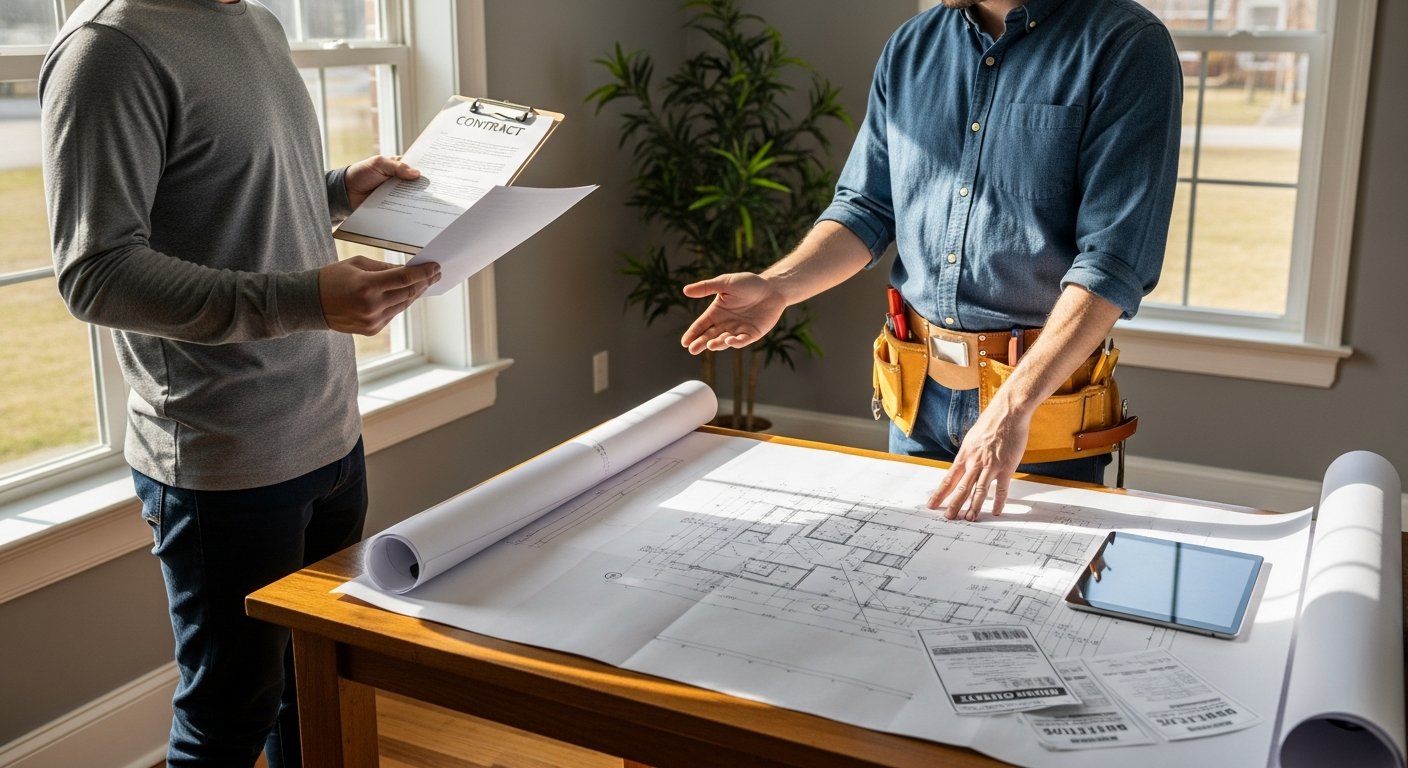
How to Vet Contractor Services Before You Hire
Learn the essential steps to vet contractor services, from verifying licenses to comparing quotes, and ensure your home project is a success.
By James Morgan
Learn more about General Contracting for guides, costs, and what to expect.
Compare General Contracting Pros Near You

Enter your ZIP code to compare top-rated local professionals and request free quotes.
Hiring a contractor can feel like a high-stakes gamble. You are inviting a stranger into your home, trusting them with your budget, and relying on their skill to protect your most valuable asset. A poor choice can lead to shoddy work, costly delays, and even legal disputes. Yet, the right contractor can transform your vision into a reality, on time and on budget. The key to a successful project lies not in luck, but in a systematic vetting process. This guide will walk you through the essential steps to evaluate contractor services, ensuring you make an informed decision and avoid common pitfalls.
Why Thorough Vetting Matters
The home improvement industry is largely unregulated, which means almost anyone can call themselves a contractor. While many are skilled professionals, others are underqualified or even unscrupulous. Without proper vetting, you risk hiring someone who lacks the necessary licenses, insurance, or experience to handle your project. This can result in safety hazards, substandard workmanship, and financial loss. A thorough vetting process protects you from these risks and gives you peace of mind.
Moreover, a well-vetted contractor is more likely to provide a fair and accurate quote. They understand the scope of work, the materials required, and the potential challenges. This reduces the likelihood of surprise bills and change orders. Investing time in vetting upfront saves you from stressful and expensive problems down the road. It is the single most important step in ensuring your project's success.
Step 1: Define Your Project Scope
Before you even begin searching for contractor services, you must have a clear understanding of your project. What exactly do you want to be done? What are your goals, your budget, and your timeline? Having a detailed project scope helps you communicate effectively with potential contractors and compare their proposals accurately. It also prevents misunderstandings and scope creep later on.
Start by listing your requirements and any specific materials or products you prefer. For example, if you are remodeling your kitchen, decide on the cabinet style, countertop material, and appliance upgrades. If you are replacing your roof, specify the type of shingles and any ventilation needs. The more detail you provide, the more precise the quotes you will receive. This clarity also helps you identify which contractors truly understand your vision and are willing to work within your parameters.
Step 2: Research and Shortlist Candidates
Once your project is defined, it is time to find potential contractors. Start by asking for recommendations from friends, family, and neighbors who have had similar work done. Their firsthand experiences are invaluable. You can also check online resources like the Better Business Bureau, Angi, and Houzz for reviews and ratings. Pay attention to how contractors respond to negative reviews; a professional will address concerns constructively.
Create a shortlist of three to five candidates. This gives you enough options to compare without becoming overwhelming. When reviewing their websites and portfolios, look for experience with projects similar to yours. A contractor who specializes in bathroom remodels may not be the best fit for a new roof. Note any red flags, such as a lack of contact information, vague descriptions, or a reluctance to provide references. These are early indicators of potential issues.
Step 3: Verify Credentials and Insurance
This is perhaps the most critical step in the vetting process. You must verify that each contractor is properly licensed, insured, and bonded. A valid license shows that they have met the basic requirements to operate in your state or locality. Insurance protects you from liability if a worker is injured on your property, and it covers damage to your home. A bond provides financial recourse if the contractor fails to complete the job or violates the contract.
Here is what to check for each candidate:
- License: Confirm the license is current and active with your state or local licensing board. Check for any disciplinary actions or complaints.
- General Liability Insurance: Ask for a certificate of insurance and verify that the policy is in force. It should cover property damage and bodily injury.
- Workers' Compensation Insurance: This is crucial. If a worker is injured on your property and the contractor does not have this coverage, you could be held liable for medical expenses.
- Bonding: A surety bond offers an extra layer of protection. It ensures that you are compensated if the contractor fails to fulfill their contractual obligations.
Do not take their word for it. Contact the issuing agencies to confirm the policies are active. This due diligence is your primary defense against fraudulent or uninsured contractors. Without proper insurance, you are assuming a huge financial risk.
Step 4: Interview Your Top Candidates
After narrowing your list based on credentials, it is time to interview the remaining contractors. This is your opportunity to gauge their professionalism, communication style, and expertise. Prepare a list of questions that address your specific concerns. A professional contractor will be happy to answer them and will also ask you questions about your project and lifestyle.
During the interview, pay attention to how they communicate. Are they clear and concise? Do they listen to your ideas and offer constructive feedback? Do they explain the process in terms you can understand? Good communication is essential for a smooth project. Also, note their punctuality and preparedness. If they arrive late or without the necessary materials, it may be a sign of disorganization. Here are some key questions to ask:
- How long have you been in business, and how many projects like mine have you completed?
- Will you provide a detailed written estimate, including labor, materials, and a timeline?
- Who will be the on-site project manager, and how will we communicate during the project?
- How do you handle changes or unexpected issues that arise during the work?
- Can you provide a list of references from recent, similar projects?
These questions will help you assess their competence and whether they are a good fit for your needs. The way they answer can reveal a lot about their business practices and work ethic.
Step 5: Check References and Past Work
Speaking with past clients is one of the best ways to gauge a contractor's reliability and quality of work. Do not skip this step. When you call a reference, ask about their overall experience. Were they satisfied with the quality of the work? Did the project stay on schedule and within budget? How did the contractor handle any problems that arose? Would they hire them again?
If possible, visit a recent project site to see the work firsthand. This allows you to assess the quality of the finish and the cleanliness of the work area. A contractor who is proud of their work will be happy to show it off. If they hesitate or make excuses, it is a red flag. You can also check online reviews on platforms like Google and Yelp, but keep in mind that these are often filtered and may not tell the whole story. A combination of personal references and online reviews gives you a more balanced view.
Step 6: Compare Detailed Quotes
Once you have interviewed and checked references, you should have a shortlist of two or three contractors. Now, ask each to provide a detailed, itemized quote for your project. The quote should include a breakdown of costs for labor, materials, permits, and any other expenses. It should also specify the timeline, payment schedule, and warranty terms. This is not just about the total price; it is about understanding what you are paying for.
Be wary of quotes that are significantly lower than the others. They may be using cheaper materials, cutting corners, or they might not have fully understood the scope of work. Conversely, the highest quote is not always the best. It may be inflated or reflect inefficiencies. The goal is to find a quote that is competitive and transparent. Look for a contractor who is willing to explain their pricing and answer your questions. This transparency is a good sign of their integrity.
The Importance of a Written Contract
Never start a project without a signed, written contract. Verbal agreements are not enough. A comprehensive contract protects both you and the contractor. It should clearly define the scope of work, the materials to be used, the start and completion dates, the total cost, and the payment schedule. It should also include details about permits, inspections, and how change orders will be handled. A clear contract minimizes misunderstandings and provides a legal framework if disputes arise.
Before signing, read the contract carefully. Make sure it includes everything you discussed and that you understand every clause. Do not be afraid to ask for clarification or to request changes. A reputable contractor will be willing to make adjustments to ensure the contract is fair and accurate. If a contractor pressures you to sign quickly or is vague about the details, it is a major red flag. Take your time and ensure you are comfortable with all terms.
Managing the Project and Payments
Once the project begins, your role is to stay informed and manage payments wisely. Never pay the full amount upfront. A typical payment schedule involves a deposit, then progress payments at key milestones, with a final payment upon completion and your final inspection. This structure protects you if the work is not done properly or if the contractor abandons the project. Keep a record of all payments and any written correspondence.
Regularly communicate with the contractor and visit the site to monitor progress. If you notice any issues, address them immediately. It is much easier to correct a problem mid-stream than after the work is done. Also, be prepared for unexpected issues that may arise, such as discovering hidden water damage. A good contractor will discuss these with you before proceeding and provide a change order that outlines the additional cost and work. This process keeps you in control and ensures there are no surprises on the final bill.
Building a Long-Term Relationship
Finding a reliable contractor is like finding a good doctor or mechanic. Once you find someone you trust, you want to keep them. A positive working relationship can make future projects much smoother. After the project is complete, maintain a file with the contractor's contact information, warranty details, and any maintenance instructions. This will be invaluable if you need to have work done in the future or if you have questions about the project.
Moreover, a satisfied customer is the best referral a contractor can have. If you are happy with their work, consider leaving a positive review online and recommending them to friends and family. This not only helps the contractor but also helps other homeowners in your community make informed decisions. Building this network of trusted professionals is a valuable asset for any homeowner.
Vetting contractor services is not about finding someone who is merely available; it is about finding someone who is qualified, reliable, and a good communicator. By following these steps, you significantly reduce the risk of a negative experience. You empower yourself to make a confident choice, ensuring that your home improvement project is a rewarding investment. A well-vetted contractor is a partner in bringing your vision to life, and the time you spend in due diligence is time well spent.
Learn more about General Contracting for guides, costs, and what to expect.
Compare General Contracting Pros Near You
Enter your ZIP code to compare top-rated local professionals and request free quotes.