
How to Vet a Mold Remediation Contractor
Vetting a mold remediation contractor is crucial for safe, effective removal. Call (833)-365-8755 for expert guidance and connect with pre-screened professionals.

By Jessica Reis
Learn more about Mold Inspection and Removal for guides, costs, and what to expect.
Compare Mold Inspection and Removal Pros Near You

Enter your ZIP code to compare top-rated local professionals and request free quotes.
Discovering mold in your home is stressful enough without worrying about whether the contractor you hire will make things worse. Mold remediation is not a general handyman task; it requires specialized training, proper equipment, and a strict protocol to ensure the mold is removed safely and does not return. Hiring the wrong contractor can lead to incomplete removal, cross-contamination of other areas, and potentially serious health risks for your family. This guide will walk you through exactly how to vet a mold remediation contractor so you can hire with confidence and protect your home.
Why Proper Vetting Matters for Mold Remediation
Mold remediation is a niche field that combines construction knowledge with environmental health principles. Unlike painting or drywall repair, mold removal involves dealing with a living organism that releases spores into the air. Poor remediation practices can spread mold to unaffected areas of your home, turning a small problem into a whole-house issue. Furthermore, inadequate removal can leave behind hidden mold that continues to grow and cause health problems.
The stakes are high, and the industry attracts both highly qualified professionals and opportunistic fly-by-night operators. A proper vetting process helps you distinguish between the two. It also ensures you understand what you are paying for and that the work will meet industry standards, which is crucial if you ever need to file an insurance claim or sell your home. In our guide on mold remediation near me, we explain how localized mold issues often stem from water damage that must be addressed simultaneously.
Verify Certifications and Licensing
Start by confirming that the contractor holds the necessary credentials. Mold remediation is not uniformly regulated at the state level, but many states require a license for any work involving mold or water damage. Check with your state's contractor licensing board to see if a specific mold remediation license exists and whether the contractor holds it. Even where licensing is not mandatory, reputable contractors will voluntarily pursue certification from recognized industry bodies.
The most widely respected certification is from the Institute of Inspection, Cleaning and Restoration Certification (IICRC). Look for designations such as Water Damage Restoration Technician (WRT) and Applied Microbial Remediation Technician (AMRT). These certifications require formal training and continuing education, ensuring the contractor stays current with best practices. Additionally, some contractors may hold certifications from the American Council for Accredited Certification (ACAC) or the National Organization of Remediators and Mold Inspectors (NORMI). Always ask for proof and verify the certification is active.
Check Insurance Coverage
Mold remediation involves significant risks, including potential damage to your property and health hazards for workers. A reputable contractor must carry both general liability insurance and pollution coverage. General liability insurance protects you if the contractor accidentally damages your home during the remediation process. Pollution coverage, sometimes called mold liability insurance, is specifically designed to cover claims related to mold exposure or contamination. Without it, you could be left holding the bag if something goes wrong.
Do not simply take the contractor's word for it. Request a certificate of insurance and call the insurer to confirm the policy is active and covers mold remediation work. Also, ask about workers' compensation insurance; if a worker is injured on your property and the contractor lacks coverage, you could be liable. These checks are non-negotiable steps in how to vet a mold remediation contractor.
Evaluate Their Remediation Protocol
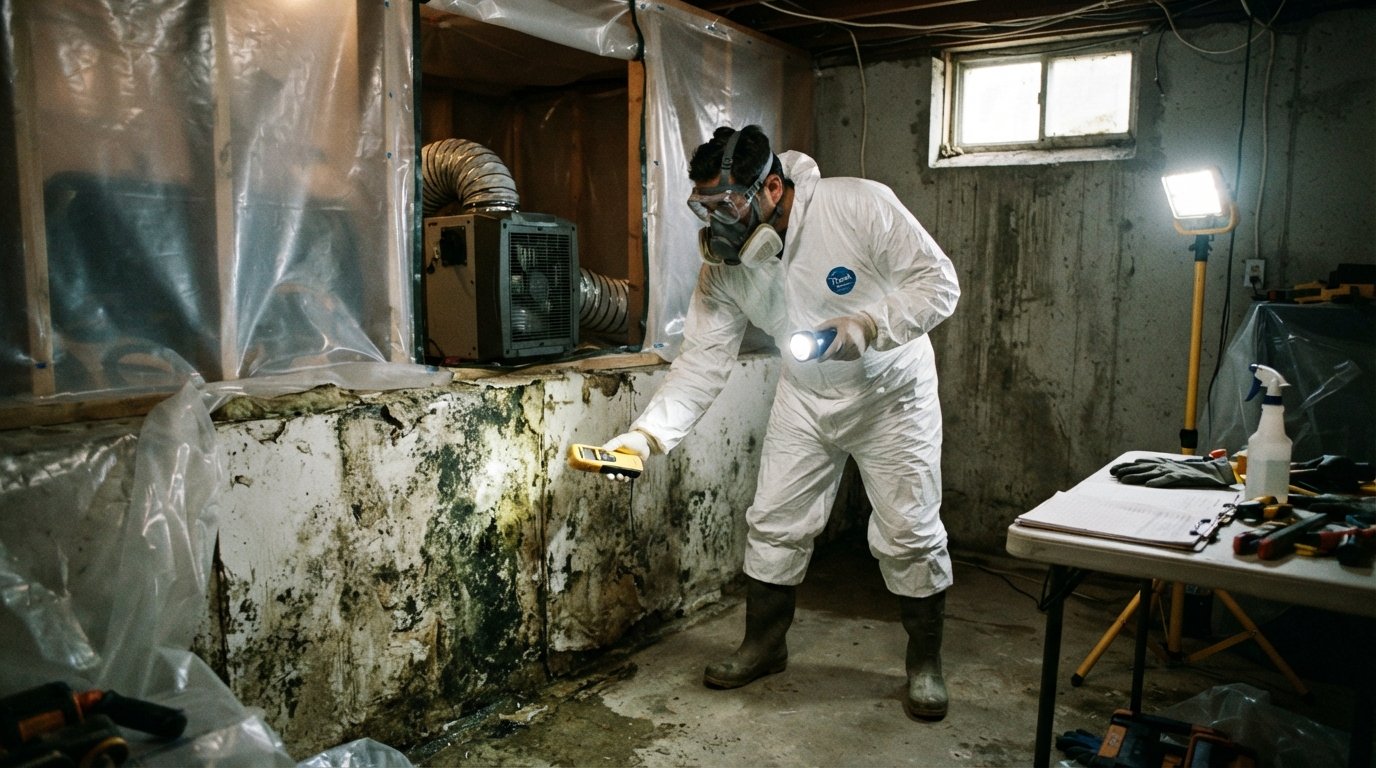
A professional mold remediation contractor follows a standardized protocol based on industry guidelines, such as those from the IICRC or the EPA. Ask the contractor to explain their process in detail. A proper protocol includes containment, removal, cleaning, and clearance testing. Containment involves sealing off the affected area with plastic sheeting and using negative air pressure to prevent spores from spreading. Removal means physically removing moldy materials and cleaning salvageable surfaces. Cleaning includes HEPA vacuuming and wiping down all surfaces. Finally, clearance testing by an independent third party confirms the remediation was successful.
Be wary of contractors who skip testing or propose a quick spray-and-wipe job. Mold often grows in hidden areas, such as inside walls or under flooring, and proper remediation requires finding and addressing all affected areas. A good contractor will also address the moisture source that caused the mold; otherwise, the mold will return. Ask if they will provide a written protocol before starting work, and ensure it includes these key steps.
Red Flags to Watch For
Knowing what to avoid is just as important as knowing what to look for. Certain behaviors and practices should immediately raise suspicions. Here are the most common red flags when hiring a mold remediation contractor:
- No written protocol or scope of work: A professional will provide a detailed plan outlining the extent of the mold problem and the steps to remediate it.
- Demands full payment upfront: Legitimate contractors typically require a deposit but not the entire fee before work begins. Full upfront payment is a major warning sign.
- No independent clearance testing: The contractor should not perform their own clearance testing due to conflict of interest; a third party should verify the work.
- Pressure to act immediately: High-pressure sales tactics are a sign of a scam. Mold is a health concern, but you should have time to verify credentials and compare quotes.
- Unusually low bid: If a quote seems too good to be true, it probably is. Low bids often mean cut corners, insufficient containment, or hidden fees later.
If you encounter any of these red flags, walk away. There are plenty of qualified professionals who will do the job right.
Ask for References and Examples of Past Work
A contractor with a solid track record should be able to provide references from past clients who had similar mold remediation projects. Ask for contact information and follow up. Inquire about their experience with your type of mold problem (e.g., attic mold, basement mold, or crawl space mold) and whether the problem was resolved permanently. Also, ask if the contractor is willing to share before-and-after photos or case studies.
Check online reviews on multiple platforms, but read them critically. Look for patterns of complaints, such as incomplete work or poor communication. A contractor who has many positive reviews and a few negative ones is normal; what matters is how they respond to criticism. A professional will address concerns constructively.
Get Multiple Quotes and Compare
Obtaining at least three written quotes is a standard practice when hiring any contractor, and mold remediation is no exception. This allows you to compare pricing, scope of work, and professionalism. When reviewing quotes, make sure they are itemized and include details such as labor, materials, containment, disposal fees, and testing costs. Be cautious of quotes that are vague or lump-sum without breakdowns.
Remember that the lowest price is not always the best choice. A low bid might indicate that the contractor plans to cut corners, such as skipping containment or using inadequate PPE. Compare the proposed protocols and ensure each quote addresses the full scope of the problem. If one contractor proposes a significantly less thorough approach, that is a red flag.
Understand the Contract and Warranty
Before signing anything, read the contract carefully. It should clearly state the scope of work, the remediation protocol, the timeline, payment schedule, and warranty terms. A reputable contractor will offer a warranty on their work, typically ranging from one to five years. The warranty should cover the return of mold in the treated areas, provided the underlying moisture issue was addressed.
Also, confirm that the contractor will handle permits if required by your local building department. Some municipalities require permits for mold remediation, especially if it involves structural work. The contract should specify who is responsible for obtaining permits and any associated fees. Finally, ensure that the contract includes a clause about final payment being contingent on passing clearance testing.
Check for Proper Equipment and Safety Practices
During your initial walkthrough, observe the contractor's equipment and ask about their safety practices. A professional mold remediator will use personal protective equipment (PPE) such as respirators, gloves, and protective clothing. They will also have specialized equipment like HEPA vacuums, negative air machines, and moisture meters. If the contractor shows up without proper gear or plans to use a shop vac (which can spread spores), that is a serious concern.
Ask about their containment strategy and how they will prevent cross-contamination. They should describe using plastic sheeting and negative air pressure to isolate the work area. They should also have a plan for disposing of moldy materials in sealed bags. These details demonstrate a professional understanding of mold remediation best practices.
Leverage Contractor Matching Services
Finding and vetting multiple contractors can be time-consuming. That is where a service like ContractorHomeQuotes can help. We connect you with up to three pre-screened, licensed mold remediation contractors in your area, free of charge. Our network includes professionals who meet stringent criteria for licensing, insurance, and customer satisfaction. By using our service, you can save time and ensure you are comparing qualified professionals.
In addition to mold remediation, we also provide resources for other home improvement needs. For homeowners considering solar energy upgrades, FreeSolarPowerQuotes offers free quotes from reputable solar providers, helping you save on energy bills while increasing your home's value.
Vetting a mold remediation contractor requires diligence, but it is time well spent. By following these steps, you can avoid scams, ensure the job is done right, and protect your home and health. Remember to verify credentials, check insurance, demand a written protocol, and always get multiple quotes. With the right contractor, you can put your mold problem behind you and enjoy a healthy home again.