
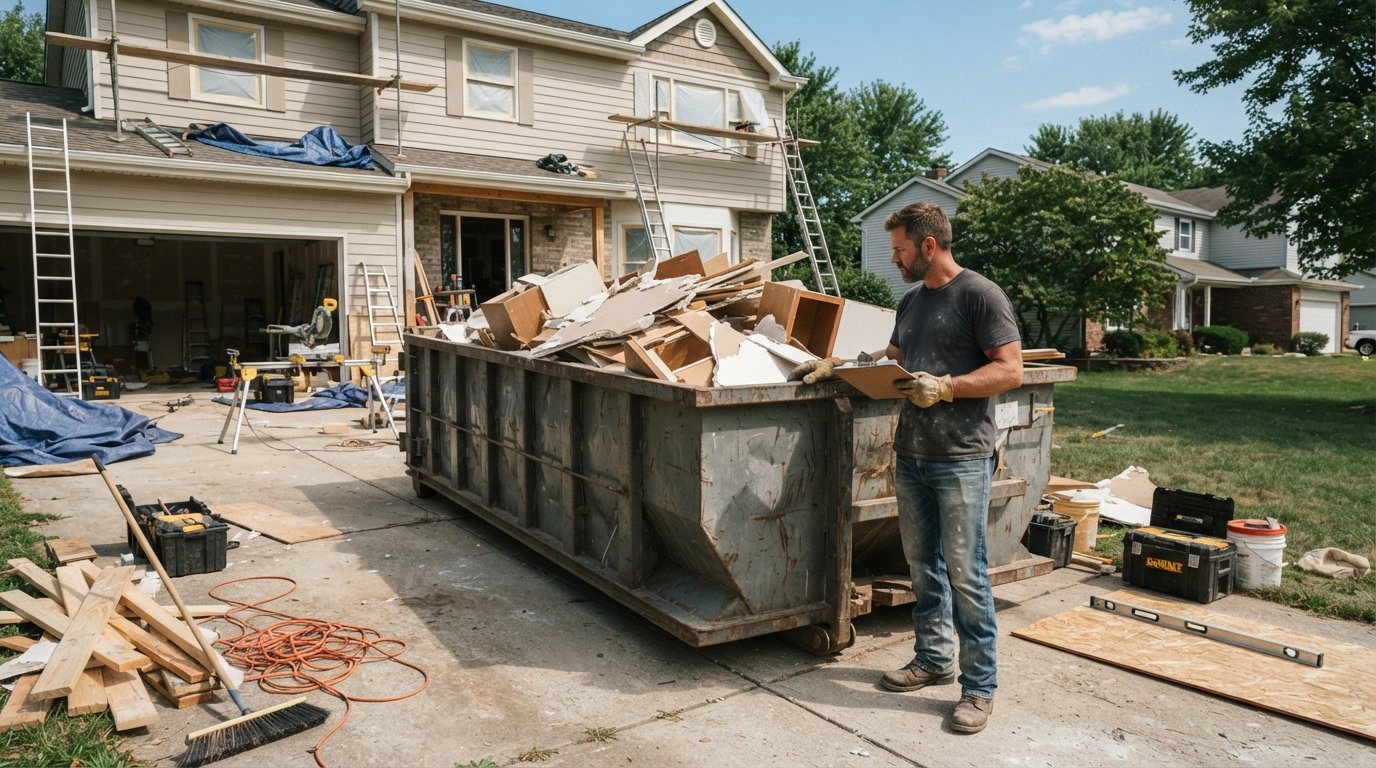
Managing Renovation Waste Disposal and Dumpster Costs
Managing renovation waste disposal and dumpster costs is key to a smooth remodel. Call (833)-365-8755 to get matched with local contractors.
By Adnan Nazir
Learn more about Dumpster Rental for guides, costs, and what to expect.
Compare Dumpster Rental Pros Near You

Enter your ZIP code to compare top-rated local professionals and request free quotes.
Renovation projects generate a surprising amount of debris, from torn-out drywall and old cabinets to packaging and leftover materials. Homeowners often focus on the visible costs like labor and finishes, but waste disposal can quietly consume a significant portion of the budget. Without a plan, you might face unexpected dumpster rental fees, overweight charges, or even fines for improper disposal. Managing renovation waste disposal and dumpster costs effectively starts before the first hammer swings. By understanding your options, knowing what can and cannot go in the bin, and clarifying contract responsibilities, you can keep your project on budget and avoid last-minute headaches.
Why Waste Disposal Deserves a Line in Your Budget
It is easy to overlook debris removal when you are comparing contractor bids or shopping for materials. Yet disposal costs can add 5 to 15 percent to a typical remodel budget. The weight of construction debris adds up quickly: a single cubic yard of mixed demolition waste can weigh 500 to 800 pounds. Dumpster rental companies often charge by the ton after a base weight allowance, so heavy materials like concrete, tile, and shingles can trigger substantial overage fees.
Beyond the direct cost, improper disposal carries risks. Dumping debris in your regular trash bin may violate local ordinances, and hazardous materials like lead paint or asbestos require special handling. Factoring waste disposal into your initial budget prevents unpleasant surprises and ensures you comply with regulations. A realistic disposal allowance also helps you compare contractor quotes fairly, since some bids include debris removal and others do not.
Dumpster Rental Sizes and Costs: What to Expect
Roll-off dumpsters are the most common solution for renovation debris. They come in various sizes, typically measured in cubic yards. The right size depends on the scope of your project and the types of materials you are removing. Here is a general guide to common dumpster sizes and their typical cost ranges (prices vary by region and include delivery, pickup, and a set weight limit):
- 10-yard dumpster: Ideal for small bathroom remodels or minor cleanouts. Holds about 3 to 4 pickup truck loads. Cost: $250 to $450.
- 20-yard dumpster: Suitable for kitchen remodels or medium-sized projects. Holds about 6 pickup truck loads. Cost: $350 to $600.
- 30-yard dumpster: Best for large renovations or whole-house cleanouts. Holds about 9 pickup truck loads. Cost: $450 to $750.
- 40-yard dumpster: For major demolition or new construction with bulky debris. Holds about 12 pickup truck loads. Cost: $550 to $900.
These base prices usually include a weight allowance of 1 to 3 tons, depending on the size and hauler. If you exceed the weight limit, expect to pay $50 to $100 per additional ton. Heavy materials like concrete, dirt, and roofing shingles are often priced separately because they can quickly exceed weight limits. Always confirm the included weight and overage rate before booking.
Alternatives to traditional dumpsters include bagster-style bags (typically $150 to $250 for the bag plus pickup) and full-service haul-away where a crew loads and removes debris for you. Bagsters are convenient for small jobs and tight spaces, but they hold less and may not be allowed in all municipalities. Full-service haul-away costs more but saves labor, which can be worthwhile for heavy demolition. When comparing options, consider not only the sticker price but also the labor and time involved.
What Goes In (and What Stays Out) of a Renovation Dumpster
Knowing what you can legally and safely throw into a dumpster is essential for avoiding extra fees and environmental hazards. Most rental companies prohibit certain items, and violating the rules can result in additional charges or refusal to pick up the container. Here is a breakdown of commonly accepted and prohibited materials:
- Accepted: Wood, drywall, flooring, cabinets, fixtures, metal, cardboard, packaging, old furniture, and most non-hazardous construction debris.
- Prohibited: Hazardous waste (paint, solvents, pesticides), asbestos, lead-based materials, tires, batteries, electronics, medical waste, and food waste.
- Special handling: Concrete, brick, and dirt are often accepted in separate heavy-material dumpsters but may not be allowed in mixed debris containers. Refrigerators and air conditioners require Freon removal by a certified technician before disposal.
If you are unsure about an item, ask the rental company before tossing it in. Mixing prohibited items with general debris can contaminate the entire load and lead to expensive sorting fees. For hazardous materials, contact your local waste management authority for proper disposal guidelines. In older homes, testing for lead paint and asbestos before demolition is crucial; these materials require licensed abatement professionals, and their disposal is strictly regulated.
Recycling and Salvage: Cut Disposal Costs and Earn Some Back
Renovation waste does not have to be a total loss. Many materials can be recycled or salvaged, reducing the volume you pay to dispose of and sometimes putting a little money back in your pocket. Metals, for example, can be sold to scrap yards. Old appliances, cabinets, and fixtures in good condition may be donated to local reuse centers or sold online. Architectural salvage yards often accept doors, windows, and unique fixtures.
Recycling options vary by location, but common construction materials like cardboard, clean wood, and metals are widely recyclable. Some municipalities offer construction and demolition (C&D) recycling facilities that charge lower rates than landfills. Separating recyclables from trash requires extra effort, but it can significantly lower your dumpster weight and fees. For large projects, a dedicated recycling container alongside a trash dumpster may be worthwhile.
Salvage and recycling also align with sustainability goals. By keeping materials out of landfills, you reduce the environmental impact of your renovation. Before you demo, consider whether any items can be reused in the new design or repurposed elsewhere in your home. Even old bricks and lumber can find new life in landscaping or craft projects.
Who Is Responsible for Disposal in a Contractor Contract?
One of the most common sources of confusion and unexpected costs is unclear responsibility for waste removal. In many renovation contracts, debris disposal is either explicitly included or excluded. If it is not spelled out, you may assume the contractor is handling it, only to find a separate bill later. To avoid disputes, clarify disposal responsibility before signing the contract. Ask directly: "Does your quote include dumpster rental and debris removal?" If yes, get the details in writing, including the dumpster size, number of hauls, and any weight limits.
Some contractors prefer to let homeowners handle disposal to keep the bid lower. In that case, you will need to arrange and pay for the dumpster yourself. Even if the contractor includes disposal, confirm who is responsible for permits (some municipalities require a permit for a dumpster placed on the street) and for ensuring prohibited items stay out of the bin. A clear contract should specify these points. For more guidance on hidden costs that can arise during renovations, see our article on hidden costs of a home renovation beyond the contractor quote.
If you are hiring a contractor, ask how they handle waste. Reputable contractors will have a plan and can provide receipts or documentation for disposal. If they seem evasive, it may be a red flag. Remember that ultimately, the homeowner is responsible for ensuring debris is disposed of legally, so even if the contractor handles it, keep an eye on the process.
Practical Tips to Keep Dumpster Costs Under Control
Managing renovation waste disposal and dumpster costs is easier with proactive planning. Start by estimating the volume of debris your project will generate. A bathroom remodel typically produces 1 to 2 tons of waste, while a kitchen remodel can generate 2 to 4 tons. Whole-house renovations can produce 10 tons or more. Use these estimates to choose the right dumpster size and avoid multiple hauls.
Schedule the dumpster delivery strategically. Have it delivered a day or two before demolition begins and picked up promptly after the debris is loaded. Keeping it longer than needed incurs daily rental fees. Also, consider separating heavy materials like concrete and dirt into a separate load to avoid overweight charges on your general debris dumpster. If you are doing a major demolition, you might need a dedicated heavy-material container.
Finally, communicate with your contractor and the dumpster company. Confirm pick-up times, weight limits, and any prohibited items. A little coordination goes a long way toward avoiding surprise fees. And if you are planning a move as part of your renovation, resources like Moving.Homes offer checklists and guides to streamline the process.
When to Call in the Professionals
While DIY disposal is possible, some situations warrant professional help. If your renovation involves hazardous materials like asbestos or lead paint, you must hire licensed abatement contractors. For large-scale demolitions, a full-service hauling company can save time and ensure compliance. And if you are managing a complex renovation, a contractor who includes disposal in their scope can simplify your life.
To find qualified contractors who can handle your entire project, including waste removal, consider using a service that connects you with pre-screened professionals. Getting multiple quotes helps you compare disposal policies and costs. For expert assistance and to discuss your project needs, call (833)-365-8755.
By planning ahead, understanding your options, and clarifying responsibilities, you can keep renovation waste disposal and dumpster costs from derailing your budget. A little effort upfront saves money and stress later, leaving you free to enjoy your newly renovated space.
Learn more about Dumpster Rental for guides, costs, and what to expect.
Compare Dumpster Rental Pros Near You
Enter your ZIP code to compare top-rated local professionals and request free quotes.