
Home Energy Audit Cost and Savings Worth It in 2026
A home energy audit costs $200 to $500 but can save you up to 30 percent on utility bills. See why it is worth the investment.

By Margaret Sheridan
Find Local Pros Near You

Enter your ZIP code to compare top-rated local professionals and request free quotes.
Imagine throwing hundreds of dollars out your window every year because of hidden air leaks, poor insulation, or an outdated HVAC system. That is the reality for many homeowners who skip a professional energy assessment. A home energy audit, sometimes called an energy assessment, pinpoints exactly where your home is losing energy and shows you the most cost-effective fixes. But the key question remains: is a home energy audit cost and savings worth it? For most households, the answer is a clear yes, provided you understand what the audit costs, what it reveals, and how to act on its recommendations. This guide breaks down the real expenses, the potential savings, and the smartest ways to turn audit results into lower utility bills and a more comfortable home.
What Does a Home Energy Audit Actually Include?
A professional home energy audit is far more than a quick walk-through. Certified energy auditors use specialized equipment to measure how much energy your home consumes, where it escapes, and how effectively your systems perform. The process typically takes two to four hours, depending on the size of your home and the complexity of its systems.
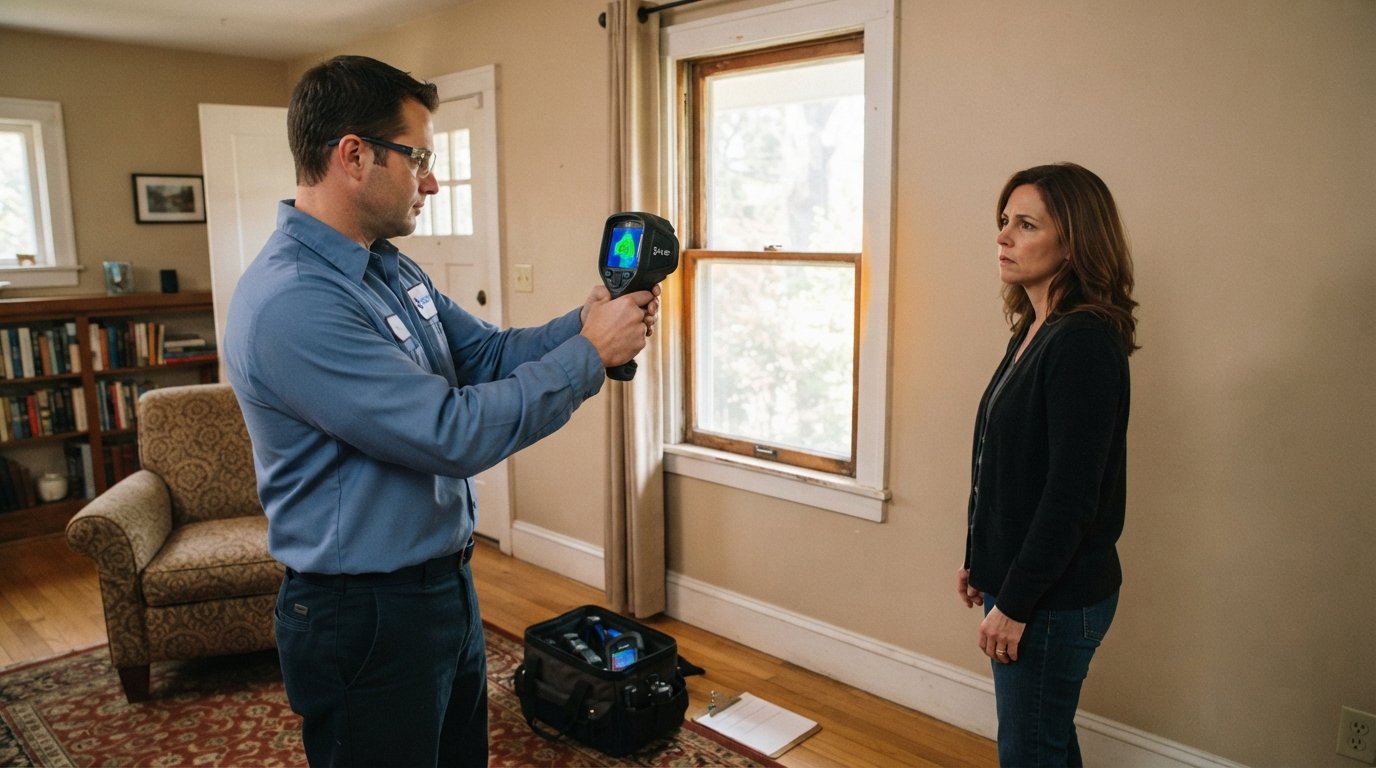
During the audit, the technician will examine your insulation levels, check for air leaks around windows, doors, and electrical outlets, inspect your heating and cooling equipment, and review your lighting and appliance efficiency. They may also use a blower door test, which depressurizes your home to reveal hidden drafts, and an infrared camera to detect temperature differences in walls and ceilings that indicate missing or damaged insulation. Some auditors also perform a combustion safety test on gas appliances to ensure they are not leaking carbon monoxide or other harmful gases.
At the end of the assessment, you receive a detailed report that lists prioritized improvements, estimated costs, and projected energy savings for each recommendation. This report becomes your personalized roadmap for making your home more efficient. Without this data, you are guessing where to spend your money. With it, you can make targeted upgrades that deliver the greatest return on investment.
Home Energy Audit Cost and Savings Worth It: The Financial Breakdown
The cost of a professional home energy audit varies depending on your location, the size of your home, and the depth of the assessment. On average, homeowners pay between $200 and $500 for a comprehensive audit that includes a blower door test and infrared scanning. Smaller homes or basic visual inspections may cost as little as $100, while large, multi-zone homes with complex systems can exceed $800.
However, many utility companies and state energy offices offer rebates or discounts that can reduce your out-of-pocket expense. Some programs provide audits for free or at a reduced rate, especially for low-income households or customers of participating utilities. It is always worth checking with your local energy provider before booking an audit, as these incentives can lower the cost significantly.
Now, let us address the core question: is the home energy audit cost and savings worth it? To answer this, compare the audit fee to the potential savings. The U.S. Department of Energy estimates that the average home can reduce energy consumption by 5 to 30 percent by addressing the issues found in an audit. For a household spending $2,000 per year on utilities, even a 10 percent reduction saves $200 annually. If the audit costs $300, you recover the fee in about 18 months, and the savings continue for years. But the real value lies in identifying larger issues, such as an undersized or inefficient HVAC system, which can cost hundreds of dollars per year in wasted energy. When you factor in the extended lifespan of your equipment and the increased comfort of your home, the audit often pays for itself quickly.
Hidden Financial Benefits Beyond Lower Utility Bills
An energy audit does more than just reduce your monthly bills. It can also make you eligible for tax credits, rebates, and financing options that offset the cost of upgrades. For example, the federal government offers tax credits for certain energy-efficient improvements, such as insulation, heat pumps, and solar panels. Many states and local utilities also provide cash rebates for installing qualifying equipment. A professional auditor can help you identify which incentives apply to your planned upgrades, potentially saving you thousands of dollars on the overall project cost.
Moreover, an energy-efficient home is more valuable in the real estate market. Buyers increasingly look for homes with low operating costs and a smaller carbon footprint. A recent energy audit report can serve as a selling point, demonstrating that the home has been well-maintained and upgraded for efficiency. Appraisers may also factor energy-efficient features into the home's value, giving you a higher resale price when you decide to move.
What to Do With Your Audit Results: Prioritizing Upgrades
Once you receive your audit report, do not feel pressured to implement every recommendation immediately. Instead, use a simple prioritization framework to tackle the most impactful and cost-effective improvements first. This approach ensures that you see savings quickly and avoid wasting money on low-yield projects.
Here is a practical way to rank your audit findings:
- Air sealing and insulation: These are often the most cost-effective measures, with payback periods of one to three years. Sealing gaps and adding attic insulation can dramatically reduce heating and cooling costs.
- HVAC system upgrades: If your furnace or air conditioner is more than 15 years old, replacing it with a high-efficiency model can save 20 to 40 percent on your energy bills. Look for ENERGY STAR certified equipment and proper sizing.
- Water heater improvements: Insulating your water heater and pipes, or installing a tankless or heat pump unit, can cut water heating expenses by up to 30 percent.
- Windows and doors: Replacing single-pane windows with double-pane, low-E models reduces heat transfer, but this is a higher-cost project with a longer payback. Consider storm windows or window film as a more affordable alternative.
- Lighting and appliance upgrades: Switching to LED bulbs and replacing old appliances with ENERGY STAR models provides immediate savings, though the impact is smaller than other upgrades.
Before starting any significant upgrade, it is wise to obtain multiple quotes from licensed contractors. The audit report gives you a clear scope of work, allowing you to compare bids accurately and avoid overpaying. For example, if your audit shows you need 1,500 square feet of additional attic insulation, you can request quotes for that exact job. This transparency protects you from contractors who might upsell unnecessary services or use vague estimates.
DIY vs. Professional Audit: Which Is Right for You?
Some homeowners attempt a do-it-yourself energy audit using checklists and online guides. While a DIY assessment can help you spot obvious issues such as drafty windows, missing weatherstripping, or insufficient attic insulation, it cannot replicate the precision of professional tools. Blower door tests, infrared cameras, and combustion safety checks require specialized training and equipment. A professional audit also provides a calibrated baseline that you can use to measure the effectiveness of your upgrades after they are completed.
That said, you can perform a simple home energy self-audit before paying for a professional assessment. Walk through your home and feel for drafts around windows, doors, and electrical outlets. Check the insulation levels in your attic and crawl spaces. Look at the age and condition of your HVAC system and water heater. If you discover obvious problems, like a gap under the front door or insufficient attic insulation, you can address those issues immediately. Then, use a professional audit to uncover the less visible problems that are wasting energy and money. This two-step approach ensures you get the most value from your audit investment.
How to Maximize Your Savings After the Audit
Getting an energy audit is only the first step. To truly answer the question of whether the home energy audit cost and savings are worth it, you need to follow through on the recommendations. Create a realistic budget and timeline for the upgrades, and take advantage of any available financing or rebates. Many utility companies offer on-bill financing or low-interest loans for energy efficiency improvements, which allow you to pay for upgrades over time with the savings they generate.
Also, consider scheduling a post-retrofit audit or an energy model review after completing major upgrades. This verification ensures that the work was done correctly and that you are achieving the expected savings. Some auditors offer this service at a discount if you book it at the same time as the initial assessment. The peace of mind and the documented reduction in energy use are well worth the small additional cost.
If you are planning to hire contractors for the recommended improvements, use a service that connects you with multiple vetted professionals. For instance, a platform like FreeQuotes.Contractors helps you compare quotes from local experts, ensuring you get fair pricing and quality workmanship. Comparing bids is essential, because installation quality significantly affects energy savings. Poorly installed insulation or incorrectly sized HVAC equipment can undermine the potential benefits of your upgrades.
Real-World Savings Examples
To illustrate the potential return on investment, consider these real-world scenarios. A 2,000-square-foot home in a cold climate with poor attic insulation and numerous air leaks might spend $2,800 annually on heating and cooling. An audit costing $400 reveals that adding R-49 insulation and air sealing could reduce this spending by 25 percent. That is a savings of $700 per year, meaning the audit pays for itself in less than seven months. The insulation and sealing work might cost $2,500, but with a 30 percent federal tax credit and a $500 utility rebate, the net cost drops to $1,250. The homeowner recovers that investment in under two years and then enjoys $700 in annual savings for the life of the home.
In a warmer climate, the savings come primarily from reducing air conditioning loads. A home with an old, inefficient AC unit and leaky ductwork might spend $1,500 per year on cooling. An audit identifies that duct sealing alone could save 20 percent, or $300 annually. The cost of duct sealing is typically $500 to $1,000, yielding a payback period of two to three years. When you also account for the improved comfort and reduced humidity, the benefits become even more tangible.
These examples show that the home energy audit cost and savings are worth it when you target the highest-impact improvements. The audit is not a magic bullet, but it is the smartest way to invest your renovation dollars for maximum energy efficiency and comfort.
Frequently Asked Questions About Energy Audits
Still have questions about whether a home energy audit is the right move for you? Here are answers to some common concerns.
How long does an energy audit take? A typical audit lasts two to four hours, but this varies based on home size and the number of systems to test. Larger homes or those with multiple heating zones may require more time.
Can I get a free energy audit? Yes, many utility companies and state programs offer free or heavily subsidized audits, especially for income-qualified households. Check with your local utility or visit the Department of Energy's website for a list of available programs in your area.
What if I only want to audit one part of my home? Some auditors offer targeted assessments, such as an attic-only inspection or a duct leakage test. This can be cheaper but may miss interactions between different systems. A whole-home audit is generally more valuable.
Are energy audits only for old homes? No, even newer homes can benefit from an audit. Construction defects, poor installation, or design flaws can cause energy loss in any home. An audit ensures your home performs as efficiently as intended.
Final Thoughts: Making the Call
In the end, the decision to invest in a home energy audit comes down to your goals. If you want to reduce your environmental impact, increase your comfort, and save money over the long term, the audit is a wise investment. The upfront cost is modest compared to the potential savings, and when you factor in rebates and tax credits, the net expense is often minimal. More importantly, the audit replaces guesswork with data, empowering you to make confident decisions about your home improvements.
Before you book, do your homework. Research auditors in your area, verify their certifications (such as BPI or RESNET), and read reviews from other homeowners. Ask for a sample report or an explanation of what the audit will include. Then, use the results to create a prioritized action plan, and consider using a contractor matching service to get competitive quotes for the work. If you are also exploring other ways to boost your home's energy independence, our guide on solar energy uses can provide additional ideas. With the right approach, the home energy audit cost and savings are worth it, delivering both immediate and long-term rewards for your home and your wallet.