
Curb Appeal Projects With Highest ROI Before Selling
Target the curb appeal projects with highest roi before selling to boost your sale price and cut time on market, from paint to garage doors and landscaping.

By Jackson Sawyer
Learn more about Home Remodeling for guides, costs, and what to expect.
Compare Home Remodeling Pros Near You

Enter your ZIP code to compare top-rated local professionals and request free quotes.
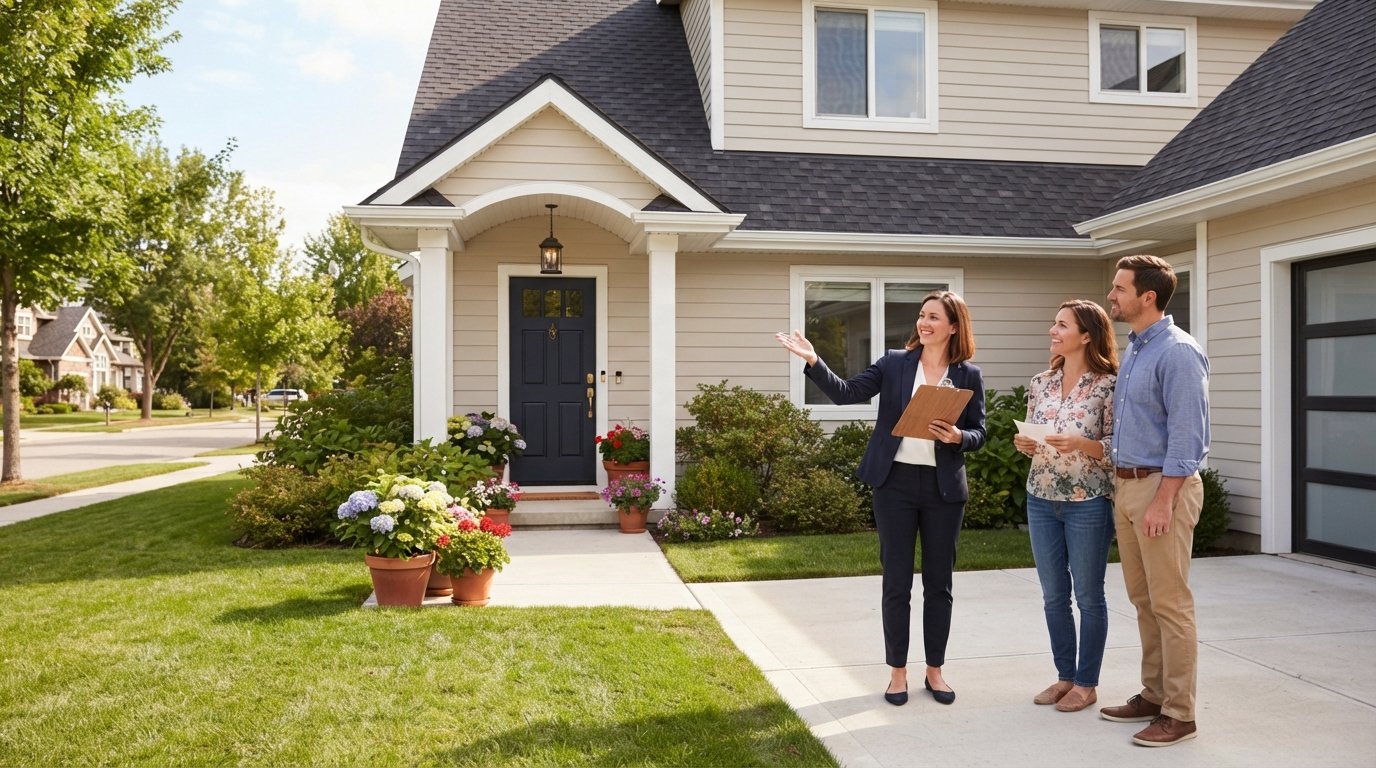
When you list your home, buyers form an opinion within seconds of pulling into the driveway. That first impression shapes everything that follows: how they judge the interior, how they perceive value, and how aggressively they negotiate. This is why smart sellers focus on curb appeal projects with the highest roi before selling instead of scattering money across random upgrades. The right exterior improvements do more than make a house look pretty. They compress time on market, justify a higher asking price, and give you leverage during inspections and appraisal. But not every project pays you back. Some improvements return more than 100 percent of their cost at resale, while others quietly drain your budget with almost no measurable return. This guide breaks down which exterior projects consistently deliver the strongest return, how to estimate your own payback, and how to sequence your work so you spend strategically rather than emotionally.
Why Curb Appeal Is a Financial Strategy, Not Just Cosmetic
Real estate agents often repeat the statistic that buyers decide within the first few seconds whether they like a home. That decision happens before they step through the front door, based almost entirely on the exterior. A cracked walkway, peeling paint, or an overgrown lawn signals deferred maintenance, which makes buyers wonder what else has been neglected. Conversely, a clean, well-maintained exterior signals pride of ownership and reduces perceived risk.
From a financial standpoint, curb appeal affects three critical levers. First, it influences your list price: homes with strong exterior presentation consistently command higher offers because they attract more competitive buyers. Second, it affects time on market. Every additional week a home sits unsold costs you carrying costs, including mortgage interest, taxes, insurance, and utilities. Third, it shapes the appraisal. Appraisers compare your home to similar properties, and an exterior that looks well maintained supports a higher valuation.
According to national remodeling impact data, exterior projects frequently outperform interior projects on percentage of cost recovered. This happens because exterior upgrades are visible to every potential buyer from the street, while interior upgrades only affect the rooms a buyer chooses to inspect. That visibility translates directly into perceived value.
The Curb Appeal Projects With Highest ROI Before Selling
Not all exterior projects are created equal. The following projects consistently rank at the top of national cost-versus-value reports because they combine low to moderate cost with high visual impact and broad buyer appeal. For a deeper look at landscaping specifically, our guide on landscaping projects that boost curb appeal and home value explains how plantings, hardscaping, and lighting work together.
1. Exterior Painting and Siding Refresh
Paint is the single most cost-effective exterior improvement you can make. A fresh coat of paint in a neutral, market-friendly color instantly modernizes a home and covers imperfections that make it look tired. If your siding is sound but faded, painting costs a fraction of replacement and typically recoups a large share of its cost at resale. If siding is cracked, warped, or rotting, selective replacement of damaged sections followed by painting is often smarter than a full re-side.
When choosing colors, aim for broad appeal rather than personal preference. Soft whites, warm grays, and classic beiges tend to photograph well and complement most landscaping. Pair the body color with a contrasting trim and a front door color that draws the eye. According to national averages, exterior painting projects often return between 50 and 100 percent of their cost, depending on region and home style.
2. Garage Door Replacement
The garage door is often the largest single visual element on the front of a home. A dated, dented, or noisy door drags down the entire facade, while a modern, well-insulated door transforms it. National cost-versus-value data consistently shows garage door replacement among the highest-return projects, frequently recovering well over 100 percent of cost at resale in many markets.
Choose a style that matches the architecture of the home. Carriage-house styles suit traditional homes, while sleek panel designs work well on contemporary properties. Insulation matters too: a well-insulated door reduces noise and improves energy efficiency, which buyers appreciate. If a full replacement is not in the budget, professional cleaning and a fresh coat of paint on an otherwise sound door can deliver a strong visual return for a few hundred dollars.
3. Entry Door Replacement
The front door is the focal point of your home's exterior, and it is one of the first things buyers touch. A solid, energy-efficient entry door in a welcoming color signals quality and security. Steel and fiberglass doors tend to offer the best combination of durability, insulation, and resale return, often recovering a significant portion of their cost.
Even if you cannot replace the door, small changes help. New hardware in a consistent finish, a fresh coat of paint, and a clean threshold all contribute to a polished entry. Add a new welcome mat and a pair of planters flanking the door, and the entry feels intentional rather than neglected.
4. Landscaping and Lawn Care
Landscaping is one of the few exterior investments that can return more than its cost in some markets, particularly when it improves privacy, shade, or outdoor living space. Basic lawn care, fresh mulch, edged beds, and trimmed shrubs cost relatively little but dramatically improve perceived maintenance. According to national data, standard lawn care services and landscape maintenance often return 100 percent or more at resale.
For higher-impact landscaping, consider adding a defined path to the front door, low-maintenance perennials, and landscape lighting. These elements guide the buyer's eye, extend the home's usable hours, and create a sense of arrival. Avoid overly complex gardens that require constant watering or specialized care, since buyers may see them as work rather than value.
5. Walkway and Driveway Repairs
Cracked, uneven walkways and driveways are safety hazards and visual detractors. Repairing or replacing them with clean, uniform materials signals that the home is well maintained. Concrete repair, pressure washing, and resealing are inexpensive compared to full replacement and often deliver a strong visual return. If replacement is necessary, choose materials that match the home's style and the neighborhood's standards.
Edge the walkway with clean lines and ensure it slopes away from the foundation to prevent water pooling. This detail protects your foundation and shows buyers that water management has been considered, which is especially important in regions with heavy rainfall or freeze-thaw cycles.
6. Outdoor Lighting
Lighting is often overlooked, but it extends your home's curb appeal into the evening, when many buyers drive by after work. Well-placed path lights, uplights on trees or architectural features, and a warm porch light create depth and safety. Solar and low-voltage LED options keep installation and operating costs low.
Aim for warm white light rather than harsh blue-white, and avoid over-lighting, which can look commercial. Use timers or smart controls so the lighting comes on consistently each evening. The combined effect makes the home feel welcoming and secure, two qualities buyers value highly.
7. Roof and Gutter Maintenance
A roof in good condition reassures buyers about structural integrity and insurability. You do not need a full roof replacement to benefit: cleaning moss, replacing missing shingles, and repairing flashing can restore appearance and function. Gutters should be clear and securely attached, with downspouts directing water away from the foundation. In many markets, a modest roof tune-up returns a disproportionate share of its cost by preventing buyer objections and inspection surprises.
If your roof is near the end of its life, consider a partial replacement or a professional assessment before listing. Buyers and their inspectors will notice, and a known roof problem can derail a sale or force a price reduction far larger than the cost of the repair.
How to Estimate ROI for Your Own Curb Appeal Projects
National averages are useful starting points, but your actual return depends on your local market, your home's price point, and the current condition of your exterior. To estimate ROI, start by collecting cost estimates for the projects you are considering. You can request free, no-obligation quotes through platforms like FreeQuotes.Contractors, which connects homeowners with pre-vetted local contractors for exterior work.
Next, research recent sales in your neighborhood. Look at homes similar to yours that sold quickly and for strong prices. What did their exteriors look like? Which improvements did they have? This comparison gives you a realistic sense of what buyers in your area expect and what they are willing to pay for.
Then apply a simple formula: divide the estimated increase in sale price by the project cost. If a project costs $3,000 and you believe it will add $4,500 to your sale price, your return is 150 percent. Be conservative in your estimates. Overestimating your return can lead to overspending on projects that do not pay off.
Finally, consider the time factor. Projects that take weeks to complete delay your listing and add carrying costs. Fast, high-impact projects like painting, landscaping, and lighting often deliver better net returns than slow, disruptive projects, even if the slower project has a slightly higher percentage return on paper.
Sequencing Your Projects for Maximum Impact
If you have a limited budget, sequence your projects in order of visual impact and cost efficiency. Start with cleaning and decluttering, which cost almost nothing and improve every other project's effect. Then address paint and landscaping, which are relatively inexpensive and transform the overall look. Next, tackle high-return replacements like garage doors and entry doors. Finally, handle repairs and maintenance that support your asking price and pass inspection.
Here is a practical order to follow:
- Pressure wash the exterior, walkways, and driveway, and clean all windows.
- Refresh landscaping: mow, edge, mulch, and trim shrubs away from the house.
- Paint the exterior or touch up trim, doors, and shutters.
- Replace or repair the garage door and front entry door if they are dated or damaged.
- Repair walkways, driveways, and any visible cracks or trip hazards.
- Add or upgrade outdoor lighting for evening showings.
- Inspect and tune up the roof and gutters.
This sequence front-loads the projects that produce the most visible change for the least money, so even if your budget runs out, you have already captured most of the available value.
Mistakes That Kill Your Curb Appeal ROI
The biggest mistake sellers make is over-personalizing. Bold colors, unusual plantings, and custom features may delight you but confuse or alienate buyers. Stick to neutral, broadly appealing choices that photograph well and fit the neighborhood.
Another common error is neglecting maintenance while focusing on upgrades. A brand-new garage door on a home with peeling trim and a cracked walkway looks like putting lipstick on a pig. Buyers notice inconsistency, and they interpret it as a sign that shortcuts were taken elsewhere.
Finally, do not overspend relative to your home's value. If your home is priced at the lower end of the market, expensive hardscaping or a luxury outdoor kitchen may not return anywhere near its cost. Match your improvements to the expectations of buyers in your price range, and let the data guide your decisions rather than emotion.
Getting Accurate Costs and Reliable Contractors
Every project in this guide depends on getting accurate cost estimates and hiring qualified professionals. Exterior work involves safety risks, permitting requirements, and material choices that vary by region. A licensed contractor can help you choose the right scope, avoid costly mistakes, and complete the work on schedule.
Before you commit to any project, gather at least three quotes. Compare not just price but also scope, materials, timeline, and warranty terms. Ask for references and verify licenses and insurance. A slightly higher quote from a reputable contractor is often a better investment than the lowest bid from an unknown company.
With a clear plan, realistic budget, and vetted professionals, your curb appeal projects can do more than make your home look better. They can shorten your sale timeline, strengthen your negotiating position, and put more money in your pocket at closing. Focus on the projects with the highest proven returns, execute them well, and let the results speak for themselves.