
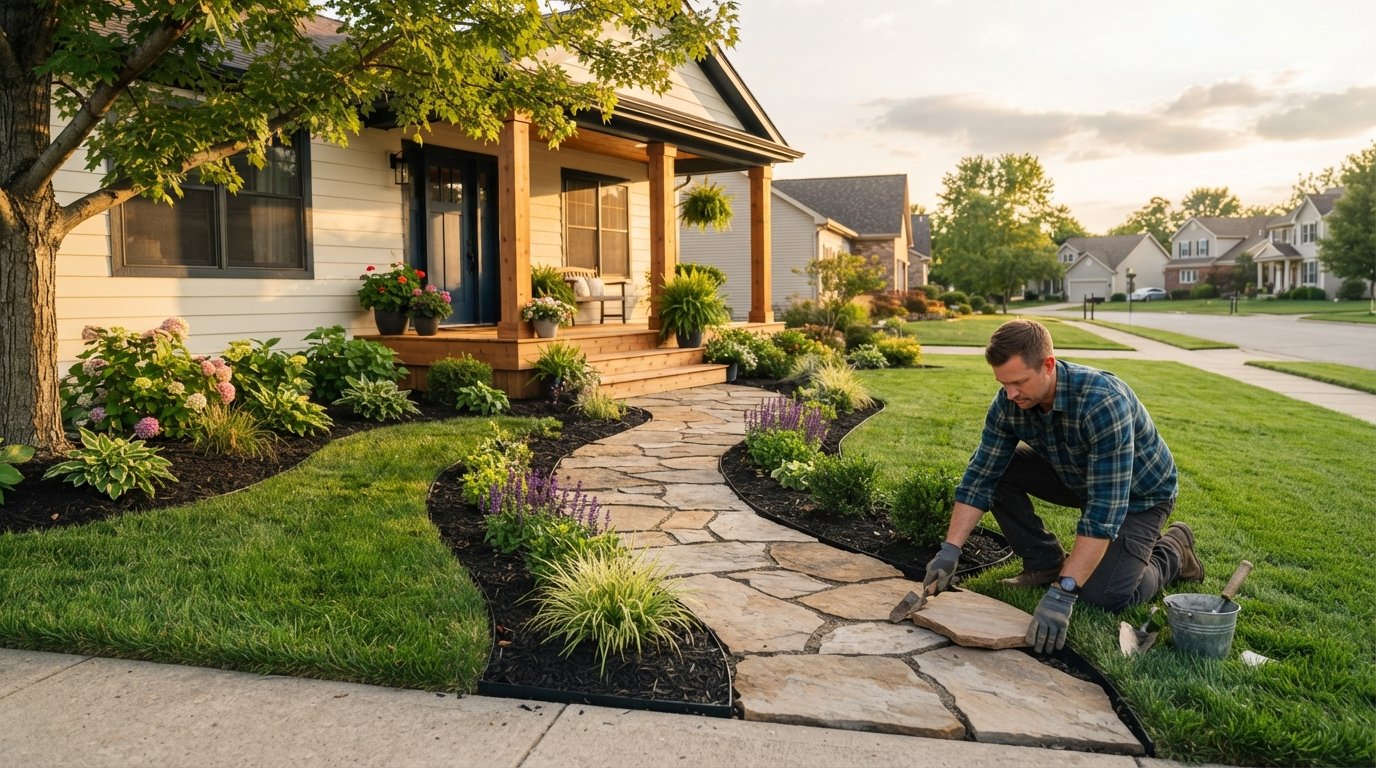
Landscaping Projects That Boost Curb Appeal and Home Value
Discover high-impact landscaping projects that boost curb appeal and home value, from front yard updates to patio installations, with cost insights.

By Roland Grier
Learn more about Outdoor Landscaping and Design for guides, costs, and what to expect.
Compare Outdoor Landscaping and Design Pros Near You

Enter your ZIP code to compare top-rated local professionals and request free quotes.
First impressions shape how visitors, neighbors, and potential buyers perceive your property. A well-designed landscape does more than please the eye; it signals that the home is cared for and invites a premium price when you sell. According to the National Association of Realtors, certain landscaping projects deliver a return on investment (ROI) of over 100 percent. Whether you plan to stay for years or list soon, strategic outdoor upgrades create lasting value. This guide explores specific landscaping projects that boost curb appeal and home value, with practical steps to plan, budget, and hire the right help.
Why Landscaping Matters for Home Value
Real estate professionals often say that landscaping is the first stage of a home inspection. Buyers form an opinion within seconds of arriving, and a tired lawn or overgrown shrubs can cast a shadow over an otherwise solid interior. A 2024 study from the National Association of Realtors found that simple landscape improvements, such as fresh mulch or a manicured lawn, can add up to 5 percent to a home's perceived value. More comprehensive projects, like a stone patio or outdoor kitchen, can yield returns above 80 percent at resale.
Beyond resale, quality landscaping extends your living space and reduces energy costs. Strategic shade trees lower summer cooling bills, while windbreaks cut winter heating expenses. Dense, healthy turf filters stormwater runoff, and native plantings attract pollinators, which supports local ecosystems. These functional benefits make landscaping a rare home improvement that combines beauty, utility, and financial gain.
However, not every project produces equal value. A cluttered garden or an overbuilt hardscape can deter buyers. The key is to choose upgrades that enhance the architecture, suit the climate, and appeal to a broad audience. The following sections break down the highest-impact projects, ranked by their ability to elevate curb appeal and generate a strong return.
Front Yard Makeover: The Highest Return on Investment
The front yard is the most visible part of your property, so improvements here deliver the quickest visual payoff. A cohesive design that ties the house to the lot creates a welcoming entry and sets the tone for the entire home. Start by evaluating the current state: overgrown beds, patchy turf, or an outdated walkway can be transformed with a focused plan.
Lawn Care and Fresh Sod
A healthy, green lawn remains the cornerstone of classic curb appeal. If your grass is thin, weedy, or brown, consider overseeding or replacing it with fresh sod. Sodding a typical 500 square foot lawn costs between $450 and $1,200, depending on the grass type and region. This project delivers immediate visual impact because new sod establishes a uniform, lush appearance that photographs well and invites foot traffic.
If sod is too costly, focus on renovation: aerate, fertilize, and reseed in the early fall or spring. Regular mowing at the correct height (2.5 to 3 inches for most cool-season grasses) and edge trimming along walkways creates a crisp, professional look. Keep irrigation cycles efficient to avoid waste, and address bare spots promptly to prevent weed invasion.
Mulch, Edging, and Planting Beds
Fresh, evenly applied mulch instantly refreshes planting beds and adds contrast to foliage. Use a natural hardwood mulch or a decorative stone that complements your home's exterior. For a typical front bed of 200 square feet, expect to spend $100 to $250 for materials and labor. Edge the beds with a clean line, using a spade or metal edging, to define the space and prevent grass from creeping in.
When planting, choose a mix of evergreen shrubs for year-round structure and perennials for seasonal color. Native species, such as black-eyed Susan or coneflower in the Midwest or manzanita in the West, require less water and attract beneficial insects. Group plants with similar water needs to simplify irrigation. A well-composed bed uses three to five plant varieties repeated in odd-numbered clusters, creating rhythm and scale.
Front Door Focal Point
The front door is the natural focal point of the facade. Frame it with a pair of potted evergreen topiaries or colorful annuals in season. Replace a tired porch light with a modern fixture that complements the home's style, and consider a new house number set for clarity and charm. These small touches cost under $300 but dramatically increase the entry's appeal.
Hardscaping: Patios, Walkways, and Retaining Walls
Hardscaping refers to the non-living elements of your landscape, such as patios, paths, walls, and steps. These structures define how you use the yard and add permanent value. Unlike plants, they do not require maintenance and can last for decades when installed correctly. Focus on materials that harmonize with the house, such as concrete pavers, natural stone, or brick.
Walkway and Entry Path
A clear, safe path from the driveway or sidewalk to the front door enhances both functionality and curb appeal. If an existing walkway is cracked or too narrow, replace it with wide pavers or a stained concrete path. The recommended width is at least 36 inches to allow two people to walk side by side. Curved paths soften the landscape, while straight lines suit modern architecture. Budget $800 to $2,500 for a typical 50 foot path.
Patio and Outdoor Living Space
An inviting patio extends the living area and offers an excellent return. A 200 square foot flagstone or paver patio costs $3,000 to $6,500, depending on materials and labor. To maximize value, design the patio to connect with the home's indoor living spaces, such as a sliding glass door from the kitchen or family room. Include a seating area, a fire pit, and perhaps a built-in grill for an outdoor kitchen feel. These amenities make the backyard a destination rather than an afterthought.
When planning a patio, consider drainage and slope. The surface should slope away from the house at a 1 to 2 percent grade to prevent water pooling. Install a compacted gravel base beneath pavers to avoid settling and cracking. If you plan to add a pergola or outdoor kitchen, factor in electrical and gas lines early, and consult a professional for safety.
Retaining Walls and Terracing
Sloped yards benefit from retaining walls that create level terraces, reduce erosion, and add visual interest. A well-built wall using concrete blocks or natural stone can transform a useless hillside into a usable garden or play area. Costs range from $25 to $50 per square foot of wall face, depending on height and material. For a 3 foot high, 30 foot long wall, expect $2,000 to $4,500. Ensure the wall includes proper drainage behind it, such as gravel and perforated pipe, to prevent hydrostatic pressure and collapse.
Strategic Planting: Trees, Shrubs, and Privacy Screens
Plants are the living sculpture of your landscape. They soften hard lines, provide seasonal interest, and create privacy. Strategic placement of trees and shrubs can also reduce energy consumption and increase property value. The right plant in the right place is the golden rule.
Shade Trees and Energy Savings
Deciduous trees planted on the south and west sides of a home block summer sun while allowing winter light to warm the interior. A mature shade tree can lower cooling costs by 15 to 30 percent, according to the U.S. Department of Energy. Planting a 2 inch caliper tree, such as an oak, maple, or redbud, costs $200 to $500, including delivery and planting. Over time, the tree pays for itself through energy savings and added property value, often increasing a home's resale price by 3 to 7 percent.
Choose species appropriate for your climate zone and available space. Avoid planting trees too close to the foundation (at least 10 to 15 feet for most species) to prevent root damage. Consider mature height and canopy spread to avoid interference with power lines or neighboring structures.
Privacy Screens and Hedges
If your yard feels exposed, a living screen of evergreen shrubs or trees can create a private retreat. Arborvitae, laurel, or holly provide dense, year-round coverage. Spacing depends on the species, but a 6 foot tall hedge typically requires plants spaced 3 to 4 feet apart. For a 50 foot long screen, budget $500 to $1,200 for plants and installation. Ensure the screen does not block sight lines at driveways or intersections, which could create a safety hazard.
Foundation Plantings
Foundation plantings anchor the house to the landscape. Choose low-growing shrubs that will not obscure windows or crowd the entry. Japanese holly, boxwood, or dwarf nandina are popular choices. Avoid planting large trees near the foundation, as roots can harm the structure. A well-designed foundation bed uses a mix of evergreen and flowering shrubs, with groundcover to fill in bare spaces. This project typically costs $400 to $1,000 for a modest front bed.
Outdoor Lighting and Water Features
Landscape lighting extends the hours you can enjoy your yard and improves safety and security. Well-placed lights highlight architectural features, illuminate walkways, and create a warm ambiance. Low-voltage LED systems are energy-efficient and easy to install. A basic kit with six to ten fixtures costs $200 to $600, while a professionally designed system can run $1,000 to $2,500.
Water features, such as a small fountain or a pond, add a soothing element and attract birds. A simple self-contained fountain costs $150 to $500 and requires minimal maintenance. A larger pond with a waterfall might cost $3,000 or more. While water features have a lower ROI than patios or trees, they create a unique selling point that can differentiate your home in a competitive market.
Irrigation and Drainage: The Hidden Value Boosters
Water management is often overlooked but critical to landscape health and home protection. A well-designed irrigation system ensures plants receive the right amount of water without waste. Drip irrigation for beds and smart controllers for lawns can reduce water usage by 30 to 50 percent. Installing a new system costs $1,500 to $3,500 for a typical quarter acre lot, but the savings on water bills and plant replacement can recoup the investment within a few years.
Proper drainage prevents water from pooling near the foundation, which can cause structural damage and basement leaks. If you notice puddles after rain, consider installing French drains or regrading the yard. A grading project costs $500 to $1,500, while a French drain system runs $1,500 to $3,000. These improvements protect your home and signal to buyers that the property is well maintained.
Planning, Budgeting, and Hiring Contractors
Successful landscaping projects start with a clear plan and realistic budget. Begin by sketching your yard, noting existing features, sun patterns, and utility lines. Decide on a style that complements your home, whether formal, cottage, or modern. Then, prioritize projects based on impact and cost. A phased approach allows you to spread expenses over time while still achieving a cohesive result.
For larger projects, such as patios, retaining walls, or major tree planting, hiring a licensed contractor ensures quality and warranty. The average cost for a comprehensive landscape design is $2,000 to $5,000, but many contractors offer free consultations. When obtaining quotes, ask for a detailed breakdown of materials, labor, and cleanup. Verify the contractor's license and insurance, and check references from recent clients. To streamline this process, use a service like FreeQuotes.Contractors to connect with pre-vetted local professionals. This platform allows you to compare multiple bids without obligation, saving time and ensuring you get a fair price.
When you are ready to move forward, also consider how to submit your project details effectively. In our guide on submitting renovation projects for quotes, we explain how to describe your scope precisely to receive accurate estimates. Clear communication with your contractor prevents misunderstandings and keeps the project on track.
Low-Maintenance and Sustainable Options
Many homeowners desire beauty without constant upkeep. Sustainable landscaping reduces water, fertilizer, and time while supporting local ecology. Consider these ideas:
- Use native plants that thrive in your region, reducing irrigation and pest control.
- Replace large turf areas with ground covers, ornamental grasses, or xeriscaping (gravel and drought-tolerant plants).
- Install a rain barrel or rain garden to capture runoff and feed plants naturally.
- Choose permeable pavers for patios and driveways to allow water to soak into the ground.
- Apply organic mulch to retain soil moisture and suppress weeds.
These approaches lower maintenance costs and appeal to environmentally conscious buyers. A sustainable landscape can be a deciding factor in a competitive market, especially in regions with water restrictions.
Seasonal Maintenance and Final Touches
Even the best landscape requires regular care. Set a seasonal maintenance schedule: fertilize and aerate lawns in spring, prune shrubs after flowering, and clean gutters and downspouts in fall. In winter, protect tender plants with mulch or burlap, and keep walkways clear of ice. These tasks preserve your investment and keep the property looking its best year-round.
Before listing your home, invest in a professional cleanup: edge beds, trim overgrowth, and add fresh mulch. Wash walkways and patios to remove moss or stains. Ensure the lawn is mowed and watered. A tidy landscape signals to buyers that the home has been cared for, which can justify a higher asking price and reduce time on the market.
Landscaping projects that boost curb appeal and home value are smart investments, but they require thoughtful planning and execution. By focusing on high-impact improvements that match your home and region, you can create an outdoor space that delights you now and pays dividends when you sell. Start with a clear plan, set a budget, and hire trusted professionals to bring your vision to life.