
Crawl Space Encapsulation Cost and Benefits Guide
Discover the real crawl space encapsulation cost and benefits, from improved air quality to lower energy bills. Learn what affects pricing and how to save.

By Jessica Reis
Learn more about Home Waterproofing for guides, costs, and what to expect.
Compare Home Waterproofing Pros Near You

Enter your ZIP code to compare top-rated local professionals and request free quotes.
If your home has a crawl space, you might not think about it often. But that dark, damp area beneath your floors can quietly affect your air quality, energy bills, and even the structural integrity of your home. Crawl space encapsulation is one of the most effective ways to protect your home from moisture damage, but many homeowners hesitate because they are unsure about the cost. In this guide, we break down the real crawl space encapsulation cost and benefits so you can decide if this investment is right for your home. We also explain how to get accurate quotes from qualified contractors in your area.
What Is Crawl Space Encapsulation?
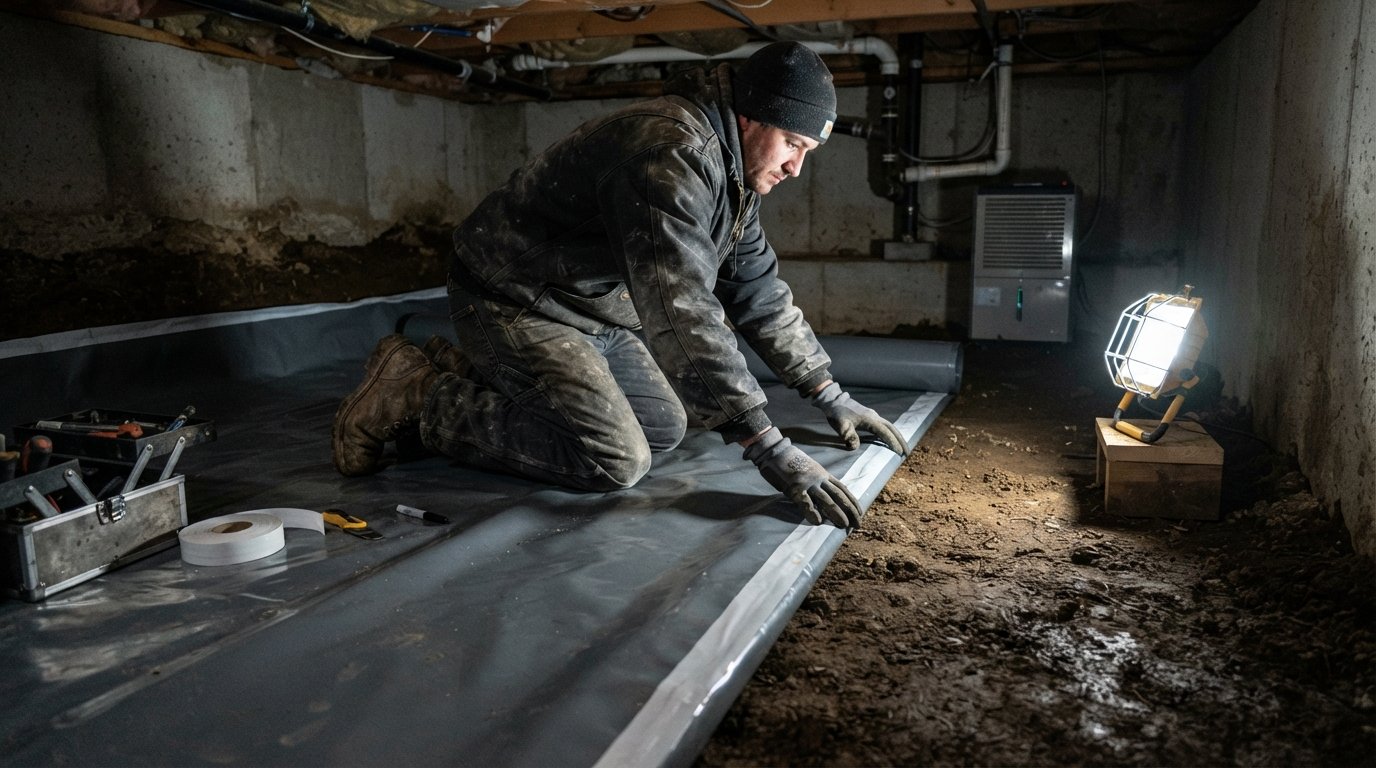
Crawl space encapsulation is the process of sealing the entire crawl space from the outside environment. This typically involves covering the dirt floor with a thick vapor barrier, sealing the walls and vents, and sometimes adding a dehumidifier. The goal is to create a controlled, dry environment that prevents moisture from entering the space. This is different from a simple vapor barrier installation, which only covers the ground with a plastic sheet. Full encapsulation addresses all entry points, including foundation walls, vents, and the seam between the floor and walls.
The process usually starts with a thorough cleaning and removal of any debris or standing water. Then, the contractor installs a heavy-duty polyethylene vapor barrier, typically 10 to 20 mils thick, across the floor and up the walls. All seams are taped with specialized tape, and the barrier is mechanically fastened to the walls. Any vents are sealed, and a polyethylene liner is often placed over the piers. In many cases, a dehumidifier is recommended to manage humidity levels, especially in climates with high moisture. The result is a clean, dry space that protects your home from the ground up.
How Much Does Crawl Space Encapsulation Cost?
The cost of crawl space encapsulation varies widely depending on several factors: the size of your crawl space, the condition it is in, your geographic location, and whether you add extras like a dehumidifier or sump pump. On a national average, homeowners spend between $3,000 and $8,000 for professional encapsulation. For a typical 1,500 square foot crawl space, you might pay anywhere from $2,000 to $10,000. The price per square foot usually ranges from $2 to $5, with more complex jobs costing more.
To give you a clearer picture, here are some typical cost ranges based on common scenarios:
- Basic vapor barrier installation: $1,500 to $3,000 for a standard 1,000 square foot space.
- Full encapsulation with wall liner and tape: $3,000 to $6,000 for the same size area.
- Encapsulation plus dehumidifier: $5,000 to $10,000, depending on the unit's capacity and features.
- Encapsulation with sump pump and drainage: $6,000 to $12,000, especially if you have existing water issues.
These numbers are just guidelines. Your actual quote will depend on your specific home. For example, a crawl space with a high moisture level or structural damage will require more prep work, which increases labor costs. Also, local labor rates can vary significantly. To get an accurate estimate for your project, it is best to request quotes from at least three local contractors. Many companies offer free, no-obligation estimates, and you can use a platform like FreeQuotes.Contractors to connect with pre-vetted professionals in your area.
Key Benefits of Encapsulating Your Crawl Space
Investing in crawl space encapsulation is not just about fixing a damp problem. It provides a wide range of benefits that affect your home's health, comfort, and value. Understanding these benefits is essential when weighing the cost against the long-term savings.
1. Improved Indoor Air Quality
One of the most compelling benefits is the positive impact on your home's air quality. When moisture accumulates in a crawl space, it creates the perfect environment for mold, mildew, and fungi. These organisms release spores that can easily travel through your HVAC system and into your living spaces. This can trigger allergies, asthma, and other respiratory issues. By sealing off the crawl space, you prevent these contaminants from entering your home, which creates a healthier environment for your family.
Additionally, encapsulation helps to keep out pests, such as termites, rodents, and insects, which are attracted to damp, dark areas. A sealed space is less inviting to these critters, reducing the need for pest control and preventing potential damage to your home's structure.
2. Energy Efficiency and Lower Utility Bills
A dry, sealed crawl space helps your HVAC system work more efficiently. When your crawl space is exposed to outside temperatures, your heating and cooling systems have to work harder to maintain a comfortable temperature in your home. This is especially true if you have ductwork in the crawl space. Encapsulation acts as an insulating barrier, reducing the transfer of heat and cold. As a result, your HVAC system uses less energy, which leads to lower monthly utility bills. Many homeowners report savings of 15% to 20% on their energy costs after encapsulation.
Moreover, sealing vents and adding a vapor barrier prevents moisture from corroding your HVAC equipment and ductwork. This can extend the life of your system and prevent costly repairs or replacements down the line. The energy savings alone can often offset the initial investment over a few years.
3. Protection for Your Home's Structure
Moisture is one of the biggest enemies of your home's structural integrity. Over time, excess humidity can cause wooden floor joists and beams to rot, leading to sagging floors and costly structural repairs. It can also damage insulation, which loses its effectiveness when wet. Encapsulation protects these critical components by keeping the space dry and stable. This not only preserves the value of your home but also prevents minor issues from turning into major repair projects.
In addition, a dry crawl space reduces the risk of foundation issues. Water pooling around the foundation can cause cracks and shifting, which are expensive to fix. By controlling moisture at the source, you are safeguarding your home's most important asset. If you are planning other home repairs, it is wise to address crawl space issues early. For more on budgeting for overall home maintenance, check out our average home repair project cost guide to see how encapsulation fits into your broader home maintenance plan.
4. Increased Home Value
When it comes time to sell your home, a properly encapsulated crawl space is a strong selling point. It signals to potential buyers that the home is well-maintained and free from moisture issues. Many real estate professionals and inspectors view encapsulation as a value-added feature, especially in areas prone to humidity. It can help you command a higher price and make your home more attractive in a competitive market.
Additionally, a dry crawl space provides usable storage space. You can safely store items that would otherwise be ruined by moisture, such as boxes, tools, or seasonal decorations. This added functionality is a bonus that many homeowners appreciate.
Factors That Affect the Total Cost
Several factors can cause the price of encapsulation to go up or down. Being aware of these can help you plan your budget and ask the right questions when getting quotes.
- Size of the crawl space: Larger areas require more materials and labor, which directly increases the cost.
- Condition of the space: If your crawl space has debris, standing water, or mold, it needs to be cleaned and treated before encapsulation, adding to the cost.
- Type of vapor barrier: Thicker barriers (20 mil) are more expensive but offer better durability and protection. A 10 mil barrier is cheaper but may not last as long.
- Additional equipment: Dehumidifiers, sump pumps, and drainage systems are often necessary for optimal performance, but they add to the overall price.
- Accessibility: If the crawl space has a low clearance or is difficult to access, the contractor may charge more for labor.
- Geographic location: Labor rates and material prices vary by region, so the same job can cost more in one city than another.
It is crucial to get multiple quotes to ensure you are paying a fair price. When you compare estimates, make sure they include the same scope of work, such as the thickness of the barrier, whether wall sealing is included, and if any remediation is covered. This will help you make an apples-to-apples comparison.
DIY vs. Professional Encapsulation
Some homeowners consider tackling encapsulation as a DIY project to save money. While it is possible to install a vapor barrier yourself, there are several reasons why hiring a professional is often the better choice. Professionals have the experience to identify underlying issues, such as drainage problems or mold, that you might miss. They also have access to high-quality materials and equipment that are not readily available to consumers.
A DIY job can be physically demanding and time-consuming, especially if your crawl space is tight and cramped. If the installation is done incorrectly, you may not get the full benefits, and you could even create new problems, such as trapping moisture against the structure. Professional contractors also offer warranties on their work, giving you peace of mind. For most homeowners, the investment in professional installation is worth the assurance that the job is done right.
How to Choose the Right Contractor
Selecting the right contractor is just as important as deciding to encapsulate. Here are a few steps to help you find a reliable professional:
- Research local companies: Look for contractors who specialize in crawl space repair and encapsulation. Read reviews on sites like Google and Better Business Bureau.
- Check credentials: Ensure the company is licensed, insured, and bonded. Ask for proof of insurance and any relevant certifications.
- Request detailed quotes: Get at least three written estimates that outline the scope of work, materials, and timeline. Avoid vague quotes that do not specify the details.
- Ask for references: Contact past customers to ask about their experience, the quality of the work, and whether they had any issues after the installation.
- Compare warranties: A reputable contractor will stand behind their work with a solid warranty. Understand what is covered and for how long.
Taking the time to vet contractors can save you from headaches and financial loss later. A well-installed encapsulation system can last for decades, so it is worth hiring a professional who will do the job correctly the first time.
Is Encapsulation Worth the Investment?
When you consider the crawl space encapsulation cost and benefits, the answer is usually yes. The upfront cost can be significant, but the long-term savings in energy bills, avoided repair costs, and improved indoor air quality make it a wise investment for most homeowners. If you have high humidity levels, musty odors, or visible moisture problems in your crawl space, encapsulation is not just a luxury, it is a necessity.
Furthermore, the benefits extend beyond immediate comfort. By protecting your home's structure and improving energy efficiency, you are making a smart financial decision that can increase your property's resale value. The peace of mind that comes from knowing your home is safe from moisture damage is priceless.
In summary, crawl space encapsulation is a proactive measure that pays off in multiple ways. Use this guide to understand the costs, benefits, and the importance of hiring a qualified professional. Then, take the next step: get free quotes from trusted contractors in your area. With the right help, you can transform that damp, neglected space into a dry, healthy, and valuable part of your home.