
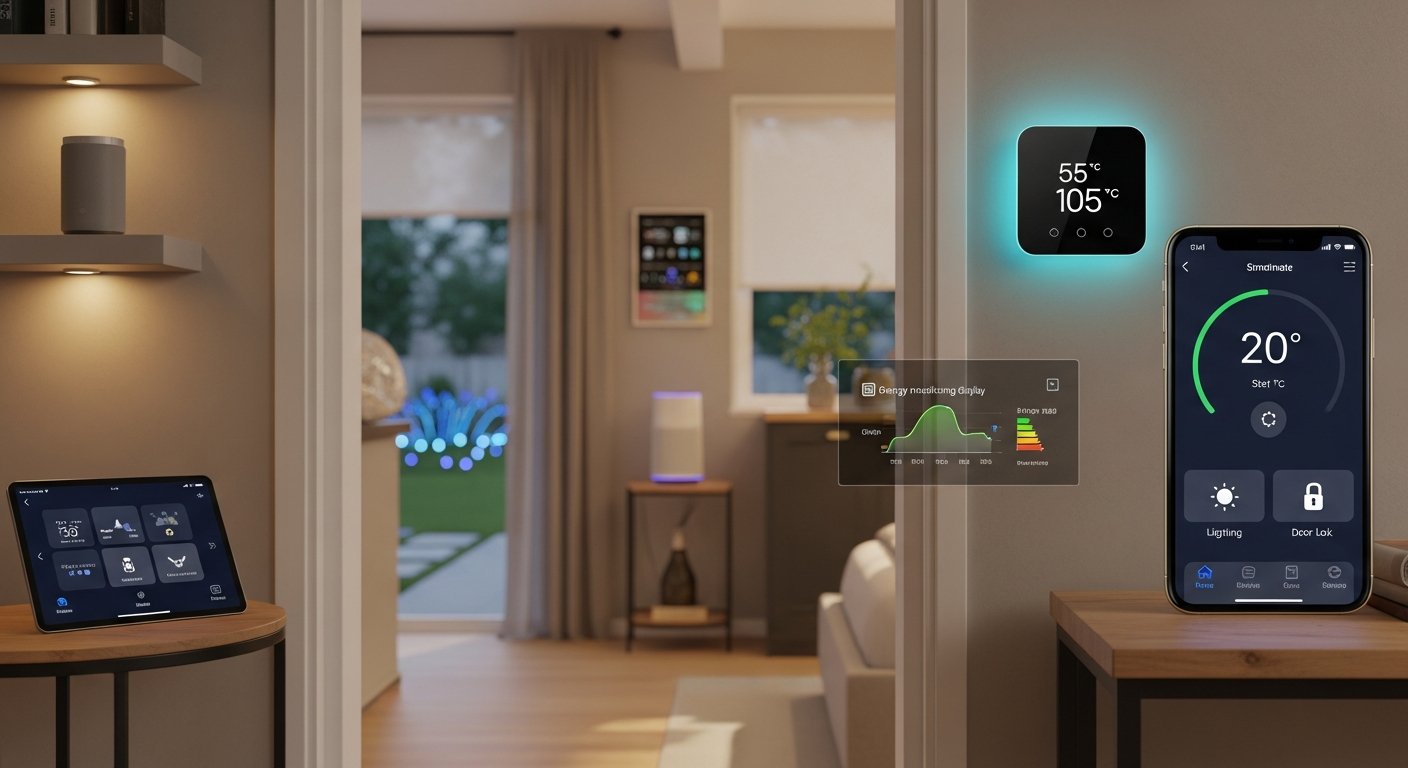
Smart Home Upgrades That Boost Home Value
Discover the most impactful smart home upgrades that boost your home's value, save energy, and improve daily comfort. Get expert planning tips.

By Jessica Reis
Learn more about Smart Home Installation or Repair for guides, costs, and what to expect.
Compare Smart Home Installation or Repair Pros Near You

Enter your ZIP code to compare top-rated local professionals and request free quotes.
Imagine coming home to a house that adjusts its own temperature, locks its own doors, and alerts you the moment a window is left open. This is no longer science fiction. Smart home technology has moved from a luxury novelty to a practical, mainstream consideration for homeowners. But with countless devices, protocols, and price points on the market, it can be overwhelming to know where to start. The good news is that a strategic approach to smart home upgrades can enhance your daily comfort, improve energy efficiency, and even increase your property's resale value. This guide will walk you through the most impactful upgrades, how to plan them, and how to get the best return on your investment.
Before you start buying gadgets, it is essential to understand that not all smart upgrades are created equal. Some offer immediate convenience, while others provide long-term savings or a significant boost to your home's appeal. The key is to focus on systems that are intuitive, reliable, and integrate well with each other. A fragmented setup of mismatched devices can quickly become a source of frustration rather than convenience. Therefore, planning your smart home ecosystem is just as important as the devices themselves.
Why Smart Home Upgrades Matter in 2026
The modern homebuyer is increasingly tech-savvy. According to recent real estate trends, homes equipped with smart features often sell faster and at a premium compared to their traditional counterparts. This is not just about novelty; it is about perceived value, convenience, and potential cost savings. Features like smart thermostats and lighting are no longer just for early adopters; they are becoming expected amenities in many markets. When you invest in these upgrades, you are not just improving your own living experience, you are also making your property more marketable to a future buyer.
Furthermore, many smart home upgrades contribute to significant operational savings. A smart thermostat can learn your schedule and adjust heating and cooling accordingly, potentially saving you up to 10-15% on your energy bills. Smart lighting can be programmed to turn off when rooms are empty, and smart irrigation systems can adjust watering based on weather forecasts. These savings accumulate over time, helping to offset the initial cost of the devices. Over the lifespan of these products, the financial benefit can be substantial, making them a wise investment for any homeowner.
However, it is important to consider the compatibility and longevity of the technology you choose. Opt for devices that support common standards like Matter or Thread, which are designed to ensure interoperability between different brands. This future-proofs your setup, allowing you to expand your system without being locked into a single proprietary ecosystem. As the smart home market evolves, having a flexible and scalable foundation will protect your investment and simplify future additions.
Prioritizing Your Smart Home Upgrades
With so many options available, it is helpful to prioritize upgrades based on their impact, cost, and ease of installation. Not every upgrade is worth the effort or expense, and some are far more beneficial than others. A thoughtful approach will ensure you get the most value from your budget and avoid unnecessary complications. Here are three categories to consider, ranging from high-impact to niche.
High-Impact, High-Value Upgrades
These are the upgrades that offer the best combination of convenience, savings, and home value. They are typically the first things a potential buyer or real estate agent will notice, and they are also the most likely to be used on a daily basis. Investing in these foundational elements provides a strong return on investment.
- Smart Thermostats: These devices learn your habits, optimize energy use, and can be controlled remotely. They are relatively inexpensive, easy to install, and offer immediate energy savings. Brands like Nest and Ecobee are popular choices, but ensure compatibility with your HVAC system.
- Smart Security Systems: This includes video doorbells, smart locks, and security cameras. They provide peace of mind, allow you to monitor your property from anywhere, and are a major selling point for security-conscious buyers. They can also potentially lower your home insurance premiums.
- Smart Lighting: Programmable lights, motion sensors, and smart switches offer both convenience and energy efficiency. You can set schedules, control lights remotely, and even change the ambiance with color-changing bulbs. This is a low-cost upgrade that makes a noticeable difference.
These three categories form the core of a modern smart home. They are widely recognized, relatively straightforward to install, and deliver tangible benefits. When you start with these, you are building a solid foundation that can be expanded later with more specialized devices. For instance, a smart thermostat pairs perfectly with smart blinds or a smart ceiling fan to optimize climate control even further.
Beyond the Basics: Niche and Specialty Upgrades
While the core upgrades offer the most significant benefits, there are several other niche products that can enhance specific aspects of your home. These may not have the same universal appeal, but they can be highly valuable depending on your lifestyle, location, and needs. Consider these options after you have established your primary smart systems.
For example, smart water leak detectors are an excellent investment for any homeowner, especially those with basements or older plumbing. These small sensors can be placed under sinks, near water heaters, or in sump pumps, and they will alert your phone the moment they detect moisture. This early warning can prevent costly water damage and potential mold issues. Similarly, a smart irrigation controller can save a significant amount of water by adjusting your sprinkler schedule based on local weather data, which is both eco-friendly and cost-effective.
Another area gaining traction is smart appliances. Refrigerators with internal cameras, ovens that can be preheated remotely, and washers that send notifications when a cycle is done are becoming more common. While these are major investments, they can add a level of convenience that some homeowners find indispensable. However, they are often not the primary reason a buyer chooses a home, so they should be considered a lower priority compared to the foundational upgrades mentioned earlier.
Planning and Budgeting for Your Smart Home Project
Once you have decided which upgrades to pursue, the next step is to plan and budget accordingly. The cost of smart home upgrades can vary dramatically, from under $50 for a smart plug to several thousand dollars for a comprehensive security system. A clear plan will help you avoid overspending and ensure that you complete the project without financial strain. Start by setting a realistic budget that covers the devices themselves, any necessary installation costs, and a small buffer for unexpected expenses.
If you are handy, many smart devices are designed for easy DIY installation. Smart bulbs, plugs, and even thermostats can often be installed in under an hour with basic tools. However, more complex projects, such as hardwiring smart switches, installing a full security camera system, or integrating smart devices with your existing electrical system, may require a licensed electrician. Attempting these without proper knowledge can be dangerous and may void warranties. In such cases, it is wise to hire a professional to ensure the job is done safely and correctly.
When it comes to budgeting, consider the long-term return on investment. While the upfront cost of a smart thermostat might be around $250, the annual energy savings can be $100 or more, meaning it pays for itself in a few years. Similarly, a smart security system can provide peace of mind and potentially lower your insurance premiums. When evaluating costs, always factor in these ongoing savings. For a more detailed look at how to plan your budget, you can refer to our guide for smart homeowners which outlines the process of getting quotes and planning your project efficiently.
To get a clear picture of the potential costs for your specific project, it is always recommended to obtain multiple quotes from qualified professionals. This is especially important for electrical work or complex integrations. Using a service that connects you with vetted local contractors can save you time and ensure you are getting competitive pricing. This approach aligns with the philosophy of making informed decisions based on transparent data, which is central to any successful home improvement project.
Choosing the Right Contractor for Smart Installations
While many smart home devices are DIY-friendly, some installations are best left to the experts. If you are installing a complex security system with multiple cameras, hardwiring smart switches throughout your home, or integrating a smart panel with your electrical system, a professional contractor is essential. But how do you choose the right one? The process is similar to hiring for any other home improvement project, but with a few additional considerations.
First, look for contractors who specialize in low-voltage and smart home installations. They should have experience with the specific brands or protocols you are interested in. Ask for references and check online reviews to gauge their reliability and quality of work. It is also crucial to verify that they are licensed and insured. This protects you from liability in case of an accident and ensures they meet industry standards. A reputable contractor will be happy to provide proof of both.
When you are ready to get quotes, be specific about your needs. Describe the exact devices you want installed and ask for a breakdown of labor and material costs. This will make it easier to compare bids from different contractors. Be wary of quotes that are significantly lower than others, as they may indicate a lack of experience or the use of inferior materials. A detailed, transparent quote is a good sign of a professional contractor. For those in specific regions, our guide on comparing smart home service quotes in Phoenix, Arizona offers a practical example of how to navigate this process.
Before the work begins, ensure you have a clear contract that outlines the scope of work, timeline, and payment schedule. It is also wise to discuss how the installation will be tested and what kind of warranty is offered on both the labor and the devices. A good contractor will walk you through the system after installation, ensuring you understand how to use it. They should also be available for any follow-up questions or issues that arise.
Integrating Smart Upgrades with Other Home Projects
Smart home upgrades should not be viewed in isolation. They can be seamlessly integrated into larger renovation or remodeling projects to enhance the overall result. For example, if you are planning a kitchen remodel, incorporating smart lighting under cabinets, a smart faucet, or a smart oven can elevate the space. Similarly, during a bathroom renovation, you might consider a smart exhaust fan with a humidity sensor or a smart mirror with integrated lighting and displays.
This integration requires careful planning and coordination. If you are already working with a contractor on a larger project, discuss your desire for smart home features early in the planning phase. This allows them to run the necessary wiring and ensure the electrical system can support your needs. Retrofitting smart features after a renovation is often more difficult and expensive. Therefore, considering them as part of the initial design is a smart strategy.
For example, during a basement remodel, you might want to install smart speakers in the ceiling, smart lighting zones, and a smart thermostat for the new space. Planning these additions during the construction phase is far easier than trying to add them later. This holistic approach not only saves money but also results in a more cohesive and functional living space. It also increases the overall value of your home by making the new space inherently more modern and efficient.
Security and Privacy Considerations
As you integrate more smart devices into your home, you must also consider security and privacy. A network of connected devices can be a target for hackers if not properly secured. The first line of defense is a strong, unique password for your Wi-Fi network and for each device or app. It is also important to enable two-factor authentication whenever possible. Another crucial step is to keep your devices' firmware updated, as manufacturers regularly release patches to fix security vulnerabilities.
When choosing devices, opt for reputable brands that have a proven track record of providing security updates. Be cautious about devices that are cheap and from unknown manufacturers, as they may have weak security protocols. Additionally, be mindful of the data these devices collect. Cameras and voice assistants are constantly listening or watching, so it is essential to understand their privacy policies. Many devices allow you to disable certain data collection features or to store data locally rather than in the cloud.
To enhance your network's security, consider setting up a separate Wi-Fi network specifically for your smart devices. This isolates them from your main network used for computers and phones, which is particularly useful if a device is compromised. You can also use a network firewall to monitor and control traffic. These steps will help you enjoy the benefits of a smart home without compromising your privacy and security.
Future-Proofing Your Smart Home Investment
The smart home industry is evolving rapidly, but you can take steps to ensure your investment remains relevant and functional for years to come. The most important step is to choose devices that support open standards like Matter. Matter is a new connectivity standard that allows devices from different manufacturers to work together seamlessly, regardless of the platform (Apple, Google, Amazon). By choosing Matter-compatible devices, you avoid the risk of being locked into a single ecosystem that may become obsolete.
Another key consideration is to invest in a robust internet and networking infrastructure. A mesh Wi-Fi system is highly recommended to ensure strong, reliable coverage throughout your home, which is essential for a large number of connected devices. Also, consider a smart home hub, which can act as a central controller for all your devices, allowing them to work even if the internet goes down. This adds a layer of resilience and functionality to your setup.
As you plan your smart home journey, it is also wise to think about how your needs might change. For example, if you are planning to age in place, you might want to integrate smart health monitoring devices or voice-activated controls that can be added later. By building a flexible and scalable system, you can adapt to new technologies and changing circumstances without having to rip out and replace your entire setup.
Finally, remember that the ultimate goal of smart home upgrades is to improve your quality of life and add tangible value to your property. Focus on solutions that genuinely make your daily routines easier, more efficient, and more enjoyable. With a thoughtful approach to planning, budgeting, and installation, your smart home can be a source of pride and comfort for years to come. By following these guidelines, you are well on your way to creating a home that is not only intelligent but also a wise investment for the future.