
Home Additions: Costs, ROI, and Planning Tips
Home additions boost your living space and home value. Learn the true costs, financing options, and contractor tips to plan a successful project.

By Alexia Mabel
Learn more about Home Remodeling for guides, costs, and what to expect.
Compare Home Remodeling Pros Near You

Enter your ZIP code to compare top-rated local professionals and request free quotes.
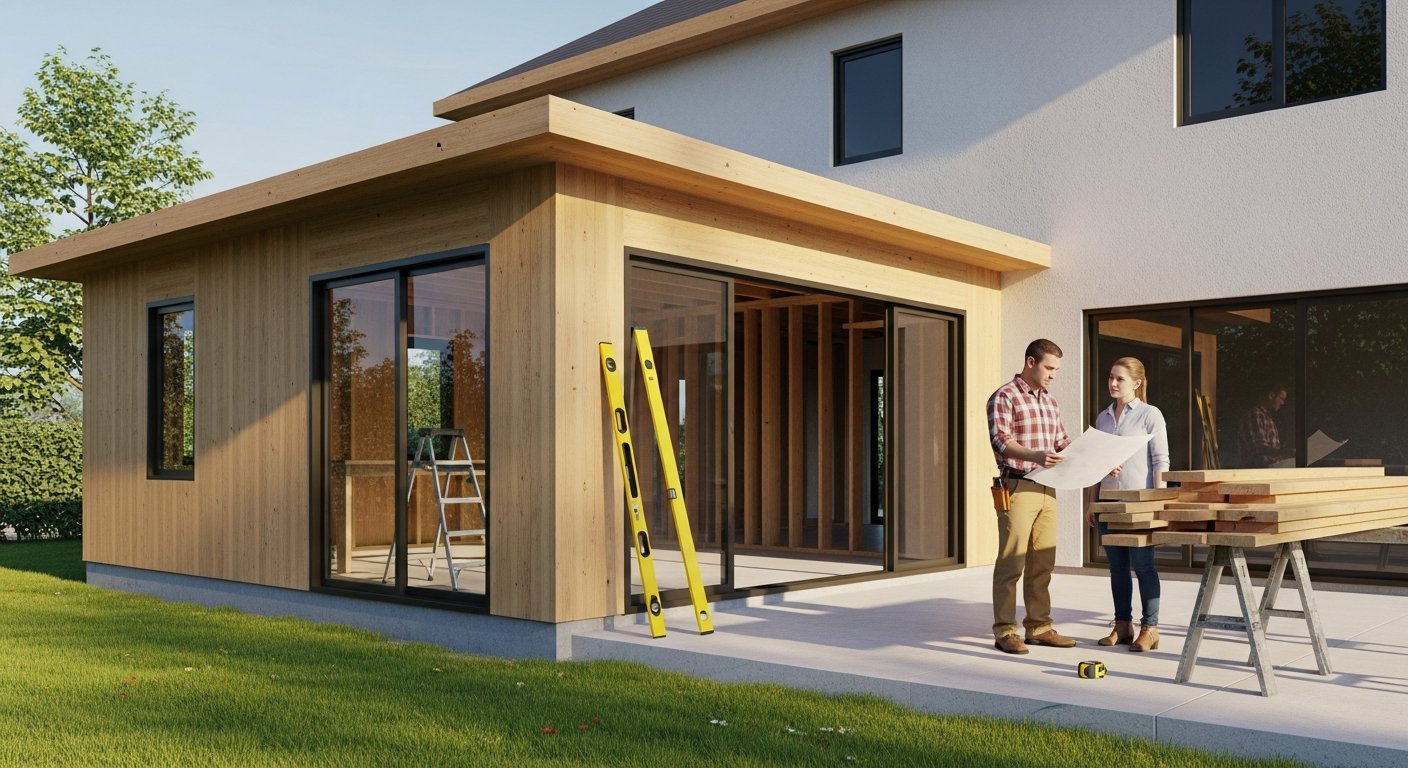
Adding square footage to your home is one of the most rewarding projects a homeowner can undertake. Whether you need a home office, a larger kitchen, or a guest suite, a well-planned home addition can transform how you live. But the process involves complex decisions, significant investment, and careful coordination. This guide walks you through the entire journey, from initial planning and budgeting to design choices and contractor selection, so you can approach your project with confidence.
Defining Your Home Addition Project
Before you call a contractor or sketch a floor plan, you need a clear vision of what you want to build. Home additions come in several forms, each with its own set of benefits and challenges. The most common types include bump-out additions, which extend a room outward; second-story additions, which add a new floor; and sunrooms or conservatories, which bring in natural light. You can also build attached garages with living space above or create a fully detached accessory dwelling unit (ADU) for rental income or extended family.
Your choice depends on your property's lot size, local zoning laws, and your budget. For instance, a second-story addition may be the only option if you have a small lot, but it often requires structural reinforcement and temporary roofing. A bump-out is more affordable but adds limited space. Take time to evaluate how each type aligns with your long-term needs. Consider how the addition will connect to your existing layout, how it will affect natural light in adjacent rooms, and whether it will feel like a natural extension of your home rather than an afterthought.
Assessing Your Needs and Wants
Start by listing the specific problems you want the addition to solve. Are you tired of a cramped kitchen that cannot fit your family? Do you need a quiet home office away from the main living areas? Write down your must-haves versus your nice-to-haves. For example, a dedicated laundry room might be essential, while a built-in window seat could be a luxury. This list will guide your design and help you communicate clearly with architects and contractors.
Next, consider how long you plan to stay in your home. If you intend to sell within five years, focus on additions that offer strong resale value, such as an extra bedroom or a primary suite. If you are staying for decades, prioritize your family's comfort and lifestyle. Also, think about future needs: aging in place might require a first-floor bedroom and a wider doorway, while growing children might need a flexible playroom that can later become a study.
Budgeting for Your Home Addition
Cost is the biggest factor in any home addition project. According to national averages, a typical home addition costs between $80 and $200 per square foot, but this figure varies widely by region, materials, and complexity. A basic bump-out might cost $25,000, while a full second-story addition can exceed $200,000. To get a realistic number, you need to understand the key cost drivers:
- Size and scope: Larger additions cost more in materials and labor, but the per-square-foot price often decreases slightly as the project grows.
- Structural work: Removing load-bearing walls, pouring new foundations, and adding roof support add significant expense.
- Materials and finishes: High-end cabinetry, flooring, and windows can double your budget compared to standard options.
- Labor and permits: Skilled trades and local building permits are non-negotiable costs that vary by area.
- Unexpected site conditions: Soil problems, old wiring, or hidden rot can increase costs by 10% to 20%.
To avoid financial surprises, get at least three detailed quotes from licensed contractors. Use a cost estimation tool to compare regional averages, and always add a 15% to 20% contingency fund to your budget. Remember that the lowest bid is not always the best; a slightly higher quote from an experienced contractor often saves money in the long run through better workmanship and fewer change orders.
Designing Your Addition for Maximum Value
Good design is about more than aesthetics; it directly impacts your home's functionality and resale value. Start by working with an architect or a design-build firm that specializes in home additions. They can help you create a layout that flows naturally from your existing rooms, maximize storage, and incorporate energy-efficient features. If your budget is tight, consider a stock plan or a design-builder who offers in-house design services, which can be more affordable than hiring an independent architect.
When designing, think about how the addition will affect your home's exterior. The new roofline, siding, and windows should complement your current architecture. A mismatched addition can lower curb appeal and hurt future resale value. Also, prioritize natural light and ceiling height; these features make a space feel larger and more inviting. For example, adding skylights or larger windows can brighten a new family room without increasing square footage.
Another key design decision is whether to match your existing flooring, trim, and paint or to create a distinct style. Seamless transitions work best for open floor plans, while a separate wing can have its own character. Keep in mind that the addition must meet current building codes, including fire safety, egress windows, and electrical capacity. Your contractor should handle these details, but you should understand the basics to ask informed questions.
Choosing the Right Contractor
The success of your home addition hinges on the contractor you hire. A good contractor will manage the project timeline, coordinate subcontractors, obtain permits, and ensure quality workmanship. Start by asking for recommendations from friends, neighbors, and local building supply stores. Then, vet each candidate thoroughly by checking licenses, insurance, and references from recent similar projects. You can also read online reviews and check with the Better Business Bureau for complaints.
When interviewing contractors, ask about their experience with home additions specifically, not just renovations. Additions involve more complex structural work and permit processes. Request a detailed written estimate that breaks down costs for materials, labor, permits, and cleanup. Also, ask how they handle change orders and unexpected issues. A transparent process for changes prevents disputes later. For more guidance on vetting professionals, see our article on Before and After ideas for Modular Home Additions to understand what quality work looks like.
Finally, ensure the contract includes a clear payment schedule tied to project milestones, a warranty on workmanship, and a timeline for completion. Avoid paying more than 10% upfront. A reputable contractor will not ask for full payment before the job is done. Also, confirm they will pull all necessary permits and pass inspections. This protects you from liability and ensures the addition is safe and legal.
Financing Your Home Addition
Unless you have substantial savings, you will likely need financing for your home addition. Common options include home equity loans, home equity lines of credit (HELOCs), cash-out refinancing, and personal loans. Each has pros and cons. A home equity loan offers a lump sum with a fixed interest rate, while a HELOC works like a credit card with a variable rate. Cash-out refinancing replaces your mortgage with a larger loan, and personal loans are unsecured but have higher rates.
Before choosing a financing method, compare interest rates, closing costs, and repayment terms. Also, calculate how the new monthly payment fits into your budget. Some homeowners use a combination of savings and a HELOC to reduce interest costs. If you are planning a large addition, a lender may require an appraisal to confirm the increased home value. Remember that the addition should add value that exceeds your loan costs, or at least provide the living space you need.
For a more detailed breakdown of costs and financing strategies, consider using a project estimation tool that factors in your location and project size. This helps you set a realistic budget before you approach lenders. Also, keep in mind that some contractors offer in-house financing, but these arrangements often have higher interest rates. Shop around and read the fine print carefully.
Navigating Permits and Regulations
Most home additions require a building permit from your local municipality. Permits ensure that the work meets safety and zoning codes, and they protect you if you sell the home later. The permitting process can take anywhere from a few weeks to several months, depending on the complexity of your project and your local government's workload. Start early and factor this timeline into your overall schedule.
Your contractor should handle the permit application, but you should verify that all work is inspected at key stages, such as foundation, framing, electrical, and plumbing. Failure to obtain permits can result in fines, forced removal of unapproved work, and difficulty selling your home. Also, check your homeowner association (HOA) rules, which may have design guidelines or setback requirements that are stricter than local codes.
Zoning laws may also limit the size or height of your addition, or require a certain distance from property lines. If your addition violates these rules, you may need a variance, which is a legal exception. This process can be lengthy and uncertain, so it is wise to consult with your local planning department before committing to a design. They can provide guidance on what is allowed on your property.
Managing the Construction Process
Once your contractor breaks ground, the construction phase can last anywhere from 8 to 20 weeks, depending on the size and complexity of your addition. The process typically involves several stages: site preparation, foundation work, framing, rough-in of mechanical systems, insulation, drywall, and final finishes. Throughout this time, you will need to be available for decisions and site visits, but avoid micromanaging the crew.
Communication is key to a smooth project. Schedule weekly check-ins with your contractor to review progress, address issues, and adjust plans if needed. Keep a log of all changes and approvals. Also, protect your existing living spaces from dust and debris by sealing off the work area. If your addition is connected to the main house, you may lose access to certain rooms or utilities temporarily. Plan ahead for these disruptions, especially if you have children or pets.
Unexpected delays can happen due to weather, material shortages, or hidden structural problems. Your contingency budget will cover additional costs, but you should also build buffer time into your schedule. A reputable contractor will keep you informed and offer solutions, not surprises. If you encounter a significant issue, such as discovering mold or termite damage, stop work and reassess the scope and cost before proceeding.
Maximizing Your Return on Investment
While a home addition is a personal investment, it also affects your home's resale value. According to Remodeling Magazine's Cost vs. Value report, the average return on investment (ROI) for a midrange addition is around 60% to 70%. That means you may not recoup the full cost when you sell, but you will enjoy the added space while you live there. To maximize ROI, focus on additions that are in demand in your neighborhood, such as an extra bedroom or a larger kitchen.
Choose timeless finishes rather than trendy ones. Neutral colors, quality materials, and energy-efficient features appeal to a broad range of buyers. Also, ensure the addition is properly integrated with the rest of the house; a disjointed layout can hurt value. If you are adding a bathroom, locate it near existing plumbing to reduce costs. And always maintain a consistent style throughout your home.
Finally, keep all permits and inspection records as proof that the work was done legally and safely. This documentation reassures potential buyers and can speed up the sale process. For more inspiration on how different additions can transform a home, review our Before and After ideas for Modular Home Additions to see real-world examples.
Common Mistakes to Avoid
Even well-planned additions can go sideways if you make common errors. The biggest mistake is underestimating the total cost, either by ignoring contingency funds or by choosing the cheapest bid without vetting the contractor. Another frequent issue is overbuilding for your neighborhood; an addition that is too large or luxurious may not add proportional value. Also, failing to obtain the right permits can lead to legal headaches and safety hazards.
Another pitfall is neglecting the impact on your existing systems. A new room may strain your HVAC system, electrical panel, or plumbing. Plan to upgrade these systems as part of the project, even if it adds cost. Similarly, do not forget about exterior drainage and landscaping; poor grading can cause water damage to your new foundation. Finally, avoid making design decisions based solely on resale value. You should love your new space, not just worry about future buyers.
To avoid these mistakes, rely on experienced professionals and do your homework. Read reviews, ask for references, and compare multiple quotes. Use a cost estimation tool to check if your budget is realistic. And when something feels off, speak up early. It is easier to fix a small issue during construction than after completion.
Final Thoughts on Home Additions
A home addition is a significant undertaking, but with careful planning, a realistic budget, and the right team, it can greatly enhance your living experience and property value. Start by defining your needs, then design a space that fits your lifestyle and budget. Choose a contractor with proven experience in additions, and ensure all permits are in place. Keep communication open throughout construction, and do not shy away from making decisions that align with your long-term goals.
Remember that the process is a journey, not just a destination. Enjoy the excitement of watching your home grow, and trust that the temporary disruption will be worth the final result. When you are ready to move forward, request free, no-obligation quotes from local professionals through our platform to compare options and find the right fit for your project. With the right preparation, your home addition can be a source of joy and comfort for years to come.