
Renovation Planning Checklist for Pet Owners (2026)
A renovation planning checklist for pet owners helps prevent escapes and stress. Call (833)-365-8755 to connect with trusted local contractors.

Learn more about Home Remodeling for guides, costs, and what to expect.
Compare Home Remodeling Pros Near You

Enter your ZIP code to compare top-rated local professionals and request free quotes.
Your dog has a habit of bolting through open doors, and your cat treats every cardboard box as a personal throne. Now imagine a crew of contractors marching in and out for weeks. Renovations are stressful enough without worrying about a pet escaping, chewing on exposed wiring, or inhaling drywall dust. That is why a renovation planning checklist for pet owners is not a luxury; it is a necessity. Whether you are replacing a roof, remodeling a bathroom, or adding a deck, the key to a smooth project is anticipating how your pets will react to the chaos. This guide walks you through every phase, from pre-construction containment to post-renovation reintroduction, so you can protect your animals and your sanity.
Before the First Hammer Swings: Pre-Construction Preparations
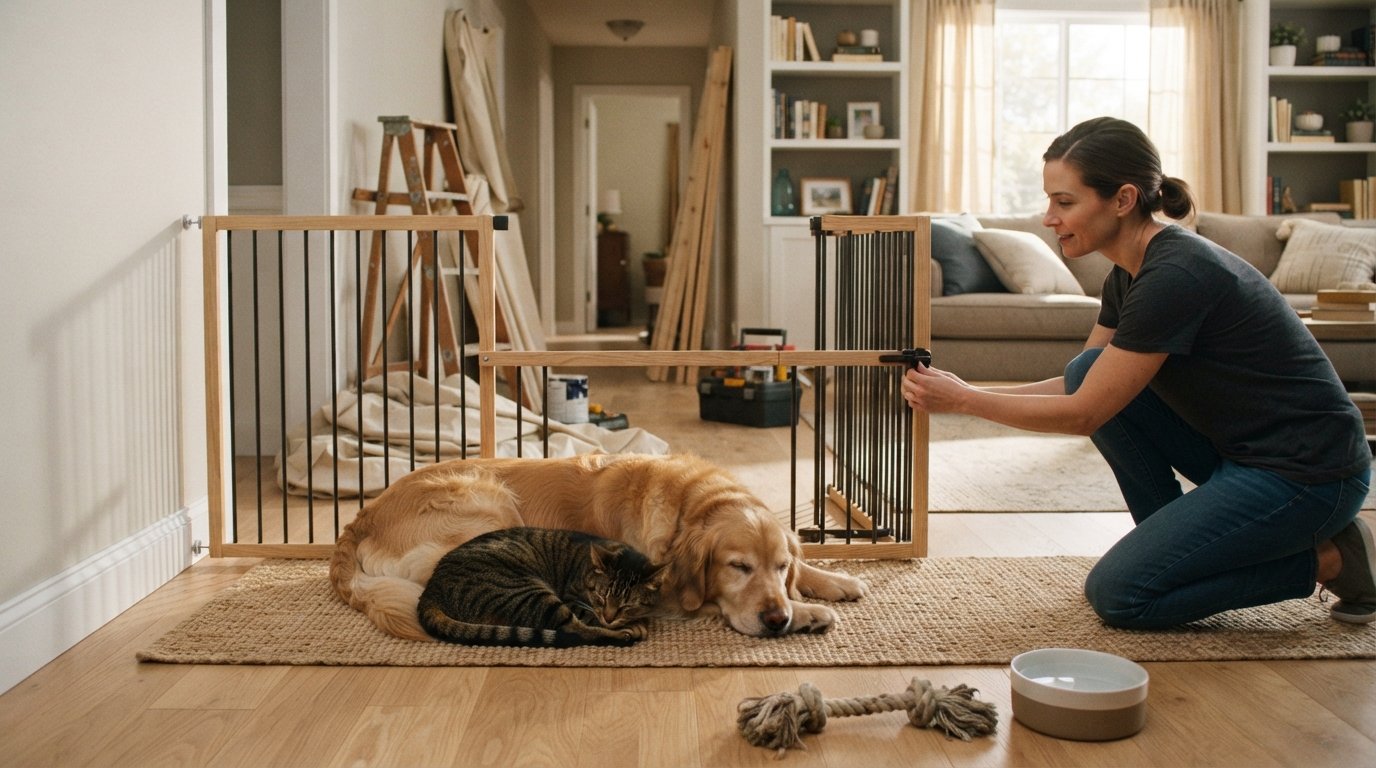
Planning starts long before the contractors arrive. Your first task is to map out the work zone and establish clear boundaries. Walk through your home and identify which areas will be off-limits to pets. Will the crew need access to the hallway? Will the backyard be a staging area for materials? Once you know the scope, you can create a pet-safe zone that keeps animals away from danger while still giving them room to move.
Next, schedule a vet visit. Renovation can expose pets to stress, noise, and potential hazards. Ask your veterinarian about anxiety management options, update vaccinations (especially if your pet will stay in a boarding facility), and discuss any pre-existing health conditions that might be aggravated by dust or stress. If your pet is prone to escape attempts, consider microchipping or updating ID tags as a backup safety net.
Communication with your contractor is equally critical. Set aside time to discuss your pets' needs before work begins. Provide the crew with a written list of your pets' names, temperaments, and any specific triggers (e.g., the vacuum, loud bangs). Ask about daily schedules so you can plan potty breaks and feeding times around the noisiest activities. A reputable contractor will appreciate the heads-up and may adjust their workflow to minimize stress. If you are still in the early stages of hiring, you can learn how to vet professionals effectively by reading our guide on bathroom remodel in St. Petersburg, FL, which offers tips on selecting contractors who respect your household routines.
Finally, stock up on supplies. You will need baby gates, temporary pet gates, a crate or carrier, and extra bedding. Consider purchasing a white noise machine or calming pheromone diffusers to help mask construction sounds. Prepare a emergency kit with your pet's medications, food, water, and a favorite toy in case you need to evacuate the area quickly. Having these items ready before the first day reduces last-minute scrambling.
Containment and Escape Prevention During Construction
The number one risk during a renovation is a pet slipping out through an open door or window. Contractors will be moving in and out constantly, and it takes only a second for a curious cat or determined dog to make a break for it. To prevent escapes, create a double-door system: use a baby gate or temporary screen to block the main exit, so even if the front door is open, your pet cannot reach the outside. For sliding doors, install a pet-proof screen or keep them locked with a security bar.
If your home has a basement or a spare room, consider setting up a dedicated pet sanctuary far from the work zone. This room should have a comfortable bed, water, food, a litter box (for cats), and enrichment toys. Ideally, it should have a window for natural light and a door that closes securely. Introduce your pet to this space before construction begins, using treats and praise to create positive associations. During work hours, keep your pet in this sanctuary with a sign on the door alerting contractors not to enter.
For pets that are particularly anxious or escape-prone, consider temporary boarding or a pet sitter during the most disruptive phases. This is especially wise during demolition or when heavy machinery is in use. If boarding is not an option, ask a friend or family member to take your pet for a few days. The investment in temporary care is far less than the cost of a lost pet or an emergency vet visit.
Remember that containment is not just about physical barriers; it is also about mental stimulation. A bored pet is more likely to attempt an escape. Provide puzzle toys, long-lasting chews, and interactive feeders to keep your pet occupied. Rotate toys to maintain novelty, and consider leaving a TV or radio on to mask construction noise. A tired, engaged pet is a calm pet.
Managing Hazardous Materials, Dust, and Debris
Renovation sites are full of dangers that are invisible to pets: lead paint dust, asbestos fibers, silica from concrete, and toxic chemicals. Even a small amount of exposure can cause respiratory issues, neurological problems, or gastrointestinal distress. Before work begins, ask your contractor about the materials being used and any hazardous substances that might be disturbed. If your home was built before 1978, lead-based paint is a real concern; contractors should follow lead-safe practices, and you should keep pets entirely out of the work area.
Dust control is critical. Plastic sheeting and negative air machines can contain dust, but fine particles still travel. Keep your pet out of rooms where demolition or sanding is happening, and seal off vents in the sanctuary room with a high-quality air filter. Consider running a HEPA air purifier in your pet's safe zone to reduce airborne irritants. After work hours, wipe down surfaces with a damp cloth to settle dust before letting your pet back into common areas.
Chemical hazards are equally serious. Paints, solvents, adhesives, and sealants can be toxic if ingested or inhaled. Store all chemicals in locked cabinets or high shelves that pets cannot reach. Never leave buckets of paint or trays of stain unattended; a curious dog might decide to drink from them. Dispose of rags and empty containers in sealed trash bins. If you suspect your pet has ingested a hazardous substance, call your veterinarian or a pet poison control hotline immediately.
Debris such as nails, screws, broken tiles, and insulation can cause serious injuries to paws and mouths. Keep the work area gated off, and do a daily sweep of adjacent areas to catch stray items. Check your pet's paws and mouth after outdoor time for any small objects that might have been tracked in. If your pet is a chewer, provide appropriate chew toys to redirect the behavior away from construction materials.
Maintaining Routine and Reducing Stress
Pets thrive on routine, and renovations disrupt everything: feeding times, walk schedules, quiet evenings. To minimize stress, try to maintain as much normalcy as possible. Keep feeding and walking times consistent, even if the location changes. If the kitchen is off-limits, set up a temporary feeding station in the sanctuary room. For dogs, schedule walks during quieter periods, such as before the crew arrives or after they leave. For cats, keep litter boxes clean and in a familiar location, away from noise.
Create a calm environment with pheromone diffusers, calming music, or a weighted blanket for anxious pets. Spend extra time playing and cuddling; your attention is a powerful stress reliever. If your pet shows signs of severe anxiety (pacing, drooling, loss of appetite, destructive behavior), consult your veterinarian about anti-anxiety medication or a referral to a behavioral specialist. Do not wait until the behavior becomes unmanageable.
Consider the cumulative effect of noise and activity. If the renovation will last for weeks, plan for periodic breaks. Send your pet to a daycare or a friend's house for a day or two each week to give them a respite from the chaos. This also gives you a chance to focus on the project without worrying about your pet's well-being.
Finally, do not forget the power of familiarity. Keep your pet's favorite bed, blanket, and toys in the sanctuary. Avoid washing their bedding with strong detergents during this time; familiar scents provide comfort. If you must move furniture, try to keep your pet's items in the same relative position within their safe zone.
Communicating with Contractors About Your Pets
Clear communication with your contractor is the cornerstone of a pet-safe renovation. At the initial meeting, introduce your pets and explain their temperaments. Some contractors are pet-friendly and may even enjoy having a dog around; others may prefer that pets are secured. Either way, set clear expectations. Provide written instructions: which doors to use, which rooms are off-limits, and what to do if a pet slips out. Post a sign on the sanctuary door with your pet's name and a warning not to enter.
Ask your contractor to include pet safety in their daily routine. For example, request that they close doors behind them, avoid leaving tools or chemicals unattended, and refrain from feeding your pets human food. If the crew will be working in the yard, ensure gates are closed and secured. If your pet is a barker, discuss how to minimize disturbance to neighbors and keep the crew comfortable.
It is also wise to establish a communication protocol for emergencies. Exchange phone numbers and agree on how you will be notified if a pet escapes or is injured. If you are not home during the day, designate a neighbor or pet sitter as a backup contact. Consider setting up a temporary camera in the sanctuary to monitor your pet's behavior and ensure contractors are respecting boundaries.
Remember that contractors are professionals, but they are not pet experts. A polite but firm briefing on your pet's needs will go a long way. If you encounter resistance or dismissive attitudes, it may be a red flag about the contractor's overall professionalism. You can always seek quotes from other professionals who are more accommodating. For major projects, such as a bathroom remodel, having a contractor who respects your household, including pets, is essential. Our guide on bathroom remodel in St. Petersburg, FL, emphasizes the importance of clear communication and vetting, principles that apply to any renovation.
Post-Renovation: Reintroduction and Safety Checks
Once the work is done, do not rush to let your pet explore. Renovation sites can leave behind hidden hazards: stray nails, sharp edges, loose wires, or residual chemical odors. Before reintroducing your pet, do a thorough walkthrough. Check floors for debris, inspect baseboards and corners for splinters, and ensure all outlets are covered. Wipe down surfaces with a pet-safe cleaner to remove dust and chemical residue. If new flooring or paint was installed, allow adequate curing time and ventilate the area well; some products emit fumes that are harmful to pets.
Reintroduce your pet gradually. Start with short, supervised visits to the renovated area, using treats and praise to create positive associations. Watch for signs of fear or hesitation; if your pet seems nervous, go back to the sanctuary and try again later. For cats, ensure scratching posts and litter boxes are placed in familiar spots. For dogs, check that gates and fences are secure and that no construction materials are accessible.
Finally, update your emergency plan. Now that the renovation is complete, review your pet's microchip information, ID tags, and emergency contacts. Make sure your pet's safe zone is still intact and that you have a stash of supplies in case of future disruptions. A well-planned renovation leaves your home improved and your pet healthy and happy.
By following this renovation planning checklist for pet owners, you can navigate construction with confidence. From containment and hazard management to routine maintenance and contractor communication, every step helps ensure a safe, low-stress experience for your furry family members. And when it is time to plan your next project, remember that reliable professionals are just a call away. For families planning a move after the renovation, resources like Moving.Homes offer checklists and tips for relocating with pets. With careful preparation, your renovation can be a positive change for everyone in the household, including the four-legged ones.