
High ROI Exterior Home Improvements Beyond Curb Appeal
High ROI exterior home improvements beyond curb appeal protect your foundation and cut energy bills. Call 8333658755 for vetted contractor quotes.

By Jackson Sawyer
Learn more about Home Remodeling for guides, costs, and what to expect.
Compare Home Remodeling Pros Near You

Enter your ZIP code to compare top-rated local professionals and request free quotes.
Most homeowners already know that a fresh coat of paint or tidy landscaping makes a house look better from the street. But the exterior upgrades that actually pay you back go far deeper than cosmetics. They reduce energy bills, prevent expensive water damage, and satisfy the very inspection points that make buyers and insurers hesitate. According to national remodeling cost versus value data, several exterior projects consistently recoup more than 60 percent of their cost at resale, and some deliver even stronger returns through pure savings and risk avoidance. If you want your next project to work as hard as your money does, it pays to look past the front door and focus on the structural, mechanical, and protective systems that quietly determine what your home is really worth.
Why the Best Exterior Returns Are Often Invisible
Curb appeal sells a feeling. Functional exterior improvements sell a number, and that number shows up in appraisals, inspection reports, insurance premiums, and energy statements. A buyer walking through your home cannot see the flashing behind the siding or the drainage system under the lawn, but their lender's appraiser and home inspector absolutely can. That is why the highest-return exterior work tends to fall into three buckets: water management, thermal performance, and durable envelope materials.
Think about what actually destroys home value over time. Water intrusion rots framing, feeds mold, and undermines foundations. Poor insulation and leaky windows push heating and cooling costs higher every single month. Aging roofs and siding trigger insurance scrutiny and scare off cautious buyers. Each of these problems compounds, which means solving them early is not just maintenance, it is value preservation with a measurable payoff.
There is also a financing angle worth understanding. Many homeowners assume they need a large lump sum before they can tackle these projects. In reality, options like home improvement financing, contractor payment schedules, and utility rebates can spread the cost in ways that make the return even more attractive. If cash flow is your main hesitation, our guide on efficient home improvements enhancing comfort and value walks through how to sequence upgrades so each one funds the next.
Roof Replacement: The Exterior Project That Protects Everything Else
A roof is the single largest exterior system on most homes, and it is the one that determines whether every other improvement lasts. Replacing a worn asphalt shingle roof typically recovers a substantial share of its cost at resale, but the real return shows up long before you sell. A new roof stops active leaks, restores attic ventilation, and gives you a documented warranty that reassures both insurers and buyers.
The math gets even better when you upgrade rather than simply replace. Standing seam metal roofing costs more upfront but can last 40 to 70 years, reflects heat in warm climates, and often earns insurance discounts because it resists hail and wind uplift. Impact-rated shingles serve a similar purpose in storm-prone regions. Before you commit, ask your contractor about underlayment upgrades, ice and water shield along eaves and valleys, and ridge ventilation. These details rarely appear in marketing photos, yet they are exactly what an inspector checks first.
Timing matters too. If your roof is 15 to 20 years old and you have noticed granule loss, curling shingles, or ceiling stains after heavy rain, waiting rarely saves money. Emergency repairs after a storm cost more, and secondary damage to insulation, drywall, and framing can easily exceed the price of a planned replacement. Get at least three itemized quotes so you can compare decking replacement allowances, disposal fees, and warranty terms side by side rather than guessing.
Windows and Doors: Cutting Energy Loss Where It Is Worst
Windows and exterior doors are the weakest thermal points in most homes. Even a modest number of single-pane or poorly sealed units can account for a meaningful share of annual heating and cooling loss. Replacing them with double or triple-pane units improves comfort immediately, reduces outside noise, and eliminates the drafts that make rooms unusable in extreme weather.
When comparing window quotes, focus on performance ratings rather than sales pitches. The U-factor tells you how well the unit insulates, the Solar Heat Gain Coefficient shows how much heat it lets in, and the Air Leakage rating reveals how tightly it seals. In cold northern climates, prioritize a low U-factor. In hot southern states, a lower Solar Heat Gain Coefficient matters more because it blocks radiant heat before it enters the room.
Exterior doors deserve equal attention. A warped or poorly insulated entry door wastes energy and creates a security concern. Modern fiberglass and steel doors offer strong insulation values, resist denting, and come in finishes that mimic wood without the maintenance. Patio door upgrades are especially valuable because sliding glass doors are notorious for air leakage and failed seals. Each of these replacements contributes to the same outcome: lower utility bills, better resale documentation, and fewer surprises during a buyer's inspection.
Siding Upgrades That Do More Than Look New
New siding is often treated as a cosmetic project, but its real function is to shed water, block wind, and protect the structural sheathing underneath. Fiber cement and engineered wood products have become the standard for high-performance exteriors because they resist rot, hold paint longer, and stand up to hail better than traditional vinyl in many markets. They also carry favorable fire ratings, which can matter for insurance in wildfire-prone areas.
The hidden value in a siding project lies in what happens behind the panels. A proper installation includes a weather-resistive barrier, flashing at every penetration, and drainage details that let moisture escape instead of trapping it against the framing. Contractors who skip these steps can leave you with a beautiful exterior and a hidden rot problem five years later. Ask specifically how they handle window and door openings, and confirm that trim and caulking details are included in the written scope.
Insulated vinyl and composite options offer a middle path. They cost less than fiber cement, install faster, and add a layer of thermal resistance that improves comfort in older homes with minimal wall insulation. Whichever material you choose, request samples and compare warranties carefully. Some manufacturers cover labor for a decade or more, while others cover materials only. That difference matters enormously if a defect appears.
Gutters, Drainage, and Foundation Protection
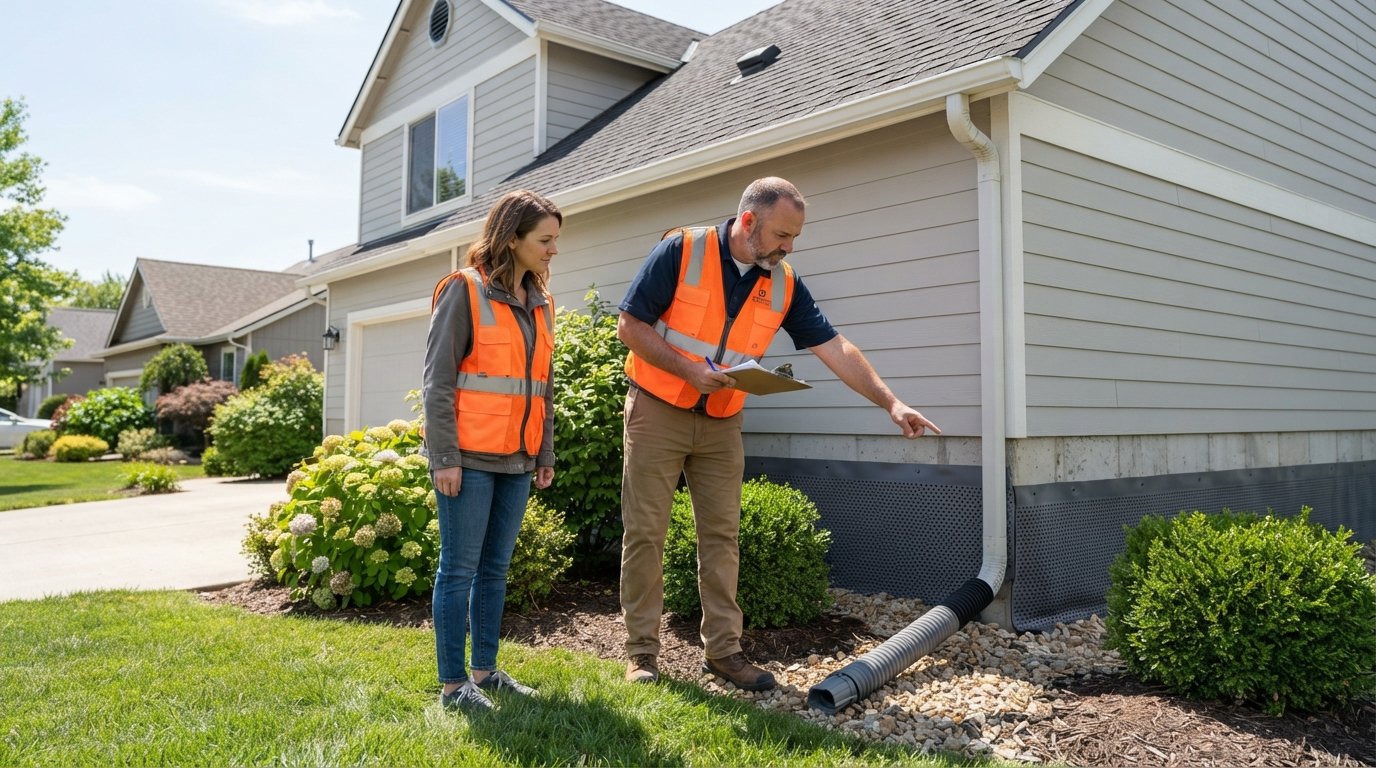
Nothing undermines a home faster than water in the wrong place. Clogged or undersized gutters send roof runoff straight to your foundation, where it causes soil erosion, basement seepage, and in serious cases, structural movement. Upgrading to seamless aluminum or steel gutters with leaf guards is one of the least expensive exterior improvements you can make, and it protects the foundation, landscaping, and basement all at once.
Drainage improvements extend well beyond the gutter itself. Downspout extensions, French drains, channel drains, and regrading the soil away from the house all work together to move water off the property. If your basement has ever smelled musty after a storm, or if you have noticed pooling near the foundation, this is the project to prioritize before anything cosmetic. Foundation repair costs dwarf gutter and drainage costs, so prevention here delivers one of the strongest returns available to any homeowner.
Here is a simple way to think about sequencing your exterior spending:
- First, stop water: gutters, downspouts, grading, and drainage.
- Second, seal the envelope: roof, siding, windows, and doors.
- Third, improve efficiency: insulation, ventilation, and air sealing.
- Fourth, add curb appeal: paint, trim, lighting, and landscaping.
Following that order means every dollar you spend is protected by the work that came before it. Skipping ahead to cosmetic upgrades while water still pools at the foundation is how homeowners end up paying twice for the same wall.
Decks, Porches, and Outdoor Living Spaces
Outdoor living areas blur the line between curb appeal and usable square footage, which is exactly why they perform so well financially. A well-built deck or covered porch effectively adds living space without the cost per square foot of an interior addition. Composite decking costs more than pressure-treated wood upfront, but it eliminates annual staining, resists splintering, and holds its appearance for decades, which appeals strongly to buyers who do not want a maintenance list.
Pay attention to structural details that inspectors flag: properly sized footings below the frost line, corrosion-resistant fasteners, adequate ledger board flashing where the deck meets the house, and guardrails that meet current code. A deck that fails inspection can kill a sale or force expensive retrofits. If you are planning a larger project, a covered structure with integrated lighting and ceiling fans extends usability into more months of the year and increases the perceived value of the entire property.
Permits and local codes vary widely here, so confirm requirements with your municipal building department before construction begins. Reputable contractors will pull permits themselves and include the cost in their bid. If a contractor suggests skipping the permit to save time or money, treat that as a serious warning sign.
How to Capture the ROI Without Overpaying
High-return exterior improvements share a common trait: they solve a problem that buyers, inspectors, or insurers actually care about. That is why the smartest approach is to start with a professional assessment rather than a Pinterest board. An experienced contractor can identify moisture intrusion, inadequate ventilation, and failing components before they become emergencies.
Getting competitive bids is the single most reliable way to avoid overpaying. When you request quotes from multiple licensed professionals, you gain leverage, clarity, and a benchmark for what the work should reasonably cost in your region. A platform like FreeQuotes.Contractors connects homeowners with pre-vetted local contractors for roofing, HVAC, windows, siding, and more, so you can compare itemized estimates side by side without pressure. That transparency is what turns a vague budget into a realistic plan.
Finally, document everything. Keep permits, warranties, invoices, and before-and-after photos in a dedicated folder. When you eventually sell, that paperwork proves the work was done properly and lets you justify a higher asking price. Exterior improvements beyond curb appeal are not just about spending money well today, they are about building a verifiable record of stewardship that pays off at the closing table.
Whether you start with drainage, a new roof, or energy-efficient windows, the principle stays the same: protect the structure first, improve performance second, and polish the appearance last. Do that, and your exterior will reward you every month through lower bills, fewer repairs, and a home that holds its value through every season.