
Choosing Building Materials for Your Climate Zone Durability Guide
Learn how choosing building materials for your climate zone durability guide protects your home. Call 8333658755 for expert contractor matching.

By Chelsea Kris
Learn more about Construction Services for guides, costs, and what to expect.
Compare Construction Services Pros Near You

Enter your ZIP code to compare top-rated local professionals and request free quotes.
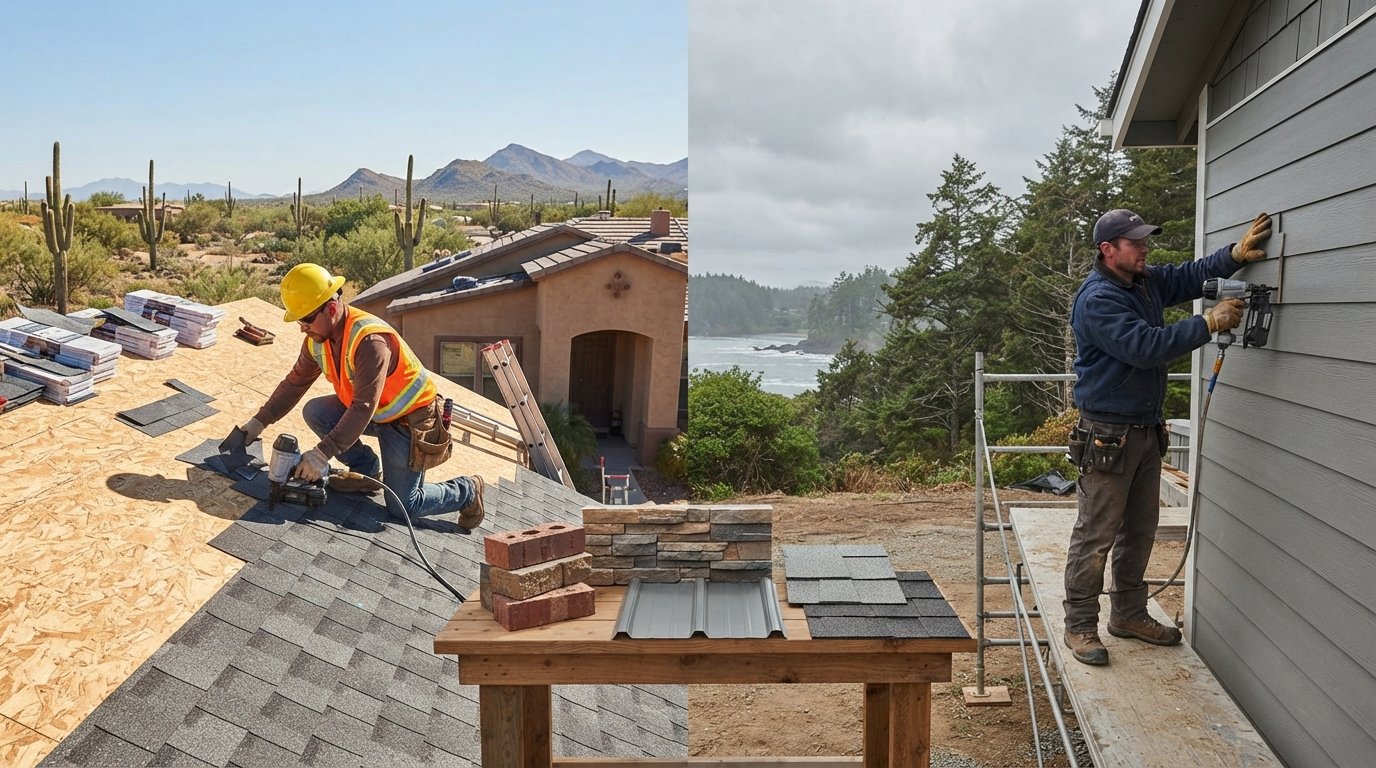
Your home's ability to withstand the elements depends on one critical decision: the building materials you choose. A material that performs beautifully in Arizona's scorching desert may crumble within a few seasons in coastal Maine's freeze-thaw cycles. The reverse holds true as well. This is not a matter of brand preference or aesthetic taste. It is a matter of physics, chemistry, and climate. Choosing building materials for your climate zone durability guide is about matching material properties to environmental stresses so your investment survives decades, not just years.
Understanding how climate drives material performance is the first step toward smarter renovation and construction decisions. Whether you are replacing a roof, installing new siding, or planning a full remodel, the climate where you live dictates which materials will deliver lasting value and which will become a costly maintenance nightmare.
Why Climate Zone Matters More Than You Think
The United States spans multiple climate zones, from the hot-humid Southeast to the cold-dry northern plains to the marine coastal Northwest. Each zone imposes distinct stresses on building materials. In hot-humid regions, moisture and biological threats dominate. In cold regions, freeze-thaw cycling and snow loads rule. In hot-dry climates, intense UV radiation and thermal expansion wear materials down. In mixed-humid zones, you get a combination of everything, which makes material selection especially challenging.
Building codes and energy standards recognize these differences. The International Energy Conservation Code (IECC) divides the country into climate zones numbered 1 through 8, with zone 1 being the hottest and zone 8 the coldest. These zones influence insulation requirements, window performance ratings, and vapor barrier placement. But durability goes beyond energy codes. It involves understanding how materials react to moisture, temperature swings, salt air, wind-driven rain, hail, and pests.
When you evaluate materials through the lens of your specific climate zone, you avoid premature failure, reduce long-term maintenance costs, and protect your home's structural integrity. This approach also helps you get accurate contractor estimates, because you can specify materials that local professionals know and trust.
Key Climate Stressors and How They Attack Materials
To choose wisely, you need to understand the enemies your materials will face. Different climates present different combinations of these stressors, and each material responds differently.
Moisture is the most universal threat. It comes as rain, snow, humidity, and groundwater. Moisture causes wood to rot, steel to rust, and masonry to crack through freeze-thaw action. In hot-humid climates, moisture combined with heat creates ideal conditions for mold and mildew. In cold climates, moisture trapped in materials expands when it freezes, slowly destroying them from within.
Temperature extremes and rapid swings cause materials to expand and contract. Over time, this thermal cycling leads to cracking, warping, and joint failure. Materials with high thermal expansion coefficients, such as vinyl and aluminum, are more vulnerable in climates with large day-night temperature differences. UV radiation breaks down organic materials like wood, asphalt, and some plastics, causing fading, embrittlement, and surface deterioration. Wind-driven rain and salt spray accelerate corrosion in coastal areas. Hail and wind impose mechanical damage, especially on roofs and siding. Termites and other pests thrive in warm, humid climates and can destroy wood-based materials if not properly treated or protected.
Material Selection by Climate Zone
Now let's break down the best material choices for each major climate zone. Keep in mind that local conditions, microclimates, and specific site exposure can vary within a zone. Always consult with a qualified local contractor who understands your area's unique demands.
Hot-Humid Climates (Southeast, Gulf Coast)
In hot-humid zones, your primary enemies are moisture, mold, and pests. Materials must resist water absorption, discourage biological growth, and stand up to intense sun and frequent rain.
For roofing, metal roofing (standing seam aluminum or steel) excels because it reflects heat, resists mold, and sheds heavy rain efficiently. Concrete and clay tiles also perform well, though they are heavier and require structural support. Asphalt shingles can work but may have shorter lifespans due to heat and moisture. For siding, fiber cement (such as HardiePlank) and engineered wood resist rot and termites better than natural wood. Vinyl siding is affordable and moisture-resistant but can become brittle in extreme heat. Stucco is common in some hot-humid areas but requires proper drainage details to avoid moisture trapping.
For framing and structural elements, pressure-treated lumber and naturally rot-resistant species like cedar or cypress are good choices. Steel framing avoids rot and termite issues entirely. For windows, vinyl and aluminum frames with thermal breaks perform well, but ensure proper flashing and drainage to manage driving rain. Concrete and brick masonry are durable but must be detailed to allow drying.
Hot-Dry Climates (Southwest, Desert Regions)
In hot-dry climates, UV radiation, extreme heat, and thermal expansion are the main threats. Moisture is less of a concern, but when rain does come, it can be intense and flashy.
For roofing, reflective metal roofing and concrete tiles are excellent choices. They handle UV, reflect heat, and resist thermal cracking. Asphalt shingles may degrade faster under intense UV. For siding, stucco is a traditional favorite because it handles heat well and is fire-resistant. Fiber cement also performs well. Wood siding can work but requires frequent sealing and painting due to UV damage. Vinyl siding may warp in extreme heat.
For windows, fiberglass and aluminum frames with thermal breaks are good options. Vinyl can soften and warp in extreme heat. For masonry, adobe and rammed earth are traditional in some desert areas, but they require careful detailing to manage thermal mass and occasional moisture. Concrete and brick are durable but must accommodate thermal movement with expansion joints.
Cold Climates (Northeast, Midwest, Mountain States)
In cold climates, freeze-thaw cycling, snow loads, and ice dams are the primary concerns. Materials must handle repeated freezing and thawing without cracking, support heavy snow, and resist moisture intrusion from ice dams.
For roofing, metal roofing is outstanding because it sheds snow easily and handles freeze-thaw cycles. Asphalt shingles can work but may become brittle in extreme cold and are vulnerable to ice dam damage. Concrete tiles are durable but heavy and can crack if water penetrates and freezes. For siding, fiber cement and engineered wood handle cold well. Vinyl siding can become brittle and crack in extreme cold. Wood siding requires diligent maintenance but can last if properly finished.
For windows, fiberglass and wood frames with high-performance glazing are excellent. Vinyl can become brittle in extreme cold. For foundations, concrete must be air-entrained to resist freeze-thaw damage. Insulated concrete forms (ICFs) offer excellent thermal performance and durability. For masonry, brick and stone are durable but must have proper drainage and weep holes to manage moisture.
Mixed-Humid Climates (Mid-Atlantic, Pacific Northwest)
Mixed-humid climates present a combination of moisture, moderate temperature swings, and occasional freeze-thaw. This makes material selection tricky because you need materials that handle both moisture and temperature variability.
For roofing, metal and asphalt shingles both perform well. Concrete tiles are durable but heavy. For siding, fiber cement and engineered wood are excellent choices. Vinyl siding is common but can struggle with moisture if not properly installed. Wood siding requires maintenance but can last with proper care.
For windows, vinyl and fiberglass are good options. Wood frames require more maintenance. For structural elements, pressure-treated lumber and steel framing are reliable. Masonry must be detailed for drainage and freeze-thaw resistance.
Marine and Coastal Climates (Coastal Areas, Salt Spray Zones)
Coastal climates add salt spray and high winds to the mix. Salt accelerates corrosion of metal and can degrade some materials. High winds demand impact-resistant materials and robust connections.
For roofing, metal roofing with corrosion-resistant coatings (aluminum, galvanized steel) is ideal. Concrete tiles also perform well. Asphalt shingles may fail faster due to wind and salt. For siding, fiber cement and vinyl resist salt well. Wood siding can work but requires frequent painting. For windows, vinyl, aluminum with thermal breaks, and fiberglass are good choices. Ensure impact-resistant glazing in hurricane zones.
Comparing Material Durability Across Climates
To make informed decisions, it helps to compare how common materials stack up across different climate stresses. The following list summarizes key durability characteristics for major material categories.
- Metal Roofing: Excellent in hot-dry, cold, and coastal climates; good in hot-humid; resists UV, freeze-thaw, and salt; can dent from hail.
- Concrete and Clay Tile: Excellent in hot-dry and hot-humid; good in cold; heavy and requires structural support; can crack from freeze-thaw if water penetrates.
- Asphalt Shingles: Good in mixed-humid and cold; fair in hot-dry and hot-humid; shorter lifespan under extreme UV or moisture; vulnerable to ice dams.
- Fiber Cement Siding: Excellent in hot-humid, mixed-humid, and coastal; good in cold; resists rot, termites, and salt; requires proper painting or staining.
- Vinyl Siding: Good in mixed-humid and hot-humid; fair in cold and hot-dry; can become brittle in cold or warp in extreme heat.
- Wood Siding: Fair across all climates unless properly maintained; requires frequent sealing, painting, and pest treatment.
- Engineered Wood Siding: Good in most climates; resists rot and termites better than natural wood; requires proper installation and maintenance.
- Brick and Stone Masonry: Excellent in hot-dry and cold; good in mixed-humid; requires proper drainage and expansion joints; can be damaged by freeze-thaw if saturated.
This comparison highlights that no single material is perfect everywhere. The best choice depends on your specific climate stressors, budget, maintenance tolerance, and aesthetic preferences. It also depends on proper installation, because even the best material will fail if installed incorrectly.
How to Vet Contractors for Climate-Appropriate Installations
Choosing the right material is only half the battle. Proper installation is equally critical. A metal roof installed without proper fasteners or underlayment will fail in high winds. Fiber cement siding installed without a drainage plane will trap moisture and rot the framing behind it. This is why you must vet contractors carefully, ensuring they understand your climate zone and have a track record of successful installations in similar conditions.
Start by asking potential contractors about their experience with your specific climate challenges. Ask for references from projects completed at least five years ago, and if possible, visit those sites to see how the materials have held up. Inquire about their approach to flashing, drainage, ventilation, and moisture management. A knowledgeable contractor will speak confidently about these details and explain how they adapt installation practices to your local conditions.
You should also verify licenses, insurance, and warranties. A solid workmanship warranty is essential, especially for weather-sensitive installations like roofing and siding. For a streamlined way to find pre-screened, licensed contractors in your area, you can explore trusted contractor directories that connect homeowners with qualified professionals. This can save time and reduce the risk of hiring an inexperienced installer.
Getting multiple quotes is also important. Prices can vary significantly based on material availability, local labor rates, and project complexity. Use our guide on how to get matched with local contractors to compare bids and ensure you are getting fair pricing for climate-appropriate materials.
Budgeting for Climate-Durable Materials
Climate-durable materials often cost more upfront than standard options. Metal roofing, fiber cement siding, and high-performance windows typically carry higher price tags than asphalt shingles, vinyl siding, and basic windows. However, the long-term savings can be substantial. Durable materials last longer, require less maintenance, and reduce the risk of costly repairs from weather damage.
When budgeting, consider the total cost of ownership over the material's lifespan. A roof that lasts 50 years may cost more initially but can be cheaper per year than a roof that lasts 15 years and requires replacement. Similarly, siding that resists rot and termites can save thousands in repair costs. Energy-efficient windows can reduce heating and cooling bills, offsetting their higher upfront cost.
It is also wise to factor in potential insurance discounts. Some insurers offer reduced premiums for homes with impact-resistant roofing or wind-resistant construction. In hurricane and hail-prone areas, these discounts can be significant. Check with your insurance provider to see what credits are available for climate-durable upgrades.
Finally, plan for maintenance. Even the most durable materials require some care. Metal roofs may need occasional inspection for loose fasteners. Fiber cement siding should be painted or stained periodically. Wood siding requires more frequent attention. Budget for these tasks so you are not caught off guard.
Common Mistakes to Avoid
Homeowners often make predictable mistakes when selecting materials for their climate. One common error is choosing materials based on aesthetics or initial cost alone, without considering how they will perform under local weather conditions. Another is ignoring the importance of proper installation details, such as flashing, drainage, and ventilation. A third mistake is failing to account for maintenance requirements, leading to premature deterioration.
Another pitfall is assuming that a material that works well in a neighboring region will work equally well in yours. Microclimates can vary significantly, even within a few miles. Coastal areas have salt spray; inland areas may have higher humidity or more extreme temperatures. Always consult local experts and rely on region-specific data.
Finally, do not overlook the importance of compatibility between materials. For example, pairing certain metals can cause galvanic corrosion. Using incompatible sealants or fasteners can lead to premature failure. A knowledgeable contractor will ensure all components work together as a system.
Making the Right Choice for Your Home
Choosing building materials for your climate zone durability guide is a decision that pays dividends for years. By understanding your climate stressors, evaluating materials based on proven performance, and hiring experienced contractors, you can protect your home and your investment. The right materials will not only withstand the elements but also enhance your home's comfort, efficiency, and value.
Take the time to research, ask questions, and compare quotes. Use the resources available through ContractorHomeQuotes to find qualified professionals and get accurate cost estimates. Your home deserves materials that are built to last in your specific environment. With careful planning and informed choices, you can enjoy a durable, resilient home for decades to come.