
Structural Engineer Inspection Cost for a House: 2026 Pricing
What does a structural engineer inspection cost for a house? Expect $400-$800 for an unbiased report that helps you compare foundation repair bids fairly. Call (833)-365-8755 for trusted local quotes.

By Jackson Sawyer
Learn more about Structural Engineering Services for guides, costs, and what to expect.
Compare Structural Engineering Services Pros Near You

Enter your ZIP code to compare top-rated local professionals and request free quotes.
Cracks that seem to appear overnight, a floor that slopes more than it used to, or a door that suddenly sticks can turn a calm homeowner into a worried one fast. Before you panic or sign a foundation repair contract, you need an expert opinion. A structural engineer inspection gives you that unbiased assessment, and the cost is far less than most homeowners expect. Understanding what does a structural engineer inspection cost for a house helps you budget wisely and avoid overpaying for unnecessary repairs. This guide breaks down typical fees, what the report includes, and how to use it to get fair contractor bids.
Typical Fee Ranges for Residential Structural Evaluations
What does a structural engineer inspection cost for a house? For most single-family homes, you can expect to pay between $400 and $800 for a standard visual inspection and written report. In high-cost metro areas or for very large or complex homes, fees can reach $1,000 to $1,200. A simple verbal opinion might cost $250 to $400, while more involved assessments that include crawl space access, attic review, or minor testing push the total toward the higher end. These figures are national averages; your local market and the engineer's experience level will influence the final price.
Several factors drive the cost up or down. Square footage matters because larger homes take longer to inspect. Accessibility is another big one: a finished basement with no exposed framing makes evaluation harder than an open crawl space. If the engineer needs to bring in a helper or use special equipment like a laser level or moisture meter, expect a higher fee. Urgency also plays a role; same-day or weekend appointments often carry a premium. On the other hand, a straightforward inspection of a small ranch home with obvious, accessible issues may come in at the lower end of the range.
Geography creates wide swings. In rural areas with fewer engineers, travel time may be added to the bill, sometimes $50 to $150 extra. In dense cities, competition can keep fees moderate, but parking and scheduling hassles may offset that. Always ask for a written quote before booking, and confirm whether the fee includes a follow-up call to discuss the findings. Some engineers charge separately for a formal stamped letter, which is often required by lenders or permit offices. That letter can add $100 to $300.
What a Structural Report Includes and How Contractors Use It
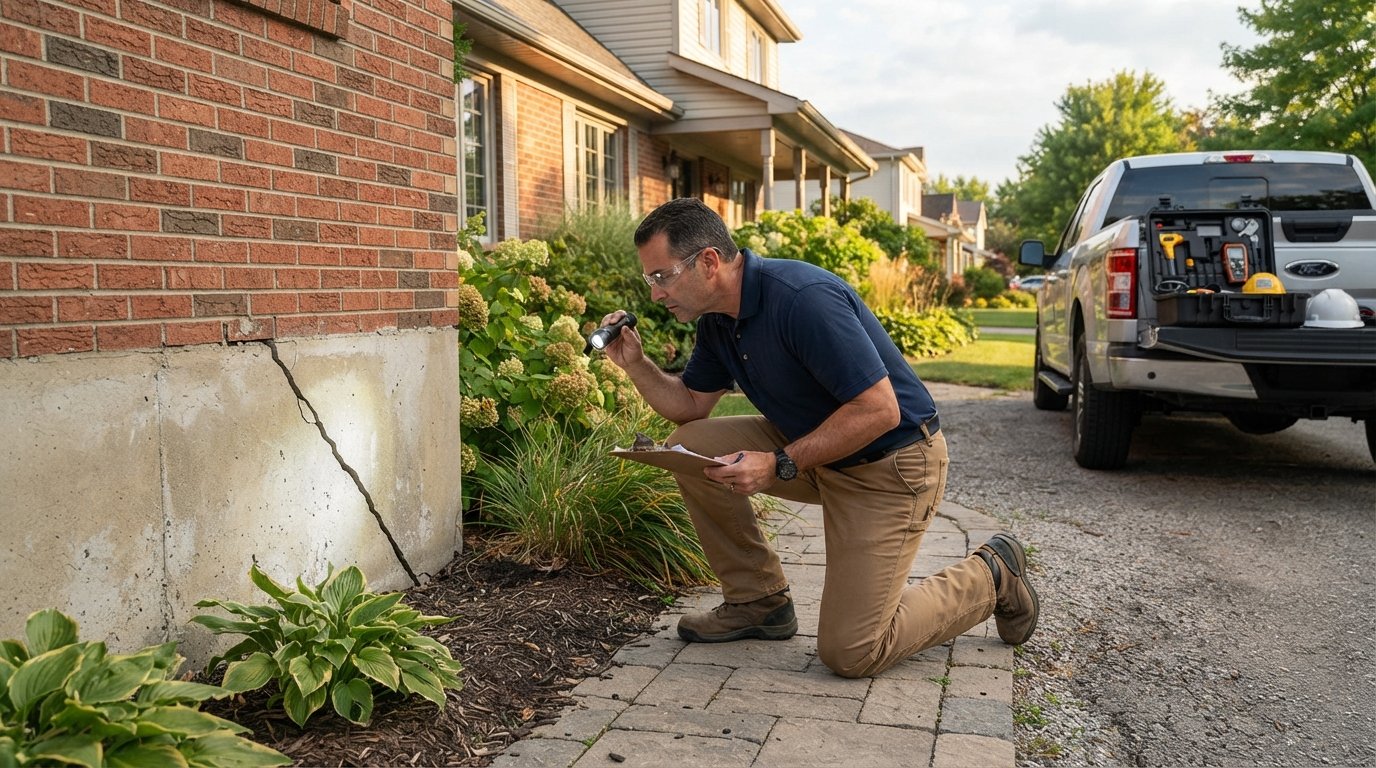
A structural engineer inspection is not just a quick walk-through. The engineer examines the foundation, framing, roof structure, and load-bearing walls, looking for signs of movement, deterioration, or inadequate support. They document cracks, measure floor slope, check for rot or pest damage, and assess drainage patterns around the foundation. After the visit, you receive a written report that typically includes photos, descriptions of observed conditions, and an opinion on whether the issues are structural or cosmetic. The report may also recommend further evaluation, such as soil testing or a drainage study.
Contractors use this report as a roadmap. When you request foundation repair bids, a clear engineering report prevents guesswork. It specifies the scope of work needed, such as underpinning, piering, or drainage correction, and gives contractors a common basis for pricing. This transparency makes it much harder for a contractor to upsell unnecessary services. It also helps you compare bids fairly, because every contractor is quoting on the same defined problem. Without a report, you might receive wildly different proposals that are difficult to evaluate.
For major renovations, a structural report serves another purpose: it confirms whether existing walls can be removed or load paths altered. Contractors and designers rely on the engineer's stamped letter to obtain permits. If you plan to finish a basement or add a second story, the inspection cost is a small price for avoiding catastrophic mistakes. The report also becomes a valuable document if you sell the home, as it demonstrates due diligence and can reassure buyers.
When an Engineer Is Needed Versus a Foundation Contractor's Opinion
Foundation contractors are experts at building and repairing foundations, but their primary goal is to sell repair services. That does not mean their opinions are dishonest, but they are not independent. A structural engineer, by contrast, has no financial stake in the repair method chosen. They provide an objective assessment. If you see multiple cracks, uneven floors, or doors that no longer latch, an engineer's inspection is the safer route. It gives you a neutral third-party opinion that you can trust when making a significant financial decision.
However, not every crack requires an engineer. Hairline cracks in drywall or minor settling in a new home are often cosmetic. A foundation contractor can give a free estimate and may tell you that no repair is needed. But if the contractor recommends a $15,000 piering job, spending $500 on an engineer's report is a smart way to verify that recommendation. Think of it as insurance against expensive mistakes. The engineer might confirm the need for repair or, just as valuably, suggest a simpler fix like improved drainage or crack sealing.
Some situations clearly call for an engineer: cracks wider than a quarter inch, bowing walls, sagging rooflines, or any structural change after a flood or earthquake. Also, if you are buying a home and the inspection report flags structural concerns, an engineer's evaluation can inform your negotiation. In these cases, the cost of an inspection is trivial compared to the potential cost of hidden damage. When in doubt, ask a foundation contractor whether they think an engineer is warranted; honest contractors will often recommend one for complex issues.
Combining Engineering with Soil or Drainage Assessments
Structural problems often start with water. Poor drainage, leaking gutters, or a high water table can undermine a foundation over time. A structural engineer may recommend a soil or drainage assessment if they suspect the cause is environmental rather than structural. Soil testing can cost an additional $500 to $1,500, depending on the scope. A drainage evaluation by a landscape or foundation specialist might run $300 to $800. These added costs can feel burdensome, but they are essential for designing a permanent fix. Repairing a foundation without addressing the water problem is like putting a bandage on a wound that keeps bleeding.
In some cases, the engineer can perform a basic drainage check as part of the inspection, noting gutter condition, grading, and visible water damage. If a more detailed analysis is needed, they will refer you to a specialist. Combining engineering with soil assessment is especially important in areas with expansive clay soils, which shrink and swell dramatically with moisture changes. Homes in these regions often need piering, and the design must account for soil behavior. A comprehensive evaluation upfront saves money by preventing failed repairs.
When you receive the combined report, you will have a clear picture of both the structural deficiency and its root cause. This integrated approach allows contractors to bid on a solution that addresses the whole problem, not just the symptom. It also helps you prioritize repairs if your budget is limited. For example, you might first correct drainage and then monitor the structure before committing to expensive piers. A good engineer will outline a phased plan if appropriate.
Using the Report to Compare Foundation Repair Bids Fairly
Once you have the structural report in hand, you are ready to solicit bids. The report levels the playing field. Give a copy to each contractor you invite to quote, and ask them to base their proposal on the engineer's recommendations. This practice ensures that every bid covers the same scope of work. Without a common reference, one contractor might propose a full piering system while another suggests crack injection, and you would have no way to know which is appropriate. The report tells you what is actually needed, so you can compare apples to apples.
When reviewing bids, look for details that match the report. Does the contractor specify the number and depth of piers? Do they mention addressing drainage as recommended? A bid that ignores the engineer's findings is a red flag. Also, ask contractors to explain any deviations from the report. Sometimes a contractor has a valid alternative approach, but they should justify it clearly. The engineer's report gives you the confidence to ask informed questions and reject proposals that cut corners.
Finally, use the report to negotiate. If a bid seems unusually high, you can ask the contractor to break down costs and compare them to the engineer's scope. If a bid is suspiciously low, it may omit crucial steps. The report empowers you to demand quality. For more guidance on evaluating contractor proposals, see our guide on what a comprehensive roof inspection entails, which shares similar principles for verifying scope and quality. And when you are ready to move forward, consider using a relocation resource like Moving.Homes if your project involves selling or buying a home. Their checklists and moving guides can help you plan around structural repairs.
In summary, what does a structural engineer inspection cost for a house? It is a modest investment, typically a few hundred dollars, that can save you thousands by ensuring you pay only for necessary repairs. The report provides an unbiased assessment, helps contractors bid accurately, and gives you peace of mind. Whether you are facing foundation cracks or planning a major renovation, an engineer's inspection is a smart step. Always obtain multiple quotes from licensed professionals, and use the report as your foundation for fair comparisons. With the right information, you can protect your home and your wallet.