
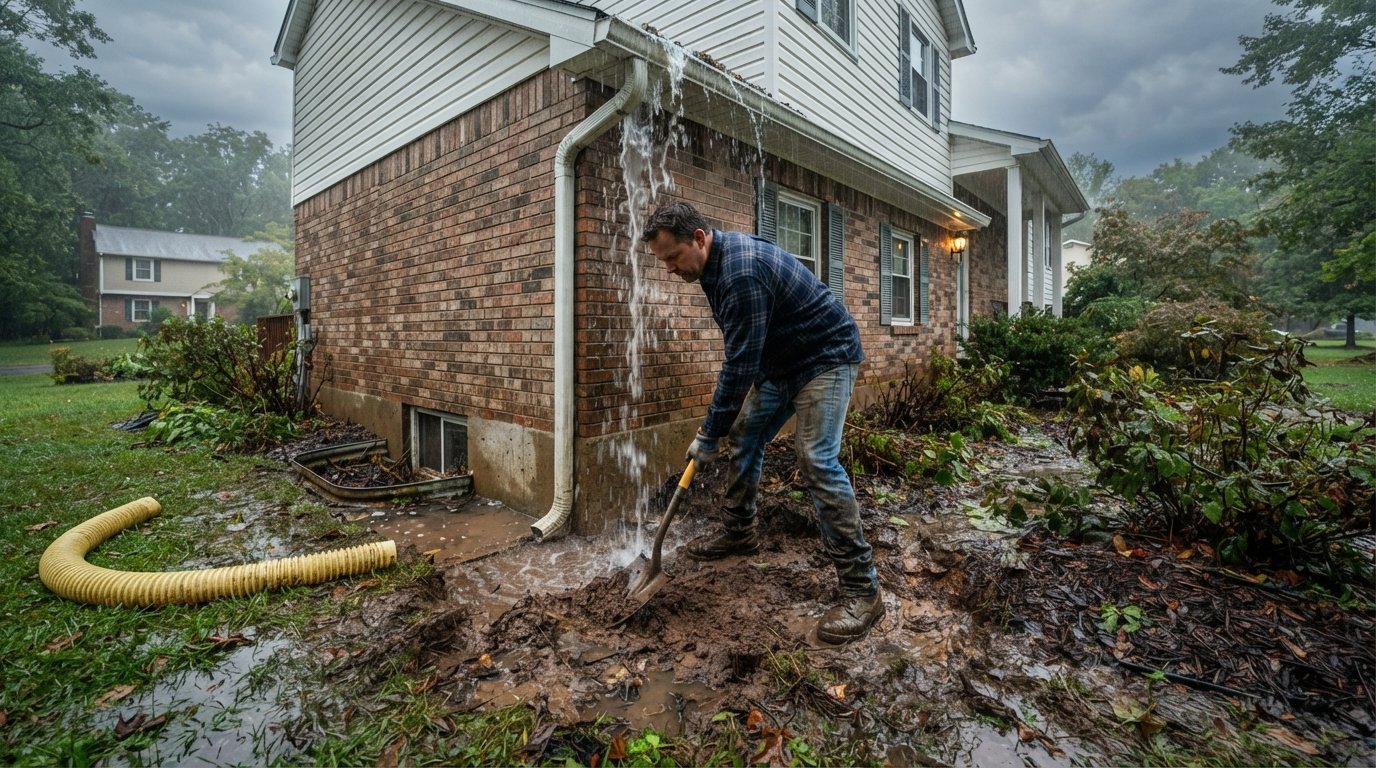
Stop Foundation Damage From Drainage Issues
Learn how to prevent foundation damage from drainage issues with practical steps like gutter cleaning, grading, and French drains, saving you thousands in costly repairs.
By Adnan Nazir
Learn more about Foundation Repair for guides, costs, and what to expect.
Compare Foundation Repair Pros Near You

Enter your ZIP code to compare top-rated local professionals and request free quotes.
Your home's foundation is its most critical structural component, yet many homeowners unknowingly compromise it through poor drainage. When rainwater pools around your foundation, it creates hydrostatic pressure that can crack walls, shift slabs, and compromise the entire structure. The good news is that understanding how to prevent foundation damage from drainage issues can save you tens of thousands of dollars in repairs. This comprehensive guide walks you through the warning signs, the science behind water damage, and the practical steps you can take to protect your most valuable asset.
Why Drainage Is the Root Cause of Most Foundation Problems
Soil expands when wet and contracts when dry. This natural cycle, combined with water pooling against your foundation, leads to movement and stress. Over time, this repeated swelling and shrinking can cause the soil beneath your home to shift, creating voids that your foundation settles into. The result is uneven floors, sticking doors, and cracks in your walls and foundation.
Water is the single most destructive force to a foundation, and it almost always enters through poor drainage. Gutters that overflow, downspouts that discharge too close to the house, and grading that slopes toward the structure all funnel water directly to the weakest point. By addressing these issues proactively, you can prevent the costly and stressful process of foundation repair.
7 Warning Signs That Water Is Threatening Your Foundation
Your home will often show subtle signs of water damage long before a major foundation failure occurs. Recognizing these early indicators allows you to act quickly and minimize the extent of the damage. Watch for the following:
- Cracks in walls or floors: Hairline cracks in drywall, brick, or concrete slabs can indicate movement caused by water-saturated soil.
- Sticking doors or windows: When your foundation shifts, door and window frames can become misaligned, making them difficult to open or close.
- Gaps around exterior windows or doors: These gaps often appear when the foundation settles unevenly, pulling the frame away from the wall.
- Uneven or sloping floors: A noticeably tilted floor is a serious sign that your foundation has settled significantly.
- Water pooling in the basement or crawl space: Even occasional dampness or musty odors can signal a drainage problem that will worsen over time.
- Mold or mildew growth: Persistent moisture creates the perfect environment for mold, which can also indicate a hidden water intrusion issue.
- Cracked or heaving driveways and walkways: These are often the first areas to show the effects of soil movement.
If you notice any of these signs, it is crucial to investigate the drainage around your home immediately. Ignoring them can lead to more severe structural damage, requiring expensive interventions like piering or mudjacking.
Step-by-Step: How to Prevent Foundation Damage From Drainage Issues
The best defense against foundation damage is a proactive approach to water management. You do not need to be a professional to implement many of these solutions, but for complex grading or underground work, hiring a qualified contractor is recommended. Here is a systematic plan to protect your foundation.
1. Ensure Proper Grading and Slope
The ground around your home should slope away from the foundation. The industry standard is a slope of at least 6 inches over a 10-foot span. This simple measure directs surface water away from the base of your house. If your yard is flat or slopes toward the home, you may need to add fill dirt and regrade the landscape.
For homes with significant grading problems, a professional landscaper or foundation specialist can assess the situation and recommend the best approach. They can also ensure that any new grading does not interfere with existing drainage systems or create new problems for neighboring properties.
2. Clean and Extend Your Gutters and Downspouts
Clogged gutters are a leading cause of foundation damage. When gutters are full of leaves and debris, water overflows and cascades down the side of your house, pooling at the base. Clean your gutters at least twice a year, and consider installing gutter guards to minimize debris accumulation.
Equally important is the placement of your downspouts. They should discharge water at least 5 to 10 feet away from your foundation. If they currently empty right next to the house, install downspout extensions or splash blocks to carry the water further away. This is one of the most cost-effective measures you can take. For a deeper dive into the broader system, see our guide on gutters and drainage in Virginia for regional considerations.
3. Install a French Drain System
If you have persistent water problems despite good grading and gutter maintenance, a French drain may be necessary. This is a trench filled with gravel and a perforated pipe that collects and redirects groundwater away from your foundation. It is an effective solution for homes with high water tables or poor soil drainage.
French drains can be installed on the interior or exterior of your foundation. An exterior French drain is installed below grade and intercepts water before it reaches the foundation. An interior drain is often installed in a basement or crawl space to manage water that has already entered. Both systems require a proper outlet, such as a storm drain or a dry well.
4. Consider a Sump Pump for Basements or Crawl Spaces
For homes with basements or crawl spaces, a sump pump is a vital defense against flooding. The sump pump sits in a pit and automatically activates when water accumulates, pumping it away from the house. This is particularly important in areas with heavy rainfall or high water tables.
Regular maintenance is essential for sump pumps. Test the pump periodically by pouring water into the pit, clean the pump and pit of debris, and ensure the discharge line is clear and directs water at least 10 feet from the foundation. Consider a battery backup system to keep the pump working during power outages, which often occur during storms.
5. Waterproof Your Foundation Walls
Applying a waterproofing membrane or sealant to the exterior of your foundation walls provides an extra layer of protection. This is best done during new construction or when excavating for other repairs, but interior sealants can also help reduce dampness in basements. Waterproofing prevents water from penetrating the concrete, which can cause cracks and efflorescence (white mineral deposits).
For existing homes, excavating the foundation to apply exterior waterproofing is a major project. However, it is often necessary when there is ongoing water infiltration. Interior waterproofing paints and sealants are less effective but can help manage minor dampness and improve air quality in a basement.
The Cost of Ignoring Drainage Problems vs. Preventive Maintenance
Many homeowners are tempted to put off drainage repairs because they seem costly or unnecessary. However, the cost of ignoring these issues is far greater. Foundation repair can range from $2,000 for minor crack injections to over $40,000 for major structural work like piering. In contrast, preventive measures like cleaning gutters, extending downspouts, and regrading are typically under $1,000.
Regular maintenance, such as inspecting your gutters and checking the slope of your yard, costs little more than your time. Investing in these small tasks now can prevent the need for major excavation and structural repairs later. It is a classic case of an ounce of prevention being worth a pound of cure.
When to Call a Professional for Drainage and Foundation Issues
While many drainage solutions are DIY-friendly, some situations require professional expertise. If you notice significant or expanding cracks, doors that no longer latch, or large areas of pooling water, it is time to call a foundation specialist. They can assess the structural integrity of your home and recommend a tailored solution.
Professional services can also install more complex systems like exterior French drains, sump pumps, and waterproofing membranes. When hiring, always verify that the contractor is licensed and insured. Get multiple quotes to compare pricing and approach. You can use a service like FreeQuotes.Contractors to connect with pre-vetted professionals in your area and receive free, no-obligation estimates, which helps you make an informed decision without pressure.
Seasonal Maintenance Checklist for Foundation Protection
Protecting your foundation is an ongoing process. A simple seasonal checklist can help you stay on top of potential issues before they become emergencies. By incorporating these tasks into your routine, you are actively working to prevent foundation damage from drainage issues.
- Spring: Clean gutters and downspouts, check for winter damage, and ensure downspout extensions are properly attached.
- Summer: Inspect the soil around your foundation for erosion or settling, and water the soil during dry spells to prevent excessive shrinkage.
- Fall: Clean gutters again, remove leaves from the foundation perimeter, and check the grading for any changes.
- Winter: Ensure downspouts are clear of ice and snow, and monitor for ice dams that can cause water to back up under shingles.
This routine check takes only a few hours each season and can provide peace of mind. Each time you complete these tasks, you are actively reducing the risk of costly foundation repairs.
Protecting your foundation from water damage is one of the most important investments you can make in your home. By understanding the risks and implementing these practical drainage solutions, you can maintain the structural integrity of your property for decades. Start with the simple steps like cleaning your gutters and adjusting downspouts, and only escalate to more complex systems if necessary. If you ever have doubts, consult a professional. The small cost of a consultation is nothing compared to the peace of mind and the savings you will gain from a dry, stable, and secure home.