
Spring Home Maintenance Checklist: 15 Vital Tasks
Tackle the 15 essential spring home maintenance tasks to protect your home from winter damage and avoid costly repairs. Start your checklist today.

By Joshua Benson
Learn more about Handyman for guides, costs, and what to expect.
Compare Handyman Pros Near You

Enter your ZIP code to compare top-rated local professionals and request free quotes.
As the final frost melts and daylight stretches longer, your home sends quiet signals that it is ready for a seasonal reset. Winter can be brutal on roofing, gutters, HVAC systems, and foundations, often leaving behind damage that worsens silently if ignored. A structured spring home maintenance checklist is not just about curb appeal; it is about protecting your largest investment from costly, avoidable repairs. By dedicating a weekend or two to targeted inspections and upkeep, you can catch small issues before they escalate into major expenses. This guide walks through the most critical tasks, the order to tackle them, and how to decide when a professional is necessary.
Approaching spring maintenance systematically can also save you money on energy bills and extend the lifespan of major systems. Many homeowners overlook simple steps like cleaning condenser coils or checking attic ventilation, yet these small actions directly impact efficiency. The following checklist is designed for the average North American home, balancing DIY-friendly tasks with those that require a licensed contractor. Whether you are a new homeowner or a seasoned property manager, these steps will help you transition your home into warmer months with confidence.
Start With a Thorough Exterior Inspection
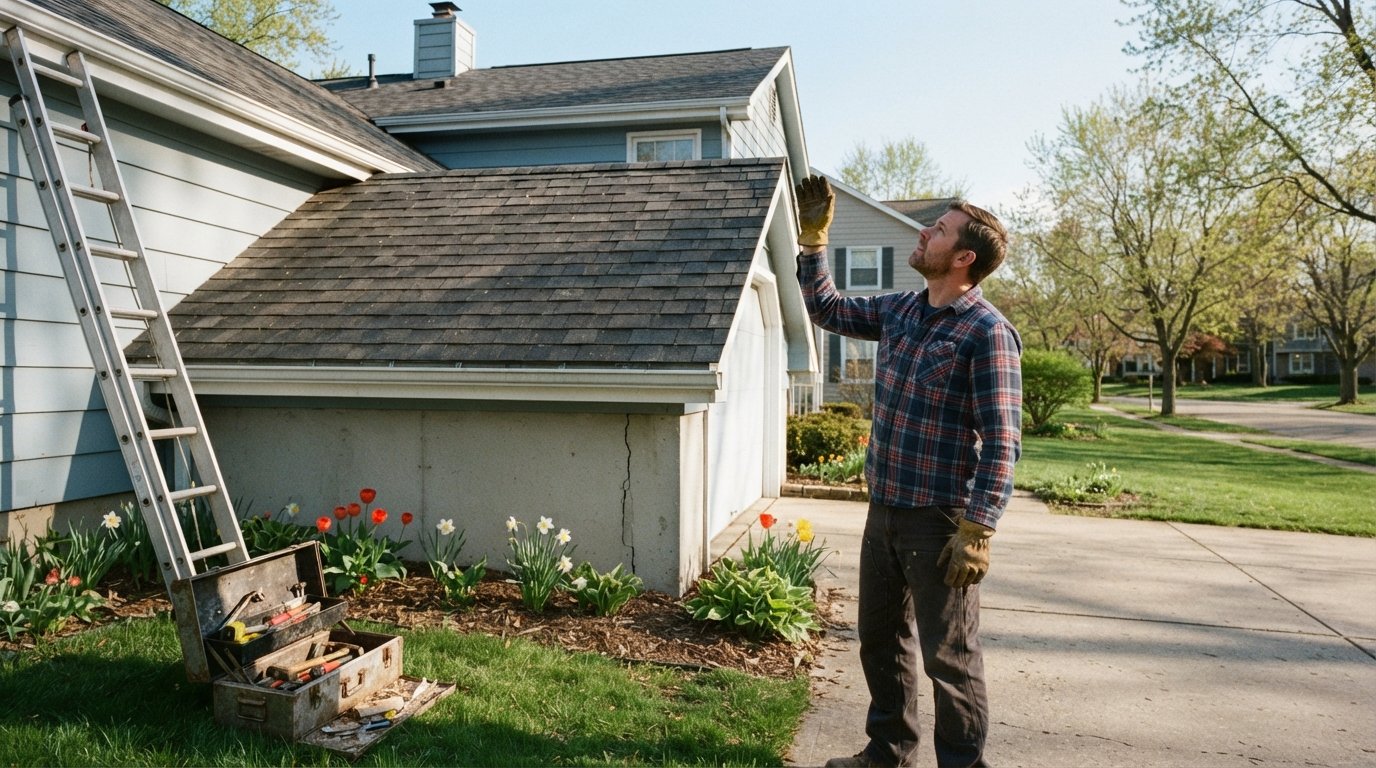
Begin your spring maintenance by walking the perimeter of your home. Look for cracked or missing shingles, loose siding, and gaps around windows and doors where water or pests could enter. Winter ice dams and heavy snow can lift shingles or create hidden leaks, so use binoculars to inspect the roof from the ground and check the attic for stains or damp insulation. Pay special attention to flashing around chimneys, vents, and skylights, as these are common leak points. If you spot damage, document it with photos and contact a qualified roofer for an estimate; delaying repairs often turns a minor fix into a full replacement.
Next, examine the foundation for new or widening cracks. Small hairline cracks are often cosmetic, but horizontal cracks or those wider than a quarter inch may indicate structural movement. Check that the soil around the foundation slopes away from the house to prevent water pooling. Also, inspect exterior faucets and irrigation systems for freeze damage; turn on the water slowly and look for leaks or weak pressure. If you find significant issues, use a contractor matching service to get multiple bids from vetted professionals, as foundation repairs can be complex and pricey.
Gutters and Downspouts: Clear the Path
Clogged gutters are a leading cause of spring water damage. During fall and winter, leaves, twigs, and shingle granules accumulate, blocking the flow of melting snow and spring rains. When water overflows, it can seep into the fascia, soffits, and even the foundation. Clean your gutters thoroughly, removing debris by hand or with a gutter scoop, and flush them with a garden hose to check for proper drainage. Ensure downspouts extend at least three feet away from the foundation and are securely attached. If you notice sagging gutters or rusty seams, consider repairing or replacing them before the heavy spring storms arrive.
While cleaning, inspect the gutter guards or screens if you have them. They can become dislodged or filled with fine debris like pine needles. Also, check that the downspout connections are sealed to prevent leaks at the joints. If you are uncomfortable working on a ladder, hire a professional gutter cleaning service. The cost is relatively low compared to the potential water damage to your basement or crawl space. Regular gutter maintenance is a simple yet vital part of any seasonal home maintenance checklist spring edition.
HVAC System Tune-Up for Efficiency
Your air conditioning system worked hard to keep you cool last summer, and it will need attention before the heat returns. Replace the air filter, ideally every 30 to 90 days, and consider upgrading to a higher MERV rating for better air quality. Clear debris from the outdoor condenser unit, trimming back any plants or shrubs that obstruct airflow. Gently rinse the fins with a hose, but avoid using a pressure washer, as it can bend the delicate aluminum fins. Check the refrigerant lines for insulation damage and ensure the condensate drain is clear to prevent clogs that lead to water damage.
It is wise to schedule a professional HVAC inspection before the peak season. A licensed technician can check refrigerant levels, test the thermostat, tighten electrical connections, and lubricate moving parts. This proactive tune-up can improve efficiency by up to 15 percent, reducing your summer energy bills. Many contractors offer seasonal maintenance plans that include priority service and discounts on repairs. If your system is older than 10 to 15 years, consider whether a replacement is cost-effective; our guide on how to request a home repair estimate can help you gather quotes for both repairs and new installations.
Inspect Windows, Doors, and Screens
Winter weather can cause seals to fail and frames to warp, leading to drafts and higher energy costs. Inspect all windows and doors for gaps, cracked caulk, or peeling paint. Replace worn weatherstripping around movable parts and re-caulk any areas where water could penetrate. This is also the perfect time to clean windows, both inside and out, and check the screens for tears or holes. Damaged screens not only let in insects but also reduce ventilation, which can increase indoor humidity and strain your AC.
If you have old, single-pane windows, consider upgrading to energy-efficient models with low-E coatings and argon gas fills. While the upfront cost is significant, the long-term savings on heating and cooling can be substantial, and new windows often boost curb appeal and resale value. When evaluating replacement options, compare materials like vinyl, wood, and fiberglass, and request quotes from multiple installers. Proper installation is critical, so look for contractors with good reviews and warranties.
Check the Roof and Attic for Winter Damage
Beyond a visual inspection from the ground, spend time in your attic. Look for signs of moisture, such as dark stains on rafters or insulation that is matted down. Check for daylight coming through the roof sheathing, which indicates holes or gaps. Ensure the attic has adequate ventilation, with soffit vents clear and ridge vents unobstructed. Poor ventilation traps heat and moisture, which can lead to mold growth and premature shingle failure. If you notice excessive condensation or ice dams in winter, improve insulation and airflow to prevent recurrence.
If you are not comfortable climbing on the roof, hire a professional inspector. They can identify subtle issues like lifted shingles, rusted flashing, or deteriorating rubber boots around vent pipes. Addressing these small repairs now can prevent major leaks during spring thunderstorms. Get at least two estimates for any roofing work, and verify that contractors are licensed and insured. A reputable roofer will offer a workmanship warranty in addition to the manufacturer's material warranty.
Plumbing and Water Heater Checks
Spring is an excellent time to inspect your plumbing system for leaks and inefficiencies. Check under sinks, around toilets, and near the water heater for any signs of moisture or corrosion. Test the water pressure at a few fixtures; if it seems low or inconsistent, you may have a hidden leak or mineral buildup in pipes. Also, run water in rarely used drains, like guest bathrooms, to keep the traps filled and prevent sewer gas from entering the home. If you have a sump pump, test it by pouring water into the pit to ensure it activates and drains properly.
Your water heater works harder during cooler months, so give it some attention. Drain a few gallons from the tank to remove sediment that can reduce efficiency and cause rumbling noises. Check the pressure relief valve by lifting the lever and allowing a brief burst of water to escape, then ensure it closes tightly. If your water heater is over 10 years old, consider a proactive replacement, as tank failure can cause flooding. Compare prices for standard tank models versus tankless systems, and factor in installation costs. Regular maintenance extends the life of your unit and prevents emergency calls.
Landscaping and Drainage Preparation
Spring is the season for yard work, but it is also critical for protecting your home's foundation. Rake away leaves and dead grass, and inspect the lawn for bare spots that might need reseeding. Trim tree branches that hang over the roof, as they can drop debris and provide a pathway for pests. Ensure that downspouts direct water away from the house, and consider installing French drains or regrading if you have low spots where water pools. Proper drainage is essential to keep basements and crawl spaces dry.
Inspect your irrigation system for broken sprinkler heads or leaks in the lines. Turn on each zone manually and check for even coverage. Adjust spray patterns to avoid watering the siding or foundation, as constant moisture can cause damage. If you have a deck or patio, clean and seal it to protect against moisture and UV damage. This is also a good time to check outdoor lighting fixtures for corrosion and replace any burnt-out bulbs.
Safety Systems: Smoke and Carbon Monoxide Detectors
Your family's safety depends on functioning smoke and carbon monoxide detectors. Replace the batteries in all units at least once a year, and test each one by pressing the test button. Clean the sensors with a vacuum brush to remove dust that can cause false alarms. If your detectors are more than 10 years old, replace them entirely, as sensors degrade over time. Consider installing interconnected detectors so that when one alarms, they all do, providing earlier warning in a fire.
Also, inspect your fire extinguisher, checking the pressure gauge and ensuring it is fully charged. If it is expired or damaged, replace it and keep one on each floor, especially in the kitchen and garage. Review your family's emergency escape plan and practice it. These simple steps can be life-saving and are an essential part of any seasonal maintenance routine.
Service Your Lawn Equipment and Outdoor Tools
Before the mowing season begins, service your lawn mower and other outdoor power equipment. Change the oil, replace the spark plug, and sharpen the blades. Dull blades tear grass, making it vulnerable to disease. Clean or replace the air filter, and inspect the belts and cables for wear. For gas-powered equipment, use fresh fuel and add a stabilizer to prevent gumming. If you have a battery-powered mower, charge it fully and check the battery's health. Proper maintenance ensures your equipment starts reliably and operates efficiently.
Also, inspect your garden tools, such as shovels, pruners, and hoses. Clean off rust, sharpen cutting edges, and replace any broken handles. Check hoses for cracks or leaks and repair them with a hose repair kit or replace them. Store everything in a dry, organized space to prolong its life. Taking care of your tools not only makes yard work easier but also saves you money in the long run.
Attend to the Exterior Paint and Wood
Winter weather can cause paint to peel and wood to rot, especially on trim, fascia, and decks. Inspect all painted surfaces for blisters, cracks, or chalking. Scrape away loose paint, sand the area, and apply a fresh coat of exterior paint to protect the wood. Pay special attention to areas that are constantly exposed to moisture, such as window sills and door frames. If you find rotted wood, replace it promptly to prevent structural damage. Painting on a mild, dry day will ensure proper adhesion and a smooth finish.
For wood decks and fences, clean them with a deck cleaner or a power washer set on a low setting, then apply a water-repellent sealer or stain. This not only enhances appearance but also prevents cracking and warping. If your deck is large or in poor condition, consider hiring a professional for cleaning and sealing. This is a perfect task to bundle with other exterior maintenance, and getting multiple quotes can help you budget effectively.
Prepare Your Home for Warmer Weather: A Final Walkthrough
Once you have completed the major tasks, do a final walkthrough of your property, both inside and out. Look for any lingering issues that need attention, such as a cracked window pane, a loose handrail, or a dripping faucet. Test your garage door opener, ensuring the auto-reverse function works correctly. Clean the dryer vent, a hidden fire hazard that also reduces efficiency. Check the attic for any signs of pests, as spring is when animals look for nesting sites. Seal any gaps or holes in the exterior with caulk or steel wool.
Finally, consider scheduling a professional home inspection if you have not done one in a few years. An inspector can identify issues you might miss, such as hidden mold, electrical problems, or structural concerns. This is especially important if you have recently purchased a home or are planning significant renovations. Use the inspection report to prioritize repairs and budget accordingly. To streamline the process, you can use a platform like FreeQuotes.Contractors to connect with local professionals who can provide free estimates for any needed work.
Completing this seasonal home maintenance checklist spring edition not only preserves your home's value but also gives you peace of mind. You will enjoy a more comfortable, efficient, and safe living environment, and you will avoid the stress of unexpected breakdowns. Start with the tasks that address the most critical risks, such as roof and gutter issues, and work your way down the list. Your future self, and your wallet, will thank you.