
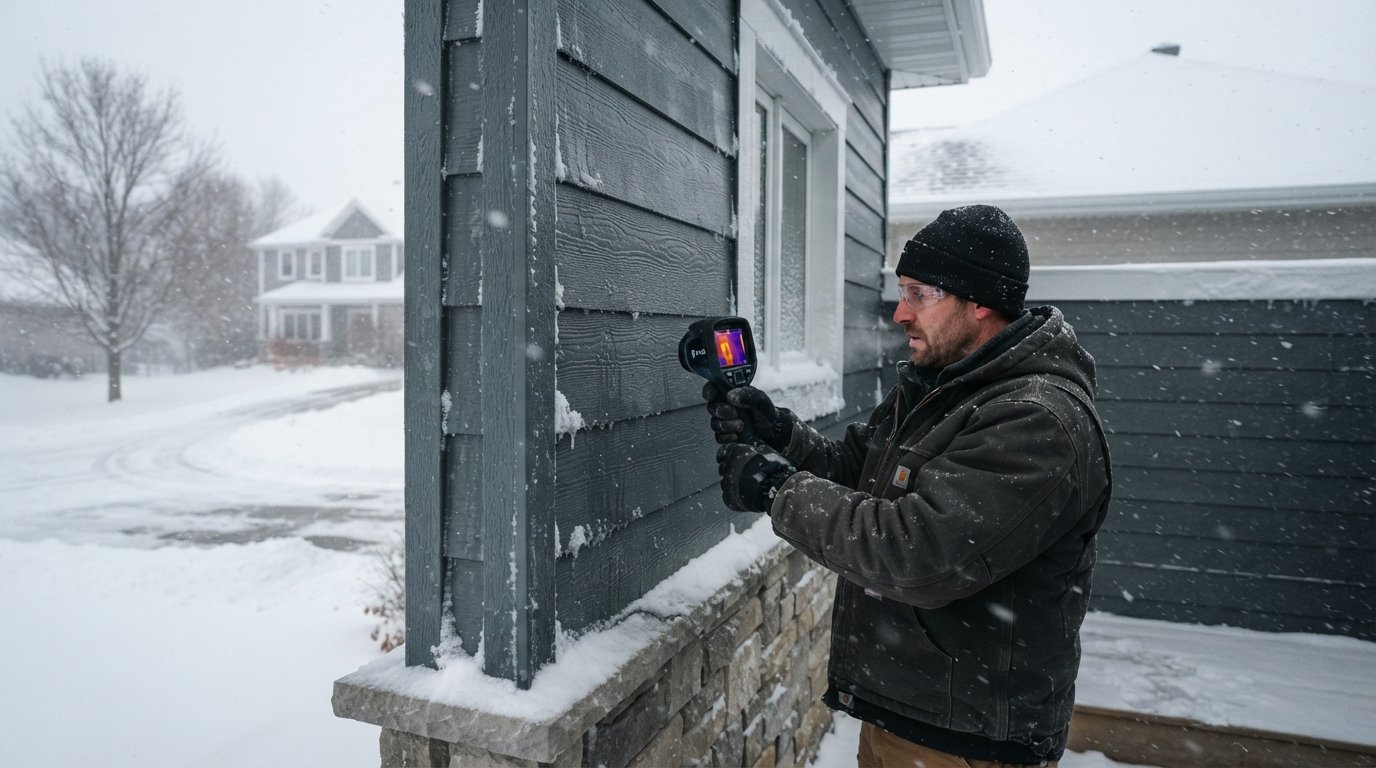
Siding Materials for Harsh Winters: A Full Comparison
Compare siding materials for harsh winters: vinyl, fiber cement, engineered wood, metal, and brick. Find the best durability, cost, and maintenance for your home.

By Peter Hubert
Learn more about Siding Installation for guides, costs, and what to expect.
Compare Siding Installation Pros Near You

Enter your ZIP code to compare top-rated local professionals and request free quotes.
When winter arrives with subzero temperatures, heavy snow, and relentless ice, your home's siding becomes the first line of defense. Choosing the wrong material can lead to cracking, warping, moisture damage, and skyrocketing heating bills. This exterior siding materials comparison for harsh winters will help you understand which options truly stand up to extreme conditions, and which ones might leave you with costly repairs come spring. We will break down the pros, cons, and real-world performance of the most popular siding materials, so you can make a confident, informed decision for your home.
What Makes Siding "Winter-Ready"?
Before diving into specific materials, it's essential to understand the unique stresses that harsh winters place on your home's exterior. Freeze-thaw cycles are the biggest enemy. When moisture seeps into tiny cracks or pores and then freezes, it expands, creating larger cracks and structural damage over time. This is why water resistance and low moisture absorption are critical traits for any siding in a cold climate.
Impact resistance is another key factor. Hailstorms, flying debris from high winds, and even accidental bumps from snow removal equipment can dent or crack weaker siding. A material that can absorb impact without showing damage will maintain its appearance and protective function for decades longer. Additionally, consider thermal performance. While siding itself provides some insulation, its ability to create a tight, wind-resistant barrier reduces drafts and helps your heating system work more efficiently.
Finally, think about maintenance. In harsh climates, you want a material that requires minimal upkeep. Repainting or repairing siding during a blizzard is not ideal. Look for options that resist fading, warping, and insect damage naturally. Here is a quick checklist of what to prioritize:
- Low water absorption to prevent freeze-thaw damage.
- High impact resistance for hail and debris.
- Thermal stability to avoid expansion and contraction cracking.
- Minimal maintenance requirements in extreme cold.
- Good insulation value or compatibility with rigid foam sheathing.
With these criteria in mind, let's evaluate the most common siding materials on the market today.
Vinyl Siding: The Budget-Friendly Workhorse
Vinyl siding is one of the most popular choices in North America, and for good reason. It is affordable, easy to install, and comes in a wide range of colors and styles. However, its performance in harsh winters depends heavily on the quality of the vinyl and the installation method. Traditional thin-gauge vinyl can become brittle in extreme cold, making it more susceptible to cracking on impact. If you go with vinyl, choose a thick, premium grade (at least 0.044 inches) and ensure it is installed with proper expansion gaps to accommodate thermal movement.
Modern insulated vinyl siding adds a layer of rigid foam backing, which improves its R-value and impact resistance. This can help reduce heat loss and prevent the hollow, tinny sound that some homeowners dislike. However, even premium vinyl can fade over time, especially in sunny winter conditions with high UV reflection off snow. It also expands and contracts significantly with temperature swings, so if it is nailed too tightly, it can buckle and warp. Proper installation is non-negotiable.
For many homeowners, the low upfront cost and minimal maintenance of vinyl make it an attractive option. But if you live in an area with frequent severe hailstorms, you might find yourself replacing damaged panels more often than you'd like. Weigh the initial savings against potential long-term repair costs.
Engineered Wood Siding: Strength and Beauty, With a Catch
Engineered wood siding, often known by the brand name HardiePlank or LP SmartSide, is a composite material made from wood fibers and resins. It is designed to mimic the look of real wood while offering superior durability. In harsh winters, engineered wood shines because it is highly resistant to moisture and impact. It does not rot, warp, or split like natural wood, and it holds paint exceptionally well, resisting fading and chalking even in extreme UV exposure.
One of the biggest advantages of engineered wood is its dimensional stability. It expands and contracts much less than vinyl, which means fewer gaps and cracks for cold air to penetrate. It also has a higher density, which gives it excellent impact resistance. A hailstone that would dent vinyl might just bounce off fiber cement. This material is also fire-resistant, an added safety benefit.
However, engineered wood is heavier than vinyl, which means it requires more structural support and is more complex to install. It also has a higher upfront cost, though many homeowners consider it a worthwhile investment due to its longevity. The main downside is that if it is not properly sealed or painted, moisture can still penetrate the edges, leading to swelling or delamination. Regular inspection and maintenance of caulking and paint are essential every few years.
Fiber Cement Siding: The Heavyweight Champion
Fiber cement siding, commonly known by the brand name HardiePlank, is a mixture of cement, sand, and cellulose fibers. It has become the gold standard for durability in extreme climates. It is non-combustible, termite-proof, and highly resistant to moisture and impact. In harsh winters, fiber cement does not warp, rot, or crack, and it can withstand repeated freeze-thaw cycles without degradation. Its dense composition also provides excellent soundproofing and some thermal mass, which can help stabilize indoor temperatures.
The primary downside of fiber cement is its weight and difficulty of installation. It requires specialized tools and experienced contractors to cut and fasten properly. It is also more expensive than vinyl and engineered wood, both in materials and labor. Additionally, while it holds paint well, it does need to be repainted every 10 to 15 years, which is a significant maintenance commitment. If you are looking for a material that will last 50 years or more with minimal fuss, fiber cement is a top contender.
One important note: ensure that your contractor follows the manufacturer's installation guidelines precisely, especially regarding proper flashing and caulking around windows and doors. In a harsh winter climate, any gap can lead to water infiltration and hidden damage.
Metal Siding: The Modern Option
Metal siding, typically steel or aluminum, is gaining popularity for its sleek, modern appearance and extreme durability. Steel siding is incredibly strong, resistant to impact, and can handle severe weather, including hail and high winds. Aluminum is lighter and naturally resistant to rust, making it a good choice for coastal areas. Both materials are non-combustible and do not warp or crack in cold temperatures.
However, metal siding can dent, especially aluminum. A stray baseball or a falling branch can leave a visible mark. It also expands and contracts with temperature changes, which can cause fasteners to loosen over time if not installed correctly. Additionally, metal conducts cold, so it offers little insulation value on its own. You will need a high-quality house wrap and rigid foam insulation behind it to prevent thermal bridging, which can increase installation costs.
Another consideration is noise. Rain and hail can be quite loud on metal siding, which might be a nuisance for some homeowners. Still, with proper insulation, this can be minimized. Metal siding is also available in a wide range of colors and finishes, including wood-look options, so you don't have to sacrifice aesthetics for durability.
Brick and Stone: Timeless But Expensive
Brick and stone veneers are the ultimate in durability and classic aesthetics. They are incredibly resistant to impact, moisture, and fire, and they require virtually no maintenance. In harsh winters, brick and stone perform exceptionally well, as they can absorb and release moisture without damage and do not crack under freeze-thaw cycles. They also offer excellent thermal mass, which can help regulate indoor temperatures and reduce heating costs.
The main drawbacks are cost and weight. Full brick or stone veneer is extremely expensive and requires a substantial foundation to support the weight. This can add significant structural costs to your project. Brick veneer is more affordable than full brick but still pricier than most other siding options. Additionally, masonry materials have a low R-value, so they do not provide much insulation on their own. You will need to add insulation within the wall cavity to meet energy codes.
Another point to consider is that mortar joints can deteriorate over time and require repointing, which is a specialized and costly repair. However, with proper installation and occasional maintenance, brick and stone can last for over a century, making them a true lifetime investment.
Stucco: Not Ideal for Extreme Cold
Stucco is a traditional siding material made from cement, sand, and lime. While it is common in warmer, drier climates, it is generally not recommended for harsh winters with heavy freeze-thaw cycles. Stucco is porous and can absorb water. When that water freezes, it expands and causes cracking, spalling, and delamination. In northern regions, stucco requires a specialized mix with acrylic additives to improve flexibility, but even then, it is prone to damage in extreme cold.
If you love the look of stucco, consider using an EIFS (Exterior Insulation and Finish System) or a synthetic stucco that is designed for cold climates. These systems include a drainage plane and are more flexible, but they still require meticulous installation to prevent moisture issues. The cost of stucco is moderate, but the potential for expensive repairs in a harsh winter climate makes it a risky choice for most homeowners.
Cost Comparison and Long-Term Value
When comparing siding materials, it's essential to look beyond the initial price tag and consider the long-term value. Here's a rough breakdown of costs per square foot (installed) for a typical 2,000 square foot home, based on national averages (2026 data):
- Vinyl: $3 to $7 per sq ft, with a lifespan of 20 to 40 years. Lowest upfront cost but may need replacement sooner.
- Engineered Wood: $4 to $9 per sq ft, with a lifespan of 30 to 50 years. Good balance of cost and durability.
- Fiber Cement: $6 to $12 per sq ft, with a lifespan of 50+ years. Higher upfront cost but excellent longevity.
- Steel: $7 to $13 per sq ft, with a lifespan of 40 to 70 years. Durable but can dent.
- Brick Veneer: $10 to $20 per sq ft, with a lifespan of 100+ years. Premium cost, premium longevity.
- Stucco: $6 to $9 per sq ft, but not recommended for harsh winters.
These prices include materials and labor, but they can vary significantly based on your location, the complexity of your home's architecture, and the contractor you choose. For a more precise estimate, we always recommend getting multiple quotes from local professionals. This is where a service like FreeQuotes.Contractors can be invaluable, as it connects you with pre-vetted contractors in your area who can provide free, no-obligation quotes tailored to your specific home.
In terms of return on investment, fiber cement and engineered wood tend to offer the best resale value, as they are highly desirable to buyers for their durability and low maintenance. Vinyl and metal are also attractive for their affordability and ease of care, but they may not add as much to your home's resale value.
Installation and Maintenance Considerations
No matter which siding material you choose, the quality of installation is paramount. In a harsh winter climate, a poorly installed siding system can lead to water infiltration, ice dams, and structural damage. Here are some key installation tips to discuss with your contractor:
- Ensure proper flashing is installed around all windows, doors, and roof intersections.
- Use a high-quality house wrap (like Tyvek) to provide an additional moisture barrier.
- Allow for proper expansion and contraction gaps, especially with vinyl and metal.
- Use corrosion-resistant fasteners (stainless steel or hot-dipped galvanized) to prevent rust.
- Follow the manufacturer's installation instructions exactly, as warranties are void if not.
Once your siding is installed, regular maintenance is essential. For wood and fiber cement, this means inspecting and repainting every 10 to 15 years. For vinyl and metal, a simple wash with soapy water and a soft brush is usually sufficient. Always check for any cracks, gaps, or loose panels after a severe winter storm, and address them promptly to prevent further damage.
Making the Right Choice for Your Home
So, which siding material should you choose for a harsh winter climate? The answer depends on your budget, aesthetic preferences, and long-term plans. If you want the absolute best durability and are willing to invest upfront, fiber cement or engineered wood are excellent choices. They offer superior resistance to moisture, impact, and temperature extremes, and they will last for decades with minimal care. If you are on a tighter budget, premium vinyl with insulation can be a viable option, but be prepared for potential repairs after severe hails.
Steel siding is a great middle ground if you want a modern look and high impact resistance, but you'll need to accept the potential for dents and the need for insulation. Brick and stone are the ultimate in longevity and aesthetics, but their high cost and weight make them impractical for many homeowners.
Remember that your siding is not just about looks; it's a critical component of your home's envelope. A well-chosen, properly installed siding system will protect your home for decades, improve energy efficiency, and enhance curb appeal. Before making a final decision, we recommend consulting with at least three local contractors who have experience with harsh winter climates. They can provide specific advice based on your home's unique characteristics and local building codes.
For more insights on protecting your home from the elements, check out our guide on roof maintenance in harsh climates. And when you're ready to move forward, using a quote comparison platform can save you time and money by ensuring you get the best value for your project.
Ultimately, this exterior siding materials comparison for harsh winters should give you the confidence to ask the right questions and make an informed choice. Remember that the true cost of siding is not just the initial installation, but the maintenance and repair costs over its lifetime. Choose wisely, and your home will stay warm, dry, and beautiful through many winters to come.