
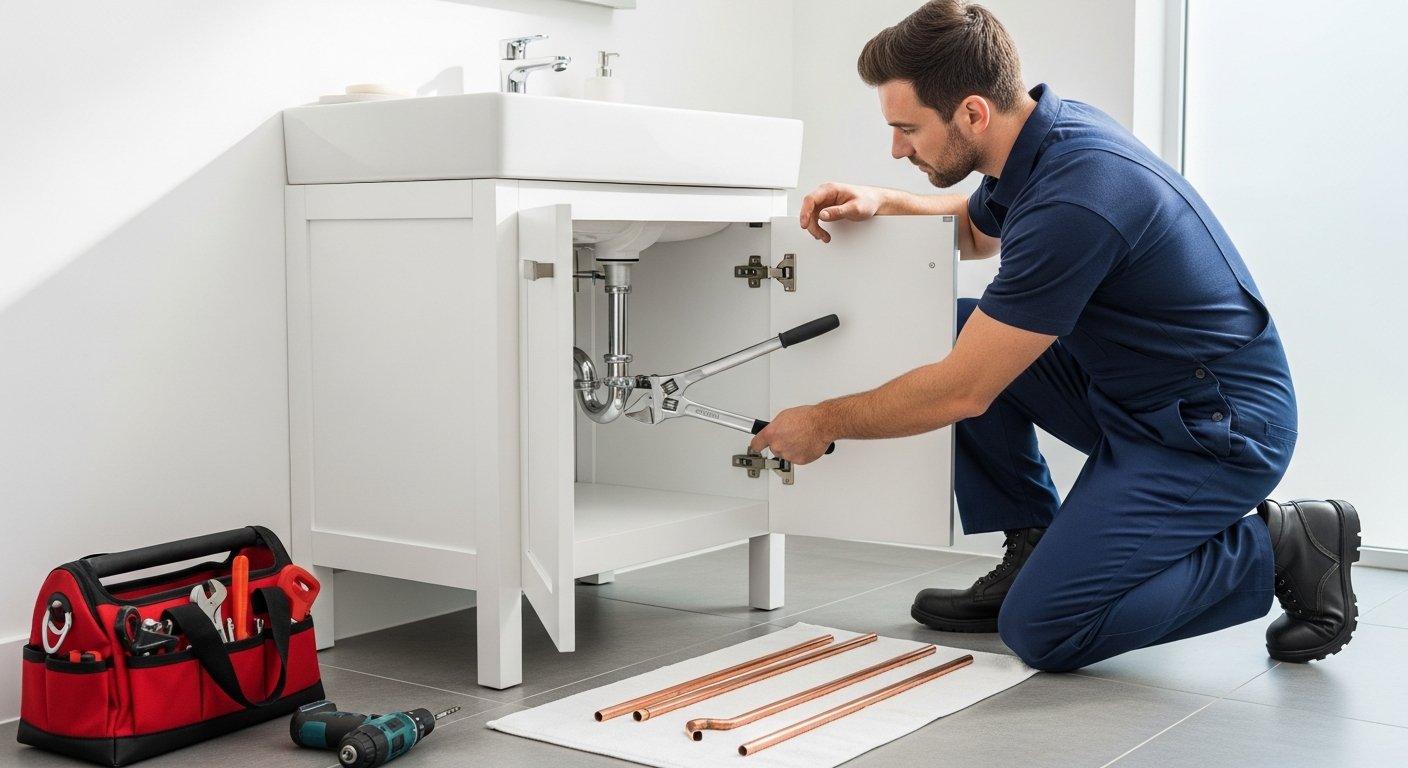
Plumbing Services: How to Choose and Save
Learn how to choose a reliable plumber, understand service costs, and avoid surprise bills with practical tips for every homeowner.

By Joshua Benson
Learn more about Emergency Plumbing for guides, costs, and what to expect.
Compare Emergency Plumbing Pros Near You

Enter your ZIP code to compare top-rated local professionals and request free quotes.
When a pipe bursts or a drain clogs, the need for reliable plumbing services becomes urgent. Yet many homeowners only think about their plumbing system when something goes wrong, which often leads to rushed decisions and inflated costs. Understanding how to evaluate plumbers, what to expect from a service call, and how to budget for repairs or upgrades can save you hundreds of dollars and a great deal of stress. This guide walks you through the essentials of hiring a plumber, common service options, and practical ways to keep your plumbing in top shape without overpaying.
What Do Professional Plumbing Services Cover?
Plumbing is a broad trade that goes far beyond fixing a leaky faucet. Professional plumbers are trained to handle a wide range of systems, from water supply lines and drainage to gas piping and water heaters. When you call a licensed plumber, you are paying for their expertise, their tools, and their ability to diagnose problems accurately. Common services include emergency repairs, fixture installation, drain cleaning, water heater maintenance, and repiping. Some companies also offer specialized services such as sewer line inspection with cameras, tankless water heater installation, and leak detection.
It is helpful to know the difference between a general plumber and a specialist. A general plumber can handle most household issues, but for complex projects like a full bathroom remodel or a sewer line replacement, you may need a contractor with specific experience. Before you book a service, ask what certifications the technicians hold and whether they have handled projects similar to yours. This is especially important if you own an older home with unique piping materials, such as galvanized steel or cast iron, which require different techniques than modern PVC or copper lines.
How to Choose a Reliable Plumber
Selecting the right plumber is not just about finding the lowest price. It is about finding a professional who will do the job correctly the first time, stand behind their work, and treat your home with respect. Start by asking for recommendations from neighbors, friends, or local community groups. Online reviews on platforms like Google and Yelp can also provide insight, but be cautious of reviews that seem overly positive or negative. A pattern of consistent feedback is more reliable than a single glowing testimonial.
Once you have a shortlist, verify that each plumber is licensed and insured. A valid license shows that the plumber has passed required exams and meets state standards. Insurance protects you if something gets damaged during the job or if a worker gets injured on your property. You should also ask for proof of workers' compensation coverage, as you could be held liable for injuries if the plumber is not properly insured. Do not skip this step, even for small jobs, because accidents can happen in any home.
Questions to Ask Before Hiring
To make an informed decision, prepare a few key questions before you call. Here are some questions to ask each candidate, and the answers will help you compare them fairly:
- Are you licensed and insured, and can you provide proof of both?
- Do you offer a written estimate before starting work, and is it binding?
- What is your policy on unexpected issues or additional charges?
- Do you provide a warranty on labor and parts?
- How do you handle emergency calls, and what are your response times?
These questions will reveal a lot about how the plumber operates. A professional who provides clear, written answers is more likely to be transparent about pricing and project scope. On the other hand, vague responses or a reluctance to put things in writing are red flags. Remember that a detailed estimate protects both you and the plumber, as it sets clear expectations for the work to be done.
Understanding Plumbing Service Costs
Plumbing costs can vary widely depending on your location, the complexity of the job, and the plumber's experience. Minor repairs like a toilet flapper replacement might cost between $150 and $300, while a water heater installation can range from $1,000 to $3,500 or more. For larger projects, such as repiping a home or installing a new sewer line, costs can easily exceed $10,000. These figures are only guidelines, and actual quotes will depend on local labor rates, material prices, and the condition of your existing pipes.
It is smart to get at least three written estimates for any non-emergency plumbing job. This allows you to compare not just the total price, but also the scope of work included. A low bid might seem attractive, but it could be based on using cheaper materials or excluding necessary steps like obtaining a permit. Conversely, a high bid might include premium fixtures or a longer warranty. When you review estimates, ask each plumber to break down the costs for labor, materials, and any additional fees. This transparency helps you understand what you are paying for and makes it easier to negotiate.
For those planning a major renovation, it is wise to budget for potential surprises. Old pipes can fail once walls are opened, and plumbing rough-ins might need to be moved to accommodate new layouts. A good contractor will discuss these possibilities upfront and include a contingency amount in your budget. For more detailed cost breakdowns on specific services, you can refer to our guide to plumber pricing in Oklahoma City to see how regional factors affect rates.
Signs You Need Professional Help
Some plumbing issues are obvious, like a visible leak or a complete blockage. Others are more subtle and can worsen over time if ignored. Pay attention to warning signs such as slow drains, gurgling sounds from pipes, low water pressure, or a sudden increase in your water bill. These symptoms can indicate a hidden leak, a broken sewer line, or mineral buildup in your pipes. Addressing these issues early can prevent costly damage to your floors, walls, and foundation.
Another common sign is water discoloration or a metallic taste. This can signal rust in your pipes or issues with your water heater. If you notice any of these problems, schedule an inspection with a licensed plumber. They can perform a camera inspection of your sewer line or test your water pressure to identify the root cause. While a diagnostic visit costs money, it is far less expensive than repairing water damage or replacing a ruined floor. In some cases, a small repair today can save you from a full repiping project tomorrow.
DIY vs. Hiring a Professional
Many homeowners enjoy tackling small plumbing tasks themselves, such as replacing a faucet washer or clearing a slow drain with a plunger. These simple fixes can save money and give you a sense of accomplishment. However, it is important to know your limits. Attempting to repair a gas line, replace a water heater, or dig up a sewer line without proper training can lead to serious injuries, code violations, or expensive damage. Plumbers spend years learning how to handle these systems safely, and their expertise is worth the cost.
A good rule of thumb is to DIY only when you are confident in your skills and the job involves no risk of water damage or personal injury. For anything involving gas, main water lines, or complex drainage systems, call a professional. Even for medium-level tasks like installing a new toilet or a garbage disposal, consider the cost of tools and the potential for mistakes. Sometimes, a professional can complete the job in an hour with parts they have on hand, while a DIY attempt might take an entire weekend and require multiple trips to the hardware store.
How to Save Money on Plumbing Services
Plumbing repairs are rarely cheap, but there are ways to reduce your expenses without sacrificing quality. The most effective strategy is regular maintenance. Simple habits like cleaning your drain traps, checking for leaks under sinks, and flushing your water heater annually can prevent major breakdowns. When you do need a plumber, scheduling during regular business hours instead of on weekends or holidays can lower your bill significantly. Emergency callouts often come with premium rates, so if the issue is not urgent, wait until the next business day.
Another way to save is by getting multiple quotes and being upfront about your budget. Some plumbers are willing to work with you on pricing, especially if you can be flexible with scheduling. Additionally, consider buying your own fixtures or parts if you have the knowledge to choose the right ones. This can reduce the overall cost, as plumbers often mark up materials. However, confirm with the plumber beforehand that they are comfortable installing customer-supplied parts, as some companies have policies against it.
For those facing a large project like a bathroom remodel or a repipe, financing options can make the cost more manageable. Many plumbing companies offer payment plans or partnerships with financing companies, which allow you to pay over time. Just be sure to read the terms carefully and understand the interest rates. For more insights into managing renovation budgets, you might find our overview of plumbing costs in New York City useful, as it shows how geographic location impacts pricing.
Emergency Plumbing: What to Do
Plumbing emergencies, such as a burst pipe or an overflowing toilet, require immediate action to minimize damage. The first step is to shut off the main water supply to your home. Locate the shutoff valve, usually near the water meter or where the main line enters the house, and turn it clockwise until it stops. This will stop the flow of water and give you time to assess the situation. Next, turn off your water heater to prevent damage from overheating or pressure buildup.
Once the water is off, call a licensed plumber who offers emergency services. Many companies have 24/7 hotlines, and some will prioritize calls based on severity. Describe the issue clearly so they can bring the right tools and parts. While you wait, try to contain any standing water with towels or a wet vacuum, and move valuable items away from the affected area. Taking these quick steps can prevent costly water damage and make the plumber's job easier.
After the emergency is resolved, schedule a follow-up inspection to ensure there is no hidden damage. Water can seep into walls and under floors, leading to mold or structural issues if not addressed. A professional can use moisture meters and cameras to check for problems that are not visible to the naked eye. This extra step is worth the peace of mind, especially after a major leak.
Preventive Maintenance for Your Plumbing System
Routine maintenance is the best way to extend the life of your plumbing and avoid unexpected breakdowns. At least once a year, have a plumber perform a comprehensive inspection of your pipes, fixtures, and water heater. They can check for corrosion, leaks, and signs of wear that you might not notice. They can also test your water pressure and flush your water heater to remove sediment buildup, which improves efficiency and prevents premature failure.
In addition to professional inspections, there are simple habits you can adopt at home. Avoid pouring grease or oil down your drains, as they can solidify and cause blockages. Use drain strainers to catch hair and food particles, and clean them regularly. Do not use chemical drain cleaners too often, as they can damage your pipes over time. Instead, use a mixture of baking soda and vinegar followed by hot water for mild clogs. These small actions can add up to significant savings by reducing the frequency of plumbing calls.
If you are planning a major home improvement project that involves plumbing, such as a kitchen remodel or adding a bathroom, it is essential to work with a licensed plumber from the start. They can advise on the best pipe materials, fixture placement, and code requirements. Attempting to do the plumbing yourself can lead to violations and costly rework. For a deeper look at how plumbing fits into renovation planning, our plumbing cost guide for Oklahoma City offers a detailed breakdown of typical expenses.
Making the Right Choice for Your Home
Choosing the right plumbing professional is about more than fixing a current problem; it is about building a relationship with someone you can trust for years to come. A good plumber will take the time to explain issues, offer preventive advice, and stand behind their work. When you find a plumber who meets these criteria, keep their contact information handy and consider enrolling in a maintenance plan if they offer one. Many companies provide annual inspections at a discounted rate, which can catch problems before they become emergencies.
Finally, remember that the cheapest quote is not always the best value. Weigh the reputation, experience, and warranty offered by each plumber. A slightly higher upfront cost can save you money in the long run if it means the job is done correctly and guaranteed. By taking the time to research, compare, and plan, you can ensure that your home's plumbing remains reliable and your budget stays intact.
Learn more about Emergency Plumbing for guides, costs, and what to expect.
Compare Emergency Plumbing Pros Near You
Enter your ZIP code to compare top-rated local professionals and request free quotes.