
Hiring Specialists for Historic Home Restoration Projects
Hiring specialists for historic home restoration projects protects your investment. Call 8333658755 for expert guidance today.

By Roland Grier
Learn more about Home Remodeling for guides, costs, and what to expect.
Compare Home Remodeling Pros Near You

Enter your ZIP code to compare top-rated local professionals and request free quotes.
Restoring a historic home is equal parts privilege and puzzle. Behind the cracked plaster, hand-cut joists, and wavy glass windows lies a structure that predates modern building codes, and that is exactly why hiring specialists for historic home restoration projects matters more than it does for a typical remodel. A contractor who excels at new construction can easily damage century-old masonry, strip irreplaceable trim, or trigger a failed inspection from a local preservation commission. The right specialist understands both the craft and the compliance side, and that combination protects your investment, your timeline, and the architectural character that made you fall in love with the property in the first place.
Why Historic Homes Demand a Different Kind of Contractor
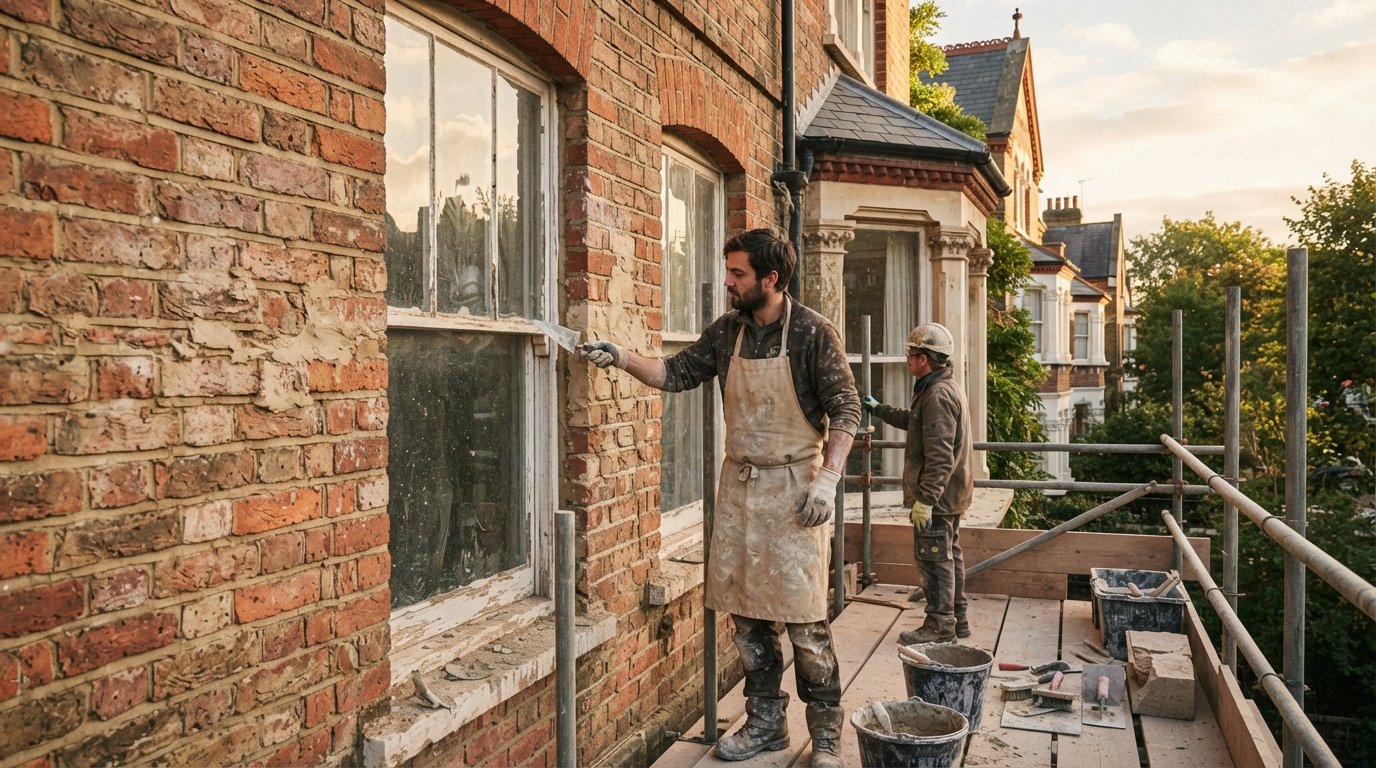
Homes built before 1950 often use materials and methods that have no modern equivalent. Lime mortar, horsehair plaster, old-growth timber, lead paint, knob-and-tube wiring, and single-pane wood windows all behave differently from their contemporary replacements. A general remodeler may default to cement mortar for repointing a brick facade, not realizing that hard mortar traps moisture and slowly destroys soft historic brick. A preservation mason knows to match the original mortar's flexibility, color, and aggregate so the wall can breathe the way it has for a century.
Beyond materials, historic properties frequently sit inside local historic districts or appear on national and state registers. Those designations come with review processes, design guidelines, and sometimes tax credit programs that reward careful work. Specialists who work in this niche know how to prepare applications, document existing conditions, and present plans that satisfy a preservation commission on the first submission rather than the third.
There is also a practical financial angle. Improper repairs on a historic structure can reduce resale value, void preservation easements, and disqualify you from rehabilitation tax incentives. Hiring a specialist is not a luxury upgrade; it is risk management for one of the largest assets you will ever own.
What Specialists Actually Do That Generalists Cannot
A true historic restoration specialist brings a toolkit that spans craft, research, and paperwork. On the craft side, they can replicate period millwork, source salvaged hardware, repair rather than replace original windows, and mix custom plaster to match existing textures. On the research side, they dig into archival photos, sanborn maps, and original blueprints to guide accurate reconstruction. On the compliance side, they manage permits, easements, and tax credit documentation.
That breadth shows up in the day-to-day scope of work. Typical responsibilities you should expect a specialist to handle include:
- Performing a conditions assessment that separates cosmetic wear from structural failure
- Matching historic materials such as lime mortar, heart pine, slate, and cast iron
- Preparing preservation commission applications and attending hearings on your behalf
- Coordinating specialty trades like plasterers, tinners, and stained glass artisans
- Documenting the project for historic tax credit and insurance purposes
Each of those items carries real cost and schedule consequences when done poorly. A missed conditions assessment can hide rot behind a beautiful facade. A mismatched mortar can fail within two winters. An incomplete tax credit application can cost you thousands in forgone credits. The specialist's value is not just labor; it is judgment earned through repeated exposure to the same problems.
How to Vet a Historic Restoration Specialist
Not everyone who claims preservation experience actually has it. The vetting process for this niche goes deeper than the standard license and insurance check because so much of the work is judged on craftsmanship and compliance history. Start by asking for projects completed in the last five years that are similar in era, style, and scope to yours. Then verify the details rather than accepting a portfolio at face value.
A practical verification sequence looks like this:
- Confirm licensure, bonding, and insurance in your state, plus any specialty certifications
- Request three references from projects in designated historic districts
- Ask whether the firm has worked with your local preservation commission before
- Review sample tax credit applications or design review submissions they prepared
- Walk a completed project in person if geography allows
During that process, listen for the language specialists use. They will talk about reversibility, minimal intervention, and matching rather than replacing. They will ask about your home's history before quoting a price. They will mention the Secretary of the Interior's Standards for Rehabilitation without prompting. If a contractor talks only about speed and budget, keep looking.
It also helps to structure the search the same way you would for any major renovation. In our guide on submitting a renovation project for quotes, we explain how to write a scope that attracts qualified bidders and filters out the rest, and that approach works especially well when the pool of preservation contractors in your area is small.
Costs, Tax Credits, and Realistic Budgeting
Historic restoration typically costs 20 to 50 percent more than a comparable modern renovation, and in some categories the gap is wider. Custom millwork, hand-mixed plaster, and salvaged materials carry premiums, and specialty trades often charge hourly rates well above market averages. Add design review fees, archival research, and tax credit documentation, and the line items multiply quickly.
Offsetting those costs are incentive programs that reward careful work. The federal historic rehabilitation tax credit can cover a meaningful percentage of qualified expenses for income-producing properties, and many states offer their own credits for owner-occupied homes. Local programs sometimes provide grants or property tax abatements for facade restoration. A good specialist will identify which incentives apply to your property and build the documentation into the project plan from day one.
Budgeting also requires a contingency larger than usual. Older homes hide surprises behind every wall: rotted sill plates, abandoned chimneys, undocumented additions, and outdated mechanical systems. A 20 percent contingency is a reasonable starting point, and a specialist will help you prioritize which discoveries must be addressed immediately and which can wait for a future phase.
When you are ready to compare bids, having a clear scope and a realistic number in mind makes the process far smoother. Platforms like FreeQuotes.Contractors let you request multiple no-obligation estimates from vetted local professionals, which is especially useful when you want to benchmark preservation pricing against standard renovation pricing in your region.
Red Flags and Warning Signs
The preservation field attracts genuine craftspeople, but it also attracts contractors who use the word historic as a marketing label. Learning to spot the difference early saves time and money. The clearest red flags cluster around how a contractor talks about original materials, permits, and the review process.
Watch for these warning signs during interviews and site visits:
- Recommendations to replace original windows, doors, or trim with modern substitutes
- Reluctance to pull permits or to engage with a local preservation commission
- No portfolio of completed work in designated historic districts
- Vague answers about mortar composition, plaster mixes, or material sourcing
- Pressure to sign quickly or to pay large deposits upfront
Any one of those signals warrants a second look. Two or more together usually mean the contractor is not the right fit for a historically significant property, regardless of how impressive the general portfolio looks.
Managing the Project Once Work Begins
Even with the right specialist on board, historic restoration projects require active management. Change orders are common because conditions behind walls are rarely what anyone expects. Establish a communication rhythm early: weekly walkthroughs, written daily logs, and a shared photo archive of every stage. Those records protect you if questions arise later from an insurer, a preservation commission, or a future buyer.
Payment schedules should be tied to milestones rather than calendar dates, and retainage should be held until final inspection and punch list completion. If the project involves tax credits, coordinate with your accountant before work begins so that qualified expenses are documented correctly from the first invoice. And keep a running file of approvals, product data sheets, and material samples; that archive becomes invaluable if you ever sell the property or pursue additional phases.
Finally, remember that restoration is a marathon. A thoughtful specialist will help you phase the work so that structural and envelope issues come first, systems second, and cosmetic finishes last. That sequencing protects the building, respects your budget, and keeps the project moving forward without sacrificing the craftsmanship that makes historic homes worth saving.
Hiring specialists for historic home restoration projects is ultimately about stewardship. The right team treats your house as a document to be preserved rather than a blank slate to be reinvented, and that mindset shows in every joint, every finish, and every approval letter that lands in your file. Take the time to vet carefully, budget realistically, and manage actively, and the result will be a home that serves your family for another century.