
Hardwood vs Laminate vs Vinyl Flooring: Full Comparison
Compare hardwood, laminate, and vinyl flooring on cost, durability, and maintenance to find the best fit for your home and budget.

By Peter Hubert
Learn more about Floor Installation or Replacement for guides, costs, and what to expect.
Compare Floor Installation or Replacement Pros Near You

Enter your ZIP code to compare top-rated local professionals and request free quotes.
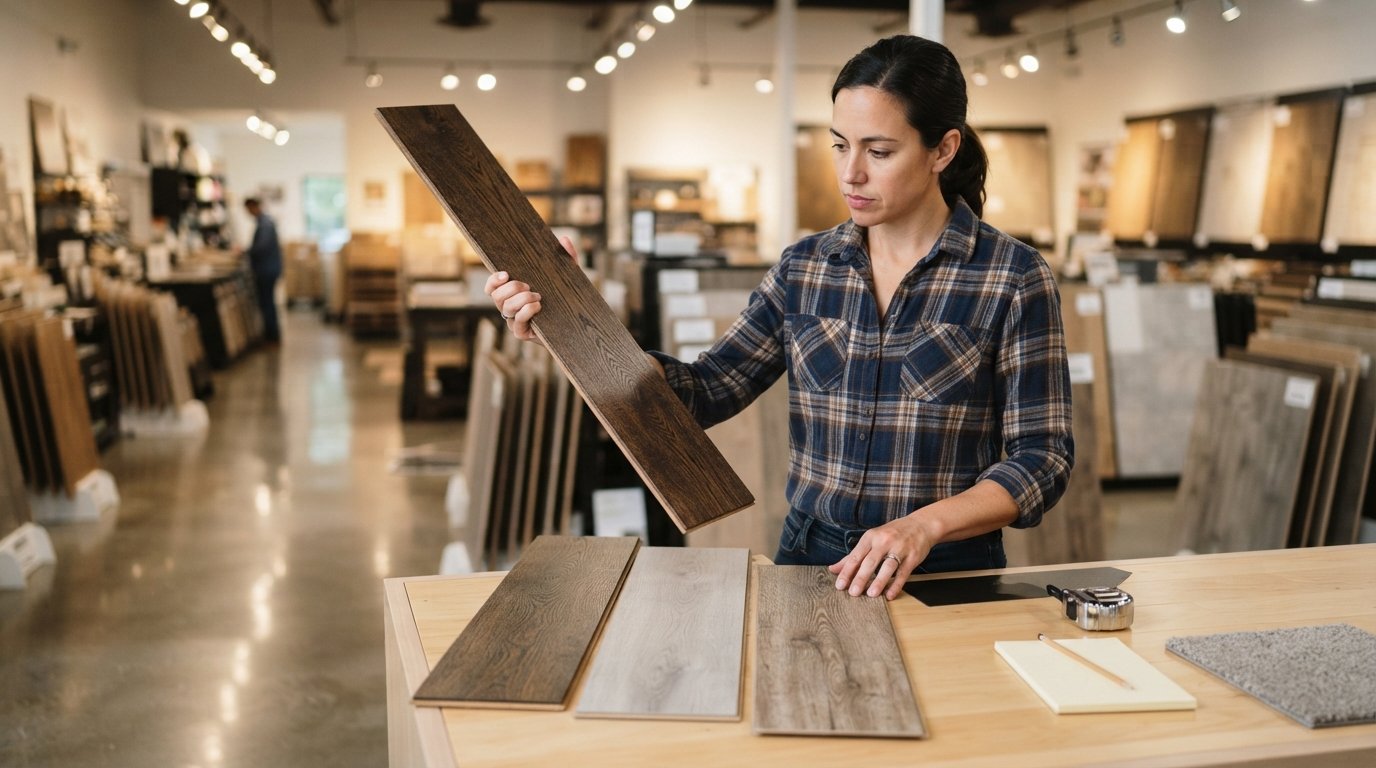
Standing in a flooring showroom, you face a wall of samples that all look similar but promise very different results. The choice between hardwood, laminate, and vinyl flooring is one of the most common dilemmas for homeowners, and it is not just about looks. Your decision will affect your budget, your daily routine, and your home's resale value for years to come. This guide breaks down the real differences in cost, durability, maintenance, and performance, so you can choose the right floor for your lifestyle without overpaying.
Why This Comparison Matters for Your Home
Flooring is not a minor upgrade. It covers the largest surface area in your home and takes constant abuse from foot traffic, spills, pets, and furniture. Choosing the wrong material can lead to premature wear, costly repairs, and dissatisfaction within a few years. On the other hand, the right floor can last decades, boost your home's comfort, and even increase its market value.
The three most popular options today are hardwood, laminate, and vinyl plank. Each has its own set of strengths and weaknesses, and the best choice depends on factors like your budget, the room's location, your family's habits, and how long you plan to stay in the house. This hardwood vs laminate vs vinyl flooring comparison will help you evaluate each option against your specific needs, not just generic marketing claims.
Before diving into the details, consider the core trade-off: hardwood offers authenticity and longevity at a higher cost, while laminate and vinyl provide affordable durability with some aesthetic compromises. There is no universal winner, only the best fit for your situation.
Hardwood Flooring: The Timeless Standard
Hardwood flooring is made from solid or engineered wood planks. Solid hardwood is exactly what it sounds like: a single piece of wood, typically 3/4 inch thick. Engineered hardwood consists of a thin layer of real wood veneer bonded over multiple layers of plywood or high-density fiberboard. Both types deliver the natural grain, warmth, and character that only genuine wood can offer.
The aesthetic appeal of hardwood is unmatched. It adds a sense of permanence and quality to any room, and it can be refinished multiple times over its life, which means a scratched or dull floor can be restored rather than replaced. Homes with hardwood floors often sell faster and at higher prices, making it a solid investment for resale.
However, hardwood comes with significant responsibilities. It is susceptible to water damage, scratches, and dents. Spills must be wiped up quickly, and high-heeled shoes or pet claws can leave permanent marks. Solid hardwood is also sensitive to humidity and temperature changes, which can cause it to expand, contract, or even warp in basements or bathrooms. Engineered hardwood is more stable but still not waterproof.
Installation is another consideration. Hardwood requires a professional installer, and the process involves acclimation time, nailing or gluing, sanding, and finishing. This labor intensity is reflected in the higher installation costs, which often equal or exceed the material cost. The result is a premium price tag that can range from $8 to $15 per square foot installed, making it the most expensive option in this comparison.
When Hardwood Makes Sense
Choose hardwood if you prioritize authenticity, long-term value, and the ability to refinish. It is ideal for living rooms, dining rooms, and bedrooms in climates with stable humidity. If you plan to live in your home for a decade or more, the investment often pays off. On the other hand, avoid hardwood in kitchens, bathrooms, or basements where moisture is a constant threat.
For those who love the look but need more moisture resistance, engineered hardwood can be a compromise, but it still cannot tolerate standing water. If you are considering hardwood for a specific project, our guide on Columbia SC flooring: best prices on laminate, vinyl and wood offers region-specific insights that may help you decide.
Laminate Flooring: The Budget-Friendly Wood Look
Laminate flooring is a synthetic product made from a high-density fiberboard core topped with a photographic image of wood (or stone) and a clear protective wear layer. It is designed to mimic the look of hardwood at a fraction of the cost. Modern printing technology has made laminate very convincing, with realistic grain textures and even embossed ridges.
The biggest advantage of laminate is its price. Materials typically cost between $2 and $5 per square foot, with installation adding another $2 to $4, bringing the total to roughly $4 to $9 per square foot installed. That is about half the cost of hardwood. Laminate is also one of the easiest floors to install for DIYers, thanks to its click-lock or glue-less tongue-and-groove system. Many homeowners install laminate over a weekend without any professional help.
In terms of durability, laminate holds up well against scratches and stains. The wear layer is tough, and the fiberboard core resists denting better than real wood. This makes laminate a practical choice for busy households with children and pets. However, laminate is not waterproof. Moisture can seep into the seams and cause the core to swell, leading to warping and permanent damage. It also cannot be refinished; once the surface is worn or damaged, the entire plank must be replaced.
Another downside is the feel underfoot. Laminate can sound hollow and feels harder than wood, and it lacks the warmth and acoustics of natural timber. While it looks good from a distance, close inspection can reveal the photographic pattern, especially in lower-quality products. Despite these drawbacks, laminate remains a top choice for budget-conscious homeowners who want a wood look without the price tag.
Laminate's Sweet Spot
Laminate is best for living areas, bedrooms, and hallways where moisture is not a concern. It is an excellent choice for rental properties, first-time buyers, or anyone who wants a fresh look without a large upfront investment. If you are considering laminate for a specific area, you might also explore our detailed cost guides to refine your budget.
Vinyl Flooring: The Waterproof Contender
Vinyl flooring has evolved dramatically in recent years. Luxury vinyl plank (LVP) and luxury vinyl tile (LVT) are now engineered to look remarkably like wood and stone, with realistic textures and colors. Vinyl is made from multiple layers of PVC, including a rigid or flexible core, a printed design layer, and a clear wear layer. The result is a floor that is completely waterproof, extremely durable, and surprisingly comfortable underfoot.
The standout feature of vinyl is its water resistance. It can be installed in kitchens, bathrooms, basements, and laundry rooms without worrying about spills or moisture. This makes it the most versatile option in this comparison. Vinyl is also softer and warmer than laminate, with a slight give that feels more forgiving on joints. It absorbs sound better than laminate, reducing the hollow echo that often plagues synthetic floors.
Cost-wise, vinyl sits between laminate and hardwood. Quality LVP ranges from $3 to $7 per square foot for materials, with installation adding $2 to $5, bringing the total to about $5 to $12 per square foot installed. Higher-end rigid core vinyl with thicker wear layers can approach hardwood prices, but the waterproof benefit often justifies the extra cost for moisture-prone areas.
Vinyl is also available in two main installation types: glue-down and click-lock. Glue-down is more permanent and requires a smooth subfloor, while click-lock is floating and can be installed over existing floors with minimal preparation. The floating option is DIY-friendly, though professional installation ensures the best results, especially for large rooms or complex layouts.
The main drawback of vinyl is that it is a synthetic product. It does not add the same resale value as hardwood, and some homeowners dislike the plastic feel. Additionally, extremely cheap vinyl can look obviously fake, so it is worth investing in a mid-range or premium product with a thick wear layer (at least 12 mil) for better durability and realism.
Vinyl's Ideal Use Cases
Vinyl is the clear winner for kitchens, bathrooms, basements, and mudrooms. It is also a great choice for households with heavy foot traffic, pets, or kids who are prone to spills. If you want the look of wood without the fear of water damage, vinyl delivers peace of mind. For a comprehensive view of vinyl pricing and options, consider our regional flooring guides, which include detailed cost breakdowns.
Cost Comparison: Upfront and Long-Term
When comparing costs, look beyond the sticker price. The table below summarizes typical installed costs per square foot for each material, but remember that these are national averages and can vary based on quality, region, and labor rates.
- Hardwood: $8 to $15 per square foot installed. This includes materials, labor, and finishing. Refinishing every 5 to 10 years costs an additional $3 to $5 per square foot.
- Laminate: $4 to $9 per square foot installed. DIY installation can reduce costs to as low as $2 per square foot, but professional installation ensures better seams and longevity.
- Vinyl: $5 to $12 per square foot installed. Premium rigid core vinyl with thicker wear layers falls at the higher end, but the waterproof benefit can save money on future repairs.
Over a 20-year period, hardwood can be refinished two or three times, adding to its total cost but also extending its life. Laminate and vinyl typically need replacement after 10 to 20 years, depending on wear. Hardwood, with proper care, can last 50 to 100 years, making it the most cost-effective option in the long run if you plan to stay in your home.
However, the initial investment difference is substantial. A 500 square foot room costs roughly $4,000 to $7,500 for hardwood, $2,000 to $4,500 for laminate, and $2,500 to $6,000 for vinyl. For many homeowners, the lower upfront cost of laminate or vinyl makes them more accessible, especially when renovating multiple rooms at once.
Durability and Maintenance: Real-World Performance
Durability is about more than just scratch resistance. It involves how the floor handles daily life, including impacts, stains, moisture, and sunlight. Here is how each material performs under stress:
- Hardwood: Scratches and dents easily, but can be sanded and refinished to restore the surface. It is vulnerable to water and humidity, which can cause cupping, warping, and gaps. Requires regular sweeping and occasional recoating with polyurethane.
- Laminate: Scratch-resistant due to its wear layer, but the fiberboard core swells when exposed to prolonged moisture. It is not waterproof, so spills must be wiped immediately. Cannot be refinished; damaged planks must be replaced. Easy to clean with a damp mop and pH-neutral cleaner.
- Vinyl: Waterproof and highly resistant to scratches and stains. It handles heavy foot traffic well, though sharp objects can puncture the surface. The wear layer protects against fading, but some vinyl can yellow with prolonged sun exposure. Cleaning is simple: sweep and mop with a mild cleaner.
In terms of maintenance, vinyl is the easiest. It requires no special treatments, and its waterproof nature means you do not have to worry about spills. Laminate is also low-maintenance, but you must be vigilant about moisture. Hardwood demands the most care, including using felt pads on furniture, trimming pet nails, and maintaining proper indoor humidity levels.
Environmental and Health Considerations
If sustainability is a priority, hardwood from certified sustainable forests is a renewable resource, and its long lifespan reduces replacement waste. However, the manufacturing process and finishes can involve volatile organic compounds (VOCs). Laminate and vinyl are petroleum-based products, and their production is less eco-friendly. Vinyl, in particular, has raised concerns about phthalates and other chemicals, though many modern products are now certified low-VOC and phthalate-free.
For indoor air quality, look for products with third-party certifications like FloorScore or GREENGUARD. Hardwood with water-based finishes emits fewer VOCs than oil-based alternatives. Laminate and vinyl should be acclimated and aired out before installation to reduce initial odors.
If you have allergies, all three materials are better than carpet because they do not trap dust, pollen, or pet dander. Vinyl and laminate have smooth surfaces that are easy to clean, making them excellent choices for allergy sufferers.
The Installation Factor: DIY vs. Professional
Installation complexity varies significantly. Hardwood requires specialized tools and skills, including nailing, sanding, and finishing. It is almost always a professional job, and mistakes can be costly. Laminate and vinyl (especially click-lock) are designed for DIY installation, but improper subfloor preparation or leaving too little expansion gap can lead to buckling or gaps later. Professional installation is recommended for large areas or if you are not confident in your skills.
When you hire a professional, you also get a warranty on the installation, which is important for laminate and vinyl where improper installation is a common cause of failure. For hardwood, professional installation is non-negotiable to ensure a smooth, level floor and a proper seal.
Before you decide, obtain multiple quotes from licensed contractors. Use a platform like FreeQuotes.Contractors to compare bids from pre-vetted local professionals, ensuring you get a fair price and quality workmanship. This step is especially valuable for hardwood and vinyl installations where labor costs are a significant portion of the total.
Making the Final Choice: A Practical Framework
To simplify your decision, ask yourself these key questions:
- What is your budget? If you need to spend under $5 per square foot, laminate is your best bet. Vinyl is a step up in durability and water resistance, while hardwood is a premium investment.
- Where will the floor be installed? For kitchens, bathrooms, or basements, vinyl is the only safe choice. For living areas and bedrooms, any of the three work, but hardwood adds the most value.
- How much foot traffic and wear will the floor see? Vinyl handles heavy traffic best, while hardwood requires more care. Laminate is a middle ground but is not waterproof.
- Do you plan to sell your home soon? Hardwood appeals to most buyers and can increase resale value. Laminate and vinyl may not offer the same return but are attractive to budget-conscious buyers.
- Are you comfortable with maintenance? If you want a set-and-forget floor, vinyl wins. If you enjoy the ritual of caring for natural wood and are willing to refinish it periodically, choose hardwood.
After answering these questions, you will likely have a clear frontrunner. For most families, a combination of materials makes sense: vinyl in wet areas and high-traffic zones, and hardwood or laminate in living spaces and bedrooms. This hybrid approach balances cost, durability, and aesthetics.
Remember that flooring is a long-term investment. It is worth spending a little more for quality materials and professional installation, as these factors directly affect the floor's lifespan and your satisfaction. Always request samples and place them in your home to see how they look in your lighting before committing.
Finally, do not overlook the importance of a good underlayment for laminate and vinyl. It provides cushioning, reduces noise, and in the case of vinyl, can help level minor subfloor imperfections. Your contractor can advise on the right underlayment for your subfloor type.
In summary, the hardwood vs laminate vs vinyl flooring comparison comes down to your priorities. Hardwood offers timeless beauty and long-term value, laminate offers affordability and ease, and vinyl offers waterproof durability and versatility. By weighing these factors against your lifestyle and budget, you can make a choice that you will be happy with for years to come.