
What Happens If Contractors Do Not Respond? A Homeowner Guide
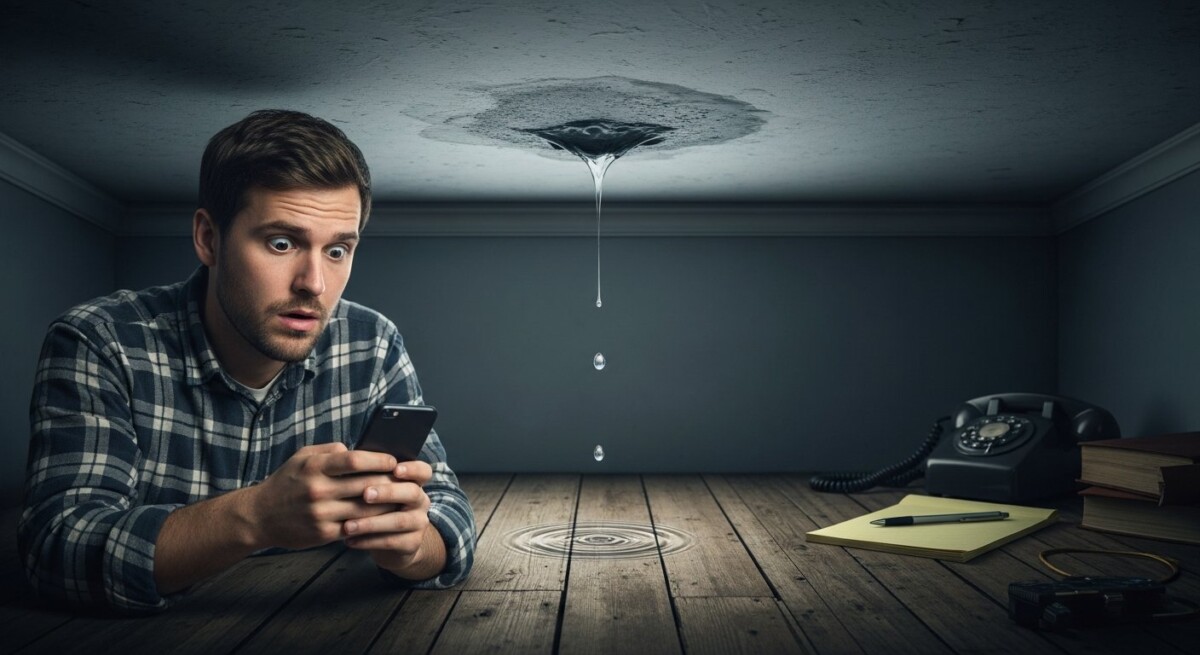
You’ve noticed a leaky roof, a cracked foundation, or an HVAC system that sounds like it’s gasping for air. You call a few contractors, leave messages, and wait. Days pass, then a week. Your inbox stays empty, and your home’s problem isn’t going away. This frustrating scenario is more common than you might think, and it leaves many homeowners wondering: what happens if contractors do not respond to my request for help?
When contractors are unresponsive, the immediate issue,whether it’s a small plumbing drip or a missing shingle,tends to worsen. Water damage spreads, energy bills climb, and small cracks become large structural concerns. The longer you wait, the more complicated (and expensive) the repair becomes.
Understanding what happens if contractors do not respond isn’t just about frustration; it’s about protecting your home’s value and your family’s safety. This article walks you through the real risks, common warning signs, and practical steps you can take to get the professional help your home deserves.
Understanding what happens if contractors do not respond
At its core, what happens if contractors do not respond refers to the chain of negative events that unfold when a homeowner cannot secure timely professional help. It often begins with a legitimate need,a repair, a remodel, or an inspection,and ends with a problem that has grown in scope and cost.
Contractors may not respond for several reasons: they are overbooked, they specialize in larger projects, or they simply lack the capacity to take on new work. Some may not respond because the job seems too small or too complex for their typical workflow. In other cases, homeowners may not have provided enough detail for a contractor to give a meaningful estimate.
Homes most affected by this issue are often older properties with deferred maintenance, or homes in areas where demand for skilled labor outpaces supply. If you live in a region with a booming housing market or seasonal weather pressures,like the Gulf Coast or Northeast,you may find that contractors are harder to reach during peak seasons.
Why silence can signal a deeper problem
When contractors go silent, it’s tempting to assume they’re just busy. But sometimes, unresponsiveness indicates that your project doesn’t fit their business model, or that they’ve flagged it as high-risk. For example, a roofer might avoid a job that requires extensive structural work because it involves complications they’d rather not handle.
This silence also creates a dangerous delay. A small roof leak that could have been patched for a few hundred dollars may rot the underlying plywood and damage interior ceilings, turning into a multi-thousand-dollar replacement. The same applies to foundation cracks, mold growth, or electrical faults,each day without a contractor’s response adds to the potential damage.
Why This Matters for Your Home
Ignoring or delaying repairs because you can’t reach a contractor doesn’t make the problem disappear. In fact, the opposite is true: problems compound. A slow drain might clog completely, a flickering light could indicate faulty wiring, and a small patch of peeling paint might hide water intrusion that leads to rot.
Safety is the most urgent concern. Unaddressed electrical or gas issues can create fire or explosion hazards. Structural weaknesses, even minor ones, can compromise your home’s ability to withstand storms or heavy snow. If you have children or elderly family members living with you, the stakes are even higher.
Your home’s value also takes a hit. When it comes time to sell, even minor unresolved issues will show up on a home inspection report, and buyers will negotiate for repairs or price reductions. By not acting early, you risk losing thousands of dollars in equity.
If you notice signs of this issue in your home, it may help to speak with a qualified contractor. Request a free quote or call 1-800-555-0199 to explore your repair or remodeling options.
Common Problems Homeowners Experience
When contractors don’t respond, homeowners are left to manage problems alone, often making things worse. One of the most common experiences is watching a small issue morph into an emergency. A dripping pipe ignored for two weeks can lead to mold behind drywall, which then requires mold remediation, drywall replacement, and repainting,all because no plumber returned the initial call.
Another frequent problem is the temptation to attempt a DIY fix. While some homeowners are handy, most lack the tools, training, and insurance to handle complex repairs safely. A botched DIY job can void your homeowner’s insurance coverage, leaving you fully responsible for any resulting damage.
Here are some of the most common issues homeowners face when contractors are unresponsive:
- Visible damage worsens: Cracks in walls or foundations expand, and water stains spread across ceilings.
- Performance problems escalate: HVAC systems that run inefficiently drive up energy bills and may fail completely during extreme weather.
- Structural concerns develop: Minor rot or termite damage can weaken load-bearing beams over time.
- Aging materials fail: Old roofs, windows, or siding that needed a simple repair may now require full replacement.
- Health hazards emerge: Mold, mildew, and pest infestations thrive in damp, neglected areas.
- Insurance claims get denied: If damage is deemed due to neglect, your policy may not cover the repair costs.
How Professionals Solve the Problem
Experienced contractors bring more than just tools to a job,they bring a systematic approach that saves you time, money, and stress. When you finally connect with a qualified professional, they begin by diagnosing the root cause of the issue, not just the symptom. A good contractor will inspect the area, take measurements, and identify any hidden damage that you might have missed.
Professional work is almost always safer and more reliable than DIY fixes. Licensed contractors carry insurance, follow local building codes, and guarantee their work. If something goes wrong, you have recourse. With a DIY job, you’re on your own.
Here is the typical process a professional follows for a repair or installation:
- Inspection and assessment: The contractor visits your home, evaluates the problem, and discusses your goals.
- Detailed quote: You receive a written estimate that breaks down materials, labor, timeline, and any permit costs.
- Scheduling and prep: The team orders materials, secures permits if needed, and protects your property before starting work.
- Execution: Repairs or installations are completed according to industry best practices and local codes.
- Cleanup and final walkthrough: The job site is cleaned, and you inspect the work to ensure it meets your expectations.
A professional inspection can reveal hidden issues before they become expensive repairs. Compare contractor quotes here or call 1-800-555-0199 to discuss your project.
Warning Signs You Should Not Ignore
Early detection is your best defense against escalating repair costs. By recognizing warning signs before they become critical, you can act quickly,even if you need to contact multiple contractors to get a response. Trust your instincts: if something looks, sounds, or smells wrong, it probably is.
Many homeowners delay because they assume the problem will stabilize. But in construction and home systems, problems rarely fix themselves. Water always finds the path of least resistance, cracks will propagate under stress, and pests will multiply in hidden spaces. Here are warning signs that demand immediate attention:
- Water stains or discoloration on ceilings, walls, or floors,even if they seem dry.
- Musty odors or visible mold, which indicate persistent moisture and potential health risks.
- Unexplained spikes in utility bills, often caused by failing insulation, leaky ducts, or inefficient appliances.
- Cracks in brick, stucco, or drywall that are wider than a quarter-inch or that grow over time.
- Doors or windows that stick or no longer close properly, suggesting foundation movement or swelling frames.
- Rattling, banging, or hissing sounds from plumbing, HVAC, or electrical systems.
What Affects the Cost of Repairs or Installation
Repair and installation costs vary widely based on several factors. The size of the project is the most obvious variable: patching a single shingle costs far less than replacing an entire roof. But even within similar projects, prices can differ based on the materials you choose and the complexity of the work.
Labor requirements also play a major role. If your home has limited access,like a steep roof, a crawlspace, or a finished basement,contractors may charge more because the work is more difficult or time-consuming. The age of your home matters too: older homes often contain outdated materials like lead paint or asbestos, which require special handling and disposal.
Finally, regional differences affect pricing. Labor rates in urban areas tend to be higher than in rural ones, and local permit fees can add to the total. The only way to know exactly what your project will cost is to get a personalized estimate from a licensed contractor.
Costs can vary depending on the condition of your home. The best way to know the price is to get a personalized estimate. Request free quotes from contractors or call 1-800-555-0199 today.
How to Choose the Right Contractor
Finding a contractor who responds promptly and communicates clearly is the first step toward a successful project. But responsiveness alone isn’t enough,you also need someone who is qualified, insured, and experienced in the type of work you need. Taking the time to vet candidates will save you headaches down the road.
Start by asking friends, neighbors, or local online community groups for recommendations. Then, narrow your list by checking online reviews and verifying credentials. A good contractor will be happy to answer your questions and provide references from recent jobs.
Here are five tips for choosing the right contractor:
- Check licenses and insurance: Confirm that the contractor is licensed in your state and carries liability insurance and workers’ compensation.
- Read customer reviews: Look for consistent feedback about timeliness, quality, and communication,not just star ratings.
- Ask for detailed estimates: A good estimate itemizes materials, labor, permits, and timeline. Avoid vague or verbal quotes.
- Compare multiple quotes: Get at least three written estimates to understand the market rate and spot outliers.
- Confirm experience with similar projects: Ask how many jobs like yours the contractor has completed in the past year.
Long-Term Benefits of Professional Work
Investing in professional repairs or installations pays off over the long term. When work is done right the first time, you avoid the frustration and cost of repeat repairs. Professional contractors use high-quality materials and proven techniques that extend the life of your home’s systems and finishes.
Safety is another lasting benefit. A properly installed roof, foundation, or electrical system protects your family from hazards like fire, collapse, or carbon monoxide exposure. Professional work also meets local building codes, which is essential if you ever plan to sell your home,buyers and inspectors will look for permits and code compliance.
Energy efficiency and home value also improve. Sealed windows, insulated attics, and modern HVAC systems reduce monthly utility bills. And when it’s time to sell, a well-maintained home with documented professional repairs commands a higher price and sells faster. In short, professional work isn’t an expense,it’s an investment in your home’s future.
Can I file a complaint if a contractor never responds?
Yes, you can file a complaint with your state’s contractor licensing board or consumer protection office. However, if the contractor never provided a written estimate or signed a contract, your options may be limited. The best approach is to move on and focus on finding a reliable professional through verified review sites and referrals.
How long should I wait for a contractor to respond?
A reasonable response time is 24 to 48 hours during business days. If you haven’t heard back within three business days after leaving a message or sending an email, it’s safe to assume the contractor is not interested or unavailable. Follow up once, then move on to other candidates.
Why do contractors ghost homeowners after giving a quote?
Contractors may ghost homeowners if they realize the project is more complex than initially thought, if they get a larger job that takes priority, or if they suspect the homeowner will be difficult to work with. It’s unprofessional, but it happens. The best defense is to get multiple quotes and choose a contractor who communicates promptly from the start.
What should I do if no contractors respond to my request?
If you’ve contacted several contractors and received no response, try adjusting your approach. Provide more detailed information about your project, including photos and measurements. Also, check if your project is too small for large companies,consider hiring a handyman for minor repairs. Finally, use an online quote service like ContractorHomeQuotes to connect with pre-screened professionals who are actively seeking work.
Is it normal for contractors to be slow to respond in busy seasons?
Yes, it is normal for response times to lengthen during peak seasons, such as spring and summer for roofing or fall for HVAC. However, a truly professional contractor will still acknowledge your inquiry within a day or two, even if they can’t start immediately. Silence beyond 72 hours is a red flag.
Can an unresponsive contractor damage my home’s value?
Indirectly, yes. If a contractor fails to respond and you delay repairs as a result, the underlying problem can worsen and reduce your home’s value. For example, ignoring a foundation crack can lead to structural issues that are expensive to fix and scare off potential buyers.
Should I leave a bad review if a contractor doesn’t respond?
Only leave a review if you had a formal interaction, such as a signed estimate or a scheduled appointment that was missed. Leaving a negative review based solely on a missed phone call may not be fair and could be removed by the review platform. Instead, note the lack of response and move on to more reliable candidates.
How do I ensure contractors will respond to my request?
To improve your chances of a response, provide clear project details, include photos if possible, and specify your timeline. Use a service that connects you with multiple contractors at once, such as ContractorHomeQuotes, which streamlines the process and ensures you receive competitive quotes from professionals who are ready to work.
When a contractor doesn’t respond, the consequences can ripple through your home’s safety, comfort, and value. But you don’t have to wait indefinitely. By understanding the risks, recognizing warning signs early, and using a reliable platform to compare quotes, you can take control of your home improvement projects. Don’t let silence cost you,reach out to multiple professionals today and find the right fit for your home.

About
What Happens If Contractors Do Not Respond? A Homeowner Guide
Learn what happens if contractors do not respond, including risks of delayed repairs, rising costs, and safety hazards. Get tips to find reliable help.
How to Verify Contractor Qualifications Before Hiring
Learn how to verify contractor qualifications step by step. Protect your home and budget by checking licenses, insurance, and experience before hiring.

Get Matched With Local Contractors for Your Home Repairs
Learn how to get matched with local contractors for home repairs and renovations. Compare free quotes from vetted pros and protect your home investment.
Find a Pro!
"*" indicates required fields