
How to Verify Contractor Qualifications Before Hiring
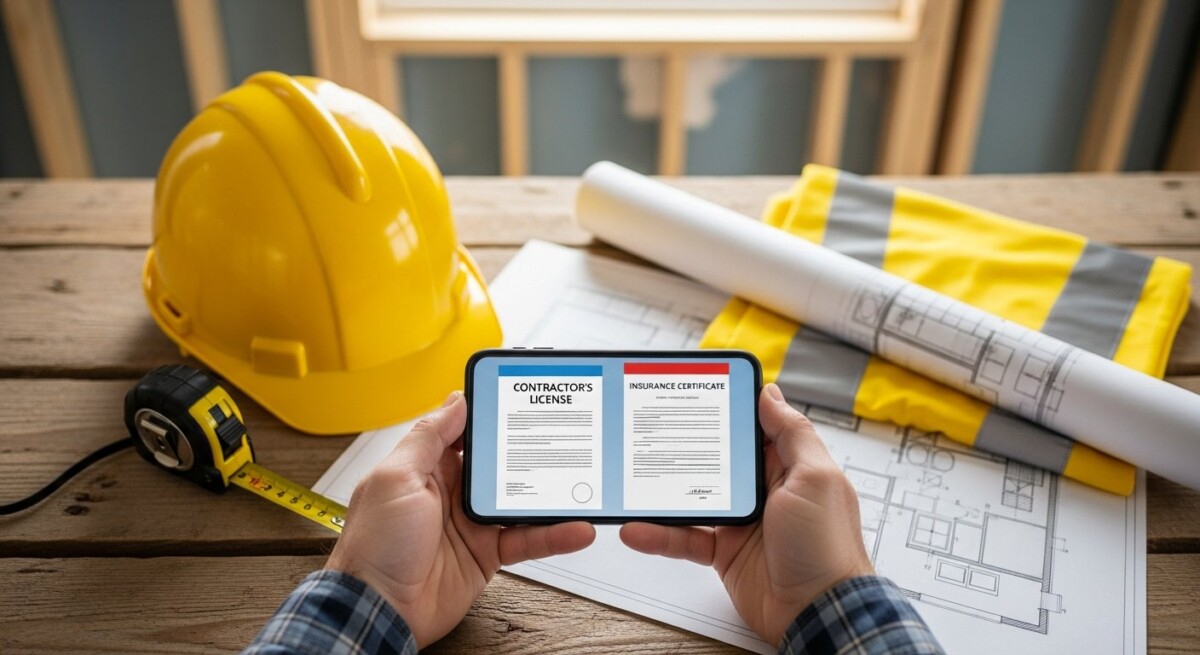
You’ve finally decided to remodel your kitchen, replace the old roof, or finish the basement. The excitement is real,until you start looking for a contractor. A neighbor had a bad experience. A friend’s renovation went over budget. And now you’re wondering: how do I know if this contractor is actually qualified? That uncertainty is more common than you think. Homeowners often discover the hard way that not everyone who hangs a shingle has the skills, insurance, or license to do the job right. Ignoring this step can lead to shoddy work, costly delays, or even structural damage. Learning how to verify contractor qualifications protects your home, your budget, and your peace of mind.
Understanding How to Verify Contractor Qualifications
How to verify contractor qualifications simply means checking that the person or company you hire has the legal credentials, insurance coverage, and experience needed to complete your project safely and correctly. This isn’t about being suspicious,it’s about being smart. Every state has different licensing requirements, and many contractors must carry liability insurance and workers’ compensation to operate legally. When you skip verification, you risk hiring someone who isn’t insured or who lacks the expertise for your specific job.
Why does this happen? Many homeowners assume that a professional-looking website or a friendly demeanor means a contractor is qualified. But appearances can be deceiving. Older homes, complex renovations, and projects involving electrical or plumbing work are especially vulnerable to mistakes made by unqualified workers. Taking an hour to verify credentials can save you thousands of dollars and months of stress.
What Should You Look For?
Start with three basics: a valid license (check your state’s licensing board online), proof of general liability insurance, and workers’ compensation coverage. Ask for these documents directly and confirm them with the issuing agency. Also look for trade-specific certifications,like a roofing manufacturer’s certification,which show the contractor has advanced training.
Why This Matters for Your Home
Hiring an unqualified contractor isn’t just a financial risk,it’s a safety risk. Faulty electrical work can cause fires. Improperly installed roofing can lead to leaks and mold. A poorly built deck can collapse. These aren’t scare tactics; they’re real outcomes when qualifications aren’t verified. Your home is likely your biggest investment, and every renovation or repair should protect,not endanger,that asset.
Delaying verification also costs you money over time. If an uninsured contractor damages your property or gets injured on the job, you could be held liable. Fixing substandard work later usually costs more than hiring the right person in the first place. By taking the time to verify contractor qualifications, you avoid these hidden expenses and keep your project on track.
If you notice signs of this issue in your home, it may help to speak with a qualified contractor. Request a free quote or call 1-800-555-0199 to explore your repair or remodeling options.
Common Problems Homeowners Experience
When homeowners skip qualification checks, they often run into problems that could have been avoided. One of the most frequent issues is incomplete or sloppy work,corners cut to save time, materials that don’t match specifications, or finishes that fail within months. Another common complaint is the contractor disappearing mid-project, leaving you with a half-finished job and no way to reach them.
These problems show up in real homes every day. A homeowner hires a “handyman” to rewire a room, only to find the breaker panel is dangerously overloaded. Another family pays a low bid for a roof replacement, and within a year the shingles are curling because they weren’t installed according to manufacturer guidelines. The pattern is always the same: skipping verification leads to regret.
- Visible damage like cracked tiles, uneven drywall, or gaps in siding
- Performance problems such as poor water pressure, inconsistent HVAC temperatures, or drafty windows
- Structural concerns like sagging floors, bowed walls, or leaking roofs
- Aging materials that were patched instead of replaced, hiding deeper issues
- Permits never pulled, which can cause problems when you sell your home
- Unexplained cost overruns or change orders that weren’t discussed upfront
How Professionals Solve the Problem
Qualified contractors follow a systematic process to ensure your project is done right the first time. They begin with a thorough inspection of the area, identifying not just the obvious problem but any underlying issues. Then they provide a written estimate that breaks down materials, labor, and timeline. This transparency is a hallmark of a professional who values trust and accountability.
- Inspection and diagnosis , The contractor assesses the condition of your home, using tools like moisture meters or thermal cameras to find hidden damage.
- Detailed proposal , You receive a clear scope of work, including materials, permits, payment schedule, and warranty information.
- Proper preparation , The work area is protected, debris is managed, and safety protocols are in place before any work begins.
- Skilled execution , Licensed tradespeople perform the work following manufacturer specifications and building codes.
- Final inspection and cleanup , The contractor walks through the completed project with you, addresses any concerns, and leaves the site clean.
Attempting a DIY fix or hiring an unqualified worker might save money upfront, but it rarely delivers the same quality or durability. Professionals carry insurance, so if something goes wrong, you’re protected. They also stand behind their work with warranties, giving you recourse if a problem arises later. For most homeowners, the peace of mind is worth the investment.
A professional inspection can reveal hidden issues before they become expensive repairs. Compare contractor quotes here or call 1-800-555-0199 to discuss your project.
Warning Signs You Should Not Ignore
Your home often gives subtle clues that a contractor wasn’t qualified,or that a repair is needed. Pay attention to these early warnings. For example, if you notice new cracks in your foundation or walls after a renovation, it could indicate structural stress from poor work. Similarly, if a recently installed roof shows granules in the gutters, the shingles may be failing prematurely.
Acting quickly when you spot these signs can prevent a small problem from becoming a major expense. Ignoring them often leads to water damage, higher energy bills, or even safety hazards. Trust your instincts: if something looks off, it probably is.
- Water stains on ceilings or walls after a plumbing or roofing project
- Doors or windows that stick or don’t close properly after installation
- Unusual odors, like mustiness or gas smells, that weren’t there before
- Electrical outlets that feel warm or spark when used
- Gaps or uneven surfaces in tile, flooring, or drywall
- New cracks in concrete, brick, or drywall that appear soon after work
What Affects the Cost of Repairs or Installation
The price of any home improvement project depends on several factors. The size of the job is the most obvious,a small bathroom remodel costs less than a full kitchen renovation. But materials also play a huge role. Premium flooring, custom cabinetry, or energy-efficient windows raise the cost, while standard options keep it lower. Labor rates vary by region and by the contractor’s experience level.
Accessibility matters too. A roof with a steep pitch or a basement with limited entry takes more time and equipment to work on, which increases labor costs. Older homes may have outdated wiring, plumbing, or framing that requires additional work before the main project can begin. The best way to understand pricing is to get multiple quotes from qualified contractors who have seen your home in person.
Costs can vary depending on the condition of your home. The best way to know the price is to get a personalized estimate. Request free quotes from contractors or call 1-800-555-0199 today.
How to Choose the Right Contractor
Selecting the right contractor is about more than just the lowest bid. You want someone who communicates clearly, shows up on time, and has a track record of satisfied customers. Start by asking for recommendations from friends or neighbors, then research each candidate thoroughly. In our guide on how to verify a contractor license, we explain exactly what documents to request and how to confirm them.
Always get at least three written estimates. This helps you compare not just price, but also scope of work and materials. A very low bid might mean the contractor is cutting corners or doesn’t fully understand the project. A very high bid might not guarantee better quality. Look for someone who falls in the middle and provides clear reasoning for their pricing.
- Verify state license online and confirm it’s current and in good standing
- Request certificates of insurance and call the insurance company to verify coverage
- Read online reviews on multiple platforms, focusing on recent projects similar to yours
- Ask for references and actually call them,ask about communication, timeline, and cleanup
- Get everything in writing: contract, payment schedule, warranty, and change order process
Long-Term Benefits of Professional Work
When you hire a qualified contractor, you’re investing in your home’s future. Professional work tends to last longer because it’s done with proper techniques and high-quality materials. That means fewer repairs, less maintenance, and lower long-term costs. For example, a properly installed roof can last 20,30 years, while a sloppy one might need replacement in a decade.
Energy efficiency is another major benefit. A professional contractor will seal gaps, install proper insulation, and ensure your HVAC, windows, and doors perform as intended. That translates to lower utility bills month after month. And when it’s time to sell, a home with a documented history of professional renovations and repairs commands a higher price and sells faster. Buyers feel confident knowing the work was done right.
Finally, professional work gives you peace of mind. You don’t lie awake wondering if the wiring is safe or if the deck will hold up under a heavy snow. You know the job was inspected, permitted, and completed to code. That feeling of security is priceless.
What information do I need to verify a contractor’s license?
You’ll need the contractor’s full name, business name, and license number. Most state licensing boards have online search tools where you can check the license status, expiration date, and any complaints or disciplinary actions. Some states also list bond information.
Should I ask for proof of insurance before hiring a contractor?
Absolutely. Request a certificate of insurance that shows general liability and workers’ compensation coverage. Call the insurance company listed to confirm the policy is active and covers the dates of your project. This protects you if a worker gets injured or your property is damaged.
What is the difference between a license and a certification?
A license is a legal requirement to operate as a contractor in your state. A certification is a voluntary credential from a trade organization or manufacturer that shows advanced training in a specific area, like installing certain roofing materials or energy-efficient windows. Both are valuable, but a license is non-negotiable.
How many quotes should I get before choosing a contractor?
Most experts recommend getting at least three written quotes from different contractors. This gives you a range of prices and allows you to compare scope of work, materials, and timelines. Be wary of any quote that is significantly lower than the others,it may indicate hidden costs or inferior work.
Can I verify a contractor’s qualifications online?
Yes. Many states have online databases where you can check license status, complaints, and disciplinary actions. You can also look up a contractor’s Better Business Bureau rating, read reviews on sites like Angi or Houzz, and check their social media presence for examples of past work.
What should I do if a contractor refuses to provide proof of insurance?
Consider that a red flag. A legitimate contractor will gladly provide proof of insurance. If they refuse or make excuses, move on to another candidate. Hiring an uninsured contractor puts you at financial risk if an accident occurs on your property.
How do I know if a contractor is experienced with my type of project?
Ask them directly how many similar projects they’ve completed in the past year. Request photos or addresses of recent work. You can also ask for references from homeowners who had the same type of project done. A contractor who specializes in kitchen remodels may not be the best choice for a roofing job.
What is a contractor’s bond, and do I need to check it?
A contractor’s bond is a type of insurance that protects you if the contractor fails to complete the job or violates building codes. Some states require bonds for certain types of work. Check with your state licensing board to see if bonding is required, and ask the contractor for proof of bond if it is.
Taking a few hours to verify a contractor’s qualifications isn’t just paperwork,it’s the best protection for your home and your wallet. Whether you’re planning a small repair or a major renovation, starting with a qualified professional sets the stage for a successful project. Don’t leave your home to chance. Compare contractor quotes today to find a licensed, insured expert who can get the job done right.

About

What Happens If Contractors Do Not Respond? A Homeowner Guide
Learn what happens if contractors do not respond, including risks of delayed repairs, rising costs, and safety hazards. Get tips to find reliable help.
How to Verify Contractor Qualifications Before Hiring
Learn how to verify contractor qualifications step by step. Protect your home and budget by checking licenses, insurance, and experience before hiring.

Get Matched With Local Contractors for Your Home Repairs
Learn how to get matched with local contractors for home repairs and renovations. Compare free quotes from vetted pros and protect your home investment.
Find a Pro!
"*" indicates required fields