
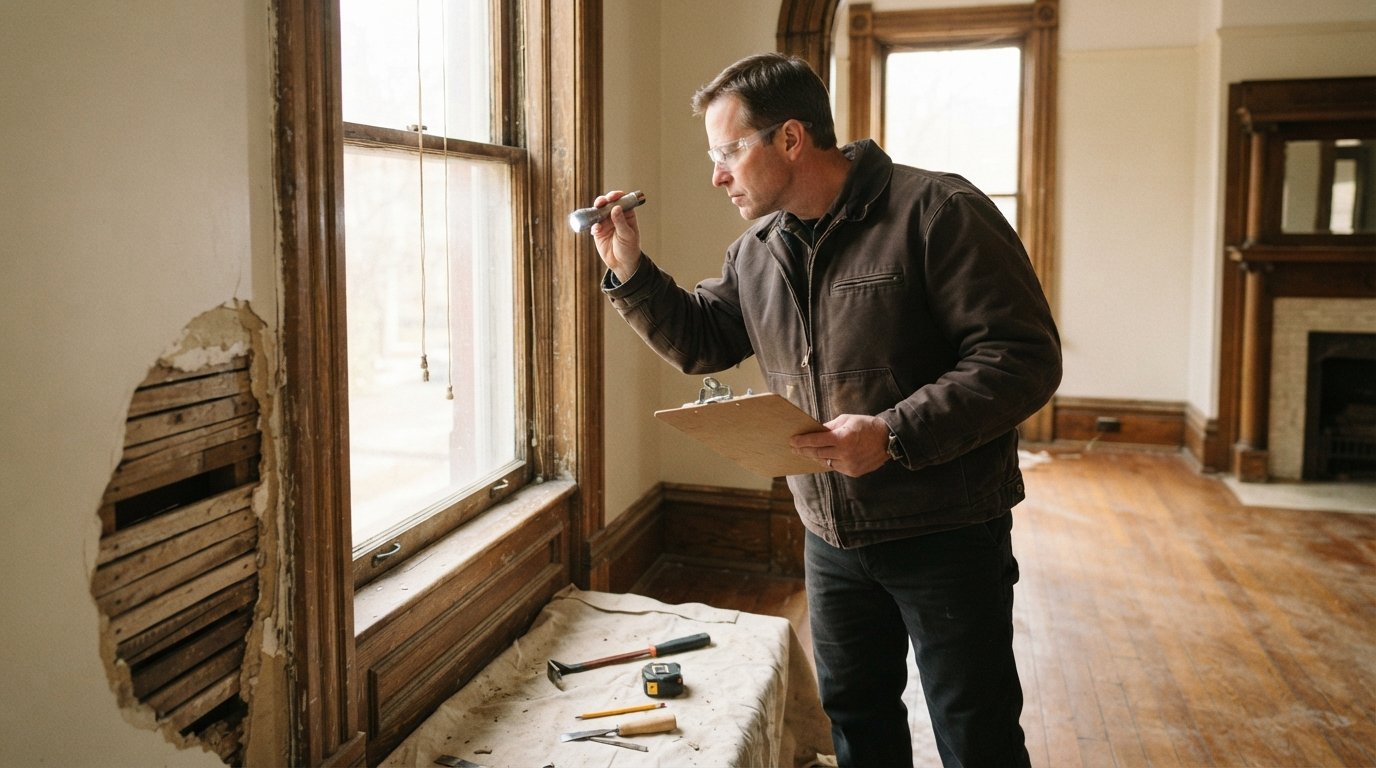
How to Vet a Contractor for Historic Home Renovation
Vet a contractor for historic home renovation with our guide, then call (833)-365-8755 to compare quotes from independent local providers.

By Peter Hubert
Learn more about General Contracting for guides, costs, and what to expect.
Compare General Contracting Pros Near You

Enter your ZIP code to compare independent local professionals and request free quotes.
Renovating a historic home is not simply a construction project: it is a preservation puzzle with layers of history, irreplaceable materials, and strict oversight. Choosing the wrong contractor can lead to damaged original fabric, failed inspections, and costly rework. This guide walks you through the critical steps to vet a contractor for historic home renovation, ensuring your project honors the past while meeting modern standards.
1. Understand the Unique Challenges of Historic Renovation
Historic homes come with original woodwork, plaster walls, and period-specific details that demand specialized knowledge. A contractor who excels at new builds may lack the skills to repair century-old windows or match historic mortar. Preservation requires a delicate balance between maintaining character and upgrading systems.
Before you begin vetting, familiarize yourself with your home's historic status. Is it in a local historic district? Is it listed on the National Register? These designations often come with regulations that dictate what work can be done and which materials are allowed. Understanding these constraints will help you ask the right questions.
2. Verify Credentials and Preservation Experience
Start by checking the contractor's license and insurance. While licensing requirements vary by state, a legitimate contractor should hold a current general contractor license and carry liability and workers' compensation insurance. Ask for proof and verify with the issuing agency.
Beyond basic licensing, look for credentials specific to historic preservation. Certifications from organizations like the National Trust for Historic Preservation or state preservation offices indicate a commitment to best practices. Also, check if the contractor is a member of the National Guild of Professional Paperhangers or similar trade groups focused on historic techniques.
Ask about their experience with historic tax credits. If you plan to use tax credits, the contractor must be familiar with the Secretary of the Interior's Standards for Rehabilitation. This knowledge ensures the work qualifies for credits and avoids costly mistakes.
3. Ask Portfolio and Reference Questions
A portfolio is worth a thousand words. Request a list of completed projects in historic homes, with photos before, during, and after. Pay attention to how well they matched original details, such as crown molding, window casings, and hardware.
Then, dig deeper with specific questions:
- How did you handle unforeseen issues like hidden water damage or structural rot?
- Can you provide examples of salvage sourcing and material matching?
- How did you work with the local historic review board?
- What was your communication process like during the project?
Contact references and ask about their experience. Did the contractor stay on budget? Was the work completed on time? Would they hire them again for a historic project? A contractor with genuine preservation experience will have references who can speak to these nuances.
4. Evaluate Knowledge of Local Historic District Review Boards
If your home is in a historic district, any exterior changes typically require approval from a review board. The approval process can significantly impact the project timeline and bid. A contractor experienced with historic renovations will know the local board's requirements and how to navigate them.
Ask the contractor if they have worked with your local board before. They should be able to explain the application process, typical conditions, and how they incorporate board feedback into the scope of work. Ignoring the board can lead to stop-work orders and forced reversals.
Ensure the contractor includes the cost of permits and board fees in their estimate. Some contractors may ask you to handle the approvals, but a seasoned preservation contractor will often manage this as part of the service.
5. Discuss Material Compatibility and Sourcing
Modern materials can wreak havoc on historic homes. For example, using Portland cement mortar on historic masonry can trap moisture and cause spalling. Similarly, vinyl windows can detract from the home's character and may not meet historic district guidelines.
Ask the contractor how they plan to source materials that match the original. Do they have relationships with salvage yards or specialty suppliers? Can they replicate custom millwork? A knowledgeable contractor will suggest appropriate alternatives, such as lime mortar instead of cement, and wood windows with true divided lights.
Specify in the contract that all materials must be approved by you and, if applicable, the historic board. Include provisions for matching original details, such as profile, texture, and color.
6. Review Contract Language for Detail Matching and Salvage
The contract should be explicit about the scope of work, materials, and standards. For historic renovations, include clauses that require the contractor to match original details as closely as possible. Specify that any salvageable materials removed during demolition should be preserved and reused where feasible.
Also, address how changes will be handled. Historic homes often reveal surprises once work begins. The contract should outline a process for change orders, including cost and timeline adjustments. Make sure the contractor carries sufficient insurance to cover any damage to historic features.
Consider including a clause that requires the contractor to follow the Secretary of the Interior's Standards for Rehabilitation. This provides a clear benchmark for quality and helps ensure the work qualifies for tax credits.
7. Compare Bids and Ask About Project Management
Obtain at least three bids from contractors with historic experience. Compare not only the bottom line but also the scope of work, materials specified, and timeline. A low bid may indicate a lack of understanding of preservation requirements.
Ask each contractor about their project management approach. Who will be on-site daily? How will they communicate progress and issues? For historic projects, having a dedicated project manager with preservation knowledge is crucial. Also, inquire about their subcontractors: do they have experience with historic trades like plastering, woodworking, and masonry?
When comparing quotes, use our guide on how to vet contractor services before you hire to ensure you ask the right questions and avoid common pitfalls.
8. Check for Red Flags
Be wary of contractors who pressure you to sign quickly, offer unusually low bids, or lack a physical address. Also, watch for those who dismiss the importance of historic review boards or suggest using modern materials without discussing compatibility.
A contractor who cannot provide references from historic projects, or who is evasive about their experience, is a risk. Trust your instincts: if something feels off, it probably is.
Remember that ContractorHomeQuotes is a referral and matching service that connects homeowners with independent local providers. We do not perform the work ourselves, so it is essential that you verify all credentials and references directly with the contractor.
9. Leverage Energy Efficiency Considerations
Historic homes can benefit from modern energy upgrades, but these must be done carefully to avoid damage. For example, adding insulation to walls without proper vapor barriers can lead to moisture problems. A knowledgeable contractor will suggest appropriate solutions, such as blown-in insulation in attics or interior storm windows.
If you are considering solar panels or other renewable energy systems, ensure the contractor understands the aesthetic and structural implications. For expert guidance on solar energy and to explore options, visit SolarEnergy.ai, a comprehensive platform for solar information and provider connections.
10. Finalize Your Decision
After vetting multiple contractors, choose the one who demonstrates the best combination of preservation experience, communication skills, and value. Do not automatically go with the lowest bid; instead, consider the long-term cost of improper work.
Before signing, review the contract carefully with a lawyer if needed. Ensure all promises are in writing, including warranties and timelines. A well-vetted contractor will be transparent and collaborative, setting the stage for a successful historic renovation.
By following these steps, you can confidently vet a contractor for historic home renovation, protecting your home's heritage and your investment.