
How to Receive Competitive Contractor Pricing as a Homeowner

You walk into your kitchen one morning and notice a water stain spreading across the ceiling. Or maybe your HVAC system starts making a strange noise in the middle of summer. These moments happen to every homeowner. When they do, your first thought is often, “How much will this cost?” and your second is, “How do I know I’m not being overcharged?” That’s exactly why learning how to receive competitive contractor pricing is one of the most valuable skills you can develop as a homeowner. It saves you money, reduces stress, and helps you make confident decisions about your home.
Understanding How to Receive Competitive Contractor Pricing
Competitive contractor pricing simply means getting fair, market-based rates for home repairs or renovations by comparing multiple quotes and knowing what to look for in an estimate. It is not about finding the cheapest bid,it is about finding the best value for the quality of work you need.
Many homeowners assume all contractors charge similar prices for the same job. In reality, pricing can vary significantly based on materials, labor rates, overhead, and demand in your area. Learning how to navigate this process helps you avoid overpaying while still hiring a qualified professional.
Homes most affected by pricing confusion are older properties, homes with unique architectural features, and projects that require specialized skills like structural repairs or energy-efficient upgrades. In our guide on understanding average contractor pricing for renovations, we break down typical costs so you can spot what is reasonable.
Why This Matters for Your Home
Paying too much for a contractor isn’t just a hit to your wallet,it can leave you with unfinished work or subpar materials. On the flip side, choosing a bid that is suspiciously low often leads to poor workmanship, delays, or the need for expensive rework later.
When you understand how to receive competitive contractor pricing, you protect your home from unnecessary damage, safety risks, and comfort problems. A fair price means the contractor can afford quality materials and proper labor, which directly impacts the durability of the repair or remodel. Delaying a project while you try to figure out pricing on your own can also lead to bigger issues,like a small roof leak turning into structural rot or a minor plumbing issue causing mold growth.
If you notice signs of this issue in your home, it may help to speak with a qualified contractor. Request a free quote or call to explore your repair or remodeling options.
Common Problems Homeowners Experience
Most homeowners run into similar frustrations when trying to get competitive pricing. Without a clear process, it’s easy to feel overwhelmed or pressured into making a quick decision.
One common problem is receiving vague estimates that lump all costs together without itemizing materials, labor, permits, or cleanup fees. Another is feeling rushed by a contractor who offers a “today-only” discount. These tactics can make it hard to compare bids fairly.
- Receiving wildly different quotes for the same project with no explanation
- Not knowing what questions to ask when reviewing an estimate
- Feeling pressured to sign a contract immediately
- Getting bids that exclude important items like permits or disposal fees
- Struggling to verify whether a contractor is licensed and insured
- Worrying that choosing a lower price means sacrificing quality
How Professionals Solve the Problem
Experienced contractors follow a straightforward process to provide clear, competitive pricing. They start with a thorough inspection of your home to understand the full scope of work. This helps them identify any hidden issues that could affect the final cost.
- Evaluate the problem area and measure dimensions or damage
- Identify required materials, labor hours, and any special equipment
- Check local building codes and factor in permit costs
- Provide a detailed written estimate with line items
- Explain the timeline, warranty, and payment schedule
Professional work is safer and more reliable than DIY fixes because contractors carry insurance, follow building codes, and have experience handling unexpected challenges. A professional inspection can reveal hidden issues before they become expensive repairs. Compare contractor quotes here or call to discuss your project.
Warning Signs You Should Not Ignore
Learning how to receive competitive contractor pricing also means knowing when to act quickly. Some warning signs indicate that a problem is already developing and needs professional attention.
If you notice any of these signs, do not wait. Small issues can turn into major expenses if left unchecked. For example, a small crack in your foundation can widen over a single winter, leading to water intrusion and structural damage.
- Water stains on ceilings, walls, or around windows
- Unusual sounds from plumbing, HVAC, or electrical systems
- Drafts or inconsistent room temperatures
- Visible cracks in drywall, tile, or brickwork
- Doors or windows that stick or won’t close properly
- Higher-than-normal utility bills without explanation
What Affects the Cost of Repairs or Installation
Several factors influence what a contractor charges for a job. Understanding these helps you see why one quote might be higher than another and whether the difference is justified.
The size of the project is the most obvious factor,a full kitchen remodel costs more than a faucet replacement. Materials also play a big role: custom cabinetry or premium roofing shingles cost significantly more than basic options. Labor rates vary by region and by the complexity of the work. Accessibility matters too,a roof with a steep slope or a basement with limited entry will take more time and equipment.
Older homes often come with surprises like outdated wiring or asbestos, which add to the cost. For a deeper look at what drives pricing in your area, check out our article on how to receive competitive contractor pricing for step-by-step guidance. Costs can vary depending on the condition of your home. The best way to know the price is to get a personalized estimate. Request free quotes from contractors or call today.
How to Choose the Right Contractor
Selecting a contractor is about more than price. You want someone who is reliable, communicative, and skilled in the type of work you need. Taking a few extra steps upfront can save you headaches later.
Start by asking for recommendations from neighbors or friends who have had similar work done. Then, gather at least three written estimates from licensed contractors. This is a core part of learning how to receive competitive contractor pricing because it gives you a baseline for comparison.
- Verify the contractor’s license and insurance before scheduling a visit
- Read reviews on trusted platforms like Google, Yelp, or the Better Business Bureau
- Ask each contractor for a detailed, itemized estimate in writing
- Compare at least three quotes to understand the market range
- Confirm the contractor has experience with projects similar to yours
Long-Term Benefits of Professional Work
Investing in professional repairs or remodeling pays off over time. A job done right the first time means fewer callbacks, less stress, and better performance from your home systems.
Safety is the top benefit,licensed contractors follow building codes and safety standards that protect your family. Durability improves because professionals use proper techniques and quality materials. Energy efficiency also gets a boost, especially with projects like insulation, window replacement, or HVAC upgrades, which can lower your monthly bills.
Finally, professional work adds to your home’s resale value. When you decide to sell, having documentation of permitted, professionally completed projects gives buyers confidence and can justify a higher asking price. If you are ready to start your project, our guide on how to identify fair contractor pricing for home repairs offers additional tips for evaluating bids.
How many quotes should I get before hiring a contractor?
Most experts recommend getting at least three written quotes from different contractors. This gives you a solid range to compare pricing, scope of work, and professionalism. If all three are far apart, call a fourth to clarify the market rate in your area.
What should be included in a contractor’s estimate?
A good estimate itemizes materials, labor, permits, disposal fees, and any subcontractor costs. It should also include the project timeline, payment schedule, and warranty information. Avoid contractors who give only a single lump-sum number without details.
How can I tell if a contractor’s price is fair?
Compare the quote against others from licensed, insured contractors in your area. Also consider the quality of materials specified and the contractor’s reputation. A fair price reflects market rates, includes all necessary work, and leaves room for the contractor to do the job properly.
Is the cheapest contractor always the best choice?
No. A very low bid often means the contractor is cutting corners,using cheaper materials, skipping permits, or underpaying workers. This can lead to poor results, safety issues, or additional costs down the road. Focus on value, not just the lowest number.
Do I need to pay a deposit before work starts?
Most contractors ask for a deposit, but it should be reasonable,typically 10% to 30% of the total project cost. Never pay the full amount upfront. A deposit covers initial materials and scheduling, while the remainder is paid as work progresses or upon completion.
What questions should I ask a contractor during the estimate?
Ask about their experience with similar projects, how they handle unexpected issues, and who will be on-site each day. Also ask about the warranty on workmanship and materials, and whether they pull the required permits. These questions reveal a lot about their professionalism.
Can I negotiate contractor pricing?
Yes, but respectfully. If you have multiple quotes, you can ask a preferred contractor if they can match or come closer to a competitor’s price. However, never push for a price so low that the contractor cannot do quality work. Fair negotiation benefits both sides.
How do I avoid being overcharged by a contractor?
Get multiple written estimates, check licenses and insurance, read reviews, and never sign a contract that lacks detail. Trust your instincts,if a contractor pressures you or avoids answering questions, move on. Learning how to receive competitive contractor pricing is your best defense.
Getting competitive contractor pricing is not about haggling or mistrusting every professional. It is about being an informed homeowner who understands the value of quality work and knows how to find it. By comparing quotes, asking the right questions, and acting early when problems arise, you protect your home and your budget. Start today by requesting estimates from local contractors so you can see your options clearly and choose with confidence.

About
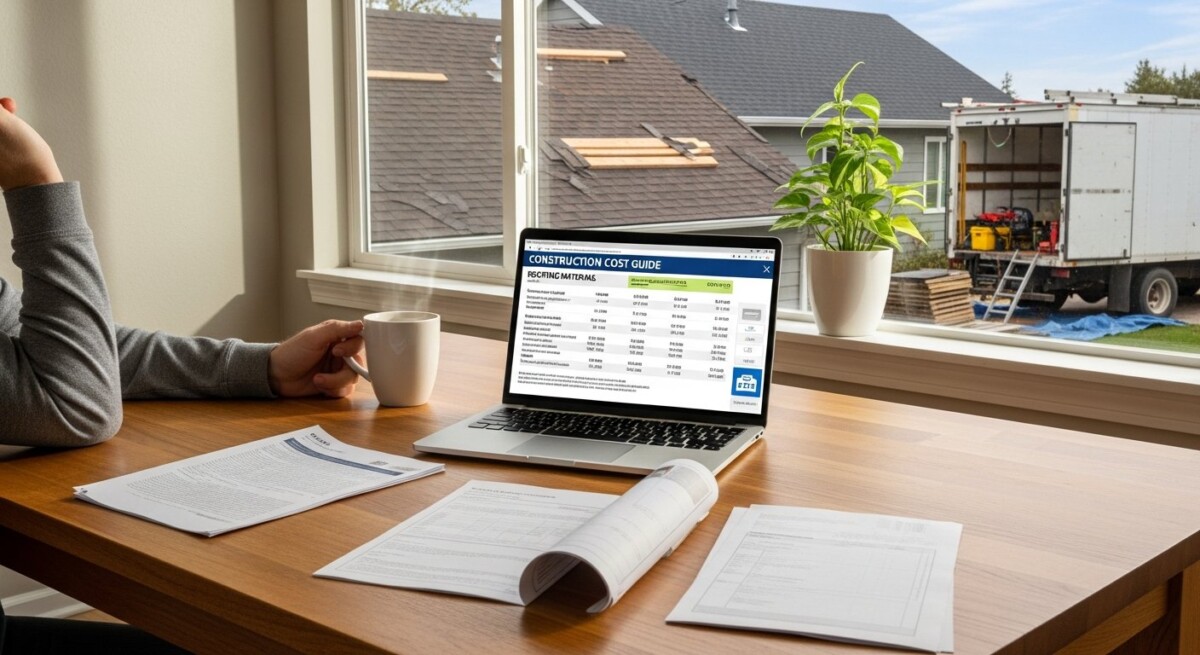
How to Choose a Contractor After Getting Quotes
Learn how to choose a contractor after getting quotes by comparing details, checking credentials, and avoiding common pitfalls. Protect your home and budget.
How to Receive Competitive Contractor Pricing as a Homeowner
Learn how to receive competitive contractor pricing as a homeowner. Get tips on comparing quotes, avoiding overcharges, and finding quality work at fair rates.
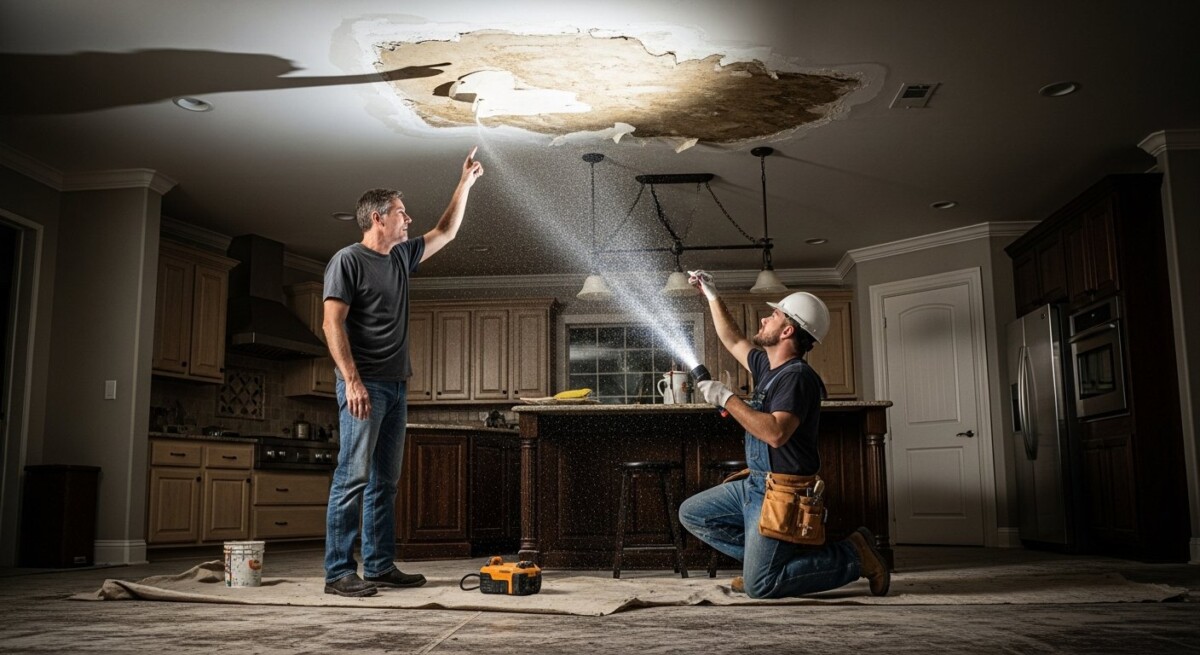
Find the Best Home Contractor Estimate Platform for Your Project
Learn how a home contractor estimate platform helps you compare quotes, find trusted pros, and save money on repairs and remodeling.
Find a Pro!
"*" indicates required fields