
How to Choose a Contractor After Getting Quotes
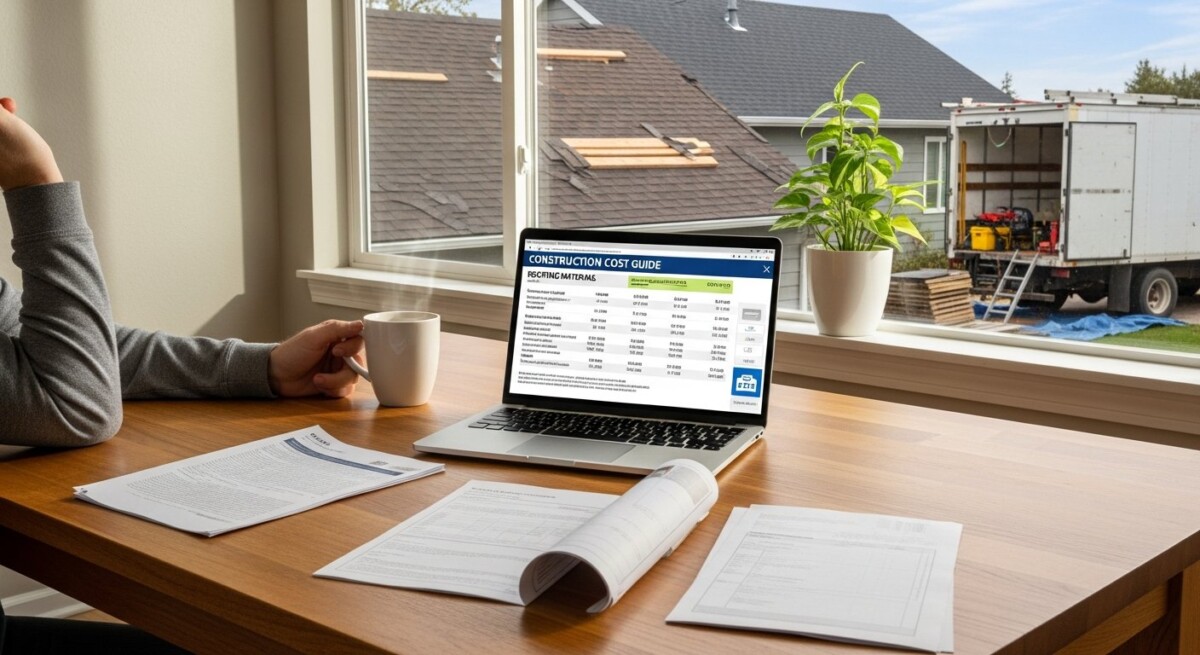
You finally did it. You called a few companies, described your project, and now you have a stack of contractor quotes sitting on your kitchen counter. Maybe one is surprisingly low, another is much higher, and the middle one looks balanced. At first glance, it seems like a simple choice,pick the cheapest, right? But if you have ever rushed into a home improvement decision based on price alone, you know that a low quote can sometimes lead to shoddy work, hidden fees, or even a half-finished project. Choosing the wrong contractor can turn a simple renovation into a costly nightmare. That is why learning how to choose a contractor after getting quotes is one of the most important skills a homeowner can develop.
The problem is that most homeowners do not realize how much is riding on this decision until it is too late. A poorly installed roof can leak for years before you notice the rot. An unlicensed electrician can create a fire hazard behind your walls. And a contractor who disappears mid-project leaves you scrambling to find someone to finish the job,often at double the cost. The good news is that by taking a few extra steps after you receive your quotes, you can protect your home, your budget, and your peace of mind. This guide will walk you through exactly how to compare bids, spot red flags, and select a professional you can trust.
Understanding how to choose a contractor after getting quotes
In simple terms, how to choose a contractor after getting quotes means looking beyond the dollar amount on each estimate. A quote is just a starting point. It tells you what a contractor expects to charge, but it does not tell you about their reliability, the quality of materials they plan to use, or whether they carry proper insurance. The real work begins when you start comparing the details inside each bid.
This process matters for every type of home project,whether you are replacing windows, remodeling a kitchen, or repairing a leaky roof. Homes of any age can benefit from careful contractor selection, but older homes often need extra attention because hidden issues like outdated wiring or structural damage can complicate the work. When you understand how to evaluate quotes properly, you reduce your risk of hiring someone who cuts corners or charges unexpected fees later on. In our guide on how to choose a contractor after getting quotes, we explain how to spot the differences between a fair estimate and a risky one.
Why this matters for your home
Your home is likely the biggest investment you will ever make. Every repair or renovation you authorize affects its safety, comfort, and long-term value. When you hire the wrong contractor, you are not just wasting money,you are putting your property at risk. A cheap roof repair might stop the leak temporarily, but if the underlayment was never replaced, you could face extensive water damage within a year. That small savings upfront can turn into thousands of dollars in mold remediation and structural repairs.
Beyond financial risk, there is also the issue of safety. Licensed contractors carry liability insurance and workers’ compensation, which protects you if someone gets injured on your property. Unlicensed workers often skip this coverage, leaving you legally responsible for any accidents. Additionally, professional contractors pull the necessary permits for your project, ensuring that the work meets local building codes. This is critical when you eventually sell your home,unpermitted work can kill a sale or force you to pay for expensive retrofits. Taking the time to choose wisely now saves you from these headaches later.
If you notice signs of this issue in your home, it may help to speak with a qualified contractor. Request a free quote or call to explore your repair or remodeling options.
Common problems homeowners experience
Homeowners often run into the same set of problems when they choose a contractor based only on price. One of the most common issues is a contractor who gives a vague estimate that does not list specific materials or labor costs. When the work begins, they claim the original price did not include certain items, and your final bill balloons. Another frequent problem is poor workmanship,tiles that are not level, paint that peels within months, or windows that do not seal properly.
Some homeowners also face the issue of contractors who demand large upfront payments and then delay the project repeatedly. In the worst cases, the contractor takes the deposit and never returns. Even when the work is completed, you may discover that the contractor used substandard materials to save money, leaving you with a repair that fails prematurely. Understanding these risks helps you know what to look for when reviewing quotes.
- Vague estimates that lack detail on materials or labor
- Final bills that are significantly higher than the original quote
- Poor workmanship that requires rework within months
- Contractors who demand large deposits before starting
- Unlicensed workers who cannot provide proof of insurance
- Use of low-quality materials to underbid competitors
How professionals solve the problem
Experienced contractors follow a clear process that protects both you and them. They start with a thorough inspection of your home, identifying any hidden issues that could affect the project. They provide a detailed written estimate that breaks down material costs, labor, permits, and a timeline. Once you agree, they schedule the work, pull necessary permits, and communicate with you regularly about progress.
- Inspect the property and identify underlying issues
- Provide a detailed, itemized written estimate
- Pull all required permits and schedule inspections
- Complete the work according to industry standards
- Clean up the job site and walk through the finished project with you
Professional work is almost always more reliable than a DIY attempt or a handyman special. Licensed contractors have years of training, access to high-quality materials, and relationships with suppliers that can lower your costs. They also stand behind their work with warranties, giving you peace of mind long after the job is done. When you compare quotes, look for contractors who describe this level of professionalism in their bid.
A professional inspection can reveal hidden issues before they become expensive repairs. Compare contractor quotes here or call to discuss your project.
Warning signs you should not ignore
Your instincts are often your best tool when evaluating contractors. If something feels off during the quoting process, pay attention. A contractor who pressures you to sign immediately, refuses to provide references, or asks for cash payment is waving a red flag. Similarly, if a quote is dramatically lower than all the others, ask why. It could mean the contractor plans to cut corners or lacks the insurance that drives up legitimate costs.
Watch for signs that the contractor is not taking your project seriously. Do they show up late to the appointment? Do they avoid answering your questions? Do they give you a verbal estimate instead of a written one? These behaviors often indicate a lack of professionalism that will continue once the work starts. Catching these warning signs early can save you from a disappointing experience.
- Pressure to sign a contract immediately
- Refusal to provide written references or proof of insurance
- Quote that is significantly lower than all others
- Request for cash payment or a large upfront deposit
- Vague or incomplete written estimate
- Poor communication or missed appointments
What affects the cost of repairs or installation
Several factors influence how much a contractor will charge for your project. The size and complexity of the job are obvious factors,a full kitchen remodel costs more than a backsplash replacement. But other elements can surprise homeowners. The age of your home often plays a role because older houses may have outdated wiring, asbestos, or lead paint that requires special handling. Accessibility matters too; a roof with a steep pitch or a bathroom on the third floor may cost more to work on.
Material choices also drive price differences. Standard builder-grade materials are affordable, but custom cabinetry, premium flooring, or energy-efficient windows can raise the total significantly. Labor rates vary by region and by the contractor’s experience level. A well-established company with a strong reputation may charge more, but they often provide better project management and warranties. Understanding these factors helps you evaluate whether a quote is fair or inflated.
Costs can vary depending on the condition of your home. The best way to know the price is to get a personalized estimate. Request free quotes from contractors or call today.
How to choose the right contractor
Selecting the right contractor is about more than just comparing numbers. Start by verifying that each contractor is licensed and insured in your state. A quick call to your local licensing board can confirm their status. Next, read online reviews on multiple platforms, but focus on recent feedback about communication and timeliness. A contractor with a few bad reviews is normal, but a pattern of complaints about unfinished work should send you elsewhere.
Ask each contractor for at least three references from recent projects similar to yours. Call those references and ask about their experience,did the contractor stay on schedule? Did they clean up daily? Were there any surprise costs? Finally, trust your gut. If a contractor makes you feel rushed or dismissed, move on to the next candidate. The right professional will be happy to answer your questions and provide the documentation you need to feel confident.
- Verify licensing and insurance with your state board
- Read online reviews and check for recent complaints
- Request and contact at least three references
- Compare detailed, itemized estimates side by side
- Choose a contractor who communicates clearly and respectfully
Long-term benefits of professional work
Investing in a qualified contractor pays off for years to come. Professional installations are built to last, using the right techniques and materials for your specific home. This means fewer repairs, lower maintenance costs, and better energy efficiency. For example, a properly installed HVAC system can reduce your monthly utility bills, while correctly flashed windows prevent water damage that would otherwise require expensive repairs.
Professional work also adds real value to your home. When it comes time to sell, buyers and appraisers look for evidence of permitted, professional renovations. A kitchen or bathroom remodel completed by a licensed contractor can increase your home’s resale value significantly,often by more than the cost of the project. And because the work is documented with permits and warranties, you have proof that the job was done right. Choosing a contractor carefully is not just about avoiding problems; it is about building a home that serves you well for decades.
How do I know if a contractor’s quote is reasonable?
A reasonable quote is detailed, itemized, and comparable to two or three other bids from licensed contractors. If one quote is significantly lower or higher than the others, ask for an explanation. Reasonable quotes also include specific material brands, labor costs, permit fees, and a projected timeline.
Should I always choose the lowest quote?
No. The lowest quote often means the contractor is cutting corners on materials, insurance, or labor. It can also be a sign that the contractor missed something in their initial assessment. It is usually safer to choose a mid-range quote from a contractor with good references and clear communication.
What should I look for in a written estimate?
A good written estimate includes a breakdown of materials, labor, permit costs, and a payment schedule. It should also specify the project timeline and any warranties. Avoid estimates that are vague or only list a total price without details.
How many quotes should I get before deciding?
Most experts recommend getting three to four quotes from different contractors. This gives you a good range of pricing and allows you to compare approaches. Getting too many quotes can become overwhelming, but fewer than three may not give you enough perspective.
What questions should I ask a contractor before hiring?
Ask about their license and insurance, how long they have been in business, and whether they have completed similar projects. Also ask for references, how they handle unexpected issues, and what warranty they offer on their work. Their answers will tell you a lot about their professionalism.
Is it safe to hire a contractor without insurance?
No. If a worker is injured on your property and the contractor does not have workers’ compensation insurance, you could be held liable for medical bills. Liability insurance also protects you if the contractor damages your property. Always ask for proof of insurance before signing a contract.
Can I negotiate the price with a contractor?
Yes, but approach it respectfully. If you have a lower quote from another reputable contractor, you can ask if they can match or come close to that price. However, do not push too hard,cutting the price too much may lead the contractor to cut corners elsewhere.
What should I do if a contractor asks for full payment upfront?
Be very cautious. Reputable contractors typically ask for a small deposit (10,20%) and then schedule payments based on completed milestones. Paying the full amount upfront leaves you with no leverage if the work is delayed or unfinished.
Choosing the right contractor after getting quotes does not have to be stressful. By taking the time to compare details, check credentials, and listen to your instincts, you can find a professional who will complete your project safely, on time, and within budget. Remember that the cheapest option is rarely the best value. Instead, focus on the contractor who offers clear communication, fair pricing, and a track record of satisfied customers. Start by gathering multiple quotes and comparing them carefully,your home deserves nothing less.

About Peter Hubert

How to Evaluate Contractor Responses Like a Pro
Learn how to evaluate contractor responses with clear steps, warning signs, and practical tips to protect your home, budget, and timeline.

Why Contractor Quotes Vary: A Homeowner’s Guide to Fair Pricing
Learn why contractor quotes vary so much and how to compare them wisely. This guide helps homeowners avoid overpaying while getting quality repairs.

Home Remodeling Estimate Requests: A Simple Guide for Homeowners
Learn how to request home remodeling estimates, compare contractor quotes, and avoid costly surprises. Simple advice for homeowners planning repairs or renovations.
Find a Pro!
"*" indicates required fields