
How to Choose Flooring Contractors for Your Home
Get free quotes from prescreened flooring contractors and learn how to vet, compare, and choose the right pro for your home project.

By Joshua Benson
Learn more about Floor Installation or Replacement for guides, costs, and what to expect.
Compare Floor Installation or Replacement Pros Near You

Enter your ZIP code to compare top-rated local professionals and request free quotes.
Your floors take a beating. They bear the weight of furniture, the traffic of kids and pets, and the daily grind of life. When it is time to replace or refinish them, the quality of the work depends almost entirely on the contractor you hire. A beautiful floor laid poorly will fail within a few years, while a skilled installation can last decades. That is why finding the right flooring contractors matters as much as picking the right material. This guide will walk you through the process of vetting, comparing, and hiring a professional who will deliver a floor you can stand on with pride.
What Do Flooring Contractors Actually Do?
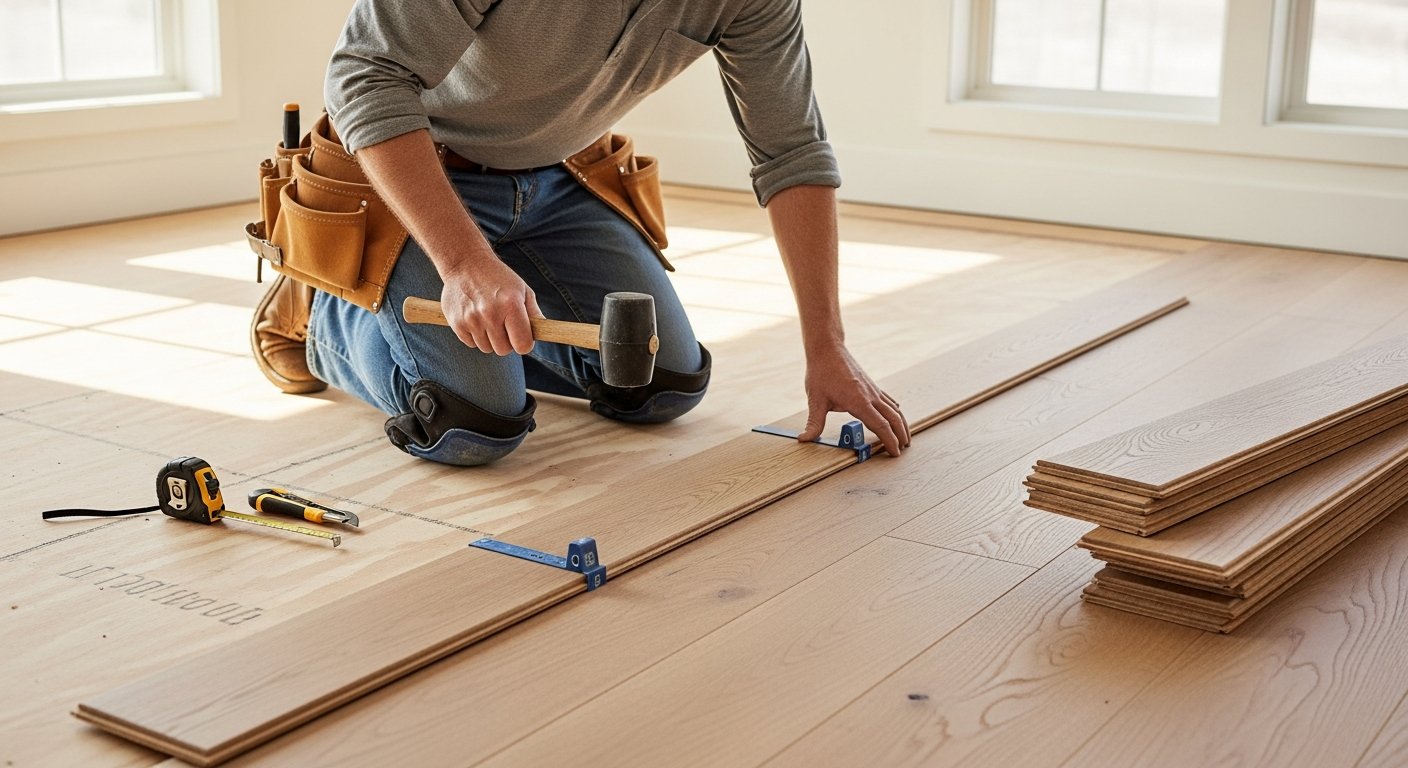
Flooring contractors specialize in the installation, repair, and refinishing of various floor materials. Unlike a general handyman or a carpenter, a dedicated flooring professional has the tools, training, and experience to work with specific products like hardwood, laminate, tile, vinyl, and carpet. Their scope of work includes measuring rooms, preparing subfloors, cutting materials precisely, and ensuring the final surface is level, secure, and visually seamless.
Beyond installation, many contractors offer related services such as moisture testing, subfloor repair, and even demolition of old flooring. They also advise on material selection based on your lifestyle, budget, and the specific conditions of your home. For example, a basement floor requires different considerations than a second-story bedroom. A qualified contractor will ask about your household, your heating system, and your long-term plans before recommending a product.
When you hire a professional, you are not just paying for labor. You are paying for their expertise in avoiding common pitfalls like uneven seams, squeaky boards, or tiles that crack due to improper installation. This expertise is especially critical for complex projects like large-format tile, herringbone patterns, or engineered hardwood with specialized underlayment.
Licensing, Insurance, and Credentials: The Non-Negotiables
Before you get a quote from any flooring contractor, you should verify their credentials. This is the first filter and the most important one. A reputable contractor will be happy to provide proof of licensing and insurance. In most U.S. states, flooring installation does not require a general contractor's license, but many areas have specific trade licenses. Check with your local building department to know what is required in your jurisdiction.
Insurance is even more critical than licensing. You need to see two types of coverage: general liability and workers' compensation. General liability covers accidental damage to your home or property during the project. Workers' compensation protects you from liability if a worker is injured on your job site. Without it, you could be sued for medical expenses and lost wages. Always ask for a certificate of insurance and verify it is current.
Certifications and Manufacturer Approvals
Many top flooring manufacturers offer certification programs for installers. These certifications indicate that the contractor has undergone specialized training and meets the manufacturer's standards for installation. For instance, wood flooring installers might hold a certification from the National Wood Flooring Association (NWFA). Tile installers may be certified by the Tile Council of North America (TCNA). These credentials are a solid indicator of professionalism and technical skill.
Additionally, some contractors are 'factory-authorized' by specific brands like Shaw, Mohawk, or Armstrong. This status often means they have access to exclusive warranties and can offer a warranty on the installation itself. Hiring a certified or authorized installer can protect your investment beyond the manufacturer's standard warranty.
How to Get Accurate Quotes from Flooring Contractors
Getting a quote is more than just receiving a number. It is a process that reveals how a contractor works. You should obtain at least three written estimates from different flooring contractors. This gives you a range of prices and a sense of the market rate for your project. But be careful: the lowest bid is not always the best value, and the highest is not always the best quality.
When requesting quotes, be as specific as possible about the material you want. If you are still undecided, ask the contractor for their recommendation based on your needs. A good contractor will walk through your home, take accurate measurements, check the subfloor condition, and ask about your lifestyle. They should also discuss the timeline, the preparation work required, and how they handle waste disposal.
Here are the key items your written quote should include:
- Detailed breakdown of labor and materials (including the exact brand and product line).
- Cost of subfloor preparation, underlayment, and adhesives.
- Removal and disposal of old flooring.
- Estimated timeline and start date.
- Terms of payment, including any deposit required and the schedule for final payment.
- Warranty information for both the material and the installation.
Once you have the quotes, compare them side by side. Look for significant discrepancies in labor costs, and ask the contractors to explain any differences. A slightly higher bid might include more thorough subfloor prep or higher-quality adhesives, which can prevent issues years down the road. Do not hesitate to negotiate or ask for clarification on any line item.
Red Flags to Watch For When Vetting Contractors
Just as you should look for positive signs, you must also be aware of warning signals. Many homeowners regret hiring a contractor because they ignored obvious red flags during the vetting process. Trust your instincts and be cautious if you encounter any of the following:
- They demand a large upfront deposit (more than 25% to 30%) before any work begins.
- They are not insured or are hesitant to provide proof of coverage.
- They ask you to pay in cash or give a discount for cash transactions.
- They cannot provide local references or a portfolio of past projects.
- They do not have a physical business address or only use a P.O. box.
- They pressure you to sign a contract immediately, claiming the price will go up tomorrow.
If you notice any of these signs, move on to the next candidate. The flooring industry is competitive, and reputable professionals do not need to use high-pressure tactics. They will give you time to think and compare options. Taking the time to vet each contractor properly can save you from a costly, stressful mistake.
Cost Factors: Understanding What Drives the Price
The cost of a flooring project can vary widely depending on several factors. Understanding these will help you set a realistic budget and avoid sticker shock. The material itself is often the largest expense, but labor, subfloor condition, and room complexity also play significant roles. For example, a simple rectangular room with a flat, clean subfloor is much cheaper to install than a large open-plan area with an existing tile floor that must be torn up.
Here are the primary cost drivers to discuss with your flooring contractors:
- Material Choice: Solid hardwood and natural stone are premium materials. Laminate and luxury vinyl are more budget-friendly. Engineered wood falls in the middle.
- Labor Rate: Labor costs vary by region and by the contractor's level of expertise. In metropolitan areas, rates are typically higher.
- Subfloor Preparation: If your subfloor is uneven, damaged, or has moisture issues, it will need to be addressed before installation. This adds time and cost.
- Room Layout: Rooms with many corners, closets, or transitions require more cuts and more time. Stairs are a major cost multiplier due to the detailed work involved.
- Removal of Old Flooring: Tearing out old carpet, tile, or hardwood is labor-intensive and adds to the total price.
As a general rule, you should budget between $3 and $12 per square foot for installation only, depending on the material and complexity. Materials will add another $2 to $15 per square foot. For the most accurate estimate, use an online cost calculator or ask your contractor for a detailed breakdown. Remember that the lowest quote may not be the most honest one, especially if it omits necessary preparatory work.
Questions to Ask Before You Sign a Contract
Once you have narrowed down your list to two or three flooring contractors, it is time to have a detailed conversation. Bring your list of questions to the meeting or phone call. The answers will help you gauge their professionalism and whether they are a good fit for your project. Do not be shy about asking for specifics; a respectable contractor will appreciate your thoroughness.
Ask about their experience with the specific material you have chosen. For example, if you are installing wide-plank oak hardwood, ask how many similar projects they have completed in the last year. Ask about the team who will actually be doing the work. Will it be the owner or subcontractors? If subcontractors are used, are they insured and trained by the primary contractor? Also, ask about the timeline for the project and what happens if it runs over schedule.
Another critical set of questions revolves around the warranty. The manufacturer's warranty covers the material, but you also need a workmanship warranty from the installer. Ask what their warranty covers, how long it lasts, and how they handle claims. A standard workmanship warranty is usually one year, but many reputable contractors offer two or even five years. Get the warranty in writing and read the fine print before signing.
How to Compare and Choose the Right Contractor
After you have collected quotes and completed your interviews, it is time to make a decision. This is a balancing act between price, quality, and comfort level. Create a comparison chart with the contractors' names, their quoted prices, the scope of work included, their warranties, and your impressions from the interview. This will make it easier to see which one stands out.
Do not automatically choose the cheapest option. A significantly lower bid often means the contractor is cutting corners, using cheaper materials, or will hit you with unexpected charges later. Conversely, the most expensive bid might not be justified. Look for a reasonable price that aligns with the level of service and quality you expect. Also, consider the contractor's communication style. Did they return your calls promptly? Did they answer your questions clearly? You will be working with them for the duration of the project, so it is important that you feel comfortable communicating with them.
Finally, check their references. Call a few past clients and ask about their experience. Were they satisfied with the quality of the work? Did the contractor stay on schedule and on budget? Would they hire the same contractor again? If you can, visit a completed project in person. This gives you a tangible sense of the contractor's craftsmanship and attention to detail.
Once you have made your choice, get everything in writing before any work begins. The contract should include the full scope of work, the materials to be used, the payment schedule, and the warranty terms. Review it carefully and ask questions if anything is unclear. A clear, detailed contract protects both you and the contractor, ensuring that everyone is on the same page from day one.
Maximizing Your Budget with Smart Planning
Flooring is a significant investment, but there are ways to make the most of your budget without sacrificing quality. One of the most effective strategies is to buy your own materials. This allows you to take advantage of sales, rebates, and clearance items at local flooring stores. However, be aware that some contractors charge a higher labor rate if you supply the materials, and they may not warranty the installation if they are not familiar with the product. The easiest path is to have the contractor handle the purchase, but you can still ask for a breakdown of the material cost to see if you can find a better deal yourself.
Another way to save is to plan your project during the contractor's off-season. Many flooring professionals are busiest in the spring and summer. Scheduling your installation for late fall or winter may result in a more flexible schedule and possibly a lower quote. Also, consider keeping the same flooring material throughout your home. This simplifies installation and reduces the amount of waste and transitions needed. If you are open to a slight change, ask your contractor about 'mill-direct' or discontinued materials, which can be significantly cheaper.
Remember that the true cost of a floor includes its lifespan. A cheaper vinyl floor might last 10 years, while a quality engineered hardwood can last 30 or more. When you consider the cost per year of use, the higher-quality material may be the better investment. Discuss your long-term plans with your contractor. If you are planning to sell your home in the next few years, a mid-grade product that appeals to buyers may be a smarter choice than a top-tier product you will never fully enjoy.
Why Use a Quote Service to Find Flooring Contractors
Searching for flooring contractors can be overwhelming. You have to research companies, read reviews, verify credentials, and then coordinate multiple quotes. This is where a service like ContractorHomeQuotes can help. Instead of spending hours on the phone and online, you can submit one simple request on the website. The service then matches you with qualified, local flooring professionals who are ready to provide free, no-obligation quotes for your project.
This approach saves you time and gives you leverage. You receive multiple quotes from vetted contractors, allowing you to compare prices and services directly. It also reduces the risk of falling for a less-than-reputable operator, as the contractors who participate in the service are typically screened for licensing and insurance. You can use the information you have learned in this guide to evaluate the quotes you receive and make an informed decision.
By using a free quote service, you also ensure that you are not pressured into a decision. You control the timeline and the pace. You can request quotes, take your time to review them, and choose the contractor who best meets your needs. This is exactly what ContractorHomeQuotes aims to facilitate: a transparent, stress-free process that empowers you to make the best choice for your home and your budget. After all, your floors are a long-term investment, and you deserve a contractor who will stand behind their work.
Ready to start your flooring project with confidence? Get free quotes from prescreened flooring contractors in your area today, and make the first move toward the beautiful, durable floor you have always wanted.
Learn more about Floor Installation or Replacement for guides, costs, and what to expect.
Compare Floor Installation or Replacement Pros Near You
Enter your ZIP code to compare top-rated local professionals and request free quotes.