
Average Cost for Home Addition: Budgeting Your Project
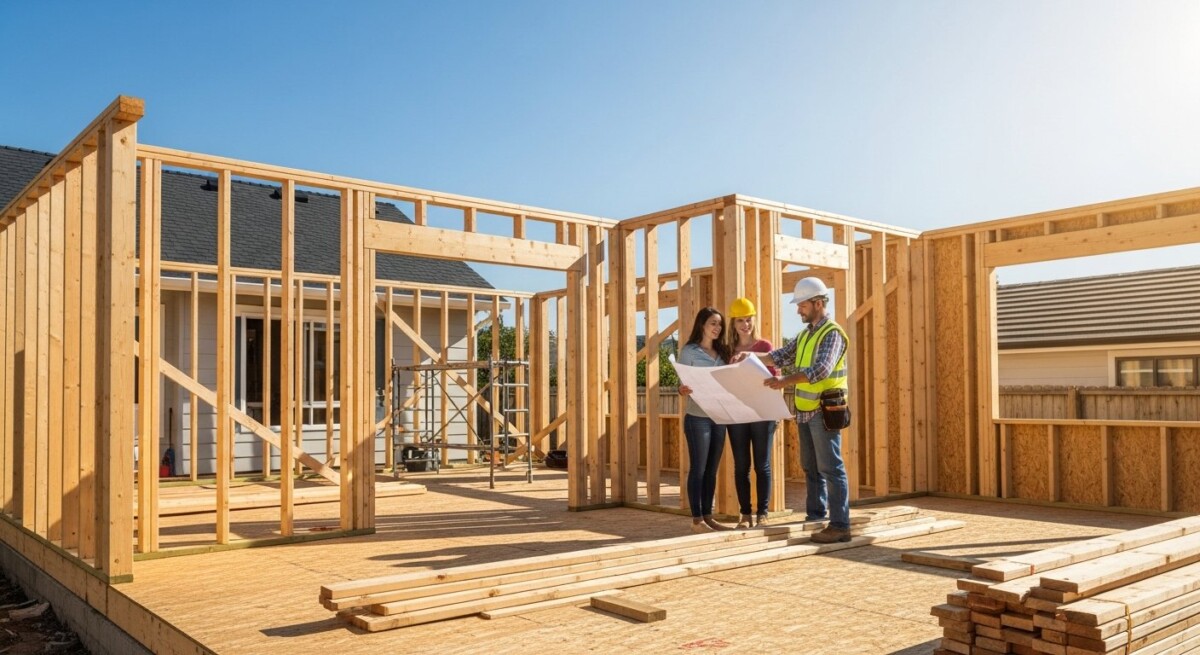
You have finally decided that your home needs more space. Maybe the kids are getting older and need their own rooms. Perhaps you are tired of squeezing your extended family into a cramped dining room for holiday dinners. Or you might simply want a home office that does not double as a laundry room. The excitement of adding a new room or expanding your kitchen is real, but then the questions start. The biggest question is almost always the same: “How much is this going to cost me?”
You start searching online for the average cost for home addition, but the numbers you find vary wildly. One website says $20,000. Another says $80,000. Your neighbor claims he did his for $15,000. The confusion is frustrating, and it can make you feel paralyzed. If you delay your project because you are unsure about the budget, you might miss the best time to build or end up settling for a temporary solution that does not really solve your space problem.
Understanding the real numbers behind a home addition is the first step toward making a smart decision. This article will break down the costs in clear, simple terms. You will learn what drives the price up, what drives it down, and how to get accurate quotes so you can move forward with confidence.
Understanding Average Cost for Home Addition
A home addition is any new space you add to your existing house. It could be a sunroom, a second story, a master suite, or a simple bump-out for a larger kitchen. The average cost for home addition in the United States typically falls between $22,000 and $80,000, but this is a wide range for a reason. The final number depends on the size of the addition, the materials you choose, and the complexity of the work.
Most homeowners pay between $100 and $200 per square foot for a basic addition. A simple first-floor family room with standard finishes might land on the lower end. A second-story addition with a bathroom and custom cabinetry will push you toward the higher end. Regional labor rates also play a big role. A project in a high-cost city like San Francisco or New York will cost significantly more than a similar project in a rural area in the Midwest.
Homes most affected by high addition costs are older houses with outdated foundations or non-standard construction. If your home has a crawlspace instead of a slab, or if you need to upgrade your electrical panel to support the new space, those hidden costs add up quickly. Knowing your home’s specific condition is essential before you set a budget.
Why This Matters for Your Home
Ignoring the financial reality of a home addition can lead to serious problems. If you start the project without a clear budget, you might run out of money halfway through. This leaves you with an unfinished space, exposed framing, and a hole in your wall. Finishing a half-built addition later often costs more because contractors charge extra for returning to a jobsite.
There are also safety risks. An addition that is not properly engineered can strain your existing foundation or roof structure. This can lead to cracks, leaks, or even structural failure over time. Poorly planned additions can also create moisture problems, which lead to mold and rot. These issues do not just ruin your new room,they can damage the rest of your house.
Delaying the project because you are afraid of the cost is also risky. Construction prices tend to rise over time due to inflation and material shortages. What costs $40,000 today might cost $50,000 next year. Getting a clear picture of the average cost for home addition now allows you to plan, save, and build before prices climb even higher.
If you notice signs of this issue in your home, it may help to speak with a qualified contractor. Request a free quote or call to explore your repair or remodeling options.
Common Problems Homeowners Experience
One of the most common problems homeowners face when planning an addition is underestimating the hidden costs. You might budget for lumber, windows, and labor, but forget about permits, engineering fees, and utility connections. These extras can add 10 to 20 percent to your total project cost. Another frequent issue is scope creep,adding one more feature, then another, until your budget is blown.
Another major problem is choosing the wrong contractor. You might hire a general handyman who offers a low price, only to discover halfway through that the work does not meet local building codes. Fixing code violations can be expensive and time-consuming. On the flip side, hiring the most expensive contractor without comparing quotes can also lead to overpaying for the same quality of work.
Here are some common issues homeowners experience when building an addition:
- Underestimating the cost of foundation work, especially on sloped lots
- Discovering asbestos or lead paint during demolition, which adds removal costs
- Realizing the existing HVAC system cannot handle the new square footage
- Facing delays due to permit approval or material backorders
- Dealing with unexpected water or electrical line relocations
- Struggling to match the new addition’s style and materials with the existing home
How Professionals Solve the Problem
Experienced contractors solve these problems before they become disasters. A professional starts with a thorough site inspection. They look at your foundation, roof structure, electrical panel, and plumbing lines to identify any hidden issues. This upfront work prevents surprises during construction. They also handle the permit process, which saves you time and ensures the addition meets local codes.
The typical process for a professional home addition follows these steps:
- Initial consultation and design , You discuss your needs, and the contractor or architect sketches a plan that fits your home and budget.
- Site preparation and foundation work , The crew clears the area, digs footings, and pours a foundation that matches your existing home’s structure.
- Framing and rough-ins , The skeleton of the addition goes up, and electricians, plumbers, and HVAC technicians run their lines before the walls are closed.
- Insulation, drywall, and finishing , The space is insulated, drywalled, and finished with flooring, paint, trim, and fixtures.
- Final inspection and punch list , A city inspector checks the work, and the contractor fixes any minor issues before you move in.
Professional work is almost always safer and more reliable than a DIY approach. Building an addition requires knowledge of load-bearing walls, proper flashing, and energy codes. Mistakes in these areas can be dangerous and expensive to fix. Professionals also carry insurance, which protects you if something goes wrong on the job site.
A professional inspection can reveal hidden issues before they become expensive repairs. Compare contractor quotes here or call to discuss your project.
Warning Signs You Should Not Ignore
Before you even start planning an addition, you need to make sure your current home is structurally sound. There are warning signs that indicate your house may not be ready for a new addition. If you ignore these signs, you could end up with a project that costs far more than the average cost for home addition.
Pay attention to cracks in your foundation, sagging floors, or doors that stick. These can indicate foundation settlement or framing issues that need to be addressed before adding weight. Also, check your electrical panel. If it is already maxed out, you will need an upgrade to power your new space. Water stains on ceilings or walls suggest roof leaks or plumbing issues that should be fixed first.
Here are warning signs that suggest you need professional evaluation before starting an addition:
- Visible cracks wider than 1/8 inch in your foundation walls or slab
- Floors that slope or feel bouncy when you walk across them
- Windows or doors that no longer close properly
- Frequent circuit breaker trips or flickering lights
- Musty odors or visible mold in your basement or crawlspace
- Roof shingles that are curled, cracked, or missing
What Affects the Cost of Repairs or Installation
The cost of a home addition is not a fixed number. Several factors influence the final price, and understanding them helps you make smarter decisions. The single biggest factor is the size of the addition. A 200-square-foot room will cost less than a 500-square-foot suite, but the price per square foot often drops slightly for larger projects because fixed costs like permits and site prep are spread out.
Materials also play a huge role. Standard vinyl windows and laminate flooring keep costs low. Custom windows, hardwood floors, and stone countertops drive the price up. Labor rates vary by region and by the complexity of the work. A simple one-story addition on a slab is cheaper than a second-story addition that requires structural reinforcement and a new roof tie-in. Accessibility matters too. If your contractor has to carry materials through your house because there is no side-yard access, labor costs will increase.
The age of your home is another critical factor. Older homes often have outdated wiring, cast-iron pipes, or asbestos insulation that must be replaced or abated. These hidden conditions can add thousands of dollars to your project. A thorough inspection before you start can reveal these issues and help you budget accurately. For more details on how general contractor fees factor into your budget, check out our guide on the average cost to hire a general contractor explained.
Costs can vary depending on the condition of your home. The best way to know the price is to get a personalized estimate. Request free quotes from contractors or call today.
How to Choose the Right Contractor
Choosing the right contractor is just as important as setting the right budget. A bad contractor can turn your dream addition into a nightmare of delays, shoddy work, and legal disputes. A good contractor makes the process smooth and delivers a space you will love for decades. Start by asking for recommendations from friends, neighbors, or your local building supply store.
Once you have a few names, do your homework. Check their license and insurance. A licensed contractor has passed exams and meets state requirements. Insurance protects you if a worker gets injured on your property. Read online reviews on sites like Google, Yelp, and the Better Business Bureau. Look for patterns in the feedback,multiple complaints about communication or scheduling are red flags.
Here are tips for selecting the right contractor for your addition:
- Ask for at least three detailed written estimates that break down materials, labor, and permits
- Confirm they have experience with home additions, not just kitchen or bathroom remodels
- Request references from recent addition projects and call those homeowners
- Verify their workers’ compensation and liability insurance certificates
- Get a clear timeline in writing, including milestones for progress payments
Long-Term Benefits of Professional Work
Investing in a professionally built home addition pays off in many ways over time. First, safety is non-negotiable. A properly engineered addition will not sag, shift, or leak. Your family will be safe from structural failures and electrical hazards. Second, durability means your addition will look good and function well for decades. Professional contractors use quality materials and correct installation methods that stand up to weather and daily use.
Energy efficiency is another major benefit. A well-insulated addition with energy-efficient windows and doors reduces your heating and cooling bills. Some homeowners see their monthly utility costs drop even after adding square footage, because the new space is built to modern energy codes. Over time, these savings can offset a portion of your construction costs.
Finally, a professional addition increases your home’s resale value. According to real estate data, homeowners typically recoup 50 to 70 percent of the cost of a midrange addition when they sell. In hot housing markets, the return can be even higher. A well-designed addition also makes your home more attractive to buyers because it offers functional space that is ready to use. If you are looking for ideas on how to plan your addition, our article on before and after ideas for modular home additions provides helpful inspiration.
What is the average cost for a home addition per square foot?
Most homeowners pay between $100 and $200 per square foot for a standard home addition. Basic additions with simple finishes land around $100 per square foot, while custom additions with high-end materials can exceed $200 per square foot. This range includes labor, materials, permits, and basic finishes but excludes major site work or utility upgrades.
Does a home addition increase property taxes?
Yes, a permitted home addition typically increases your property taxes. The county assessor will reassess your home’s value after the addition is complete. The increase depends on your local tax rate and the added square footage. You can ask your contractor or local assessor’s office for an estimate of the tax impact before you build.
How long does it take to build a home addition?
A typical single-room addition takes 8 to 16 weeks from start to finish. Simple projects like a sunroom might take 4 to 6 weeks. Complex additions, such as a second story or a master suite with a bathroom, can take 4 to 6 months. Delays due to weather, material shortages, or permit issues are common, so add a buffer to your timeline.
Can I finance a home addition?
Yes, there are several ways to finance a home addition. Common options include a home equity loan, a home equity line of credit (HELOC), a cash-out refinance, or a personal loan. Some contractors also offer financing through third-party lenders. Compare interest rates and terms before choosing a financing method.
Do I need a permit for a home addition?
Yes, almost all home additions require a building permit from your local municipality. Permits ensure the work meets safety and zoning codes. Building without a permit can result in fines, forced removal of the addition, and difficulty selling your home later. Your contractor should handle the permit application as part of their service.
What is the cheapest type of home addition?
A bump-out addition,typically 50 to 100 square feet,is usually the cheapest option. These small extensions do not require a full foundation and can often tie into an existing room. A prefabricated sunroom or modular addition can also be cost-effective. For more details on planning a budget-friendly project, read our guide on the average cost for kitchen remodel, which covers similar budgeting principles.
Will a home addition add value to my house?
In most cases, yes. A well-designed home addition can increase your home’s resale value by 50 to 70 percent of the construction cost. Additions that add a bedroom or a bathroom tend to offer the highest return on investment. Location and market conditions also play a role, so check with a local real estate agent before starting.
How do I get accurate cost estimates for my addition?
The best way to get accurate estimates is to have multiple contractors visit your home and provide detailed written quotes. Be sure each quote includes the same scope of work so you can compare apples to apples. Ask about allowances for fixtures, flooring, and cabinets, and clarify what is not included in the price.
Adding space to your home is an exciting project that can improve your daily life and increase your property value. The key to a successful addition is understanding the average cost for home addition and planning accordingly. Do not let the fear of unknown costs hold you back. Get multiple quotes from qualified contractors, ask questions, and move forward with a clear budget. Your dream space is within reach,you just need the right information and the right team to make it happen.

About
Average Cost for Home Addition: Budgeting Your Project
Learn the average cost for home addition, what drives pricing, and how to budget wisely. Get tips on choosing contractors and avoiding hidden costs.
Average Home Project Cost Estimates: A Homeowner’s Guide
Learn how average home project cost estimates work, what affects pricing, and why getting professional quotes early can save you money and stress.
How a Project Cost Estimation Platform Saves Homeowners Money
Learn how a project cost estimation platform helps homeowners avoid overpaying, compare contractor quotes, and plan home repairs with confidence. Free tools inside.
Find a Pro!
"*" indicates required fields