
Average Home Project Cost Estimates: A Homeowner’s Guide

You finally decide to fix that drafty window, replace the worn-out kitchen countertops, or add a deck for summer barbecues. Then reality hits: you have no idea what it should cost. One neighbor says a few hundred dollars, another quotes several thousand, and an online search gives you a range so wide it feels useless. This confusion is more common than you might think, and it often leads homeowners to delay projects, overspend, or hire the wrong contractor. Understanding average home project cost estimates can save you time, money, and stress,and help you move forward with confidence.
Understanding Average Home Project Cost Estimates
An average home project cost estimate is a rough price range for a specific repair or renovation, based on typical market rates, material costs, and labor. Think of it as a starting point,not a final bill. These estimates help you set a realistic budget and compare offers from different professionals.
Costs vary widely because every home and project is unique. The age of your house, the quality of materials you choose, and even your geographic location all influence the final price. For example, a bathroom remodel in a 1950s home may involve unexpected plumbing updates, while a similar project in a newer house might be more straightforward. In our guide on average home project cost estimates, we break down what drives those numbers so you can plan smarter.
Homes with older systems or custom features are often the most affected by cost surprises. If your property hasn’t been updated in decades, you may face higher-than-average labor and material expenses. Knowing this upfront keeps you from being blindsided.
Why This Matters for Your Home
Ignoring the true cost of a project can lead to bigger problems than a strained budget. When homeowners underestimate expenses, they may cut corners, use cheap materials, or abandon projects halfway. This can result in unsafe conditions, like faulty wiring or a poorly installed roof, that put your family at risk.
Delaying necessary repairs because of cost uncertainty often makes things worse. A small plumbing leak that could have been fixed for a few hundred dollars can turn into water damage, mold, and thousands in restoration. Your home’s value also takes a hit when visible issues,like peeling paint or cracked siding,are left unaddressed.
On the flip side, understanding realistic cost ranges empowers you to make informed decisions. You can prioritize projects, set aside the right amount of money, and avoid the stress of unexpected bills. It’s not about spending more; it’s about spending wisely to protect your biggest investment.
If you notice signs of this issue in your home, it may help to speak with a qualified contractor. Request a free quote or call to explore your repair or remodeling options.
Common Problems Homeowners Experience
One of the most frequent problems homeowners face is receiving wildly different quotes for the same project. A kitchen remodel might be quoted at $15,000 by one contractor and $30,000 by another, leaving you unsure which is fair. This confusion often leads to analysis paralysis,or choosing the cheapest option without understanding why it’s lower.
Another common issue is underestimating the scope of work. Many homeowners assume a project is simple, only to discover hidden problems once work begins. For example, replacing a few roof shingles might reveal underlying rot that needs immediate attention, adding hundreds or thousands to the bill.
Here are some of the most common situations where cost estimates catch homeowners off guard:
- Outdated electrical or plumbing that needs upgrading during a remodel
- Asbestos or lead paint discovered in older homes during demolition
- Permit fees and inspection costs that weren’t factored into the budget
- Material price fluctuations, especially for lumber or specialty tiles
- Accessibility issues, like a roof with steep pitches or a basement with limited entry
- Labor shortages in your area that drive up hourly rates
How Professionals Solve the Problem
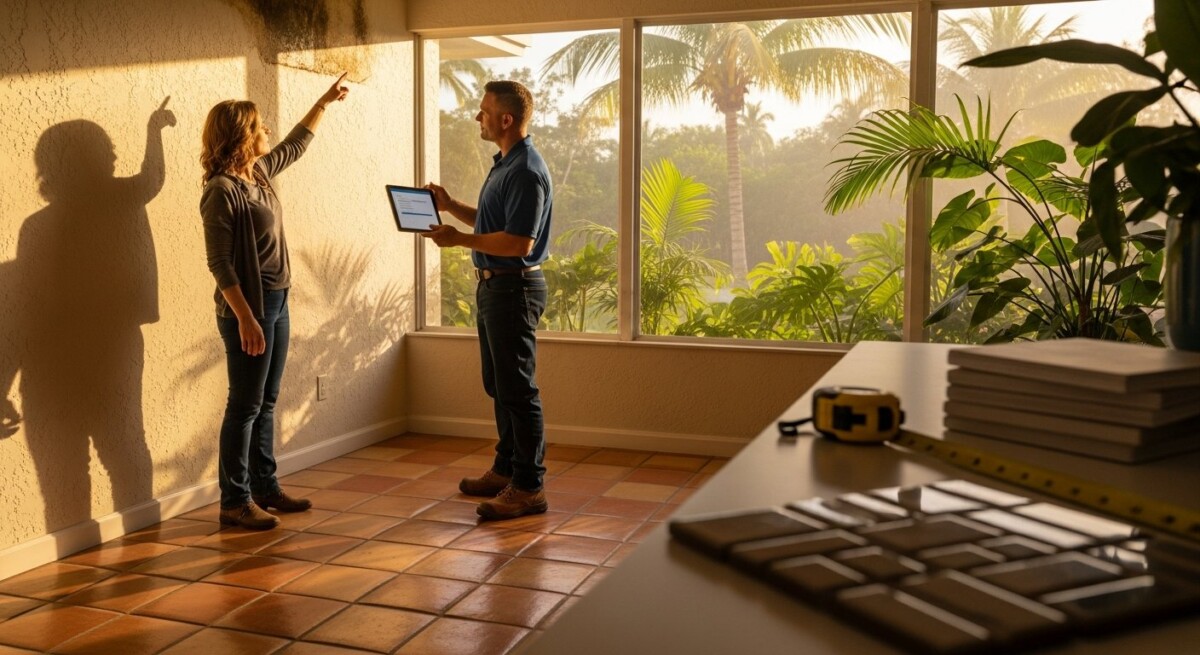
Experienced contractors bring more than tools,they bring a process. When you hire a pro, they start with a thorough inspection of your home. This allows them to identify hidden issues like water damage, structural weaknesses, or outdated systems that could affect the project. They then provide a detailed estimate that breaks down materials, labor, permits, and timelines.
The typical process for a professional repair or installation follows these steps:
- On-site assessment: The contractor inspects the area and measures everything needed for an accurate quote.
- Material selection: They help you choose products that fit your budget and style, explaining price differences clearly.
- Permit handling: Most professionals obtain necessary permits, ensuring your project meets local building codes.
- Scheduling and execution: Work is completed in a logical sequence, with minimal disruption to your daily life.
- Final walkthrough: The contractor reviews the finished work with you and addresses any concerns before payment.
Professional work is safer and more reliable than DIY fixes, especially for projects involving electricity, plumbing, or structural changes. A mistake in these areas can lead to fires, floods, or collapse,costing far more than the original estimate. For more insight on when to tackle a job yourself and when to call a pro, read our article on DIY vs Contractor: How To Choose Your Home Project Path.
A professional inspection can reveal hidden issues before they become expensive repairs. Compare contractor quotes here or call to discuss your project.
Warning Signs You Should Not Ignore
Your home often sends clear signals when a project will be more complex,or more expensive,than expected. Learning to spot these signs early can help you budget correctly and avoid emergency repairs. Ignoring them rarely saves money; it usually costs more in the long run.
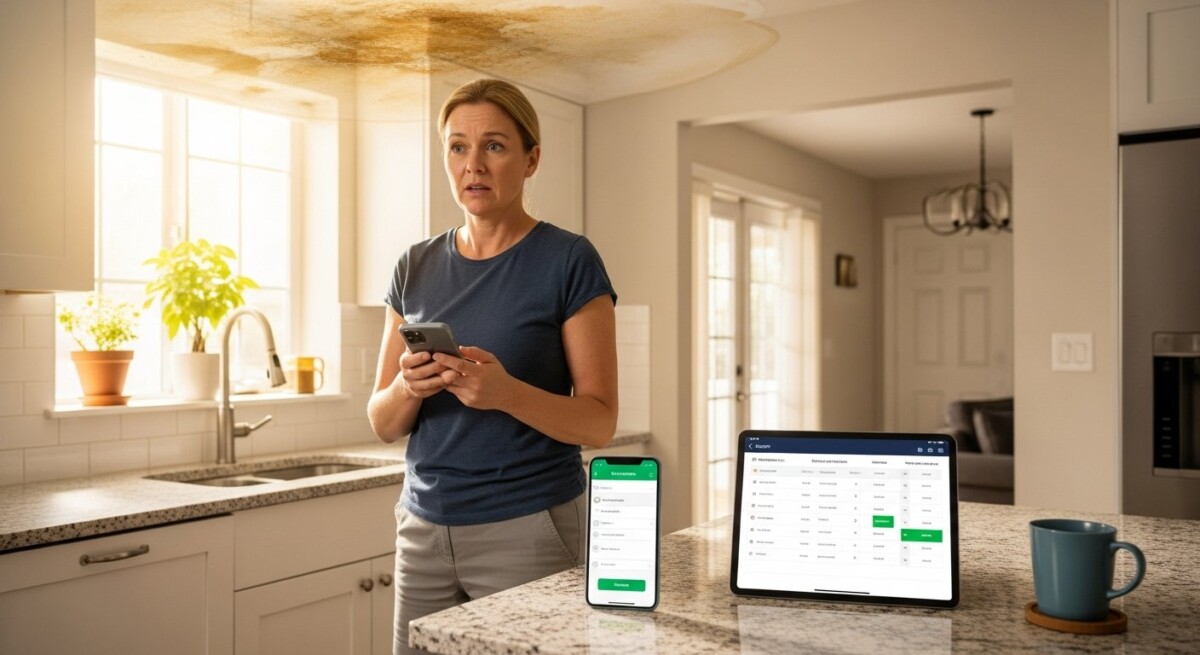
For instance, if you notice water stains on your ceiling, that small spot could indicate a roof leak or pipe issue that has been spreading for months. Similarly, a door that sticks might seem like a minor annoyance, but it could point to foundation movement that requires significant structural work.
Here are warning signs that suggest you may need professional help and a realistic cost estimate:
- Persistent musty odors or visible mold growth, indicating moisture problems
- Cracks in walls, ceilings, or foundations that widen over time
- Higher-than-normal utility bills, which often signal poor insulation or HVAC issues
- Water pooling around your home’s foundation after rain
- Floors that feel uneven or sag in certain areas
- Outdated systems (wiring, plumbing, roof) that are 20+ years old
What Affects the Cost of Repairs or Installation
Several factors determine the final price of any home project, and understanding them helps you evaluate estimates more effectively. Size matters,a small bathroom renovation costs less than a full kitchen remodel, but even within similar projects, variations exist. The quality of materials you select also drives costs up or down significantly.
Labor is another major factor. Skilled tradespeople charge more in areas with high demand or a high cost of living. Accessibility also plays a role: a roof with a steep pitch requires extra safety equipment and time, increasing labor costs. Older homes often hide surprises like knob-and-tube wiring or cast-iron pipes that need replacement, adding to the total.
Seasonality can affect pricing too. Contractors are busiest in spring and summer, so you may pay a premium for work during those months. Winter tends to be slower, which can lead to lower rates or more flexible scheduling. To simplify your planning, consider using a home project quote system that aggregates estimates from multiple professionals.
Costs can vary depending on the condition of your home. The best way to know the price is to get a personalized estimate. Request free quotes from contractors or call today.
How to Choose the Right Contractor
Selecting a contractor is one of the most important decisions you’ll make during a home project. A good contractor delivers quality work on time and within budget, while a bad one can turn your dream renovation into a nightmare. Start by asking friends, neighbors, or online community groups for recommendations.
Once you have a few names, do your homework. A reputable contractor should be licensed, insured, and willing to provide references from recent clients. Don’t be shy about asking questions,this is your home and your money. The more informed you are, the better your choice will be.
Here are practical tips for vetting contractors:
- Verify their license and insurance (general liability and workers’ compensation)
- Read online reviews on Google, Yelp, or the Better Business Bureau
- Ask for a detailed written estimate that lists materials, labor, and timeline
- Get at least three quotes to compare pricing and approach
- Confirm they have experience with projects similar to yours
Long-Term Benefits of Professional Work
Investing in professional repairs or installations pays off in ways that go beyond the immediate fix. Quality work lasts longer, which means you won’t have to revisit the same problem in a year or two. This durability saves you money and hassle over time.
Safety is another major advantage. Professionals follow building codes and safety standards that protect your family. For example, a licensed electrician ensures your wiring won’t overheat or cause a fire, while a structural engineer verifies that a load-bearing wall isn’t compromised during a remodel.
Energy efficiency is a hidden but valuable benefit. Properly installed windows, insulation, and HVAC systems reduce your monthly utility bills and make your home more comfortable. And when it’s time to sell, a well-maintained home with documented professional work commands a higher resale value. You’re not just fixing a problem,you’re adding to your home’s long-term worth.
What is the average cost of a kitchen remodel?
The average cost of a kitchen remodel in the U.S. ranges from $15,000 to $50,000, depending on the size, materials, and scope. A minor update like new countertops and paint might cost $10,000, while a full gut renovation with custom cabinets can exceed $75,000. Getting multiple quotes helps you understand where your project falls within this range.
How much does it cost to replace a roof?
Roof replacement costs typically range from $5,000 to $15,000 for an average-sized home, though factors like pitch, materials (asphalt vs. metal), and location affect the price. A steep roof or one with multiple layers of old shingles will cost more. Always ask for an inspection-based estimate to avoid surprises.
Why do contractor quotes vary so much?
Quotes vary because contractors factor in different overhead costs, profit margins, material sources, and labor rates. A lower quote might use cheaper materials or cut corners on permits. A higher quote could include better warranties or more thorough prep work. Comparing detailed breakdowns helps you see what you’re paying for.
How can I get an accurate home project cost estimate?
Start by describing your project clearly to at least three contractors and ask them to visit your home for an on-site assessment. Provide the same specifications to each so you can compare apples to apples. Online cost calculators can give you a ballpark, but nothing beats a professional inspection.
Should I get a permit for my home renovation?
Most major renovations,like structural changes, electrical work, or plumbing,require a permit from your local building department. Permits ensure the work meets safety codes and can affect your home insurance and resale value. A reputable contractor will handle the permit process for you.
How do I budget for unexpected costs during a renovation?
A good rule of thumb is to set aside 10,20% of your total budget for surprises. If your kitchen remodel is estimated at $30,000, keep $3,000 to $6,000 in reserve. This covers issues like hidden water damage or outdated wiring that only become visible once work begins.
Understanding average home project cost estimates is the first step toward a successful renovation or repair. By knowing what to expect, you can plan your budget, avoid costly mistakes, and hire the right professional for the job. Don’t let uncertainty hold you back,compare contractor quotes today and move forward with confidence.

About
Home Improvement Quote Generator: Save Time and Compare Costs
Learn how a home improvement quote generator helps homeowners compare costs, save time, and find trusted contractors for repairs and renovations.
How to Get Accurate Renovation Quotes in Miami Florida
Learn how to get accurate renovation quotes in Miami Florida, understand costs, avoid common pitfalls, and choose the right contractor for your home project.
Average Home Project Cost Estimates: A Homeowner’s Guide
Learn what affects average home project cost estimates, how to budget, and when to call a pro. Get practical advice and compare contractor quotes.
Find a Pro!
"*" indicates required fields