
Why Homeowners Should Compare Estimates Before Any Project
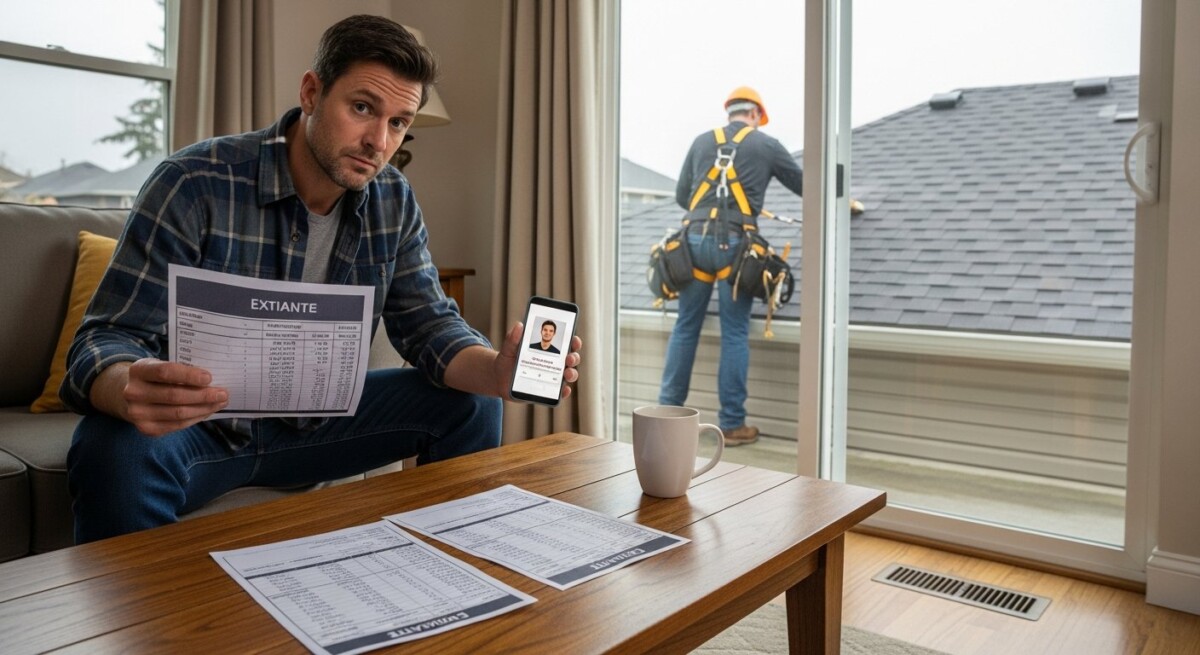
You walk into your kitchen one morning and notice a water stain spreading across the ceiling. Or maybe your HVAC system starts making a strange noise, or your roof shingles look worn after a heavy storm. These moments happen in almost every home at some point. Your first instinct might be to call the first contractor you find and get the problem fixed as fast as possible. But that rush can cost you,both in money and peace of mind. That is exactly why homeowners should compare estimates before committing to any repair or remodeling project.
When you take the time to gather multiple quotes, you gain clarity on what a fair price looks like, what materials are recommended, and which contractor truly understands your home’s needs. Without comparing estimates, you risk overpaying, hiring an unqualified worker, or missing hidden problems that could grow into much larger expenses. This article will walk you through the practical reasons to compare quotes, the warning signs to watch for, and how to choose a contractor you can trust.
Understanding Why Homeowners Should Compare Estimates
Comparing estimates simply means asking at least three different contractors to inspect your home and provide a written price for the same scope of work. It is not about hunting for the cheapest bid. It is about understanding the range of prices, the quality of materials proposed, and the level of detail each contractor includes. When you compare estimates side by side, you can spot outliers,both too low and too high,and ask informed questions.
This practice matters because home repair and remodeling costs vary widely depending on your region, the condition of your home, and the contractor’s experience. A quote that seems reasonable might exclude critical steps like permits, cleanup, or warranty coverage. Another quote might include premium materials you do not actually need. By comparing estimates, you protect yourself from surprises and ensure you are paying for work that will last.
Homes most affected by this issue are older properties with aging systems, homes that have had multiple previous owners, and houses located in regions with extreme weather. But any homeowner can benefit from the simple habit of gathering multiple quotes before a project begins.
Why This Matters for Your Home
Skipping the step of comparing estimates can lead to serious consequences for your property. One common outcome is paying too much for substandard work. A contractor who knows you have no other quotes may inflate prices or cut corners on materials. Over time, that poor work can lead to water damage, structural issues, or system failures that cost thousands more to fix.
Safety is another major concern. A lowball quote might come from an unlicensed or uninsured contractor who takes shortcuts that put your family at risk. Faulty electrical work, improper ventilation, or inadequate roofing can create fire hazards, mold growth, or collapse risks. Comparing estimates helps you verify that each contractor is licensed, insured, and committed to following building codes.
Finally, your home’s comfort and value depend on quality repairs and installations. A professional contractor who provides a detailed estimate will also offer a warranty and stand behind their work. That peace of mind is worth far more than the few dollars you might save by choosing the first option. If you notice signs of damage or wear in your home, it may help to speak with a qualified contractor.
If you notice signs of this issue in your home, it may help to speak with a qualified contractor. Request a free quote or call to explore your repair or remodeling options.
Common Problems Homeowners Experience
Homeowners who do not compare estimates often face a pattern of frustrating problems. The most common is budget overrun. A contractor gives a verbal quote that seems fine, but once the work starts, unexpected fees appear,for materials, disposal, or additional labor. Without a written estimate to compare, you have no leverage to push back.
Another frequent issue is mismatched expectations. One contractor might promise a two-week timeline while another says six weeks. Without comparing estimates, you might choose the faster option only to find the contractor rushed the job or skipped important steps. Quality suffers, and you end up paying for repairs again sooner than expected.
Below are some of the most common problems homeowners report when they skip the estimate comparison step:
- Unexpected price increases mid-project due to vague or incomplete initial quotes
- Poor workmanship that requires redoing the project within a year
- Use of low-quality materials that wear out faster than promised
- Missed deadlines that leave your home in disarray for weeks or months
- Lack of proper permits, leading to fines or issues when selling your home
- Difficulty holding the contractor accountable because no detailed scope of work was agreed upon
How Professionals Solve the Problem
Experienced contractors solve these problems by providing clear, itemized estimates that break down every cost. They understand that an informed homeowner is a satisfied homeowner. When you request a quote from a professional, they will typically inspect your home, discuss your goals, and then provide a written document that lists materials, labor, permits, cleanup, and warranty terms.
Here is the typical process a professional contractor follows for most repair or remodeling projects:
- Initial consultation and inspection , The contractor visits your home, assesses the issue, and takes measurements or photos.
- Scope of work discussion , They ask about your preferences, budget, and timeline, then explain what is realistic.
- Written estimate , You receive a detailed quote that includes all costs, payment schedule, and project timeline.
- Contract signing , Once you approve the estimate, both parties sign a contract that protects you and the contractor.
- Project execution , The contractor completes the work according to the agreed scope, with regular updates and site cleanup.
- Final walkthrough and warranty , You inspect the finished work, and the contractor provides warranty documentation.
Professional work is almost always safer and more reliable than DIY fixes because contractors have the training, tools, and insurance to handle unexpected issues. They also know local building codes, so your project will pass inspection and maintain your home’s value.
A professional inspection can reveal hidden issues before they become expensive repairs. Compare contractor quotes here or call to discuss your project.
Warning Signs You Should Not Ignore
Some home problems are obvious, like a leaking pipe or a broken window. Others are subtle and easy to dismiss. Recognizing early warning signs can save you from major repairs later. When you spot these signs, comparing estimates becomes even more important because you need to act quickly but wisely.
For example, a small crack in your foundation might seem harmless, but it can widen over time and compromise your home’s structure. Similarly, a roof that is 15 years old might look fine from the ground, but missing shingles or granules in the gutter signal that replacement is near. Ignoring these signs leads to water damage, higher energy bills, and safety risks.
Here are warning signs that suggest you should request estimates from contractors soon:
- Water stains on ceilings or walls, even if they appear small
- Higher than normal utility bills that suggest poor insulation or HVAC inefficiency
- Peeling paint or wallpaper near windows or doors, indicating moisture intrusion
- Musty odors in basements or crawlspaces, which often signal mold or mildew
- Cracks in foundation walls, driveways, or sidewalks that are widening over time
- Doors or windows that stick or do not close properly, suggesting structural shifts
What Affects the Cost of Repairs or Installation
Several factors influence how much a home repair or remodeling project will cost. Understanding these factors helps you evaluate estimates more accurately and avoid sticker shock. The size of the project is the most obvious factor,a full kitchen remodel costs far more than fixing a single leaky faucet. But even within similar projects, prices can vary.
Materials play a huge role. Choosing premium hardwood flooring versus laminate, or custom cabinets versus stock, can double or triple the cost. Labor rates also vary by region and by the contractor’s experience level. Accessibility matters too: a roof with a steep pitch or a basement with limited entry will cost more to work on because it takes more time and safety equipment.
Finally, the age of your home can affect the price. Older homes often have outdated wiring, plumbing, or insulation that must be brought up to code during a remodel. That adds time and materials to the project. Comparing estimates helps you see which contractors have accounted for these variables and which ones might be overlooking them.
Costs can vary depending on the condition of your home. The best way to know the price is to get a personalized estimate. Request free quotes from contractors or call today.
How to Choose the Right Contractor
Choosing the right contractor is just as important as comparing their estimates. A low price is not a bargain if the contractor does poor work or disappears mid-project. Start by asking for recommendations from neighbors or friends, and then verify each contractor’s credentials. Most reputable contractors are happy to provide proof of licensing and insurance.
When you have gathered three to four estimates, compare them not just on price but on detail. A good estimate will list every line item, from materials to labor to permits. It will also include a timeline and payment schedule. Avoid contractors who give only a verbal quote or a one-line price without explanation. They are likely hiding costs or skipping important steps.
Here are practical tips for choosing a contractor you can trust:
- Check that the contractor is licensed in your state and carries general liability and workers’ compensation insurance
- Read online reviews on platforms like Google, Yelp, or the Better Business Bureau, focusing on recent feedback
- Ask for at least three references from similar projects and call them to ask about their experience
- Request a detailed written estimate that includes materials, labor, permits, cleanup, and warranty terms
- Confirm the contractor has experience with your specific type of project, whether it is roofing, remodeling, or HVAC
Long-Term Benefits of Professional Work
Investing in professional repairs and remodeling pays off in many ways that go beyond the initial project. First, professional work is safer. A licensed contractor follows building codes and safety standards, reducing the risk of fire, electrical shock, or structural failure. That protection is invaluable for your family.
Second, professional work lasts longer. Quality materials and proper installation mean you will not need to repair or replace the same item next year. That durability saves you money and hassle over time. Many professional contractors also offer warranties on both materials and labor, giving you recourse if something goes wrong.
Finally, professional work increases your home’s value. When it comes time to sell, buyers and appraisers look for evidence of quality updates. A new roof, remodeled kitchen, or efficient HVAC system can raise your home’s market price and help it sell faster. Comparing estimates and hiring the right contractor is an investment in your home’s future.
How many estimates should I get before hiring a contractor?
Most experts recommend getting at least three written estimates from different contractors. This gives you a good sense of the price range and helps you spot any outliers. If all three estimates are similar, you can feel confident about the market rate. If one is much lower or higher, ask questions to understand why.
What should a good estimate include?
A good estimate should list materials, labor, permits, cleanup, payment schedule, and a timeline. It should also include the contractor’s license number and warranty terms. Avoid estimates that are vague or only provide a total price without breaking down the costs.
Is it rude to ask for multiple estimates?
No, it is standard practice and expected by professional contractors. Reputable contractors understand that homeowners want to make an informed decision. They would rather you compare estimates upfront than be unhappy with the price later.
How do I know if a contractor is trustworthy?
Check their license and insurance, read online reviews, and ask for references from past clients. A trustworthy contractor will also provide a written contract and be willing to answer your questions. Trust your instincts,if something feels off, keep looking.
Can I negotiate after receiving an estimate?
Yes, you can ask if the contractor is willing to adjust the price or scope of work. However, be careful not to push for a price so low that the contractor cuts corners. Focus on value and clarity rather than just the lowest number.
What if I already started a project and regret my contractor choice?
If you are unhappy with the work, stop the project and communicate your concerns in writing. You may need to hire a different contractor to finish the job. This situation is stressful, but getting estimates from new contractors can help you understand what it will take to correct the issues.
Do I need to compare estimates for small repairs too?
Yes, even for small repairs, comparing two or three estimates can save you money and ensure quality work. A small repair done poorly can lead to larger problems later. The habit of comparing estimates protects you on every project, big or small.
How long does it take to get estimates from contractors?
Most contractors can provide an estimate within a few days of visiting your home. Some may offer virtual estimates using photos and videos. Plan to spend about a week gathering and comparing quotes before making a decision.
Comparing contractor estimates is one of the simplest and most effective ways to protect your home, your budget, and your peace of mind. Whether you are facing a small repair or a major remodel, taking the time to gather multiple quotes helps you avoid overpaying, ensures quality work, and gives you the confidence that you hired the right professional for the job. Do not wait until a small problem becomes a costly emergency. Start comparing contractor quotes today to explore your options and find the best fit for your home.

About
Why Homeowners Should Compare Estimates Before Any Project
Learn why homeowners should compare estimates before any repair or remodeling project. Save money, avoid scams, and choose the right contractor with confidence.
Average Cost for Bathroom Remodel: What Homeowners Should Expect
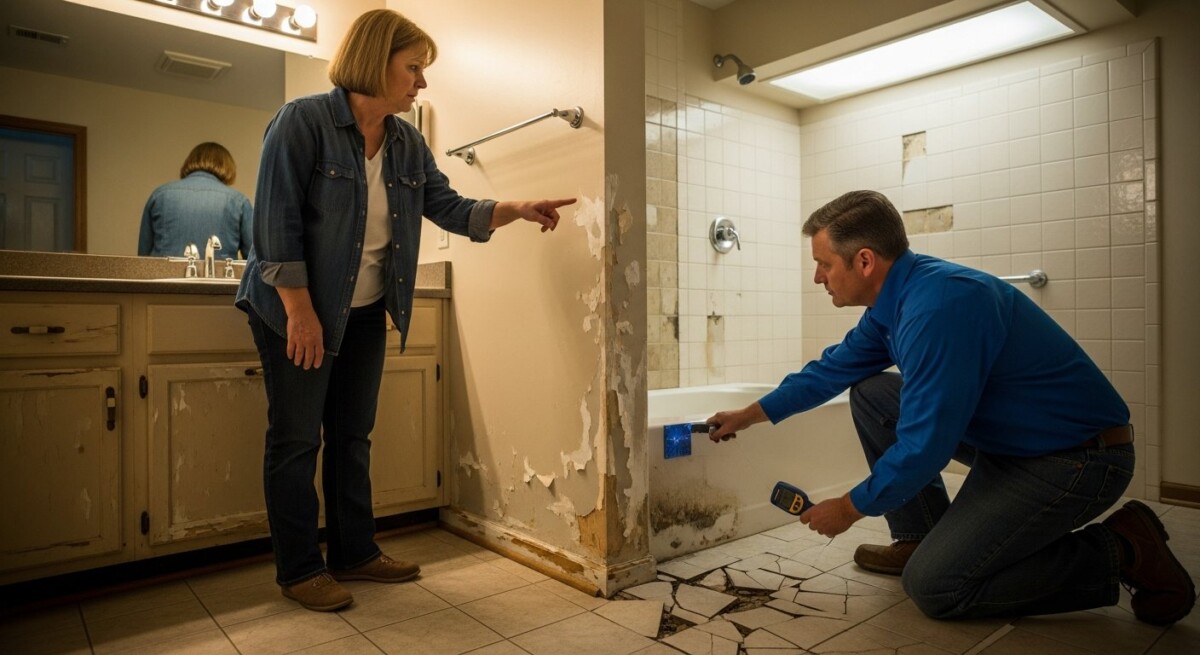
Learn the average cost for bathroom remodel, what drives pricing, and how to plan your project. Get tips on choosing a contractor and avoiding hidden costs.

How To Compare Multiple Contractor Offers: A Homeowner Guide
Learn how to compare multiple contractor offers with this practical homeowner guide. Avoid costly mistakes and choose the best contractor for your project.
Find a Pro!
"*" indicates required fields