
Why Every Homeowner Needs a Project Cost Estimation Platform
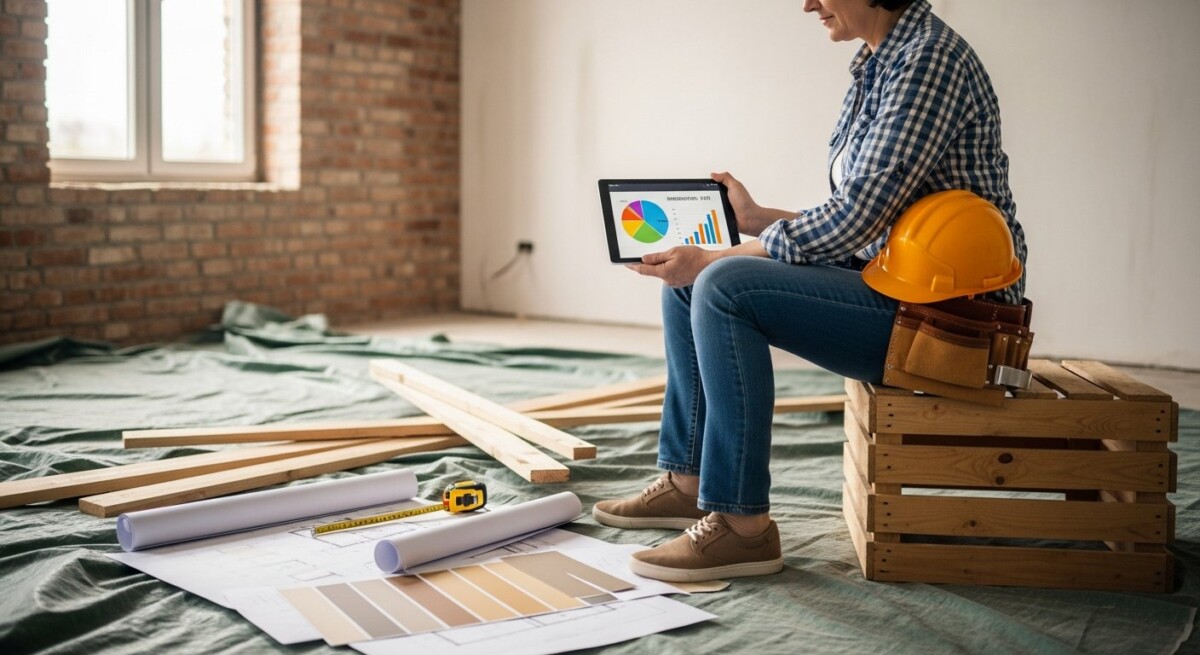
Starting a home renovation without a clear budget is like driving across the country without a map. You might get where you are going, but the detours, surprise costs, and wasted time can turn an exciting project into a financial headache. Many homeowners begin a remodel with a rough idea of costs, only to discover halfway through that materials have jumped in price, labor rates are higher than expected, or an unseen structural issue demands thousands of dollars. A project cost estimation platform eliminates this guesswork by giving you accurate, data-backed pricing before you ever sign a contract. Instead of relying on outdated averages or contractor estimates that vary wildly, you can access real-time cost data tailored to your specific project and location.
At ContractorHomeQuotes, we help homeowners plan smarter by combining transparent pricing with connections to qualified local professionals. A modern project cost estimation platform does more than just calculate numbers. It factors in regional material costs, labor rates, permit fees, and even seasonal demand fluctuations. With this level of detail, you can set a realistic budget, avoid overspending, and negotiate confidently with contractors. In our guide on what is a project cost estimation tool for homeowners, we explain how these resources empower you to take control of your renovation finances.
The Hidden Cost of Guessing Your Home Project Budget
Most homeowners approach project budgeting the same way. They ask friends for ballpark figures, search online for national averages, or get a single contractor quote and assume it is accurate. These methods are notoriously unreliable. National averages ignore regional differences. A bathroom remodel in San Francisco can cost three times more than the same job in rural Kansas. A single contractor quote may reflect one company’s overhead, not the market rate. And word-of-mouth advice is often outdated or based on a completely different scope of work.
The result is a cycle of underestimation and surprise expenses. A 2023 survey by the National Association of Home Builders found that 82 percent of homeowners who completed a major renovation reported at least one unexpected cost. The average overrun was 25 percent of the original budget. For a kitchen remodel budgeted at 40,000 dollars, that means an extra 10,000 dollars in unplanned expenses. Without a reliable cost estimation tool, homeowners are forced to either cut corners, take out emergency loans, or pause the project mid-way.
What Makes a Modern Cost Estimation Platform Different
A project cost estimation platform is not just a calculator. It is a dynamic tool that aggregates data from thousands of completed projects, supplier pricing, and local contractor rates. Unlike static spreadsheets or traditional cost books, these platforms update automatically to reflect current market conditions. This means you get estimates that are accurate today, not six months ago.
Real-Time Data vs. Regional Averages
The core advantage of a platform like ours is the use of real-time, localized data. Instead of applying a national average multiplier, the system pulls in material costs from local suppliers, labor rates from recent contractor bids in your zip code, and even incorporates permit fee schedules from your municipal building department. For example, a roofing replacement in Florida will account for hurricane-resistant materials and higher insurance requirements, while the same project in Ohio will factor in cold-weather installation costs. This granularity transforms the estimate from a rough guess into a reliable forecast.
Another key feature is the ability to adjust scope and materials instantly. Want to see how much you save by switching from granite to quartz countertops? The platform recalculates in seconds. Planning to add a skylight? The tool updates labor and material totals immediately. This interactive capability lets you test different scenarios before committing to a design or a contractor. As our analysis of how a project cost estimation platform saves homeowners money shows, the ability to compare options in real time is one of the most powerful ways to reduce waste and keep spending in check.
How to Use a Project Cost Estimation Platform in 4 Steps
Getting started with a project cost estimation platform is straightforward. Whether you are planning a small bathroom update or a full basement remodel, the process follows the same logical sequence. Here are the steps to follow:
- Describe your project in detail. Enter the type of renovation, room dimensions, desired materials, and any special requirements like structural changes or custom finishes. The more specific you are, the more accurate the estimate.
- Review the itemized cost breakdown. The platform generates a detailed list that separates material costs, labor charges, permit fees, equipment rental, and contingency reserves. This transparency helps you see exactly where your money goes.
- Adjust variables to fit your budget. Use the interactive sliders or drop-down menus to swap materials, change room size, or modify scope. The platform recalculates instantly, letting you find a version of the project that matches your financial comfort zone.
- Compare estimates with local contractor quotes. Once you have a target budget, use the platform to submit your project details to multiple pre-screened contractors. You can compare their quotes against the platform’s benchmark to identify offers that are too high or suspiciously low.
Many homeowners find that completing these steps takes less than 15 minutes, yet it saves them weeks of back-and-forth with contractors. By arriving at the bidding stage with a clear, data-backed budget, you are in a stronger negotiating position. Contractors recognize that you are an informed customer, which often leads to more competitive pricing and fewer attempts to inflate costs.
Three Key Benefits for Homeowners
Switching from traditional budgeting methods to a project cost estimation platform offers concrete advantages that go beyond simple convenience. Below are three of the most impactful benefits:
- Eliminates surprise costs. Because the platform accounts for regional pricing, material fluctuations, and hidden fees, you will not encounter unexpected charges after work begins. The estimate includes a built-in contingency, typically 10 to 15 percent, to cover minor changes without breaking the budget.
- Saves time and stress. Instead of researching prices across multiple websites, calling suppliers, and manually tracking spreadsheet updates, the platform compiles everything in one place. This frees you to focus on design decisions and actual project management.
- Improves contractor vetting. When you share a platform-generated estimate with contractors, you set a clear baseline. Contractors who bid significantly above or below that baseline raise red flags. This helps you avoid overpriced bids and lowball offers that often lead to poor workmanship or change orders.
These benefits compound over multiple projects. Once you learn how to use a cost estimation platform, the same skills apply to every future renovation, from siding replacement to landscaping. Over time, the savings from avoiding even one major budget overrun can amount to thousands of dollars. You can start by using the free project cost estimation tool on our site to get instant estimates for any home improvement job.
Common Pitfalls to Avoid When Estimating Project Costs
Even the best platform requires careful input. Some homeowners make mistakes that reduce the accuracy of their estimates. One common error is underestimating the complexity of labor. For instance, installing tile in a shower involves waterproofing, sloping, and cutting, which takes longer than installing tile on a flat floor. If your project description omits these details, the estimate will be too low. Always include notes about access constraints, old materials that need removal, and any structural work required.
Another pitfall is ignoring permit and inspection costs. Many homeowners forget that cities charge fees for building permits, and some require multiple inspections throughout the project. A good estimation platform will ask for your zip code and automatically include average permit costs, but you should still verify with your local building department. Finally, do not skip the contingency reserve. It is tempting to remove that line item to lower the total, but unexpected issues like mold behind drywall or outdated wiring are common in older homes. Keeping a 10 to 15 percent buffer is not pessimism; it is smart planning.
When used correctly, a project cost estimation platform becomes the single most valuable planning tool in your renovation toolkit. It replaces guesswork with data, empowers you to negotiate from a position of knowledge, and ultimately protects your investment. Whether you are tackling a basement conversion, a new roof, or a kitchen overhaul, start with a reliable estimate and then connect with vetted contractors who can bring your vision to life within your budget.

About

How to Handle Multiple Contractor Calls: 7 Proven Strategies
Stop feeling overwhelmed by contractor calls. Learn a proven system to manage multiple quotes, compare offers, and hire the best pro for your project.
Why Every Homeowner Needs a Project Cost Estimation Platform
Avoid costly surprises by using a project cost estimation platform to plan your home renovation budget with accurate, transparent pricing.
Why Contractors Charge Different Rates: A Homeowner’s Guide
Understand why contractors charge different rates so you can compare quotes fairly and avoid overpaying or hiring an unqualified low bidder.
Find a Pro!
"*" indicates required fields