
Why Contractor Rates Vary: A Homeowner’s Guide to Fair Pricing
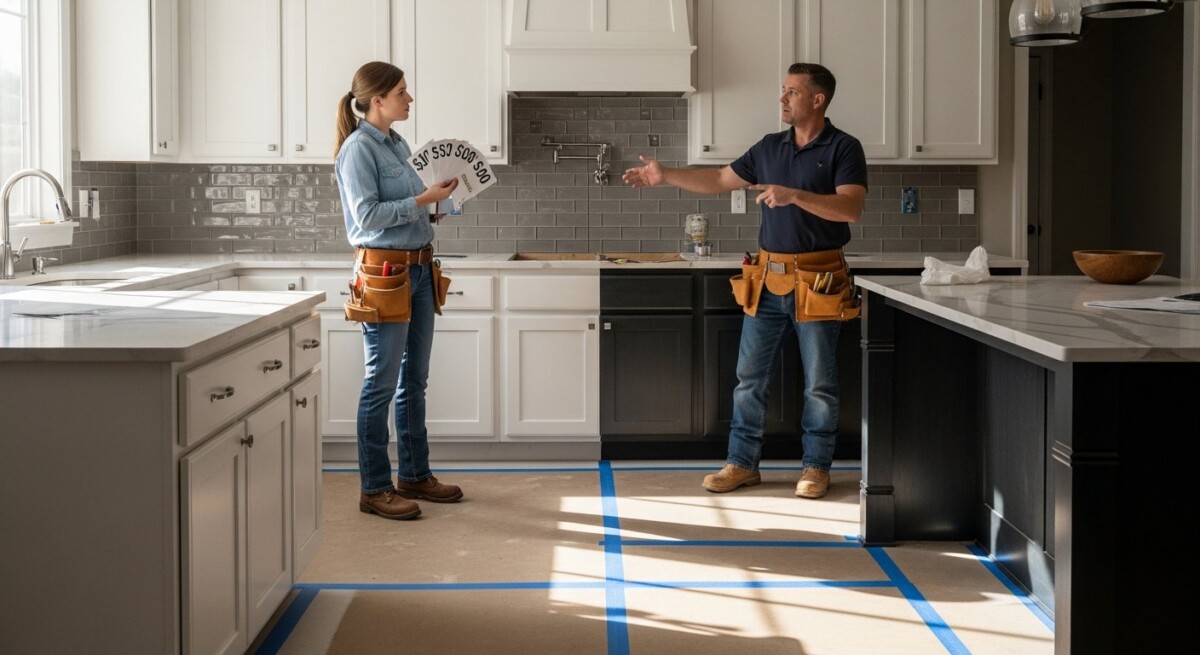
You’ve finally decided to remodel your kitchen or replace that worn-out roof. You call three contractors for estimates, expecting similar numbers. Instead, you get a $5,000 quote, a $9,000 quote, and a $14,000 quote. Your first thought might be that someone is trying to take advantage of you. But in most cases, the variation has nothing to do with dishonesty. Understanding why contractor rates vary is the first step toward making a smart, confident decision for your home.
Many homeowners discover this pricing gap only after they have already invested time in planning a project. The confusion can lead to frustration, delays, or even choosing a contractor based solely on the lowest price. Unfortunately, that low price sometimes comes with hidden risks , like unlicensed work, poor materials, or incomplete repairs. By learning what drives these cost differences, you can protect your home, your budget, and your peace of mind.
If you have ever wondered why one contractor charges twice as much as another for the same job, you are not alone. This article will break down the real reasons behind pricing differences, explain what those numbers actually mean for your project, and help you compare bids with confidence.
Understanding Why Contractor Rates Vary
Contractors charge different rates for several legitimate reasons. The most important factor is the scope of work. A detailed estimate includes specific materials, labor hours, permits, disposal fees, and overhead costs. A lower bid might skip these items, leaving you to pay for them later as change orders or unexpected expenses.
Another major factor is the contractor’s business model. Established companies often carry higher overhead , they pay for insurance, worker’s compensation, office staff, and marketing. These costs show up in their rates. Smaller operators or sole proprietors may have lower overhead but might also lack the same level of coverage or warranty protection. Neither approach is automatically right or wrong, but each affects the final price you see.
Homes most affected by pricing variation are usually older properties, homes with unique architectural features, or projects that require specialized skills. For example, a historic home renovation demands knowledge of period-appropriate materials and techniques, which naturally costs more than a standard update.
The Role of Materials and Quality
Not all materials are created equal. A contractor who specifies premium, long-lasting materials will charge more than one using budget-grade products. Your quote should list the brands, models, and grades of materials included. If two bids look similar but one is significantly cheaper, compare the material specifications carefully. The cheaper option may require replacement sooner, costing you more over time.
Why This Matters for Your Home
Choosing a contractor based only on the lowest price can lead to serious problems. Poor workmanship may cause water damage, structural issues, or safety hazards that require expensive fixes later. A roof installed incorrectly can leak for years before you notice the damage. A bathroom remodel done without proper waterproofing can lead to mold and rot behind the walls.
Delaying a repair because you cannot decide between quotes also carries risks. Small issues like a cracked window seal or a minor plumbing leak can worsen quickly. Water intrusion, pest entry, and energy loss are common consequences of postponed repairs. The longer you wait, the more extensive , and expensive , the damage becomes.
Professional contractors solve these problems efficiently. They have the training, tools, and experience to identify underlying issues that an untrained eye might miss. They also follow building codes and safety standards, which protects your home’s value and your family’s safety.
If you notice signs of this issue in your home, it may help to speak with a qualified contractor. Request a free quote or call to explore your repair or remodeling options.
Common Problems Homeowners Experience
Homeowners often discover pricing inconsistencies when they start comparing bids for a specific project. One contractor includes demolition and disposal in the price, while another lists them as extras. One quote covers a full roof tear-off, and another simply lays new shingles over the old ones. These differences can make it nearly impossible to compare bids side by side without a detailed breakdown.
Another common problem is the “bait and switch.” A contractor offers a very low initial estimate, then discovers “unforeseen issues” once work begins. Suddenly, the price climbs. While some unforeseen issues are legitimate, a reputable contractor will account for common variables in their original quote. Consistent, transparent pricing is a hallmark of a trustworthy professional.
Here are typical issues that drive pricing differences:
- Incomplete scope of work in the bid (missing permits, disposal, or finishing)
- Varying quality of materials (budget vs. premium)
- Differences in labor rates based on experience and specialization
- Geographic location affecting local labor and material costs
- Seasonal demand influencing contractor availability and pricing
- Home accessibility challenges (multi-story roofs, tight crawlspaces)
How Professionals Solve the Problem
Experienced contractors address pricing confusion by providing detailed, itemized estimates. They break down labor, materials, permits, and timeline so you can see exactly where your money goes. This transparency helps you compare bids fairly and understand the value each contractor offers.
The typical process for a professional repair or installation follows these steps:
- On-site inspection , The contractor assesses your home’s condition, measures the work area, and identifies any hidden issues.
- Detailed estimate , You receive a written quote with itemized costs, material specifications, and project timeline.
- Permit procurement , The contractor secures necessary permits and schedules inspections to ensure code compliance.
- Professional installation , Work is performed using proper techniques, safety equipment, and quality materials.
- Final inspection and clean-up , The job site is cleaned, and you inspect the completed work before final payment.
Professional work is safer and more reliable than DIY fixes because contractors carry liability insurance and workers’ compensation. If something goes wrong, you are protected. DIY repairs often save money upfront but can void warranties, miss hidden problems, and create safety hazards that cost more to fix later.
A professional inspection can reveal hidden issues before they become expensive repairs. Compare contractor quotes here or call to discuss your project.
Warning Signs You Should Not Ignore
Many homeowners wait until a problem is obvious , like a visible leak or a cracked foundation , before calling a contractor. But early warning signs are often subtle. A small water stain on the ceiling, a door that sticks, or a sudden increase in your energy bill can all indicate underlying issues that need professional attention.
Ignoring these signs can turn a minor repair into a major renovation. A slow leak behind a wall can lead to mold growth, structural rot, and health problems for your family. Catching these issues early saves money and prevents disruption to your daily life.
Watch for these warning signs that suggest it is time to call a professional:
- Water stains or discoloration on ceilings, walls, or floors
- Musty odors or visible mold growth
- Cracks in foundation walls or interior drywall
- Windows or doors that stick or do not close properly
- Higher-than-normal utility bills without explanation
- Drafty rooms or uneven temperatures between floors
What Affects the Cost of Repairs or Installation
Several factors influence the final cost of any home improvement project. The size of the project is the most obvious , a full kitchen remodel costs more than a countertop replacement. But even within similar projects, costs vary based on material choices, labor rates, and your home’s unique characteristics.
Accessibility plays a big role. A roof with a steep slope or multiple stories costs more to work on than a simple single-story roof. A bathroom on the third floor with narrow hallways adds labor time for moving materials and equipment. Older homes may contain outdated wiring, asbestos, or lead paint that requires special handling and disposal, which increases costs.
Labor rates also differ by region and season. In high-cost urban areas, contractors charge more to cover their own overhead. During peak remodeling seasons, demand drives prices higher. Getting quotes during slower periods , like late fall or winter , can sometimes yield lower prices.
Costs can vary depending on the condition of your home. The best way to know the price is to get a personalized estimate. Request free quotes from contractors or call today.
How to Choose the Right Contractor
Choosing the right contractor is about more than comparing numbers. You want someone who communicates clearly, shows up on time, and delivers quality work. Start by getting at least three written estimates for your project. This gives you a realistic range and helps you spot outliers.
Pay attention to how each contractor handles your questions. A professional will take time to explain their process and answer your concerns. They will also provide references from past clients and show proof of insurance. Never hire a contractor who pressures you to sign a contract immediately or demands a large upfront payment.
Here are practical tips for selecting a contractor you can trust:
- Verify their license and insurance coverage
- Read online reviews and check their Better Business Bureau rating
- Ask for a detailed, written estimate that includes materials, labor, and timeline
- Get at least three quotes and compare them line by line
- Confirm they have experience with projects similar to yours
Long-Term Benefits of Professional Work
Investing in professional repairs and remodeling pays off over time. Quality workmanship and materials last longer, reducing the need for frequent repairs. A properly installed roof, for example, can last 20,30 years with minimal maintenance. A poorly installed one might need replacement in half that time.
Professional work also improves your home’s energy efficiency. Proper insulation, sealed windows, and efficient HVAC systems lower your utility bills and make your home more comfortable year-round. These improvements add to your home’s resale value, making it more attractive to future buyers.
Perhaps most importantly, professional contractors prioritize safety. They follow building codes, use proper safety equipment, and ensure that electrical, plumbing, and structural work meets current standards. You gain peace of mind knowing your home is safe for your family.
What is the average price range for a contractor’s estimate?
The average price range varies widely depending on the project type and location. For a basic bathroom remodel, estimates might range from $6,000 to $15,000. A new roof can cost between $5,000 and $15,000 for an average home. Always get multiple quotes to understand the local market.
Why did I receive such different quotes for the same project?
Different quotes usually reflect differences in materials, labor rates, overhead, and scope of work. One contractor may include premium materials and full permits, while another uses budget products and skips permits. Review each quote’s details to compare apples to apples.
Should I always choose the lowest bid?
Not necessarily. The lowest bid may cut corners on materials, skip permits, or use unlicensed labor. These shortcuts can lead to costly problems later. Instead, look for the best value , a reasonable price combined with solid references, clear communication, and a detailed contract.
How can I compare contractor quotes fairly?
Ask each contractor to provide an itemized estimate that lists materials, labor, permits, and timeline. Then compare each category across bids. If one quote is missing a line item, ask why. This process helps you see where the differences lie.
What should a contractor’s estimate include?
A professional estimate should include a description of the work, material specifications, labor costs, permit fees, a start and completion date, payment schedule, and warranty information. It should be written and signed by the contractor.
Can I negotiate a contractor’s quote?
Some contractors are open to negotiation, especially if you are flexible on timing or materials. However, avoid pushing for a price that seems too low. A fair price reflects the real cost of quality work. Focus on value rather than the lowest number.
How do I know if a contractor is reputable?
Check their license and insurance, read online reviews, ask for references from recent clients, and verify their business history. A reputable contractor will gladly provide this information and answer your questions without pressure.
What happens if I ignore a small repair?
Small repairs often grow into larger, more expensive problems. A minor roof leak can lead to rot, mold, and structural damage. A cracked window can cause energy loss and pest entry. Addressing issues early saves money and prevents disruption.
Understanding why contractor rates vary helps you make better decisions for your home. By comparing quotes carefully, asking the right questions, and choosing a qualified professional, you protect your investment and ensure lasting results. Do not let confusion or hesitation delay necessary repairs. Compare contractor quotes today to find the right fit for your project.

About
How Trusted Contractor Matching Websites Simplify Home Repairs
Learn how trusted contractor matching websites help homeowners find vetted professionals for repairs and remodeling, saving time and preventing costly mistakes.
Why Contractor Rates Vary: A Homeowner’s Guide to Fair Pricing
Why do contractors charge different rates? Learn what drives pricing differences, how to compare quotes fairly, and why professional work protects your home.

Remodeling Estimate Request Tool: Simplify Your Home Project
Learn how a remodeling estimate request tool helps homeowners compare contractor quotes, avoid hidden costs, and plan projects with confidence.
Find a Pro!
"*" indicates required fields