
What to Do If a Contractor Damages Your Property
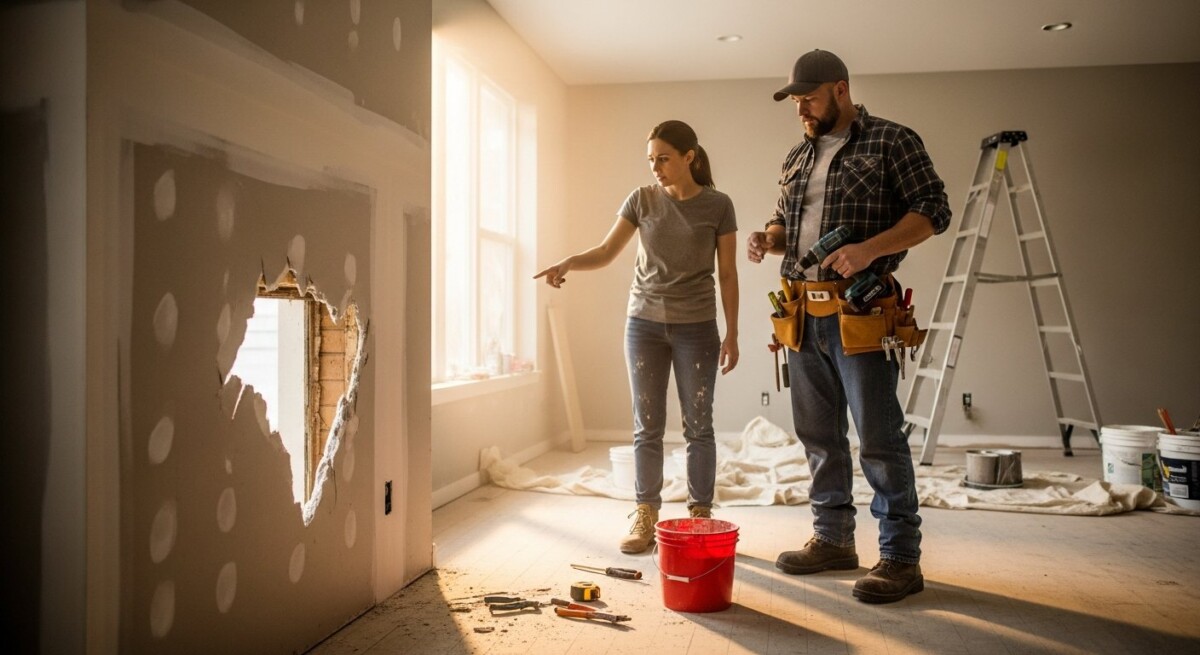
You hired a contractor to improve your home, but now you’re facing a new problem. A wall has an unexpected hole, the hardwood floor is deeply scratched, or a water line was nicked during a renovation. Discovering property damage caused by a contractor is a stressful and frustrating situation for any homeowner. It can turn an exciting project into a source of anxiety, especially if the damage seems extensive or you’re unsure of your rights. Ignoring the issue or handling it poorly can lead to safety risks, more costly repairs down the line, and disputes that sour the entire experience.
Understanding What to Do If Contractor Damages Property
This situation refers to any unintended harm to your home’s structure, finishes, or belongings that occurs during professional work. It’s more common than you might think, happening during everything from simple plumbing repairs to full-scale kitchen remodels.
Damage can occur due to accidents, carelessness, poor communication, or subcontractor error. Even highly skilled professionals can make mistakes, but how the situation is resolved defines a trustworthy contractor. All homes are susceptible, but older homes with delicate materials or complex layouts can be particularly vulnerable during updates.
Why This Matters for Your Home
Unaddressed contractor damage isn’t just an eyesore. It can compromise the integrity and safety of your living space. A small puncture in a wall could hide compromised wiring, while a damaged roof flashing can lead to silent, destructive water intrusion.
Beyond immediate safety, these issues can significantly impact your home’s value and your comfort. What starts as a cosmetic flaw can evolve into a structural or systemic problem, turning a simple fix into a major, expensive repair. Taking prompt, correct action protects your investment and your peace of mind.
If you notice signs of this issue in your home, it may help to speak with a qualified contractor. Request a free quote or call to explore your repair or remodeling options.
Common Problems Homeowners Experience
The types of damage can vary widely depending on the project. You might notice problems immediately, or they might become apparent only after the work crew has left.
Some issues are purely cosmetic but still diminish your home’s appearance. Others are functional, affecting how parts of your home work. The most serious involve structural elements or critical systems like plumbing and electrical, which require immediate attention.
- Surface Damage: Scratches on floors, dents in siding, chipped countertops, or paint spills on carpets.
- Structural Nicks and Punctures: Holes drilled in the wrong place, damaged wall studs, or cut floor joists.
- Water or Plumbing Damage: Punctured pipes during demolition, improperly sealed fixtures, or damaged roof membranes.
- Electrical Issues: Wires cut or exposed during work, or circuits overloaded by new installations.
- Landscape Destruction: Driveway cracks from heavy equipment, damaged sprinkler systems, or destroyed garden beds.
- Damage to Personal Property: Furniture, artwork, or appliances that are scratched, stained, or broken during the work process.
How Professionals Solve the Problem
When you bring in a new, reputable contractor to assess and repair damage, they follow a systematic process focused on complete restoration. Their goal is not just a patch job, but a repair that blends seamlessly and restores full function and safety.
Professional contractors have the experience to identify both the obvious damage and any hidden consequences. They use proper materials and techniques to ensure the repair lasts, often providing a warranty on their corrective work. This approach is almost always safer, more reliable, and more cost-effective in the long run than a rushed DIY fix.
- Assessment & Documentation: They thoroughly inspect the damage, often documenting it with photos and notes to understand the full scope.
- Identifying Root Cause: A good pro will determine not just what was damaged, but why it happened, to prevent recurrence.
- Detailed Plan & Estimate: They provide a clear, written plan for the repair, including materials, labor, and timeline, with a transparent cost estimate.
- Quality Repair Execution: Using skilled tradespeople, they perform the repair to industry standards, ensuring it meets code and matches the surrounding area.
- Final Inspection & Cleanup: They review the work with you, ensure the site is clean, and explain any maintenance needed for the repaired area.
A professional inspection can reveal hidden issues before they become expensive repairs. Compare contractor quotes here or call to discuss your project.
Warning Signs You Should Not Ignore
Sometimes damage is blatant, but other times the signs are subtle. It’s crucial to be observant during and after any contractor’s work. Early detection is key to a simpler resolution.
If you see any of the following, don’t dismiss them as “part of the process.” Address them immediately with the contractor in charge. Delaying can allow problems to worsen and may even weaken your position if you need to seek recourse.
- New cracks in walls, ceilings, or floor tiles that weren’t there before the work started.
- Unexplained water stains, drips, or a sudden decrease in water pressure.
- Electrical outlets or switches that stop working, trip breakers frequently, or make buzzing sounds.
- Doors or windows that suddenly stick or won’t close, indicating a shift in the frame.
- Visible gaps, poor alignment in trim or cabinets, or sloppy caulking and paint lines.
- Dust or debris in areas far from the work zone, suggesting poor containment practices.
What Affects the Cost of Repairs or Installation
The cost to fix contractor damage depends heavily on the nature and extent of the problem. A small drywall patch costs very little, while repairing a structural beam or rewiring a section of your home is a significant investment.
Materials play a big role,matching rare hardwood or custom tile is more expensive than standard stock. Labor intensity and the accessibility of the damaged area also factor in. Tight crawl spaces or high, steep roof sections require more time and specialized safety equipment. The age of your home can matter too, as older construction often requires special techniques or materials to match.
Costs can vary depending on the condition of your home. The best way to know the price is to get a personalized estimate. Request free quotes from contractors or call today.
How to Choose the Right Contractor for Repairs
If the original contractor is unresponsive or you’ve lost trust, selecting the right professional to fix the damage is critical. You need someone who is not only skilled but also ethical and communicative. For a detailed look at your legal and practical options in this scenario, our guide on what happens if a contractor damages your property can be very helpful.
Take your time with this decision. The right contractor will view the repair as a chance to demonstrate their integrity and quality, not just as another job.
- Verify Licenses and Insurance: Ensure they are fully licensed for the repair work and carry liability and workers’ compensation insurance. This protects you if something goes wrong.
- Check Reviews and References: Look for feedback specifically about how they handle problem-solving and communication, not just standard installations.
- Ask for a Detailed, Written Estimate: The estimate should break down material and labor costs for the repair, with no vague line items.
- Get Multiple Quotes: Comparing 2-3 quotes gives you a realistic price range and helps you gauge different contractors’ approaches.
- Confirm Relevant Experience: Ask if they have specific experience repairing damage from other contractors or doing corrective work.
Long-Term Benefits of Professional Work
Investing in a proper, professional repair does more than just fix the immediate problem. It safeguards your home for the future. Quality workmanship ensures the repaired area is as durable and safe as the rest of your house.
This protects your home’s market value by preventing a shoddy patch from becoming a red flag during a future inspection. It also provides peace of mind, knowing the issue was resolved correctly. A professional repair often comes with a warranty, shielding you from future costs if a problem related to the fix reoccurs.
What should I do first if I discover damage?
Stay calm and document everything immediately. Take clear, date-stamped photos and videos of the damage from multiple angles. Then, notify the contractor in charge directly and in writing (email or text is fine), describing the issue and including your evidence. This creates a clear record.
Is the contractor legally responsible for fixing the damage?
In almost all cases, yes. Contractors have a “duty of care” to perform work without negligently damaging your property. Their liability insurance is designed for this purpose. However, the specific responsibility depends on your contract terms and the cause of the damage. Understanding the contractor’s obligations is a key part of navigating this situation, which we cover in our resource on contractor damage and liability.
Should I withhold payment if there is damage?
This can be a powerful tool, but it must be handled carefully. Check your contract for clauses about dispute resolution or unsatisfactory work. Communicate clearly that you are withholding payment specifically to cover the cost of repairs. It’s often wise to consult with a legal professional before taking this step to ensure you don’t violate your contract terms.
What if the contractor denies causing the damage or refuses to fix it?
First, escalate to the company owner or project manager. If that fails, you can file a claim against the contractor’s liability insurance. You may also consider filing a complaint with your state’s contractor licensing board, which can apply pressure. Small claims court is an option for smaller damages, while larger issues may require a lawyer.
How can I prevent this from happening in the first place?
Choose your contractor meticulously,check licenses, insurance, and reviews. Use a detailed contract that outlines protection of your property. Conduct a pre-construction walkthrough with photos to document the existing condition. Maintain open communication during the project and address small concerns before they become big problems.
Do I need to get multiple quotes for the repair work?
Absolutely. Getting at least two or three quotes from other licensed contractors serves two vital purposes. It establishes a fair market price for the repair, which is essential if you are seeking reimbursement. It also helps you understand the full scope of the damage and the best method for repair, ensuring you get quality work done. For more on this process, see our advice on resolving property damage with contractors.
What role does the contractor’s insurance play?
Their liability insurance is your primary path to compensation if they are at fault. You or your contractor would file a claim with their insurer. Do not let the contractor convince you to use your homeowner’s insurance first, as this could lead to a rate increase for you. Always get the contractor’s insurance company name and policy number before work begins.
How long do I have to report damage after the work is complete?
Report it as soon as you discover it. The longer you wait, the harder it is to prove the contractor caused it. Some contracts may have specific timelines for reporting deficiencies. From a legal perspective, statutes of limitations vary by state but typically give you several years to file a claim, starting from when you discovered or should have discovered the damage.
Discovering contractor damage is a setback, but it doesn’t have to be a disaster. By acting promptly, documenting thoroughly, and seeking professional repair solutions, you can restore your home and your confidence. Addressing issues early with the right help prevents minor damage from becoming a major financial burden. If you’re facing this situation, comparing detailed quotes from qualified contractors is the most practical first step toward a secure and lasting solution.

About Danica Leslie

Secure Home Service Quote Platforms: Compare Contractors Safely
Learn how a secure home service quote platform helps homeowners compare vetted contractors, get free estimates, and avoid costly repair surprises.
How to Get a Roof Repair Quote: A Homeowner’s Guide
Learn how to request a roof repair quote, spot warning signs, compare contractor options, and protect your home from costly damage with professional help.
Average Cost for Home Addition: What Homeowners Need to Know
Learn the average cost for home addition, what affects pricing, and how to budget wisely. Get tips on choosing contractors and avoiding costly mistakes.
Find a Pro!
"*" indicates required fields