
How to Check Contractor Credibility Before Hiring
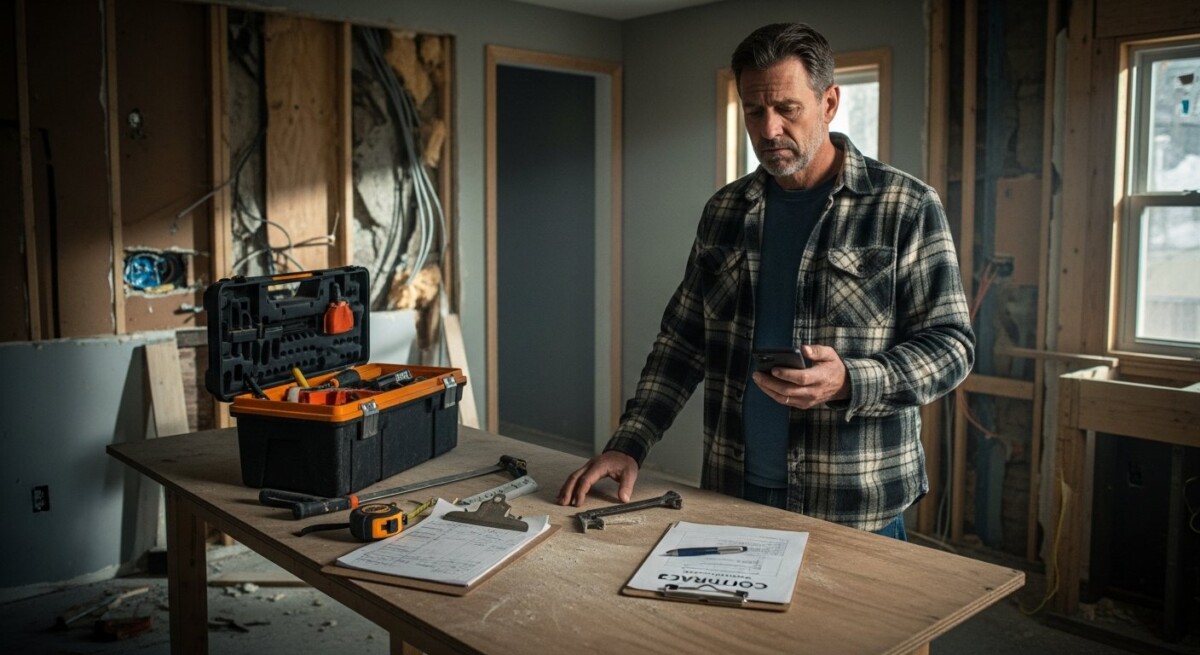
You finally saved up for that kitchen remodel or a new roof. After a long search, you found a contractor who gave a fair price and promised to start next week. But as the start date approaches, calls go unreturned, and a sinking feeling sets in. You start wondering if you made a mistake. This scenario is more common than most homeowners realize. Learning how to check contractor credibility before signing a contract can save you thousands of dollars and months of stress.
Many homeowners discover they hired an unqualified contractor only after problems arise. Delays, poor workmanship, or even abandoned projects are real risks. These issues can turn a dream renovation into a financial nightmare. If ignored, a bad hire can lead to structural damage, safety hazards, and costly legal battles. This article will give you a practical, step-by-step approach to vetting any contractor so you can move forward with confidence.
Understanding How to Check Contractor Credibility
Checking contractor credibility simply means verifying that a contractor is licensed, insured, experienced, and reputable before you hire them. It is the process of separating trustworthy professionals from those who might cut corners or disappear halfway through your project. For homeowners, this is not just a nice-to-have step; it is essential for protecting your investment.
Why does this happen so often? Many homeowners rush to hire the first contractor who is available or offers the lowest bid. Others rely on a single online review without digging deeper. The truth is, that anyone can create a professional-looking website or hand out shiny business cards. Credibility is proven through licenses, insurance certificates, references, and a solid track record. Homes most affected by poor contractor choices are usually older properties that need specialized work or homeowners tackling large projects like a full bathroom renovation or roof replacement.
What Makes a Contractor Credible?
A credible contractor holds a valid license for your state and locality. They carry general liability insurance and workers’ compensation coverage to protect you if someone gets hurt on your property. They have a physical business address, a verifiable phone number, and a history of satisfied customers. Most importantly, they are transparent about their process, timelines, and pricing from the first conversation.
Why This Matters for Your Home
Your home is likely your most valuable asset. Hiring an uncredible contractor puts that asset at risk. Poor workmanship can lead to water damage, electrical hazards, or roof leaks that compromise the structure of your home. These issues are not just inconvenient; they can be dangerous for your family and expensive to fix.
Delaying proper contractor vetting often leads to escalating costs. A small repair job that should have cost a few hundred dollars can balloon into thousands if the work has to be redone. In our guide on roofing maintenance checklists, we explain how proactive care prevents major damage. The same principle applies here: investing time upfront to verify a contractor saves money, stress, and safety risks later.
Comfort also plays a role. A poorly installed HVAC system or drafty windows can make your home uncomfortable year-round. When you hire a credible contractor, you get the peace of mind that the job is done right, your home is safe, and your investment is protected.
If you notice signs of this issue in your home, it may help to speak with a qualified contractor. Request a free quote or call to explore your repair or remodeling options.
Common Problems Homeowners Experience
Homeowners who skip the credibility check often face a range of frustrating problems. These issues can appear immediately or surface months after the project is supposedly finished. Recognizing these patterns can help you avoid the same mistakes.
One of the most common complaints is poor communication. The contractor stops returning calls, shows up late, or leaves the job site for days without explanation. Another frequent issue is substandard materials. A contractor might use cheaper products than agreed upon to save money, leading to premature wear and tear. Finally, many homeowners discover hidden fees or scope changes that were never discussed upfront.
- Incomplete work: The contractor leaves the job half-finished and refuses to return.
- Permit problems: Work is done without required permits, leading to fines or issues when selling your home.
- Safety hazards: Electrical wiring, plumbing, or structural work is done incorrectly, creating dangerous conditions.
- Budget blowouts: The final cost is significantly higher than the original estimate without justification.
- Lien placed on your home: Subcontractors or suppliers were not paid, and they file a mechanic’s lien against your property.
- Warranty voided: Improper installation voids manufacturer warranties on materials or equipment.
How Professionals Solve the Problem
Experienced contractors solve these problems before they even start. They follow a structured process that protects both you and them. A professional will begin with a thorough inspection of your home and a detailed written estimate. They clearly outline the scope of work, materials, timeline, and payment schedule.
Here is the typical process a credible contractor follows:
- Initial consultation and inspection: They visit your home, assess the project, and listen to your goals.
- Detailed written estimate: You receive a clear breakdown of costs, materials, and labor.
- Contract signing: A legally binding contract includes start and end dates, payment terms, and warranty information.
- Permit procurement: The contractor pulls all necessary permits on your behalf.
- Project management: They coordinate subcontractors, manage the timeline, and keep you updated.
- Final walkthrough and cleanup: After completion, they review the work with you, address any concerns, and clean the site.
Professional work is safer and more reliable than DIY fixes because contractors have the training, tools, and insurance to handle unexpected issues. They also stand behind their work with warranties. If something goes wrong, they fix it at no extra cost. This accountability is something you simply cannot get from a handyman or an unlicensed worker.
A professional inspection can reveal hidden issues before they become expensive repairs. Compare contractor quotes here or call to discuss your project.
Warning Signs You Should Not Ignore
Learning how to check contractor credibility also means knowing the red flags. Some warning signs are obvious, while others are subtle. Trust your instincts. If something feels off, it probably is. Taking a few extra days to verify a contractor is always better than rushing into a bad decision.
Early detection of these warning signs can prevent a full-blown disaster. For example, if a contractor asks for a large cash deposit upfront, that is a major red flag. Reputable contractors typically ask for a small down payment or payment tied to completed milestones. Similarly, vague contracts or a lack of physical address should make you pause.
- No license or insurance: They cannot or will not provide proof of licensing and insurance.
- High-pressure sales tactics: They insist you sign immediately or offer a “limited-time” discount that expires today.
- Only cash payments: They refuse to accept credit cards or checks, which limits your recourse.
- No written contract: They rely on a handshake or a verbal agreement.
- Poor online reviews or no online presence: Multiple complaints about missed deadlines, poor quality, or communication issues.
- Out-of-state license plates: Storm chasers often travel to areas after disasters and pressure homeowners into quick repairs.
What Affects the Cost of Repairs or Installation
Understanding cost factors helps you evaluate contractor quotes fairly. The price of a project depends on several variables, and a credible contractor will explain each one. If a quote seems too good to be true, it probably is. Low bids often mean the contractor is cutting corners or plans to hit you with hidden fees later.
The size and complexity of the project are the biggest cost drivers. A simple roof repair costs far less than a full replacement. The materials you choose also impact the price. Premium materials like natural stone or energy-efficient windows cost more upfront but often save money over time. Labor rates vary by region and the contractor’s level of expertise. Accessibility matters too. A second-story addition or a bathroom in a tight space requires more labor.
Costs can vary depending on the condition of your home. The best way to know the price is to get a personalized estimate. Request free quotes from contractors or call today.
How to Choose the Right Contractor
Choosing the right contractor is about more than just price. It is about finding a partner who communicates well, respects your home, and delivers quality work. Start by asking friends, family, and neighbors for referrals. Then, do your own research online. Look for contractors with a solid track record in your specific type of project.
Once you have a shortlist, interview each contractor. Ask about their experience with projects similar to yours. Request references and actually call them. A good contractor will be happy to connect you with past clients. Finally, get at least three written estimates. Comparing quotes helps you understand the market rate and spot outliers.
- Verify licenses and insurance: Check your state’s licensing board and ask for a certificate of insurance.
- Read customer reviews: Look beyond star ratings and read detailed reviews on Google, Yelp, and the Better Business Bureau.
- Ask for detailed estimates: Ensure each quote includes materials, labor, permits, and cleanup.
- Compare multiple quotes: Don’t automatically choose the cheapest. Look for value, not just price.
- Confirm experience: Ask how many similar projects they have completed in the last year.
Long-Term Benefits of Professional Work
Hiring a credible contractor pays off for years to come. Professional work is built to last. It meets building codes, uses quality materials, and is installed correctly. This durability means fewer repairs and lower maintenance costs over the life of your home.
Professional installations also improve energy efficiency. Properly installed windows, insulation, or HVAC systems reduce your utility bills. They also increase your home’s resale value. Buyers are willing to pay more for a home with documented, professional upgrades. In our kitchen remodel checklist, we highlight how planning with a professional ensures a smooth process and a higher return on investment.
Finally, professional work gives you peace of mind. You know the job is done right, and you have a warranty to back it up. You can enjoy your renovated space without worrying about what might break next. That confidence is worth every penny.
How do I verify a contractor’s license?
Contact your state’s licensing board or visit their website. Most states have an online database where you can search by the contractor’s name or license number. Confirm the license is active and in good standing.
What insurance should a contractor have?
They should have general liability insurance to cover property damage and workers’ compensation insurance to protect you if a worker is injured on your property. Ask for a certificate of insurance directly from their provider.
How many quotes should I get before hiring?
Get at least three written quotes from different contractors. This gives you a good sense of the market rate and helps you spot unusually high or low bids. Always compare apples to apples on materials and scope.
Can I check a contractor’s reputation online?
Yes. Look at Google Reviews, Yelp, the Better Business Bureau, and the contractor’s social media pages. Pay attention to how they respond to negative reviews. A professional contractor addresses complaints constructively.
What should a contractor contract include?
A valid contract should include the full scope of work, materials list, start and completion dates, payment schedule, warranty details, and a process for handling changes or disputes. Never sign a blank or incomplete contract.
How do I know if a contractor is a storm chaser?
Storm chasers often appear after severe weather, go door-to-door, and pressure you to sign quickly. They may have out-of-state license plates, no local address, and ask for full payment upfront. Always verify their credentials and get local references.
What if a contractor asks for a large deposit?
Be cautious. Most reputable contractors ask for 10,30% down or payment tied to project milestones. Never pay the full amount upfront. If a contractor demands a large cash deposit, that is a major red flag.
How do I check a contractor’s references?
Ask for at least three references from recent projects similar to yours. Call them and ask about the contractor’s communication, timeliness, budget adherence, and overall satisfaction. If possible, visit the completed job site in person.
Checking contractor credibility is one of the most important steps you can take before any home improvement project. It protects your budget, your home, and your family. By following the steps in this guide, you can confidently choose a contractor who will deliver quality work on time and on budget. Don’t wait until problems appear. Start vetting contractors early and compare multiple quotes to find the best fit for your project.

About

What Is a Contractor Quote Platform and How It Helps Homeowners
Learn what a contractor quote platform is and how it helps homeowners compare free quotes from local pros for repairs, remodeling, and installations.
Why Multiple Quotes Are Important for Home Repairs
Learn why multiple quotes are important for home repairs and remodeling. Compare contractor estimates to save money, avoid scams, and choose quality work.
How to Check Contractor Credibility Before Hiring
Learn how to check contractor credibility with practical steps, red flags, and tips to protect your home and budget before starting any renovation or repair project.
Find a Pro!
"*" indicates required fields