
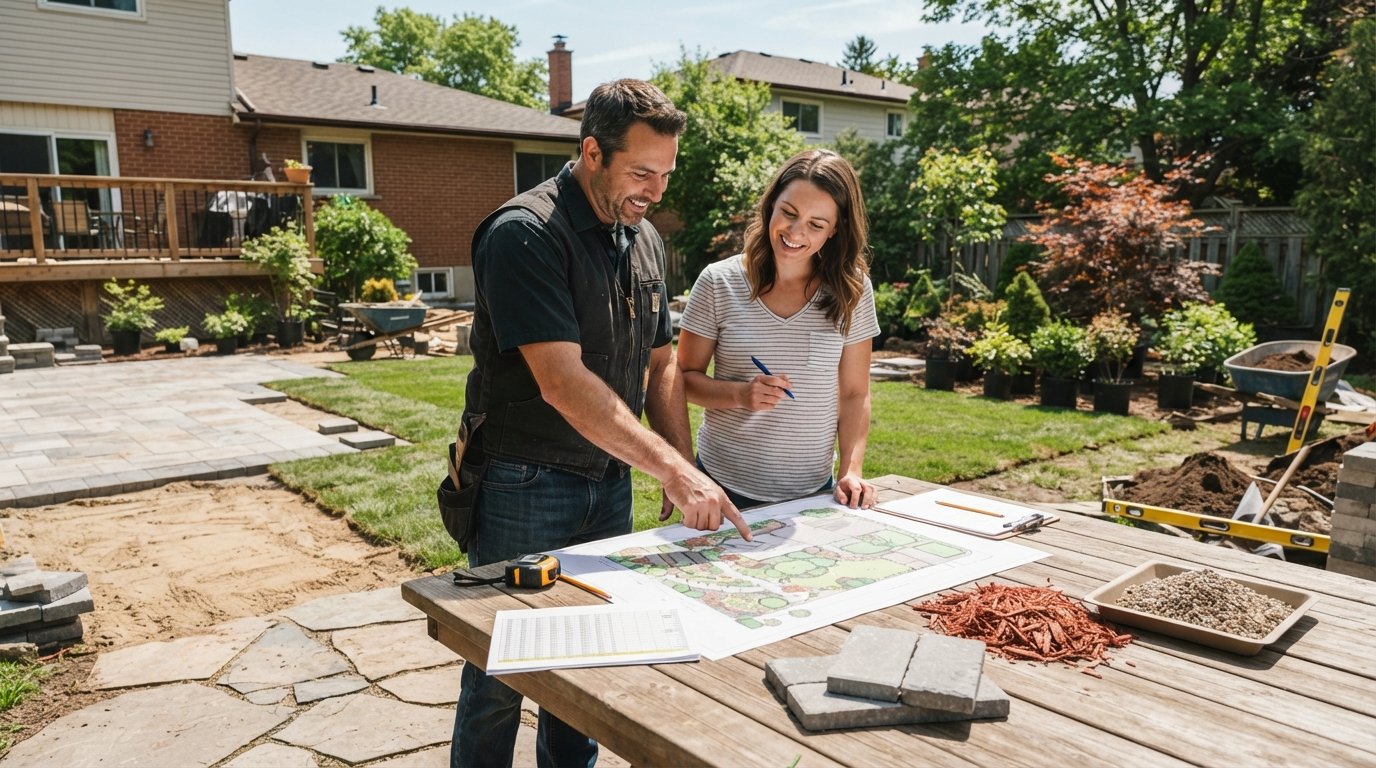
Landscaping Design Costs: Budgeting for Outdoor Renovation
Master landscaping design costs budgeting for outdoor renovation with our guide. Learn to allocate funds, compare quotes, and avoid hidden expenses.

By Danica Leslie
Learn more about Outdoor Landscaping and Design for guides, costs, and what to expect.
Compare Outdoor Landscaping and Design Pros Near You

Enter your ZIP code to compare top-rated local professionals and request free quotes.
Your backyard holds untapped potential, but transforming it into a functional outdoor living space requires careful financial planning. Many homeowners dive into landscaping projects with enthusiasm, only to face unexpected expenses that derail their vision. Understanding landscaping design costs budgeting for outdoor renovation before breaking ground empowers you to make informed decisions, prioritize features, and avoid the stress of blown budgets. Whether you dream of a cozy patio, a lush garden, or a complete outdoor kitchen, knowing where your money goes ensures your investment yields lasting enjoyment and adds tangible value to your property.
Why Budgeting for Landscaping Design Matters
Landscaping is not just about planting shrubs and laying sod. It involves design fees, materials, labor, permits, and ongoing maintenance. Without a clear budget, costs can spiral quickly. A well-structured budget helps you allocate funds to the elements that matter most, compare contractor bids fairly, and anticipate hidden expenses like drainage solutions or irrigation systems. Moreover, budgeting allows you to phase your project, tackling priority areas first while planning for future enhancements.
Homeowners often underestimate the complexity of outdoor renovations. Unlike interior projects, landscaping contends with weather, soil conditions, and existing vegetation. These variables can increase costs significantly. By understanding the breakdown of landscaping design costs, you gain control over your project and can communicate effectively with designers and contractors. This preparation also positions you to secure accurate quotes and avoid change orders that inflate the final bill.
Breaking Down Landscaping Design Costs
Landscaping design costs encompass several categories, each with its own price range. Design fees typically range from $500 to $5,000 or more, depending on the designer's expertise and project scope. Some designers charge hourly ($50-$200 per hour), while others use a flat fee or a percentage of the total project cost (usually 10-20 percent). Materials, including plants, hardscape elements, and lighting, can consume 40-60 percent of your budget. Labor accounts for another 30-50 percent, varying by region and project complexity.
Permits and inspections may be required for structures like retaining walls, decks, or outdoor kitchens. These fees can add several hundred to a few thousand dollars. Equipment rental, soil amendments, and disposal costs also factor in. It is crucial to obtain a detailed estimate that separates these categories, so you can see where your money is going and adjust accordingly. For a deeper dive into how labor costs factor into renovation budgets, see our guide on understanding labor cost percentage.
Key Factors That Influence Your Landscaping Budget
Several variables can make or break your landscaping budget. Property size and terrain play a major role: a flat, half-acre lot is far easier to landscape than a sloped, rocky acre. Accessibility matters too; if heavy machinery cannot reach your backyard, labor costs rise. The scope of your design, from simple plantings to elaborate water features, directly impacts materials and labor. Your geographic location affects pricing due to regional labor rates and material availability. Finally, the quality of materials you choose, such as natural stone versus concrete pavers, creates significant cost differences.
Seasonality also influences costs. Spring and summer are peak landscaping seasons, often commanding higher prices. Scheduling your project in late fall or winter might yield savings, though some plants establish better in specific seasons. Understanding these factors helps you set realistic expectations and make strategic trade-offs. For instance, opting for native plants reduces irrigation needs and long-term maintenance, freeing up funds for a premium patio material.
How to Create a Realistic Landscaping Budget
Creating a landscaping budget begins with research and self-assessment. Start by defining your goals: do you want a low-maintenance garden, an entertainment area, or a play space for children? Prioritize features and set a preliminary budget range. Next, gather inspiration from magazines, websites, and local gardens. This helps you articulate your vision to designers and contractors.
Break your budget into categories: design, hardscaping, softscaping, irrigation, lighting, and contingency. A common recommendation is to allocate 10-20 percent of your total budget for unexpected costs. Obtain multiple quotes from licensed landscapers and compare not just price, but also the scope of work, materials, and timeline. Be wary of quotes that seem too low; they may cut corners or use inferior materials.
Consider phasing your project to spread costs over time. For example, install the patio and irrigation first, then add planting beds and lighting in subsequent years. This approach allows you to enjoy your outdoor space sooner while avoiding financial strain. Remember that landscaping is an investment; quality workmanship and materials endure longer, saving money on repairs and replacements down the road. For more strategies on planning and budgeting home improvement projects, explore the resources at FreeQuotes.Contractors.
Average Landscaping Design Costs by Project Type
Understanding typical cost ranges for common landscaping projects helps you benchmark your budget. The following figures are national averages and can vary significantly by region and complexity. Always obtain local quotes for accurate pricing.
- Basic landscaping (planting, sod, mulch): $1,500 to $5,000
- Patio installation (concrete or pavers): $3,000 to $10,000
- Retaining wall (per square foot): $20 to $50
- Outdoor kitchen: $10,000 to $30,000+
- Water feature (pond, fountain): $2,000 to $15,000
- Full landscape design and installation (quarter-acre): $15,000 to $50,000+
These ranges illustrate the wide spectrum of possibilities. A simple refresh costs far less than a complete overhaul with custom features. Use these numbers as a starting point, but adjust based on your specific site conditions and design preferences. Keep in mind that permits, irrigation, and lighting can add substantial amounts to the totals above.
Design Fees: What to Expect and How to Save
Design fees compensate professionals for their creativity, expertise, and project planning. Some landscapers include design in their installation quote, while others charge separately. If you hire a landscape architect, expect higher fees due to their advanced training and licensing. To save on design costs, consider hiring a landscape designer rather than an architect for simpler projects. Some nurseries and garden centers offer free design services if you purchase plants from them. Alternatively, you can use online design tools or consult with a certified landscape professional on an hourly basis to refine your ideas.
Before hiring a designer, clarify what the fee includes: conceptual drawings, plant lists, construction documents, and site supervision. A comprehensive design package may cost more upfront but can prevent costly mistakes during installation. Always ask for a written contract that details deliverables and revision limits. Investing in a thoughtful design pays off by ensuring your outdoor space functions well and reflects your style.
Material and Labor: Where Your Money Goes
Materials and labor constitute the bulk of landscaping costs. Hardscape materials like natural stone, brick, and concrete pavers vary widely in price. Softscape elements, including trees, shrubs, and perennials, also range from budget-friendly to premium. Labor costs depend on the complexity of the installation and local wage rates. Skilled trades like masonry and carpentry command higher rates than general labor.
To manage costs, consider using locally sourced materials and native plants, which are often cheaper and better adapted to your climate. Opt for smaller plants that will grow in, rather than instant mature specimens. For hardscapes, standard sizes and finishes cost less than custom cuts. Discuss material options with your contractor and ask for alternatives that meet your aesthetic and budget goals. Remember that labor is not just installation; it includes site preparation, excavation, and cleanup, all of which add to the total.
Permits, Inspections, and Hidden Costs
Many outdoor renovation projects require permits, especially those involving structural elements like decks, retaining walls over four feet, and electrical work for lighting or irrigation. Permit fees vary by municipality but can range from $50 to $500 or more. Inspections ensure compliance with building codes and safety standards. Failing to obtain permits can result in fines, forced removal, and difficulties when selling your home.
Hidden costs lurk in every project. They include soil testing, grading, drainage solutions, tree removal, and utility relocation. Contingency funds cover these surprises. A good rule of thumb is to set aside 10-20 percent of your total budget for unexpected expenses. Communicate openly with your contractor about potential hidden costs and ask for a detailed line-item estimate. This transparency helps you avoid financial shocks and keeps your project on track.
Financing Options for Your Outdoor Renovation
If your landscaping budget exceeds your available cash, several financing options exist. Home equity loans or lines of credit (HELOCs) offer competitive interest rates and potential tax benefits. Personal loans provide quick funding but may have higher rates. Some contractors offer financing plans, though terms vary. Credit cards can be convenient for smaller projects but carry high interest if not paid promptly.
Before financing, assess your ability to repay and consider the long-term value of your landscaping investment. Outdoor renovations can increase your home's curb appeal and resale value, but not all projects yield equal returns. Consult a financial advisor to determine the best approach for your situation. Avoid overextending yourself; a beautiful landscape should not become a financial burden.
Working with Contractors: Getting Accurate Quotes
Obtaining multiple quotes is essential for accurate budgeting. Aim for at least three estimates from licensed and insured contractors. Provide each with the same detailed project description and design plans to ensure comparable bids. Review quotes carefully: they should include materials, labor, permits, timeline, and payment schedule. Ask questions about anything unclear and check references. A reputable contractor will welcome your diligence.
Be cautious of bids that are significantly lower than others; they may indicate omitted costs or subpar materials. Similarly, extremely high bids do not guarantee superior quality. Trust your instincts and choose a contractor who communicates well and has a proven track record. For more guidance on hiring contractors, see our article on understanding labor cost percentage. A solid contractor relationship is the cornerstone of a successful project.
Budgeting for landscaping design costs is a journey of research, prioritization, and flexibility. By understanding the components of outdoor renovation costs, setting a realistic budget, and working with trusted professionals, you can create the outdoor oasis you have always wanted without financial regret. Start planning today, and enjoy the rewards of a well-executed landscape for years to come.