
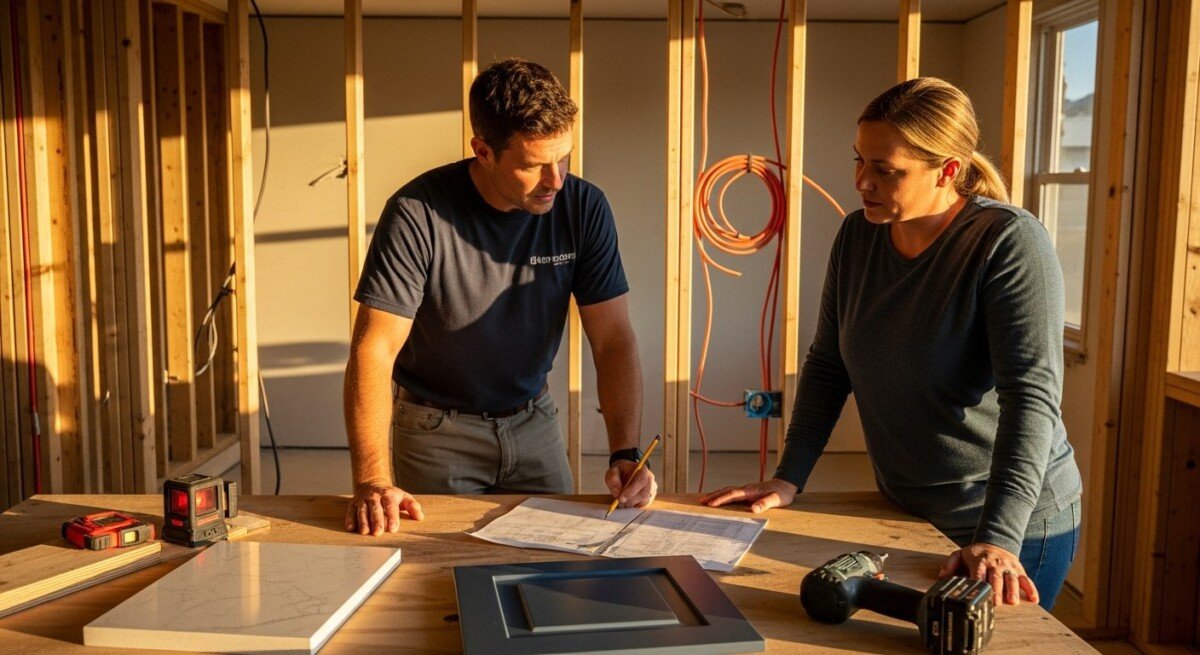
Understanding Labor Cost Percentage in Home Renovation
Learn what labor cost percentage in home renovation really means, why it matters for your project’s success, and how to budget wisely for skilled work.

By Danica Leslie
Learn more about Exterior Painting for guides, costs, and what to expect.
Compare Exterior Painting Pros Near You

Enter your ZIP code to compare top-rated local professionals and request free quotes.
You’ve finally saved up for your dream kitchen remodel. You’ve picked out beautiful cabinets and a stunning quartz countertop. Then, you get the first contractor quote. Your eyes scan down to the “labor” line, and the number seems shockingly high. You think, “Is this normal? Am I being overcharged?” This moment of sticker shock is a common experience for homeowners, and it all comes down to understanding labor cost percentage in home renovation.
This figure isn’t just a random charge. It represents the skilled work, expertise, and time required to transform your vision into reality, and it’s a critical part of any successful project. Ignoring what a fair labor cost means can lead to choosing the cheapest bidder, which often results in poor craftsmanship, project delays, and even more expensive fixes down the road.
Understanding Labor Cost Percentage in Home Renovation
Simply put, labor cost percentage is the portion of your total project budget that pays for the skilled work of carpenters, electricians, plumbers, and other tradespeople. It’s not just an hourly wage. This cost bundles together the contractor’s overhead, insurance, tools, permits, and the expertise needed to manage the project efficiently.
Why does it often feel high? Quality renovation is a complex dance of different skilled trades. A single project might require a demolition crew, framers, electricians, plumbers, drywall installers, tilers, painters, and finish carpenters. Each specialist brings years of training to the job, ensuring the work is safe, up to code, and built to last.
What’s a Typical Range?
While every project is unique, labor often accounts for 30% to 50% of the total renovation cost. A highly complex project with custom work, like a full bathroom overhaul with moving plumbing lines, will lean toward the higher end. A simpler project, like painting interior rooms or installing pre-fabricated cabinets, may have a lower labor percentage.
Why This Matters for Your Home
Focusing solely on a low labor cost can be a costly mistake for your biggest investment. Skilled labor is what protects your home’s value, safety, and your own peace of mind. A properly installed electrical system won’t cause a fire. Correctly framed walls will stay straight and solid for decades. Expert plumbing prevents leaks that can lead to catastrophic water damage.
When labor is undervalued, corners get cut. A contractor might use less-experienced helpers, skip essential prep work, or rush through critical steps. This might save you money upfront, but it almost always leads to problems you’ll have to pay to fix later,often at a much higher cost. Investing in professional labor from the start is an investment in your home’s long-term health.
If you notice signs of this issue in your home, it may help to speak with a qualified contractor. Request a free quote or call to explore your repair or remodeling options.
Common Problems Homeowners Experience
When labor costs are misunderstood or minimized, homeowners often face a series of frustrating and expensive outcomes. The dream renovation can quickly turn into a source of daily stress. These problems usually stem from hiring based on price alone, rather than value and skill.
You might end up with a beautiful-looking surface that hides shoddy work underneath. A stunning new tile floor could crack in a year because the subfloor wasn’t prepared correctly. Or, your gorgeous new bathroom might have poor ventilation leading to mold growth behind the walls. These are the hidden costs of cheap labor.
- Project Delays and Disappearance: Underbid contractors often overbook to make ends meet, leaving your project half-finished for weeks.
- Code Violations: Unpermitted or incorrect work can fail inspections, halt your project, and create major issues when you try to sell your home.
- Poor Craftsmanship: Visible issues like uneven tile, crooked cabinets, or sloppy paintwork that diminish the finished look.
- Structural & Safety Issues: Incorrect load-bearing wall modifications, faulty wiring, or improper plumbing that poses real dangers.
- Warranty Voids: DIY or unlicensed work can void manufacturer warranties on appliances, windows, or roofing materials.
- Cost Overruns: The “low bid” often balloons with “unforeseen issues” and change orders, ending up higher than professional quotes.
How Professionals Solve the Problem
A reputable contractor views labor not as a cost to minimize, but as the value engine of your project. They bring a system, expertise, and a network of trusted specialists to your home. Their goal is to execute the plan correctly the first time, preventing the common problems that plague underfunded projects.
Professional work is efficient and reliable because it’s based on experience. They’ve seen what can go wrong and know how to prevent it. They handle the complex logistics of scheduling trades, pulling permits, and sourcing materials, which is a full-time job in itself. This comprehensive approach, detailed in our home renovation cost breakdown, saves you time, stress, and ultimately, money by avoiding costly mistakes.
- Detailed Planning & Estimation: A pro starts with a thorough assessment and a detailed scope of work, so the labor estimate is accurate and comprehensive, with fewer surprises.
- Skilled Tradespeople: They employ or subcontract licensed, insured, and experienced carpenters, electricians, and plumbers who take pride in their work.
- Project Management: They coordinate the sequence of work, material deliveries, and inspections, keeping the project on schedule.
- Problem-Solving Expertise: When the inevitable unexpected issue arises (like hidden rot or outdated wiring), they have the knowledge to solve it correctly.
- Quality Assurance & Cleanup: They ensure the work meets quality standards and leave your home clean and safe, with all debris removed.
A professional inspection can reveal hidden issues before they become expensive repairs. Compare contractor quotes here or call to discuss your project.
Warning Signs You Should Not Ignore
Before you even start collecting quotes, there are red flags that can signal a contractor is underestimating labor to win your business. Recognizing these signs early can save you from a nightmare renovation. Trust your instincts,if a bid seems too good to be true, it almost always is.
Paying attention to these warnings allows you to filter out unreliable contractors before you sign a contract. It protects you from the stress of a botched job and ensures your renovation funds are spent on adding real, lasting value to your home. Acting on these signs by seeking multiple detailed quotes is the smartest first step you can take.
- Vague or Verbal-Only Estimates: A professional provides a written, detailed estimate. A quote scribbled on a napkin is a major red flag.
- Pressure to Pay Large Sums Upfront: Be wary of requests for more than 10-30% as a deposit. Standard practice involves scheduled payments tied to project milestones.
- Reluctance to Pull Permits: Insisting permits aren’t needed is illegal and risky. It means the work won’t be inspected for safety and code compliance.
- No Proof of License or Insurance: Always ask for and verify their contractor’s license and proof of liability and workers’ compensation insurance.
- Unprofessional Communication: Difficulty getting clear answers, missed appointments, or a lack of a professional contract are signs of poor management.
- Extremely Low Bids: If one bid is dramatically lower than others, ask why. They are likely cutting corners on labor, materials, or both.
What Affects the Cost of Repairs or Installation
Several key factors directly influence the labor cost for your renovation. Understanding these helps you make sense of different quotes and plan your budget more effectively. It’s not arbitrary; it’s a reflection of the project’s complexity and requirements.
The age and condition of your home play a huge role. Older homes often have surprises like knob-and-tube wiring, plaster walls, or uneven floors, which require more skilled labor to address properly. Similarly, the accessibility of the work area,like a small bathroom or a steep roof,can increase labor time and cost. A clear explanation of these variables is one reason why consulting home renovation contractors in the USA is so valuable for planning.
Costs can vary depending on the condition of your home. The best way to know the price is to get a personalized estimate. Request free quotes from contractors or call today.
How to Choose the Right Contractor
Selecting your contractor is the most important decision in your renovation. This person and their team will be in your home for weeks or months. Taking the time to vet them thoroughly ensures a smoother process and a better result. It’s about finding a partner you can trust.
Start by getting at least three detailed, written estimates for the exact same scope of work. This allows you to compare not just the bottom line, but how each contractor plans to tackle the job, the materials they specify, and the labor they’ve accounted for. Don’t automatically choose the lowest bid; choose the one that offers the clearest communication, the most confidence, and the best overall value.
- Verify Credentials: Check their state license is active and in good standing. Confirm they carry general liability and workers’ compensation insurance.
- Read Reviews and Ask for References: Look at online reviews on multiple platforms and ask for 2-3 recent client references. Call them and ask about their experience.
- Review the Contract Meticulously: A good contract includes a detailed scope of work, payment schedule, start/end dates, brand names of materials, and a process for handling changes.
- Assess Communication: Choose someone who listens, answers your questions clearly, and responds promptly. Good communication during the sales process usually indicates good communication during the project.
- Evaluate Their Specialization: Some contractors excel at kitchens, others at whole-house remodels. Choose one with a portfolio of projects similar to yours.
Long-Term Benefits of Professional Work
While professional labor requires a significant investment upfront, it pays dividends for as long as you own your home. Quality workmanship translates directly into durability, safety, and value. It’s the difference between a renovation that looks good for a few years and one that performs well for decades.
Beyond just fixing a problem or updating a style, professional renovation enhances your daily life. Properly installed windows and insulation lower energy bills. A well-designed and built kitchen improves functionality. And perhaps most importantly, knowing the work behind your walls is safe and sound provides priceless peace of mind. These lasting benefits often align with trendiest home renovation ideas, proving that good design and quality construction go hand-in-hand.
When you sell your home, professional renovations with permits and quality craftsmanship are a major selling point. Appraisers and home inspectors can tell the difference, and buyers are willing to pay a premium for a home they know has been cared for and updated correctly. Your investment in skilled labor comes back to you in increased equity and a faster sale.
FAQs
What is a normal labor cost percentage for a bathroom remodel?
For a full bathroom remodel, labor typically ranges from 40% to 60% of the total cost. This is higher because bathrooms involve multiple skilled trades,plumbing, electrical, tiling, carpentry,in a small, complex space. Moving plumbing fixtures or addressing moisture issues significantly increases labor time and expertise required.
Can I save money by doing some labor myself?
You can, but be strategic. Demolition, painting, or cleanup are DIY-friendly tasks that might save some labor cost. However, never attempt structural, electrical, plumbing, or gas line work yourself unless you are licensed. Mistakes are dangerous, expensive to fix, and can void insurance. Discuss a “homeowner assist” option with your contractor.
Why do contractor labor rates vary so much?
Rates vary based on experience, overhead, and business model. A highly experienced master carpenter charges more than a general handyman. A well-insured company with full-time employees has higher costs than a solo operator. You’re paying for expertise, reliability, and the security that comes with a legitimate, established business.
Is labor more expensive for older homes?
Almost always. Older homes present unknowns like outdated materials, previous DIY fixes, and the need to meet modern building codes while preserving character. Work often proceeds more slowly due to plaster walls, true-dimension lumber, and the care required to avoid damaging original features, all of which increase labor hours.
What should be included in a labor cost estimate?
A detailed estimate should break down labor by phase or trade (e.g., demolition, framing, electrical, plumbing, drywall, painting). It should state the number of workers, estimated days, and the hourly or fixed rate. It should also include costs for project management, permits, waste disposal, and cleanup.
How can I ensure I’m not overpaying for labor?
The best defense is to get 3-5 detailed, written estimates for the identical project scope. Compare the line items, not just the total. Ask questions about anything you don’t understand. A reputable contractor will explain their pricing. Remember, the cheapest labor is often the most expensive in the long run due to poor quality.
Does a higher labor cost mean better quality?
Not automatically, but it’s a strong indicator. High-quality materials require skilled labor to install correctly. A higher labor cost often reflects greater experience, specialized skills, proper insurance, and a commitment to doing the job right. It’s an investment in craftsmanship and peace of mind.
What questions should I ask about labor in a contract?
Ask: Is labor billed hourly or as a fixed price? What is the daily work schedule? Who are the lead foreman and key subcontractors? How are change orders (additional work) priced and approved? What is the process for addressing work I’m not satisfied with? Get all answers in writing within the contract.
Understanding labor cost percentage is key to a successful, stress-free home renovation. It’s not an expense to fear, but a value to recognize,the foundation of quality, safety, and lasting beauty in your updated home. By viewing skilled labor as an investment and choosing your contractor wisely, you protect your home’s value and your own well-being. If you’re planning a project, start by comparing detailed quotes from qualified professionals to make an informed decision that you’ll be happy with for years to come.
Learn more about Exterior Painting for guides, costs, and what to expect.
Compare Exterior Painting Pros Near You
Enter your ZIP code to compare top-rated local professionals and request free quotes.