
How to Select Best Contractor for Project: A Homeowner Guide
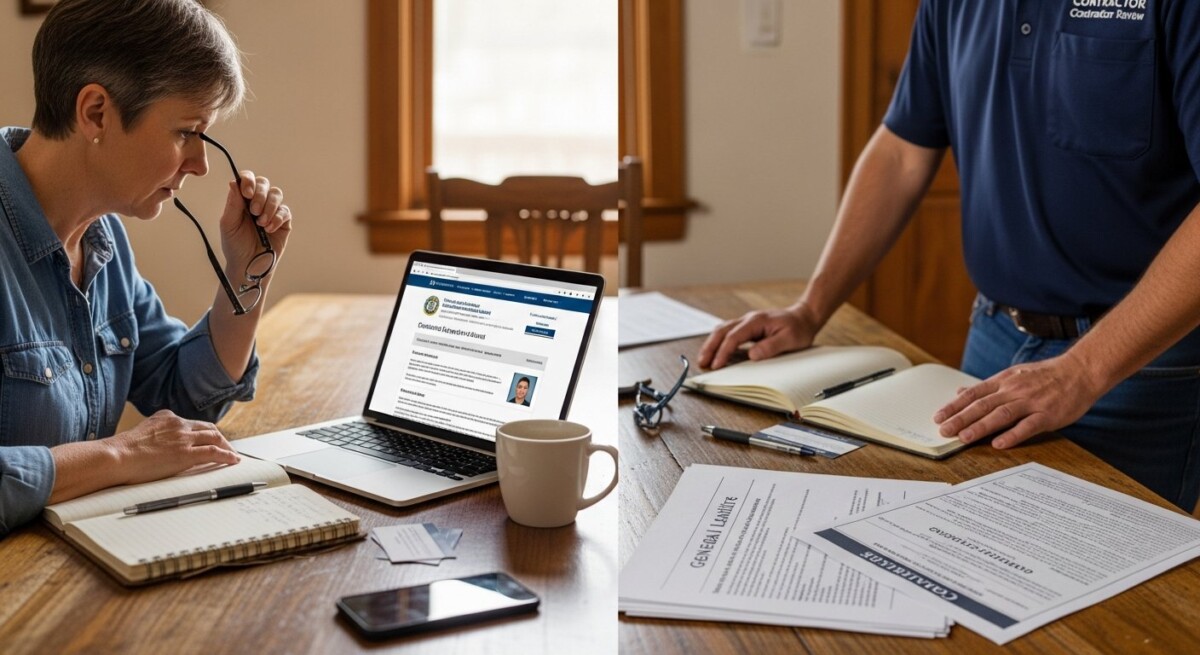
You finally decided to tackle that home improvement project,maybe a kitchen update, a new roof, or a bathroom remodel. You start searching online, but within minutes you feel overwhelmed by conflicting reviews, vague estimates, and unfamiliar terms. How do you know if the contractor you pick will show up on time, stay on budget, and do quality work? Every homeowner faces this uncertainty, and choosing poorly can turn a dream renovation into a costly nightmare. Understanding how to select best contractor for project is the single most important step you can take to protect your home, your wallet, and your peace of mind.
Understanding how to select best contractor for project
Selecting the right contractor is about more than just finding someone who answers the phone. It means identifying a licensed, insured professional with relevant experience, clear communication, and a track record of satisfied customers. Many homeowners rush this decision, often picking the lowest bid or a contractor recommended by a neighbor without doing proper research.
This situation happens most often when a project feels urgent,like a leaking roof or a broken furnace,or when homeowners are unfamiliar with the local construction industry. Older homes, especially those built before 1980, frequently require specialized knowledge for repairs or upgrades. Without a careful selection process, you risk hiring someone who cuts corners, uses substandard materials, or disappears mid-project.
For those considering a kitchen update, reading our guide on how to choose the best kitchen remodelling contractors for project can provide additional insights into vetting professionals for specialized work.
Why This Matters for Your Home
Your home is likely your largest financial investment. Hiring the wrong contractor can lead to structural damage, safety hazards like faulty wiring or mold, and uncomfortable living conditions that drag on for months. Even small mistakes,like improper waterproofing in a bathroom,can cause rot and expensive repairs down the road.
Delaying proper contractor selection or ignoring red flags often multiplies costs. A simple roof repair can turn into a full replacement if the initial work was done poorly. Professional contractors carry insurance that protects you from liability if an accident occurs on your property. They also pull necessary permits, ensuring the work meets local building codes and passes inspection.
If you notice signs of this issue in your home, it may help to speak with a qualified contractor. Request a free quote or call to explore your repair or remodeling options.
Common Problems Homeowners Experience
Homeowners typically discover contractor-related problems after the work has started,or worse, after it’s finished. These issues often show up as visible mistakes like uneven tile, gaps in siding, or doors that don’t close properly. Performance problems such as inconsistent heating, poor drainage, or frequent plumbing clogs may also point to shoddy workmanship.
Structural concerns like sagging roofs, cracked foundations, or water stains on ceilings frequently originate from improper installation or subpar materials. Aging materials in older homes can complicate repairs, especially if the contractor lacks experience with historic construction techniques. Below are some of the most frequent complaints homeowners encounter:
- Unfinished work or constant delays without clear communication
- Final costs far exceeding the original estimate
- Poor quality finishes, such as crooked cabinets or paint drips
- Damage to other parts of the home during construction
- Unlicensed workers performing electrical or plumbing tasks
- Disputes over change orders or verbal agreements
How Professionals Solve the Problem
Experienced contractors follow a structured process that minimizes surprises and ensures quality. They start with a thorough site inspection, identifying any underlying issues that might affect the project. Then they provide a detailed written estimate that breaks down materials, labor, timeline, and payment schedule.
A typical professional workflow includes:
- Initial consultation and assessment , measuring the space, discussing your goals, and checking for hidden problems
- Transparent proposal , a clear scope of work with itemized costs and expected completion date
- Permit and code compliance , handling all necessary paperwork and scheduling inspections
- Quality execution , using proper techniques, safety protocols, and high-grade materials
- Final walkthrough and cleanup , verifying your satisfaction and addressing any touch-ups
Professional work is far more reliable than DIY fixes because contractors have the training, tools, and experience to handle unexpected challenges. They also carry warranties on both materials and labor, giving you recourse if something goes wrong.
A professional inspection can reveal hidden issues before they become expensive repairs. Compare contractor quotes here or call to discuss your project.
Warning Signs You Should Not Ignore
Many homeowners miss early warning signs because they seem minor at first. A small crack in the foundation, a door that sticks, or a faint musty smell in the basement can all indicate deeper problems. Recognizing these signs early gives you time to research contractors thoroughly before the situation escalates.
If you notice any of the following, consider scheduling a professional inspection soon:
- Water stains on ceilings or walls, especially after rain
- Peeling paint or wallpaper that indicates moisture behind surfaces
- Drafts around windows or doors that suggest insulation or sealing issues
- Uneven floors or cracks in drywall that may signal foundation movement
- Frequent circuit breaker trips or flickering lights
- Mold or mildew growth in bathrooms, basements, or crawl spaces
Addressing these signs early can prevent structural damage, health hazards, and much higher repair costs. A qualified contractor can assess the root cause and recommend the most effective solution.
What Affects the Cost of Repairs or Installation
Pricing for home repair and remodeling projects varies widely based on several key factors. The size of the project is the most obvious variable,a full kitchen remodel costs significantly more than replacing countertops. Materials also play a major role; custom cabinetry, natural stone, and premium fixtures drive up costs compared to stock options.
Labor requirements depend on the complexity of the work. Projects that involve structural changes, electrical rewiring, or plumbing relocation require skilled tradespeople who charge higher rates. Accessibility matters too,work on a steep roof, in a tight crawl space, or on a second story often requires extra equipment and safety measures, increasing labor time.
The age and condition of your home can also affect pricing. Older homes may contain hazardous materials like lead paint or asbestos that require specialized abatement before work can begin. The best way to understand your specific costs is to get multiple detailed estimates from licensed contractors.
Costs can vary depending on the condition of your home. The best way to know the price is to get a personalized estimate. Request free quotes from contractors or call today.
How to Choose the Right Contractor
Finding a reliable contractor takes effort, but the process is straightforward when you follow a few proven steps. Start by asking for recommendations from friends, neighbors, or local hardware stores. Then verify each candidate’s credentials before inviting them to bid on your project.
Here are practical tips to help you make an informed choice:
- Check licensing and insurance , confirm the contractor holds a valid license for your state and carries general liability and workers’ compensation coverage
- Read customer reviews , look beyond star ratings and read detailed feedback on sites like the Better Business Bureau, Google, and Angi
- Ask for detailed estimates , a quality bid includes scope of work, material specifications, payment schedule, and warranty terms
- Compare multiple quotes , get at least three written estimates to understand the market rate and spot outliers
- Confirm experience with similar projects , ask for photos or references from recent jobs that match your project type and size
Trust your instincts during the interview process. A contractor who communicates clearly, answers your questions directly, and provides references is far more likely to deliver a positive experience.
Long-Term Benefits of Professional Work
Investing in a qualified contractor pays dividends long after the project is complete. Professional work improves your home’s safety by ensuring electrical systems are up to code, structures are sound, and materials are installed correctly. Durable repairs and quality installations also mean fewer callbacks and less maintenance over time.
Energy efficiency is another major advantage. Professional contractors seal gaps, install proper insulation, and use energy-rated windows and appliances that lower your utility bills. These improvements also increase your home’s resale value,buyers are willing to pay more for a property with documented professional upgrades and permits.
Perhaps most importantly, hiring a professional gives you peace of mind. You know the job was done right, the work is guaranteed, and you have someone to call if an issue arises. That confidence is worth far more than the savings from a bargain bid.
What questions should I ask a contractor before hiring?
Ask about their license and insurance status, how long they have been in business, and whether they have completed projects similar to yours. Request a written estimate, a timeline, and references from recent clients. Also ask who will be on-site daily and how they handle unexpected issues or changes.
How many quotes should I get for a home improvement project?
Most experts recommend obtaining at least three written quotes from licensed contractors. This helps you understand the typical price range for your project and identify any bids that are unusually high or low. Comparing quotes also gives you leverage in negotiations.
Can I negotiate the price with a contractor?
Yes, but focus on value rather than just the bottom line. Ask if the contractor can offer a discount for scheduling during their slower season or for bundling multiple projects. You can also discuss using alternative materials to lower costs without sacrificing quality.
What should be included in a contractor’s written estimate?
A professional estimate should include a detailed scope of work, list of materials with brands and models, labor costs, payment schedule, start and completion dates, and warranty information. It should also specify who is responsible for obtaining permits and cleaning up after the job.
How do I verify a contractor’s license and insurance?
Ask for their license number and check it against your state’s licensing board website. Request a certificate of insurance directly from their insurance provider or ask to see a physical copy. Verify that both general liability and workers’ compensation policies are current.
What is a reasonable down payment for a contractor?
For most projects, a down payment of 10,20% of the total cost is standard. Be wary of contractors who demand more than 50% upfront. Larger payments should be tied to completed milestones, such as finishing the foundation or rough-in work.
How do I handle disputes with a contractor?
First, try to resolve the issue through direct communication. Refer to your written contract and document all conversations. If that fails, consider mediation or contact your state’s contractor licensing board. Many contracts also include an arbitration clause that outlines the dispute resolution process.
When should I walk away from a contractor?
Walk away if the contractor refuses to provide a written contract, cannot show proof of insurance, demands full payment upfront, or has a pattern of complaints with the Better Business Bureau. Trust your gut,if something feels off during the interview, it’s wise to keep looking.
Choosing the right contractor is the foundation of any successful home improvement project. By taking the time to research, compare quotes, and ask the right questions, you protect your home and your investment. Start early, trust the process, and don’t settle for less than a qualified professional who values your trust as much as you do. Compare contractor quotes today to find the best fit for your project.

About
How to Select Best Contractor for Project: A Homeowner Guide
Learn how to select best contractor for project with practical tips on licenses, estimates, and red flags. Protect your home with professional help.
What Is a Contractor Quote Platform and How It Helps Homeowners Save
Learn what a contractor quote platform is and how it helps homeowners save money, compare bids, and hire trusted professionals for repairs and remodels.

Are Online Contractor Matches Safe? A Homeowner’s Guide
Wondering are online contractor matches safe? Learn how to vet pros, avoid scams, and protect your home with this practical guide for homeowners.
Find a Pro!
"*" indicates required fields