
How to Request a Home Repair Estimate: A Simple Guide
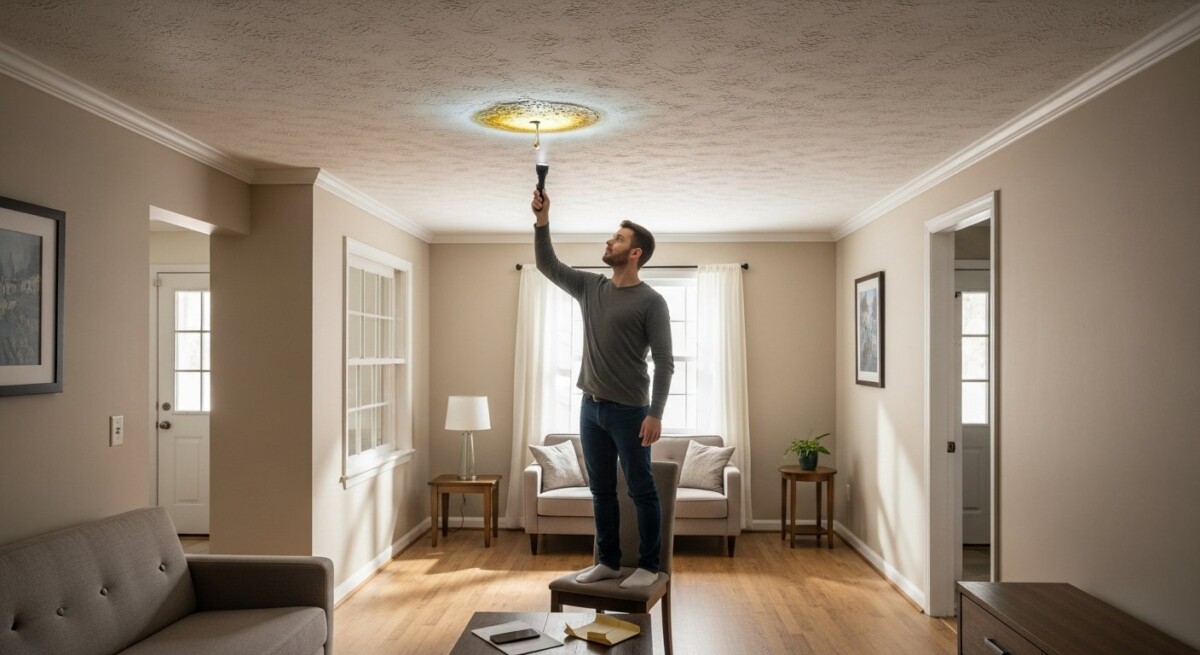
You walk into your living room and notice a small water stain on the ceiling. At first, you think it might be nothing,maybe a spill from the kids or a bit of humidity. But a few days later, the stain is bigger, and the paint starts to bubble. That is when you realize you need a home repair estimate request. Ignoring the issue could lead to a full roof leak, mold growth, or even structural damage. This scenario is more common than most homeowners realize, and knowing how to handle it can save you time, money, and stress.
Understanding Home Repair Estimate Request
A home repair estimate request is simply the process of asking a professional contractor to assess a problem in your home and provide a written price for fixing it. It is not a binding contract,it is a tool that helps you understand the scope of work and the costs involved. Most homeowners discover they need an estimate after noticing something wrong, like a leaky pipe, a cracked foundation, or an appliance that stops working.
Why do these issues happen? Homes age, materials wear out, and weather takes a toll. Roofs, plumbing, and electrical systems all have a lifespan. Older homes, especially those built more than 20 years ago, are more likely to need repairs. But even newer homes can have problems if they were not built well or if maintenance was skipped. The key is to act quickly when you see a sign of trouble.
Why This Matters for Your Home
Ignoring a small problem can turn it into a big, expensive mess. A tiny roof leak, for example, can rot the wood underneath, damage your insulation, and even cause mold that affects your family’s health. The longer you wait, the more it costs. What might have been a $200 repair can become a $2,000 project if water damage spreads.
Safety is another huge concern. Faulty wiring, a cracked chimney, or a sagging porch can put your family at risk. Comfort matters too,a drafty window or a broken HVAC system makes your home less enjoyable. And do not forget about property value. If you ever plan to sell, unaddressed repairs will show up on a home inspection and could scare off buyers or lower your offer price.
If you notice signs of this issue in your home, it may help to speak with a qualified contractor. Request a free quote or call 1-800-555-0199 to explore your repair or remodeling options.
Common Problems Homeowners Experience
Home repairs come in many forms, but some problems show up again and again. Water damage is a top complaint,leaky roofs, burst pipes, and clogged gutters all lead to moisture issues. Foundation cracks are another frequent worry, especially in areas with clay soil or freeze-thaw cycles. Aging roofs, worn-out windows, and failing HVAC systems round out the list of common headaches.
These problems often start small. You might notice a door that sticks, a faint musty smell in the basement, or a higher-than-normal utility bill. Over time, these small signs grow into bigger issues that require professional help. That is why requesting an estimate early is so important,it gives you a clear picture of what needs to be done before the problem gets worse.
- Water stains on ceilings or walls
- Drafts around windows or doors
- Uneven floors or sagging spots
- Frequent circuit breaker trips
- Peeling paint or wallpaper
- Musty odors in basements or crawl spaces
How Professionals Solve the Problem
When you hire a qualified contractor, they start by inspecting the problem thoroughly. They use tools like moisture meters, thermal cameras, and structural levels to find the root cause,not just the visible symptom. This diagnostic step is something most homeowners cannot do on their own, and it is why professional repairs tend to last longer and work better than DIY fixes.
- Inspection: The contractor examines the area to understand the full extent of the damage.
- Diagnosis: They identify the underlying cause, such as a leaky pipe or poor ventilation.
- Plan: They create a repair plan, including materials, timeline, and cost estimate.
- Repair: The work is done using proper techniques and quality materials.
- Follow-up: Many contractors offer a warranty and check back to ensure the fix holds.
Professional work is safer and more reliable than trying to fix things yourself. Contractors have the training, insurance, and tools to handle unexpected problems. They also know local building codes, so your repair will pass inspection if you ever sell your home. In our guide on deck building estimate requests, we explain how to apply this same professional approach to outdoor projects.
A professional inspection can reveal hidden issues before they become expensive repairs. Compare contractor quotes here or call 1-800-555-0199 to discuss your project.
Warning Signs You Should Not Ignore
Your home gives you clues when something is wrong. The trick is to pay attention before the problem becomes obvious. If you see a water stain, hear a dripping sound, or smell something musty, do not wait. These are early warnings that a leak or moisture issue is developing. Similarly, cracks in your foundation, walls, or driveway can signal settling or drainage problems.
Other red flags include doors that stick, windows that are hard to open, or gaps between walls and ceilings. These can point to structural shifts or foundation movement. If your utility bills suddenly spike, it may mean your insulation, windows, or HVAC system is failing. Acting on these signs early can save you thousands of dollars and a lot of hassle.
- Water stains or discoloration on ceilings or walls
- Cracks in foundation, brickwork, or drywall
- Doors or windows that stick or do not close properly
- Musty or damp smells in basements or crawl spaces
- Higher-than-normal water or energy bills
- Sagging rooflines or gutters pulling away from the house
What Affects the Cost of Repairs or Installation
Several factors influence how much a home repair will cost. The size of the project is the most obvious,fixing a small patch of drywall costs far less than replacing an entire roof. Materials also matter. Premium options like slate roofing or hardwood flooring will raise the price, while standard materials keep costs down. Labor rates vary by region and by the complexity of the job.
Accessibility is another factor. A repair on a second-story roof or in a tight crawl space takes more time and equipment. The age of your home can also affect cost. Older homes may have outdated wiring, asbestos, or lead paint that requires special handling. Getting a detailed estimate from a professional is the only way to know exactly what you are facing.
Costs can vary depending on the condition of your home. The best way to know the price is to get a personalized estimate. Request free quotes from contractors or call 1-800-555-0199 today.
How to Choose the Right Contractor
Finding a good contractor takes a little research, but it is worth the effort. Start by asking for recommendations from friends, neighbors, or online community groups. Then, check online reviews on sites like Google, Yelp, or the Better Business Bureau. Look for contractors who have experience with your specific type of repair, not just general handymen.
Always verify that the contractor is licensed and insured. A license shows they meet local requirements, and insurance protects you if something goes wrong. Ask for a written estimate that breaks down materials, labor, and timeline. Get at least three quotes so you can compare pricing and approaches. Do not automatically pick the lowest bid,sometimes cheap work costs more in the long run.
- Check for a valid license and liability insurance
- Read customer reviews and ask for references
- Get a detailed written estimate from each candidate
- Compare at least three quotes before deciding
- Confirm the contractor has experience with similar projects
Long-Term Benefits of Professional Work
Hiring a professional for your home repairs pays off in many ways. First, the work is safer. Contractors know how to handle electrical, structural, and hazardous materials without putting your family at risk. Second, professional repairs last longer. They use quality materials and proper techniques, so you are less likely to face the same problem again next year.
Energy efficiency is another big benefit. A well-sealed window, a properly insulated attic, or a new HVAC system can lower your utility bills significantly. Over time, those savings add up. Professional work also boosts your home’s resale value. When buyers see that repairs were done by a licensed contractor, they feel more confident in the property. Finally, you get peace of mind knowing the job was done right.
How do I request a home repair estimate?
You can request a home repair estimate by contacting a local contractor directly by phone or through their website. Many companies offer free, no-obligation estimates. Be ready to describe the problem and share photos if possible.
How much does a home repair estimate cost?
Most contractors provide free estimates for standard repairs. Some may charge a small fee for complex projects or if they have to travel a long distance. Always ask about estimate costs before scheduling a visit.
What should I include in a repair estimate request?
Include a clear description of the problem, the location in your home, and any relevant photos. Mention when you noticed the issue and whether it has gotten worse. This helps the contractor prepare an accurate quote.
How long does it take to get a home repair estimate?
Simple estimates can be provided within a few days after the contractor inspects your home. More complex projects may take a week or longer, especially if specialized materials or subcontractors are needed.
Do I need multiple repair estimates?
Yes, it is a good idea to get at least three estimates. This helps you compare pricing, understand the scope of work, and choose a contractor you trust. Avoid the lowest bid without checking the contractor’s reputation.
What is the difference between an estimate and a quote?
An estimate is an approximate price based on the contractor’s initial assessment. A quote is a fixed price that the contractor agrees to honor for the work described. Both are useful, but a quote gives you more certainty.
Can I negotiate a home repair estimate?
You can discuss the estimate with the contractor and ask if there are ways to reduce costs, such as using different materials or adjusting the timeline. However, be realistic,quality work has a fair price.
What happens if the repair costs more than the estimate?
Reputable contractors will notify you before exceeding the estimate. Make sure your written agreement includes a clause about cost overruns. Some contractors charge a flat fee, while others bill hourly or by the project.
Requesting a home repair estimate is the first step toward protecting your home, your safety, and your budget. Whether you are dealing with a small leak or a major renovation, getting professional input early can save you from costly surprises down the road. Take a few minutes to describe your issue to a qualified contractor and compare a few quotes before making a decision. Your home will thank you.

About
Average Cost for Kitchen Remodel: What Homeowners Should Expect
Learn the average cost for kitchen remodel, what factors influence pricing, and how to plan your project. Get tips on budgeting, choosing a contractor, and avoiding costly mistakes.

How a Construction Estimate Platform Saves You Time and Money
Learn how a construction estimate platform helps homeowners budget for repairs, compare contractor quotes, and avoid costly surprises.
How to Request a Home Repair Estimate: A Simple Guide
Learn how to request a home repair estimate, spot warning signs early, and compare contractor quotes to protect your home and budget.
Find a Pro!
"*" indicates required fields