
How Contractor Matching Services Operate and Save You Money
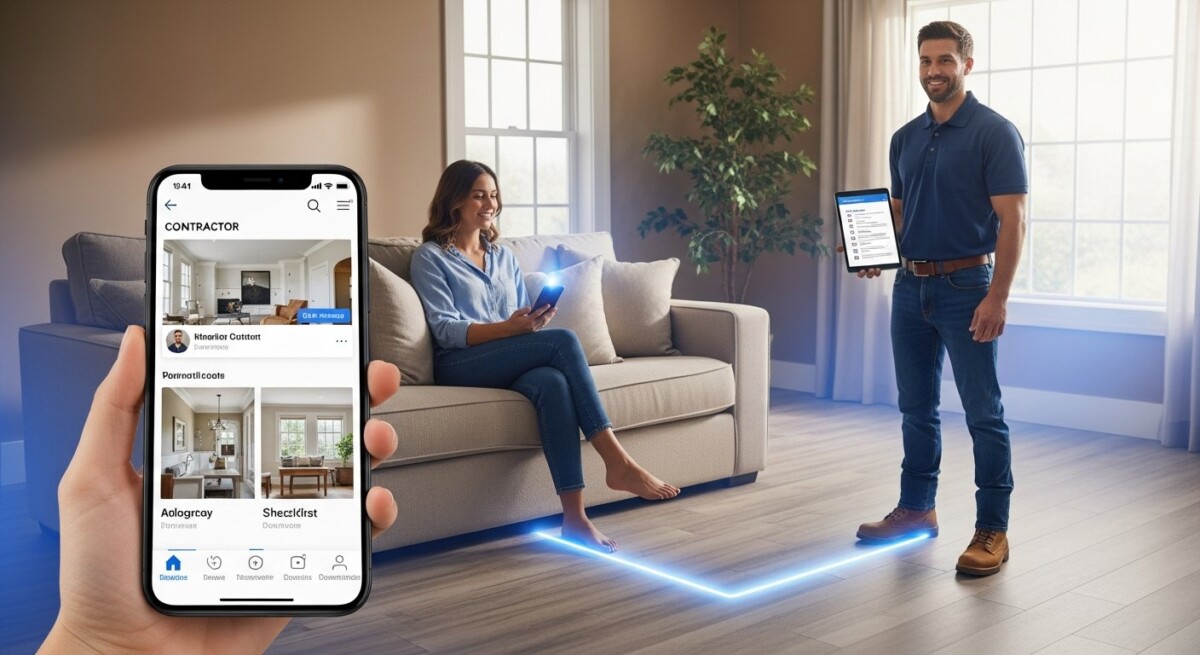
Finding a reliable contractor for a home renovation or repair often feels like a gamble. You might ask neighbors for recommendations, search through online directories, or call three random names from a search engine. Each option carries risk: hidden fees, poor workmanship, or lengthy delays. A better approach has emerged in recent years. Contractor matching services now handle the heavy lifting of vetting, connecting, and quoting. Understanding how contractor matching services operate can transform your next project from a stressful search into a streamlined process. These platforms act as intermediaries that use data, screening protocols, and local networks to pair homeowners with qualified professionals. The result is a faster, safer, and often more affordable way to get your project done.
In this article, we will walk through the exact mechanics of these services. You will learn how they screen contractors, how they generate leads, and how they ensure you get fair pricing. We will also explain how you can use these platforms to avoid common pitfalls. By the end, you will have a clear roadmap for using a contractor matching service to find the right pro without the guesswork.
The Core Mechanism of Contractor Matching Services
Contractor matching services operate on a simple premise: they replace random searching with a structured matching process. Instead of you calling dozens of contractors and asking for availability, you submit one project description to the platform. The service then uses its database of pre-screened professionals to find matches based on location, project type, budget, and timeline. This system removes the friction of cold outreach and helps both parties save time.
The process typically begins with a short online form. You describe your project: a bathroom remodel, a roof replacement, a basement finishing job. You provide details like square footage, desired materials, and your preferred start date. The platform then applies an algorithm or a human matching team to filter its contractor network. Only those who have the right licenses, insurance, and experience for your specific job receive your request. This targeted approach means you are not wasting time talking to someone who specializes in kitchen cabinets when you need a new roof.
Once the matches are made, contractors review your project details and decide whether to submit a bid. You then receive a shortlist of candidates, often with profiles that include past work photos, customer reviews, and verification badges. From there, you can compare quotes, check references, and schedule consultations. The entire cycle from submission to receiving multiple quotes can take as little as 24 to 48 hours. This speed is a major advantage over traditional methods where you might spend weeks vetting individual contractors on your own.
For a deeper look at how these platforms accelerate your search, read our guide on how a contractor matching marketplace saves time and money. This resource explains the specific time-saving features that make these services so effective.
Screening and Vetting: How Platforms Ensure Quality
The most critical part of how contractor matching services operate is their vetting process. A platform is only as good as the contractors it includes. Reputable services do not simply let anyone sign up. They require contractors to provide proof of licensing, general liability insurance, and workers’ compensation coverage. Some platforms also conduct background checks and verify trade-specific certifications. This pre-screening eliminates unlicensed or uninsured operators before they ever see your project.
Beyond initial verification, many services use ongoing quality controls. They monitor customer reviews, track complaint ratios, and require contractors to maintain certain performance standards. If a contractor receives multiple negative reviews or fails to respond to clients in a timely manner, the platform may suspend their access. This accountability creates a strong incentive for contractors to deliver quality work and good communication.
Another layer of vetting involves project-specific matching. The platform does not just check that a contractor is licensed. It checks that the contractor has actually completed projects similar to yours. For example, if you need a complex basement remodel with structural changes, the system will prioritize contractors who have documented experience in that exact area. This matching logic reduces the chance of hiring someone who overpromises but underdelivers on a specialized job.
What to Look for in a Platform’s Vetting Standards
When evaluating a contractor matching service, you should look for clear disclosure of their vetting criteria. The best platforms publish what they check and how often they verify it. Here are the key vetting elements you should expect:
- License verification: Confirmation that the contractor holds a valid license for your state and locality.
- Insurance checks: Proof of general liability and workers’ compensation coverage with adequate limits.
- Background screening: Criminal background checks on the business owner and key personnel.
- Customer review analysis: A system for tracking and acting on negative feedback.
- Trade-specific experience: Evidence of past projects that match your job type and scope.
Platforms that are transparent about these standards give you confidence that the contractors you meet have already passed meaningful scrutiny. You still need to do your own due diligence during interviews, but the matching service provides a solid first filter. This combination of platform vetting and personal verification creates a much safer hiring process than searching blindly online.
How Quotes and Pricing Work in a Matching Model
One of the biggest questions homeowners have about how contractor matching services operate involves pricing. Many people worry that using a middleman will inflate costs. In reality, most contractor matching services do not mark up the price of the work. Instead, they earn revenue through subscription fees paid by contractors or through lead generation charges. This means the quotes you receive are the actual prices the contractors would charge if you hired them directly.
When you submit a project, contractors compete for your business by providing competitive bids. Because the platform brings them multiple leads, they often offer better pricing than they would if you called them cold. They know that if they overbid, another qualified contractor on the platform will win the job. This competitive dynamic works in your favor and can lead to savings of 10 to 20 percent compared to calling a single contractor from a directory.
Another pricing advantage is transparency. Many matching services provide estimated cost ranges based on your project details before you even receive quotes. These estimates come from local market data and recent project costs. You can use this information to set a realistic budget and identify quotes that are unusually high or low. If a bid comes in far below the estimate, it may indicate the contractor is cutting corners or has misunderstood the scope. If a bid is far above, you have data to negotiate.
For a more detailed breakdown of the financial benefits, check out our article on contractor matching service: find the right pro fast. This page explains how the platform’s pricing model protects homeowners from surprise costs.
The Role of Technology in Streamlining Communication
Communication is often the weakest link in home improvement projects. Misunderstandings about scope, timeline, or materials can derail a job quickly. Contractor matching services address this by providing structured communication tools. When you use a matching platform, your project requirements are documented in a standardized format. This reduces the chance of miscommunication because both you and the contractor are working from the same written description.
Many platforms include messaging systems that keep all communication in one place. You can ask questions, share photos, and request clarifications without switching between email, text, and phone calls. This record of communication also serves as documentation if a dispute arises later. Having a clear paper trail of what was discussed and agreed upon is valuable protection for both parties.
Some advanced matching services integrate project management features. After you hire a contractor through the platform, you can use the same dashboard to track progress, approve change orders, and process payments. These tools create a single source of truth for the entire project lifecycle. They help prevent the confusion that often occurs when multiple people are involved and information gets scattered across different channels.
How Contractor Matching Services Handle Disputes and Satisfaction
Even with thorough vetting, problems can occur. A project might run over schedule, materials might arrive damaged, or work might not meet your expectations. A key part of how contractor matching services operate is their approach to dispute resolution. Most reputable services offer some form of guarantee or mediation process. They may require contractors to correct unsatisfactory work or face suspension from the platform.
Some platforms offer a fixed-price guarantee or a refund policy for certain types of projects. If a contractor fails to complete the work as agreed, the service may step in to help resolve the issue or connect you with a replacement. While these guarantees have limits and exclusions, they provide more protection than hiring a contractor you found through a generic search engine result.
It is important to read the terms of any satisfaction guarantee carefully. Understand what is covered, what is not, and how disputes are mediated. Some platforms require you to use their internal messaging system to document issues before they will intervene. Others have a formal arbitration process. Knowing these details upfront helps you use the service effectively if something goes wrong.
To see how these protections work in practice, you can visit contractor matching service: find the right pro fast. This page outlines the specific satisfaction measures that help homeowners feel secure throughout their project.
Common Misconceptions About Contractor Matching Services
Despite their growing popularity, several myths persist about how contractor matching services operate. One common misconception is that these services are only for large, expensive projects. In reality, they work for jobs of all sizes, from a small plumbing repair to a full home addition. Many platforms have no minimum project value, so you can use them for quick fixes as well as major renovations.
Another myth is that using a matching service limits your choice of contractors. The opposite is often true. Because the platform aggregates contractors from a wide geographic area, you may have access to more candidates than you would find through local recommendations alone. You still have the freedom to interview multiple contractors and choose the one you prefer. The platform simply handles the initial filtering and introduction.
Some homeowners worry that contractors on matching services are less experienced or desperate for work. This is usually inaccurate. Many established contractors join matching platforms to fill their schedules efficiently. They use these services as a consistent source of quality leads rather than a last resort. In fact, busy contractors who are selective about their projects often prefer matching services because the leads are pre-qualified and serious.
Practical Steps to Get the Most from a Matching Service
To maximize the value of a contractor matching service, you should approach the process with preparation and clear expectations. Start by writing a detailed project description. Include the exact scope of work, materials you prefer, any design preferences, and your budget range. The more specific you are, the better the platform can match you with the right contractors. Vague descriptions lead to vague bids.
Next, take advantage of all the information the platform provides. Read contractor profiles thoroughly. Look at photos of past work that is similar to your project. Pay attention to review patterns. A few negative reviews among hundreds of positive ones are normal, but consistent complaints about communication or timeliness are red flags. Use the platform’s messaging system to ask each contractor at least three questions about their approach to your project.
Finally, do not rush the decision. Even though the matching service speeds up the initial phase, you should still take time to compare quotes and interview finalists. Ask for references and call them. Verify insurance directly with the contractor’s provider. A good matching service gives you a head start, but your own due diligence is still essential for a successful outcome.
Contractor matching services have changed the home improvement landscape by making the hiring process faster, safer, and more transparent. By understanding how contractor matching services operate, you can use these platforms with confidence. You gain access to pre-screened professionals, competitive pricing, and structured communication tools. Whether you are planning a small repair or a major renovation, a matching service can help you find the right contractor and get your project started on the right foot.

About
How Contractor Matching Services Operate and Save You Money
Contractor matching services operate by vetting professionals, matching them to your project, and delivering competitive quotes fast. Save time and avoid bad hires.

How a Contractor Matching Marketplace Saves Time and Money
A contractor matching marketplace connects homeowners with vetted local pros in 24-48 hours, saving time and money through competitive bidding.

Smart Home Service Quotes Phoenix Arizona: Compare Costs
Learn how to get accurate home service quotes Phoenix Arizona homeowners can trust, compare costs effectively, and avoid common contractor pitfalls.
Find a Pro!
"*" indicates required fields