
How Accurate Are Online Contractor Estimates for Homeowners?
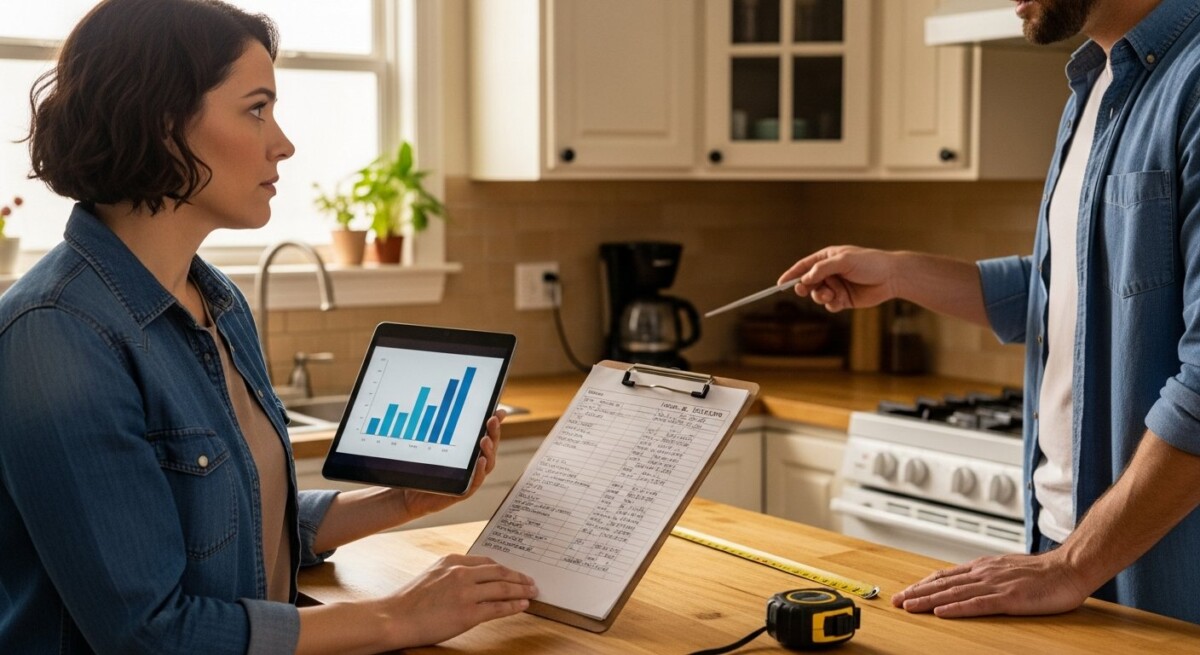
You’re planning a kitchen remodel or need a new roof, and you want to know what it will cost. Naturally, you turn to an online estimator tool, type in your project details, and get a neat number in seconds. It feels like a great starting point. But later, when you start talking to real contractors, the quotes you receive are wildly different,sometimes double or even half that online figure. This confusing gap between a quick digital guess and a real-world price is a common frustration for homeowners trying to budget for home improvements.
Understanding How Accurate Online Contractor Estimates Are
Online contractor estimates are digital tools that provide a ballpark cost for a project based on generalized data. They use algorithms and average regional pricing for materials and labor. The number you see is a broad calculation, not a personalized quote.
These tools can’t see your home. They don’t know about your outdated electrical wiring, hidden water damage behind the walls, or the specific grade of materials you prefer. They work with national or regional averages, which can vary dramatically from your local market’s reality and your home’s unique condition.
While they offer a convenient snapshot, their accuracy is limited. They are best used as a very preliminary research tool to understand a potential cost range, not as a definitive price for budgeting or comparing against professional bids.
Why This Matters for Your Home
Relying solely on an online estimate can lead to significant financial strain. If you budget based on an unrealistically low number, you might be forced to compromise on quality, take on debt, or abandon the project halfway through. This can leave your home in a vulnerable, unfinished state.
More importantly, an inaccurate estimate can mask the true scope of necessary work. A lowball figure might tempt you to delay critical repairs for your roof, foundation, or electrical system. Ignoring these issues rarely makes them go away; it usually allows them to worsen, leading to safety hazards, extensive property damage, and exponentially higher repair costs down the line.
Investing in a professional assessment protects your home’s value, your family’s safety, and your financial well-being. It turns an unknown variable into a clear, actionable plan.
If you notice signs of this issue in your home, it may help to speak with a qualified contractor. Request a free quote or call to explore your repair or remodeling options.
Common Problems Homeowners Experience
The disconnect between online estimates and reality manifests in several stressful ways during a home project. Homeowners often feel blindsided when the initial number they clung to bears little resemblance to the detailed proposals from contractors.
This can stall projects before they even begin, as homeowners scramble to reassess their finances or question the credibility of the professionals they’ve contacted. The process of requesting contractor estimates is designed to provide clarity, but starting with a misleading online figure can create unnecessary confusion and distrust from the outset.
- Massive Price Variations: Receiving contractor bids that are 30-50% higher than the online estimate.
- Hidden Cost Surprises: Discovering necessary work (like structural repairs or code upgrades) that the online tool never factored in.
- Material Misunderstandings: The estimate assumes builder-grade materials, while you desire higher-quality, more durable options.
- Labor Shortages Unaccounted For: Online calculators can’t adjust for local labor market conditions, which heavily influence price.
- Permit and Prep Work Omissions: Fees for permits, dumpsters, site preparation, and debris removal are often missing from quick online calculations.
- Scope Creep Confusion: The online tool defines a “kitchen remodel” one way, but your vision and needs may be much more comprehensive.
How Professionals Solve the Problem
A professional contractor doesn’t give you a guess; they provide a detailed estimate based on a physical inspection of your property. They diagnose the actual conditions, identify potential challenges, and tailor a solution specifically for your home.
This on-site evaluation is what separates a reliable quote from a digital approximation. It transforms unknowns into knowns, allowing for accurate material lists, realistic labor timelines, and a comprehensive scope of work. This process is the cornerstone of getting a trustworthy contractor estimate that you can actually build a budget around.
- On-Site Inspection: The contractor visits your home to assess the project area, existing conditions, and accessibility.
- Detailed Scope Definition: They outline every single task required, from demolition to final cleanup, leaving no room for ambiguity.
- Material Specification: They list the exact products, brands, grades, and quantities needed, with line-item costs.
- Labor and Timeline Projection: Based on experience, they calculate the crew hours needed and provide a realistic project schedule.
- Formal Quote Presentation: All this information is compiled into a written proposal you can review, compare, and use as a binding agreement.
A professional inspection can reveal hidden issues before they become expensive repairs. Compare contractor quotes here or call to discuss your project.
Warning Signs You Should Not Ignore
If you’re using online estimates, be wary of any result that seems too good to be true. An extremely low number is often the first red flag that the tool is missing critical components of your project.
Pay close attention to the assumptions listed in the fine print of the online estimator. If it says “costs may vary based on local rates and site conditions,” that is a major disclaimer. Your local rates and your site’s conditions are everything.
- The estimate has no line-item details, just one total number.
- It doesn’t ask for your home’s age or current condition.
- It can’t account for local building codes or permit requirements.
- You can’t select specific brands or material quality tiers.
- It provides a wide, vague range (e.g., $15,000 – $45,000) that isn’t useful for planning.
- It feels disconnected from the complexity of the project you envision.
What Affects the Cost of Repairs or Installation
Many variables influence the final price of a home project, and most are invisible to an online form. The accessibility of the work area is a prime example. Replacing a roof on a simple, single-story home is far less labor-intensive than on a steep, multi-story home with complex angles.
The age of your home is another huge factor. Older homes often require extensive preparatory work, like updating plumbing or electrical systems to meet modern code, remediating old materials, or fixing long-standing structural issues before the new work can even begin. For instance, homeowners in older cities should understand that local factors heavily influence pricing, as detailed in our resource on contractor estimates in specific markets.
Costs can vary depending on the condition of your home. The best way to know the price is to get a personalized estimate. Request free quotes from contractors or call today.
How to Choose the Right Contractor
Once you understand the limits of online tools, the next step is to find a professional you can trust. This process is about verification and communication, not just picking the lowest number.
Start by seeking recommendations from friends or neighbors and then do your own due diligence. A reputable contractor will be transparent and willing to provide all the information you need to feel confident in your decision.
- Verify Licenses and Insurance: Always ask for proof of current liability insurance and worker’s compensation, as well as a valid state or local contractor’s license.
- Read Reviews and Ask for References: Check sites like Google, BBB, and Houzz. Ask the contractor for references from past clients with similar projects.
- Request Detailed, Written Estimates: Compare quotes that break down costs for materials, labor, profit margin, and payment schedules. Avoid vague proposals.
- Compare Multiple Quotes: Get at least three detailed estimates to understand the market rate and different approaches to your project.
- Assess Communication and Professionalism: Choose someone who listens, answers questions clearly, and makes you feel comfortable. Your contractor will be in your home for weeks or months.
Long-Term Benefits of Professional Work
While the initial investment in a professional contractor may be higher than an online estimate suggested, the long-term value is undeniable. Quality workmanship with proper materials ensures your repair or renovation lasts for years, protecting your home from recurring issues.
This professional approach directly safeguards your largest financial asset. It prevents small problems from becoming catastrophic failures, improves your home’s energy efficiency, and significantly boosts its resale value. A well-executed project is an investment that pays dividends in safety, comfort, and equity.
How accurate are online remodeling cost calculators?
They are generally 40-60% accurate at best. They provide a very rough national average but cannot account for your local labor costs, home’s specific condition, material choices, or unexpected issues. Use them only for initial, high-level research.
Why is my contractor quote so much higher than the online estimate?
Your contractor’s quote is based on a real inspection of your home. It includes all necessary labor, specific materials, permit fees, waste removal, profit margin, and a contingency for unforeseen problems,details an online tool simply cannot see or calculate.
Can I use an online estimate to negotiate with contractors?
It’s not advisable. Presenting a generic online estimate can signal that you haven’t done thorough research on the local market. Instead, use multiple detailed contractor quotes to negotiate and ensure each bid covers the same scope of work.
What should a real contractor estimate include?
A professional estimate should be a detailed document including the project scope, materials list (types, quantities, brands), labor costs, total price, payment schedule, start/end dates, and information about warranties, licenses, and insurance.
Is it worth paying for a professional estimate?
Most reputable contractors provide free estimates for standard projects. If a project is extremely complex or requires architectural plans, there might be a consultation or design fee, which is often applied to the project cost if you proceed.
How many contractor quotes should I get?
For most projects, getting three detailed quotes is the sweet spot. It gives you a clear view of the fair market price and allows you to compare different professionals’ approaches and communication styles.
Online estimates are a useful first step, but they are no substitute for the expertise of a local professional. The small investment of time it takes to get detailed, in-person quotes can save you from major budget shortfalls, project delays, and costly mistakes. By comparing contractor proposals, you gain the clarity and confidence needed to move forward with your home improvement project, ensuring it is done right, on budget, and adds lasting value to your home.

About Jessica Reis

How to Evaluate Contractor Responses Like a Pro
Learn how to evaluate contractor responses with clear steps, warning signs, and practical tips to protect your home, budget, and timeline.

Why Contractor Quotes Vary: A Homeowner’s Guide to Fair Pricing
Learn why contractor quotes vary so much and how to compare them wisely. This guide helps homeowners avoid overpaying while getting quality repairs.
Home Remodeling Estimate Requests: A Simple Guide for Homeowners
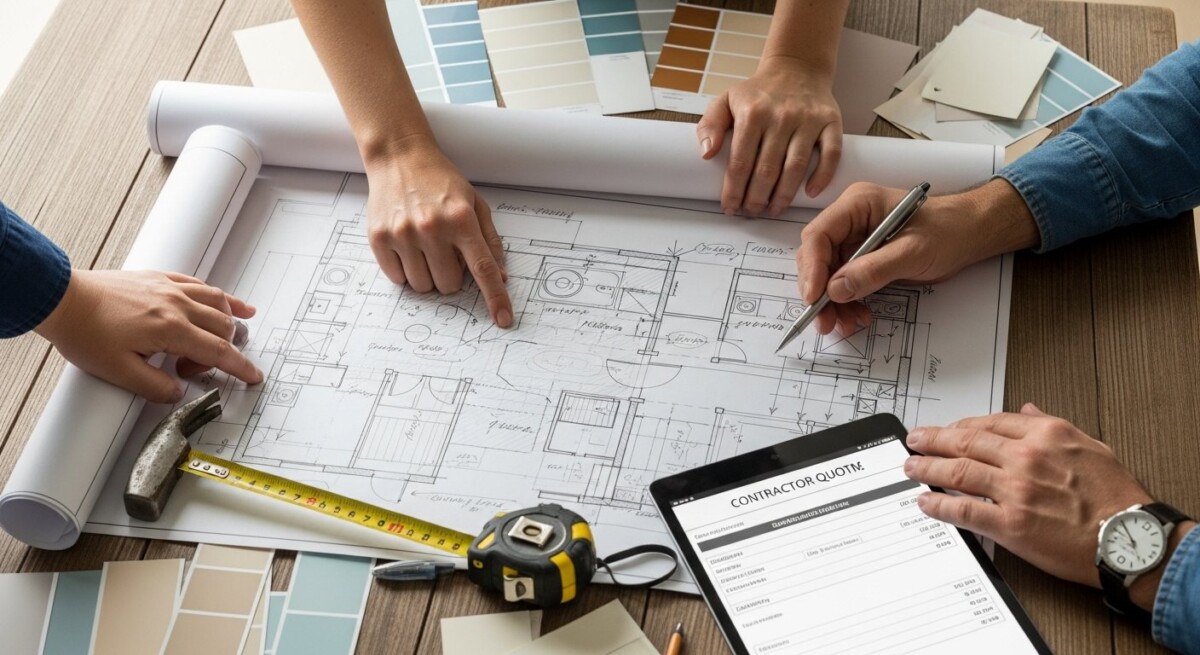
Learn how to request home remodeling estimates, compare contractor quotes, and avoid costly surprises. Simple advice for homeowners planning repairs or renovations.
Find a Pro!
"*" indicates required fields