
Get Instant Contractor Estimates for Your Home Project
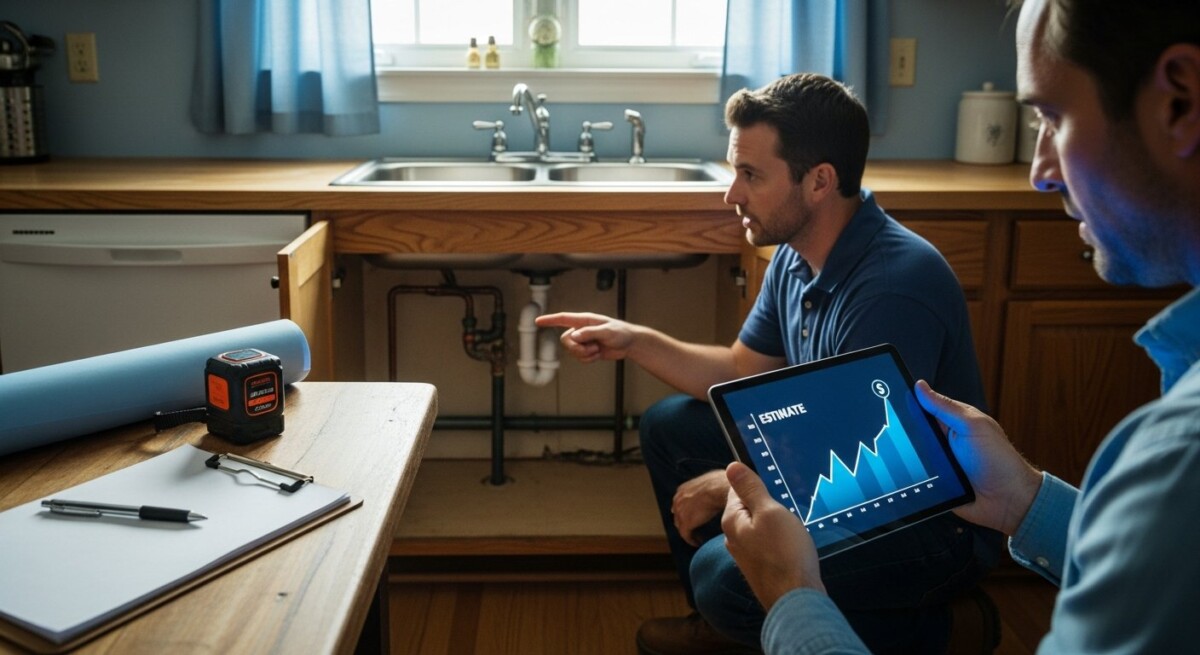
You’re finally ready to tackle that kitchen remodel or fix the leak that’s been bothering you for months. You search online, fill out a few forms, and within minutes, you get a number back. It seems fast and easy, but a nagging question remains: is this instant contractor estimate accurate for your specific home? Relying on a quick, generic quote can lead to surprises down the road, from unexpected costs to incomplete work that doesn’t solve the real problem.
Understanding Instant Contractor Estimates
Instant contractor estimates are preliminary cost figures provided online or over the phone with minimal information. They are often generated by software using average regional pricing and basic project parameters like square footage or room count.
These tools are designed to give homeowners a quick ballpark figure to help with initial budgeting. However, they cannot account for the unique conditions of your home. An instant estimate is a starting point, not a final price.
When Instant Estimates Are Useful
They can be helpful for very early-stage planning when you’re just trying to see if a project is financially feasible. Think of them as a rough sketch, not the detailed blueprint you need to actually build.
Why This Matters for Your Home
Your home is unique. Its age, construction, past repairs, and even local building codes all influence the true cost and scope of any project. An instant estimate that doesn’t consider these factors can set unrealistic expectations.
This mismatch can lead to two common problems. You might get excited about a low quote, only to have a contractor discover hidden issues that double the price later. Or, you might delay a necessary repair because the generic quote seemed high, allowing a small issue to become a major, costly failure.
If you notice signs of this issue in your home, it may help to speak with a qualified contractor. Request a free quote or call to explore your repair or remodeling options.
Common Problems Homeowners Experience
When the estimate and the reality don’t match, homeowners often face frustrating and expensive situations. The project can stall before it even begins, or worse, you might hire someone based on a lowball number who cuts corners to make the price work.
These problems usually stem from the estimate missing key details. For example, an online tool doesn’t know your bathroom has outdated plumbing that needs to be brought up to code. It just calculates the average cost to install a new shower.
- Hidden Damage: Rot behind walls, faulty wiring, or foundation cracks only found after work begins.
- Material Misunderstandings: The estimate assumes standard materials, but your design choices or structural needs are more expensive.
- Permit and Code Costs: Local permit fees and required code upgrades are rarely included in instant quotes.
- Access Challenges: A difficult-to-reach roof or a narrow staircase that complicates material delivery adds labor time.
- Scope Creep: The project expands once the real problem is uncovered, but the budget was set by the initial, incomplete estimate.
How Professionals Solve the Problem
A professional contractor provides accuracy by turning an estimate into a detailed proposal. This process starts with an on-site visit. They look at the project with trained eyes, identifying potential hurdles and opportunities you or an online form might miss.
This hands-on assessment allows them to create a scope of work. This document outlines every task, material, and labor hour required, transforming a vague idea into a clear plan. It’s the difference between guessing and knowing.
- Site Inspection: The contractor visits your home to assess the project area, discuss your goals, and take measurements.
- Problem Identification: They look for underlying issues that must be addressed for a successful, lasting result.
- Detailed Scope Creation: They draft a step-by-step plan listing all materials, labor, timelines, and preparations needed.
- Transparent Pricing: You receive a quote that breaks down costs for materials, labor, permits, and contingencies, so you know exactly what you’re paying for.
A professional inspection can reveal hidden issues before they become expensive repairs. Compare contractor quotes here or call to discuss your project.
Warning Signs You Should Not Ignore
Sometimes, the need for a professional estimate is urgent. Putting off repairs because a quick online quote seemed high can lead to much larger bills. Certain issues in your home are clear signals that it’s time to get a real assessment from a pro.
Acting on these signs early can save you thousands. A small water stain today could mean a minor pipe fix, but ignoring it could lead to major drywall replacement and mold remediation tomorrow.
- Persistent leaks or water stains on ceilings, walls, or around fixtures.
- Bouncing or sagging floors that indicate potential structural concerns.
- Outdated electrical systems (e.g., frequent breaker trips, two-prong outlets, flickering lights).
- Inefficient heating/cooling leading to unusually high energy bills and uneven temperatures.
- Cracks in foundation walls or above door/window frames that are widening.
- A roof over 20 years old with missing shingles or granules in gutters.
What Affects the Cost of Repairs or Installation
Understanding what goes into a final price helps you evaluate estimates more effectively. The biggest factor is often the condition of what’s behind the surface. Opening up a wall can reveal simple fixes or complex problems.
Other key factors include the quality of materials you choose, local labor rates, and the project’s complexity. A straightforward bathroom vanity replacement costs far less than a full gut remodel that moves plumbing lines.
- Project Scope & Size: A whole-house remodel vs. a single room update.
- Material Selection: Standard stock cabinets versus custom, handcrafted ones.
- Labor Intensity: Intricate tile work, structural engineering, or historical restoration.
- Access & Prep Work: Difficulty getting materials to the site or extensive demolition/debris removal.
- Home Age & Condition: Older homes often require more remediation (like knob-and-tube wiring removal) before new work can begin.
Costs can vary depending on the condition of your home. The best way to know the price is to get a personalized estimate. Request free quotes from contractors or call today.
How to Choose the Right Contractor
Once you decide to move forward, selecting the right professional is crucial. The lowest price is not always the best value. You want a contractor who is communicative, thorough, and trustworthy.
Start by getting at least three detailed, written estimates based on in-home visits. This allows you to compare not just the bottom line, but the proposed approach, materials, and timeline. Our guide on how to compare contractor estimates walks you through this process step-by-step.
- Verify Licenses & Insurance: Ensure they are properly licensed for your area and carry liability and workers’ compensation insurance.
- Check References & Reviews: Read online reviews and ask for past client references for similar projects.
- Review the Detailed Proposal: The quote should be specific, not vague. It should list brands, quantities, and model numbers where possible.
- Assess Communication: Choose someone who listens, answers questions clearly, and responds promptly.
- Get Everything in Writing: A formal contract should include payment schedule, start/end dates, and the detailed scope of work.
Long-Term Benefits of Professional Work
Investing in a proper estimate and quality workmanship pays off for years. It’s not just about fixing a problem today; it’s about protecting your investment and your family’s well-being.
Professional work done to code is safer and more durable. It can improve your home’s energy efficiency, boost its resale value, and give you peace of mind knowing the job was done right. This prevents the cycle of recurring repairs that often follows quick, cheap fixes.
Ultimately, a detailed contractor estimate is a tool for making an informed decision. It empowers you to plan your budget confidently and choose a professional who will deliver lasting results for your home.
How accurate are instant online contractor estimates?
They can be off by a significant margin, often 20-50% or more. They are based on averages and assumptions, not the specific conditions of your home. For a reliable figure, an in-person assessment is essential.
What should a detailed contractor estimate include?
A thorough estimate includes a line-item breakdown of material costs, labor costs, a project timeline, payment schedule, information on permits, and a clear scope of work describing every task to be performed.
Why do estimates from different contractors vary so much?
Variations can be due to differences in the scope they assume, the quality of materials they plan to use, their overhead costs, their labor rates, and whether they’ve included all necessary permits and prep work. This is why knowing how to request contractor estimates properly is key to getting comparable bids.
Is it worth paying for a professional estimate?
Most reputable contractors provide free estimates as part of their service. If a contractor charges a large fee just for an estimate, it may be a red flag. However, for very large or complex projects, a paid consultation or design phase is common.
Can I negotiate a contractor’s estimate?
You can discuss options that might lower the cost, such as using different materials, phasing the project, or adjusting the scope. However, be wary of a contractor who drastically cuts their price without a clear, justified reason, as this may indicate they will cut corners.
How long does a real contractor estimate take?
After an on-site visit, which typically takes 30-60 minutes, a contractor usually needs a few days to prepare a detailed proposal. This allows them to research material costs, plan the work sequence, and provide you with a thoughtful, accurate quote.
What’s the difference between an estimate and a quote?
An estimate is a best-guess approximation of cost, which can change. A quote (or bid) is typically a fixed-price offer for the specified work. Always clarify which you are receiving. For a deeper dive, our article on getting accurate contractor estimates explains the terminology and process.
Should I get an estimate for a small repair?
Yes. Even for small jobs, a quick in-person assessment ensures the contractor understands the full issue. It also establishes a clear price and scope upfront, preventing misunderstandings and “while we’re here” upsells later.
Taking the time to move from an instant guess to a professional estimate is one of the smartest steps you can take as a homeowner. It transforms uncertainty into a clear plan, protects your budget from surprises, and ensures your project is built on a foundation of accuracy, not assumption. Start by comparing detailed quotes from local professionals who take the time to understand your home’s unique story.

About Danica Leslie

What Is a Contractor Quote Platform? A Full Guide
A contractor quote platform simplifies hiring by letting you compare free quotes from multiple pros. Save time and avoid expensive mistakes.

Get Home Improvement Quotes Online: A Practical Guide
Get step-by-step guidance on how to request home improvement quotes online. Compare bids and avoid overpaying for your renovation.

Avoid Scams: Use Secure Home Service Quote Platforms
Use secure home service quote platforms to get verified contractors and transparent pricing, saving you from costly mistakes.
Find a Pro!
"*" indicates required fields