
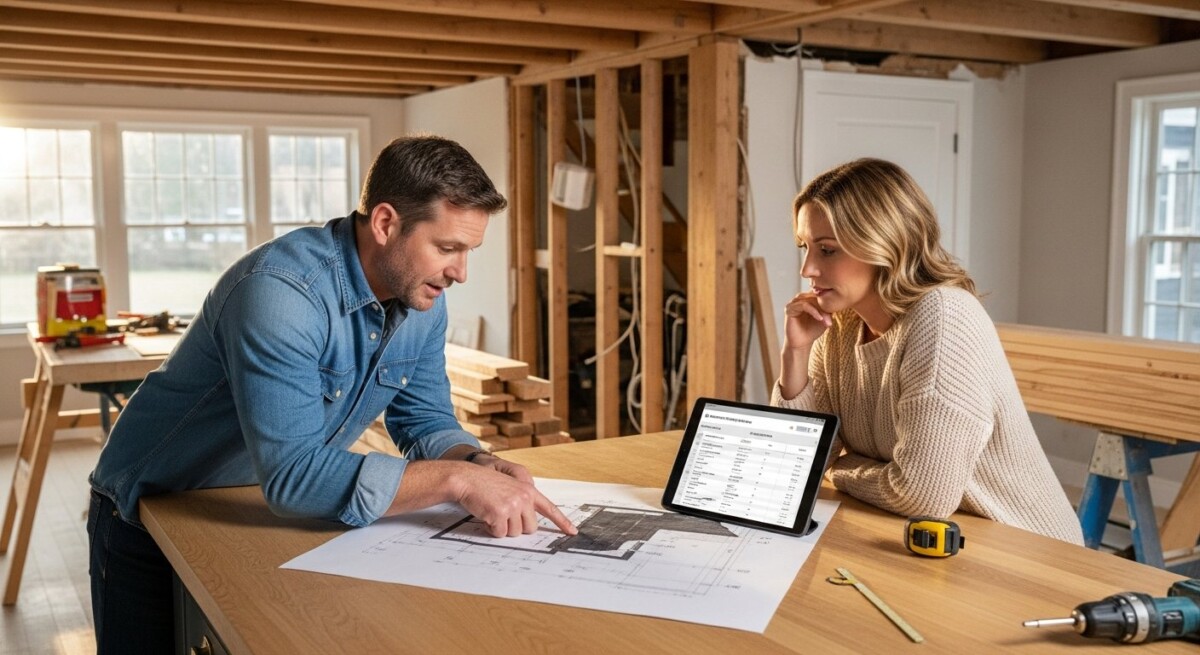
Home Project Pricing System: A Complete Guide for Homeowners
You finally decide to remodel your kitchen, replace the old roof, or finish the basement. You start researching costs online, and within minutes, you feel overwhelmed. Every website gives a different number. One contractor quotes $8,000; another says $12,000. You have no idea which price is fair, what factors drive the cost, or how to avoid overpaying. This confusion is exactly why you need a clear home project pricing system,a framework that helps you understand, compare, and plan your renovation budget with confidence. Without this system, homeowners often delay important repairs, accept inflated quotes, or end up with incomplete work that costs more later.
Understanding Home Project Pricing System
A home project pricing system is simply the method contractors use to calculate the cost of a job. It includes materials, labor, overhead, profit margin, and any special conditions like difficult access or outdated wiring. Instead of a random number, professional pricing follows a structured formula based on square footage, time estimates, and current market rates.
This system matters because it brings transparency to what can feel like a guessing game. When you understand how pricing works, you can spot a fair bid versus one that hides fees or cuts corners. Most homes,especially those built before 2000 or with multiple previous renovations,benefit from this structured approach because older structures often reveal surprises like mold, rot, or code violations that affect the final price.
Why Prices Vary Between Contractors
Even with a standard pricing system, quotes will differ. A contractor who uses premium materials and carries full insurance will charge more than one who buys the cheapest supplies. Similarly, a company with a strong warranty and a team of specialists will price their work higher than a solo handyman. The key is not to pick the lowest number but to understand what each price includes.
Why This Matters for Your Home
Ignoring how project pricing works can lead to serious problems. You might accept a low bid, only to discover halfway through that the contractor omitted permits or used substandard materials. That “savings” quickly evaporates when you have to redo the work or pay for damage caused by faulty installation. Worse, delaying a necessary repair,like a leaking roof or faulty wiring,because the quotes seemed too high can turn a $2,000 fix into a $15,000 disaster.
Beyond financial risk, there are safety concerns. A poorly priced project often means corners were cut on structural integrity, fire safety, or waterproofing. Your family’s comfort and your home’s value depend on getting the job done right the first time. A reliable pricing system gives you the power to choose quality over guesswork.
If you notice signs of this issue in your home, it may help to speak with a qualified contractor. Request a free quote or call to explore your repair or remodeling options.
Common Problems Homeowners Experience
Most homeowners encounter pricing problems not because they are uninformed, but because the process is confusing. You might receive a verbal estimate that changes once work begins, or a written bid that lacks detail. These common issues can turn a simple project into a stressful ordeal.
Another frequent challenge is comparing apples to oranges. One contractor includes demolition and disposal in their price; another charges extra for those steps. Without a standardized pricing system, you cannot tell which quote offers true value.
- Unexpected cost overruns , The final bill far exceeds the initial estimate because hidden issues were not accounted for.
- Incomplete quotes , Some bids leave out key items like permits, cleanup, or materials, leading to surprise charges.
- Low-quality work , A cheap price often means rushed labor or inferior materials that fail quickly.
- Scope creep , Without a clear pricing system, contractors may add extra tasks mid-project and increase costs without explanation.
- No warranty , Lower-priced jobs frequently come with no guarantee, leaving you responsible for future repairs.
- Delayed timelines , Poorly priced projects often run over schedule because the contractor underestimated the work required.
How Professionals Solve the Problem
Experienced contractors rely on a proven home project pricing system to eliminate guesswork. They begin with a detailed inspection of your home, identifying every factor that could affect cost,from the condition of existing structures to local building codes. This upfront assessment ensures the quote you receive is accurate and comprehensive.
Professional pricing also includes a clear breakdown of materials, labor, permits, and timeline. You know exactly what you are paying for and when each phase will be completed. This transparency builds trust and prevents the common surprises that plague DIY or handyman projects.
- On-site evaluation , The contractor inspects the area, measures dimensions, and checks for hidden issues like water damage or outdated wiring.
- Material selection , You choose from a range of options (budget, mid-range, premium), and the contractor prices each one.
- Labor calculation , The team estimates hours needed based on the complexity of the job, including demolition, installation, and finishing.
- Permit and fee inclusion , All required permits, inspection fees, and disposal costs are added to the quote upfront.
- Warranty and contingency , A small percentage (usually 10,15%) is included to cover unexpected issues without inflating the final bill.
A professional inspection can reveal hidden issues before they become expensive repairs. Compare contractor quotes here or call to discuss your project.
Warning Signs You Should Not Ignore
Your home often gives early clues that a repair or renovation is needed. Paying attention to these signs can save you thousands of dollars and prevent safety hazards. The sooner you act, the more control you have over the project pricing and timeline.
Many homeowners ignore subtle symptoms like a small crack in the foundation or a slightly higher energy bill. They assume the problem will resolve itself or that the repair will be too expensive. In reality, these early warnings almost always escalate, and the cost to fix them multiplies.
- Water stains on ceilings or walls , Indicates a roof leak or plumbing issue that will worsen if not addressed.
- Musty odors or visible mold , Suggests moisture intrusion that can damage structure and affect air quality.
- Doors or windows that stick , Often a sign of foundation movement or swollen frames due to water damage.
- Higher-than-normal utility bills , Points to poor insulation, drafty windows, or an inefficient HVAC system.
- Cracks in drywall or brickwork , Can signal settling issues or structural stress that needs professional evaluation.
- Age of major systems , If your roof, HVAC, or water heater is past its expected lifespan, proactive replacement is cheaper than emergency repair.
What Affects the Cost of Repairs or Installation
Several factors influence the final price of any home project. Understanding these elements helps you evaluate quotes and plan your budget realistically. Location, for example, plays a major role,labor rates in urban areas are typically higher than in rural regions.
The size and complexity of the project also drive cost. A simple bathroom refresh costs less than a full gut renovation that involves moving plumbing and walls. Similarly, materials vary widely: basic laminate flooring is far cheaper than hardwood or tile, and the quality you choose affects both the price and the longevity of the result.
Accessibility matters too. If your home has narrow hallways, multiple stories, or tight crawl spaces, contractors need more time and equipment to complete the work. Older homes often require additional labor to bring wiring, insulation, or plumbing up to current code, which increases the price but ensures safety and compliance.
Costs can vary depending on the condition of your home. The best way to know the price is to get a personalized estimate. Request free quotes from contractors or call today.
How to Choose the Right Contractor
Selecting a contractor is one of the most important decisions you will make during any home project. A great contractor uses a transparent home project pricing system, communicates clearly, and delivers quality work on schedule. Taking the time to vet candidates saves you from headaches later.
Start by asking for recommendations from neighbors or friends who have completed similar projects. Then, interview at least three contractors and request written quotes that break down all costs. Avoid contractors who give only verbal estimates or pressure you to sign immediately.
- Verify licenses and insurance , Ensure the contractor is licensed in your state and carries liability and worker’s compensation coverage.
- Read customer reviews , Check platforms like Google, Yelp, or the Better Business Bureau for recent feedback.
- Ask for detailed estimates , A good quote lists materials, labor, permits, timeline, and payment schedule.
- Compare multiple quotes , Do not automatically choose the cheapest; look for the best value based on scope and quality.
- Confirm experience with similar projects , Ask for photos or references from past jobs that match your scope of work.
Long-Term Benefits of Professional Work
Investing in professional repairs or remodeling pays off in multiple ways. First, quality workmanship lasts longer, so you avoid the cycle of frequent fixes and replacements. Second, a well-executed project boosts your home’s resale value,buyers are willing to pay more for a property with updated systems and finishes.
Energy efficiency is another major benefit. Professional contractors use proper insulation, sealing, and modern materials that reduce your monthly utility bills. Over time, these savings can offset the initial cost of the project. Finally, professional work comes with peace of mind. You know the job was done right, meets code, and is backed by a warranty.
When you use a clear home project pricing system to plan and compare, you set yourself up for a smoother renovation experience. You avoid surprises, control costs, and end up with a home that is safer, more comfortable, and more valuable.
What is a home project pricing system?
A home project pricing system is a structured method contractors use to calculate the total cost of a renovation or repair. It includes material costs, labor hours, overhead, permits, and a contingency for unexpected issues. This system helps homeowners understand exactly what they are paying for and compare quotes fairly.
How can I get an accurate estimate for my home project?
Request an on-site inspection from at least three licensed contractors. Ask for a written quote that breaks down materials, labor, permits, and timeline. Avoid relying on online calculators or phone-only estimates, as they cannot account for your home’s specific conditions.
Why do contractor quotes vary so much for the same job?
Quotes differ because of material choices, labor rates, overhead costs, and the contractor’s experience level. A higher quote may include premium materials, full insurance, and a longer warranty. Always compare the scope of work included, not just the total price.
Should I choose the cheapest contractor?
Not necessarily. The cheapest quote often means lower-quality materials, rushed labor, or omitted steps like permits and cleanup. It is better to choose a contractor who offers fair pricing, clear communication, and a detailed written estimate.
What hidden costs should I expect in a home renovation?
Common hidden costs include permit fees, disposal fees for old materials, unexpected structural issues (like rot or outdated wiring), and changes you make mid-project. A good contractor will include a contingency (usually 10,15%) in the initial quote to cover these surprises.
How can I compare contractor quotes fairly?
Create a spreadsheet and list each line item from every quote: materials, labor, permits, cleanup, timeline, and warranty. Then compare apples to apples. If one contractor includes demolition and another does not, adjust the numbers so you are comparing the same scope of work.
Is it worth paying more for a contractor with a warranty?
Yes. A warranty protects you if something goes wrong after the project is complete. It covers defects in workmanship or materials, saving you from paying for repairs out of pocket. Always ask what the warranty covers and how long it lasts before signing a contract.
How do I know if a contractor is using a fair pricing system?
A fair contractor provides a detailed written estimate, explains how they arrived at the price, and answers your questions patiently. They do not pressure you to sign immediately and are willing to break down costs. Transparency is the best sign of a trustworthy pricing system.
Understanding your home project pricing system is the first step toward a successful renovation. The sooner you gather information, compare quotes, and hire a qualified professional, the better protected your home and budget will be. Take the time to request multiple estimates and choose a contractor who communicates clearly and values transparency. Your home,and your wallet,will thank you.
How to Use a Contractor Quote Request Form to Save Money
Learn how a contractor quote request form helps homeowners save money, compare bids, and hire the right pro for repairs or remodeling.
Home Project Pricing System: A Complete Guide for Homeowners
Learn how a home project pricing system works, why quotes vary, and how to compare contractor bids fairly to save money and avoid surprises.
Can You Request Contractor Quotes Online? Yes, and Here’s How
Learn how to request contractor quotes online, compare estimates from local pros, and avoid costly delays. Simple steps for homeowners.
Find a Pro!
"*" indicates required fields