
Digital Contractor Bidding: What Homeowners Must Know

Imagine you need a new roof or a kitchen remodel. In the past, you would call three contractors, wait for them to visit your home, and then wait days (or weeks) for a paper estimate to arrive in the mail. That process is slow, inefficient, and often leaves homeowners feeling pressured. Today, a better system exists: digital contractor bidding. This modern approach uses online platforms to connect homeowners with pre-screened contractors who compete for your project. Instead of chasing down quotes, you receive multiple bids directly through a digital dashboard. But how does it actually work, and is it right for your next home improvement project?
What Is Digital Contractor Bidding?
Digital contractor bidding is a process where homeowners submit their project details through an online platform, and qualified contractors respond with competitive bids. Think of it as an auction for your home improvement job, but one where you control the timeline and the information. The platform handles the vetting of contractors, the collection of project specifications, and the delivery of bids in a standardized format. This removes much of the guesswork and back-and-forth communication that traditionally plagues contractor selection.
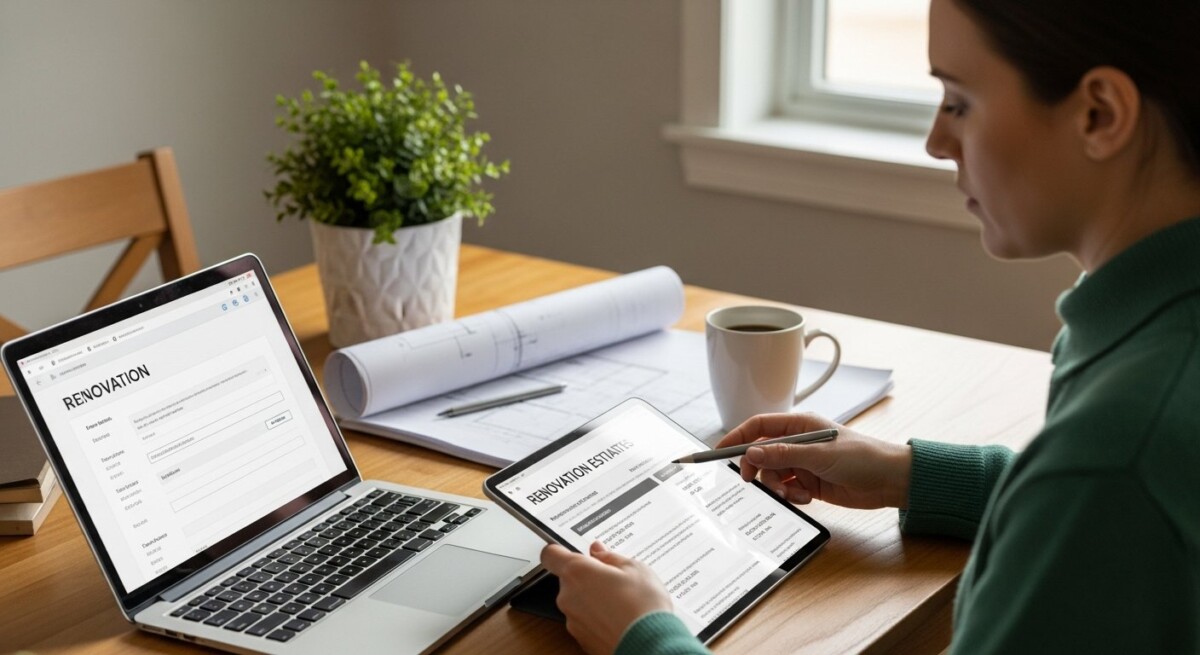
For the homeowner, the process typically starts with a simple form. You describe the work needed (e.g., "replace 30-year asphalt shingle roof on a 2,500 sq ft home in Atlanta"), upload photos if available, and set a timeline. The platform then matches your project with contractors who service your area and specialize in that type of work. These contractors review your details and submit a price, a scope of work, and sometimes a timeline for completion. You receive all bids in one place, making it easy to compare apples to apples.
This system is fundamentally different from the old way. In the past, you had to call each contractor individually, schedule appointments, and take time off work to be present for walkthroughs. With digital bidding, you can receive multiple quotes without ever meeting a contractor in person until you decide to move forward. It saves time, reduces pressure, and often results in more competitive pricing because contractors know they are being compared against others.
How Does a Digital Bidding Platform Work?
Understanding the mechanics of a digital bidding platform helps you use it effectively. Most platforms follow a similar workflow, though each has its own unique features. Here is a step-by-step look at the typical process from start to finish.
First, you create a project profile. This includes your address, a description of the work, your budget range, and your timeline. You might also answer questions about the age of your home, the materials you prefer, and any specific challenges (like a steep roof or difficult access). The more detail you provide, the more accurate the bids will be. A vague description like "fix my bathroom" will attract vague bids, while "replace a fiberglass shower with a tiled walk-in shower, update vanity, and install a new toilet" will attract precise bids.
Second, the platform distributes your project to its network of contractors. Some platforms use an algorithm to match your project with the best-suited contractors based on location, licensing, and past project history. Others allow any contractor in your area to view and bid on open projects. The best platforms pre-screen contractors by verifying licenses, insurance, and bonding requirements before they can access the system.
Third, contractors submit their bids. Each bid includes a total price, a breakdown of costs (labor, materials, permits), and a proposed start date. Many platforms also require contractors to include a written scope of work so you know exactly what is included and what is not. You receive a notification when each bid arrives, and you can view them all in a side-by-side comparison dashboard.
Finally, you review the bids and choose the contractor that best fits your needs. Most platforms allow you to message contractors directly to ask questions or request clarification before making a decision. Once you choose a contractor, you can usually accept the bid directly through the platform, which often locks in the price and scope of work.
To get the most out of the process, keep these points in mind:
- Provide clear, detailed descriptions of your project, including measurements and material preferences.
- Upload photos or videos of the current condition of the area to be worked on.
- Set a realistic budget range. Too low may attract low-quality bids, while too high may scare away honest contractors.
- Check each contractor’s profile for reviews, licensing, and insurance information before accepting a bid.
- Ask questions through the platform’s messaging system to keep all communication documented.
Following these steps ensures you receive competitive, accurate bids and can make a confident decision. The digital platform also creates a record of all communications, which can be helpful if disputes arise later.
Benefits of Using Digital Contractor Bidding for Homeowners
The shift from paper-based to digital contractor bidding offers tangible advantages for homeowners. Understanding these benefits helps you decide whether this approach is right for your project.
First, convenience is the most obvious benefit. You can start the process from your phone or computer at any time of day or night. There is no need to coordinate schedules with three different contractors or take time off work for walkthroughs. You submit your project once, and multiple contractors respond on their own time. This alone can save you hours of phone tag and scheduling headaches.
Second, you gain access to a wider pool of contractors. In the traditional process, you are limited to contractors you know or can find through word-of-mouth. Digital platforms open the door to dozens or even hundreds of qualified contractors in your area. More competition often leads to better prices and more flexible scheduling. A contractor who is hungry for work may offer a lower price or a faster start date to win your project.
Third, transparency is built into the system. Every bid includes a price, a scope of work, and a timeline. You can compare these side by side without relying on memory or scattered paper notes. If one contractor includes premium materials and another uses budget materials, the difference is clear. You can also see contractor ratings and reviews from other homeowners, giving you insight into their reliability and quality of work.
Fourth, the process reduces pressure. In traditional bidding, a contractor standing in your living room may pressure you to sign on the spot. With digital bidding, you have time to think. You can review bids at your own pace, ask questions without feeling rushed, and even consult with a friend or family member before making a decision.
Fifth, many platforms offer additional protections. Some hold your payment in escrow until the work is completed to your satisfaction. Others offer dispute resolution services if something goes wrong. These features add a layer of security that you do not get when hiring a contractor directly from a business card or a referral.
Common Misconceptions About Digital Contractor Bidding
Despite its growing popularity, digital contractor bidding is surrounded by myths that can discourage homeowners from trying it. Let us address a few of the most common misconceptions.
One myth is that digital bids are less accurate than in-person estimates. In reality, many contractors can provide accurate bids based on detailed descriptions, photos, and video walkthroughs you provide. For many projects, especially those with straightforward scopes like roof replacement or siding installation, the materials and labor are well understood. A contractor who has done hundreds of similar jobs can give a reliable price without stepping foot on your property. If the project is complex or involves unique conditions, the contractor may still request a site visit before finalizing the bid.
Another misconception is that only low-quality contractors use digital platforms. The truth is that many top-tier contractors use these platforms to find new clients without spending money on traditional advertising. They appreciate the efficiency of digital bidding and the ability to compete for projects that match their expertise. Many platforms verify licensing, insurance, and even conduct background checks, which is more vetting than most homeowners do on their own.
A third myth is that digital bidding is only for small projects. In fact, many platforms handle projects of all sizes, from a $500 faucet replacement to a $50,000 kitchen remodel. Large projects may require more detailed descriptions or multiple rounds of bidding, but the process works the same way. For significant investments, the ability to compare multiple detailed bids is even more valuable.
Finally, some homeowners worry that digital bidding eliminates the personal relationship with the contractor. While the initial contact is digital, the actual work is still done by real people. You can communicate with contractors through the platform, ask questions, and even schedule a phone call or video chat before deciding. Once you choose a contractor, the in-person work proceeds exactly as it would with a traditional hire.
How to Choose the Best Digital Bidding Platform
Not all digital contractor bidding platforms are created equal. Choosing the right one can make the difference between a smooth experience and a frustrating one. Here are the key factors to consider when selecting a platform.
Look for a platform that verits contractors before allowing them to bid on projects. The best platforms check for valid licenses, insurance, and bonding. Some also perform background checks on contractors and their employees. This pre-screening saves you time and reduces the risk of hiring someone unqualified.
Consider the platform’s user interface. Is it easy to describe your project? Can you upload photos and videos? Is the bid comparison dashboard clear and intuitive? A well-designed platform makes the process feel simple, while a clunky one can add frustration. Read user reviews to see what other homeowners say about the experience.
Check the platform’s fee structure. Most platforms are free for homeowners to use. They make money by charging contractors a subscription fee or a percentage of the project value. However, some platforms may charge a small fee for premium features like expedited matching or additional contractor reviews. Read the fine print before signing up to avoid surprises.
Look at the platform’s geographic coverage. Some platforms operate nationally, while others focus on specific regions or states. If you live in a rural area, you may have fewer options on a national platform. A regional platform may have deeper connections with local contractors. Check whether the platform serves your area before creating a project.
Finally, consider the platform’s support resources. Does it offer guides or articles to help you write a good project description? Is there a customer support team you can contact if something goes wrong? The best platforms treat homeowners as valued customers, not just leads for contractors.
Preparing Your Project for Digital Bidding
Your success with digital contractor bidding depends largely on how well you prepare your project description. A detailed, accurate description attracts better bids and reduces the chance of misunderstandings later.
Start by measuring everything. For a roofing project, measure the square footage of your roof. For a flooring project, measure the length and width of each room. For a bathroom remodel, note the dimensions of the shower, tub, and vanity. Contractors need these numbers to calculate material quantities and labor time. If you are unsure how to measure, many platforms provide guides or templates to help.
Next, describe the current condition. Is your roof leaking? Is the subfloor damaged? Are there mold or moisture issues? Be honest about problems, because hiding them can lead to change orders and higher costs later. If you have photos or videos, upload them. Visual evidence helps contractors understand the scope and provide accurate bids.
Specify your material preferences. If you want a specific brand of windows or a particular type of countertop, mention it. If you are flexible, you can note that you are open to contractor suggestions. The more information you provide, the more accurate the bids will be. A bid based on "mid-range kitchen countertop" is less useful than one based on "quartz countertop, Level 2, similar to Cambria or Silestone."
Set a realistic timeline. If you need the work done before the holidays, say so. If you are flexible and can wait for a contractor’s slow season, mention that too. Contractors may offer discounts for projects that can be scheduled during their slower months. Be clear about your timeline expectations to avoid disappointment later.
Finally, set a realistic budget range. Do not lowball your budget just to see low bids, because you may attract unqualified contractors who cut corners. Do not inflate your budget either, because you may overpay. Research typical costs for your project in your area using resources like our guide on digital contractor bidding to understand realistic price ranges before setting your budget.
Comparing Bids: What to Look For
When the bids start arriving, resist the urge to simply choose the lowest price. A smart comparison involves evaluating multiple factors to find the best overall value.
First, compare the scope of work. Does each contractor include the same items? One bid may include disposal of old materials, while another may charge extra for it. One may include a warranty on labor, while another may not. Look beyond the total price to understand exactly what you are getting for your money. A slightly higher bid that includes everything you need may be a better deal than a lower bid with costly add-ons.
Second, evaluate the materials specified. Are they comparable in quality? A bid that uses premium materials may cost more upfront but last longer and require fewer repairs. A budget bid may use lower-quality materials that need replacement sooner. Ask contractors to specify the brands and models they plan to use so you can research them.
Third, consider the contractor’s reputation. Check their ratings and reviews on the platform and on independent sites. Look for patterns in feedback. Do multiple reviewers mention that the contractor shows up on time? Do they clean up after the job? Are they responsive to questions? A contractor with glowing reviews and a slightly higher price may be a safer choice than a cheaper contractor with mixed reviews.
Fourth, evaluate the timeline. Can the contractor start when you need them to? How long do they estimate the project will take? A contractor who can start immediately may be worth a premium if you are on a tight schedule. A contractor with a long wait time may not work if you need the project done quickly.
Finally, trust your instincts. If a bid seems too good to be true, it probably is. If a contractor is evasive about answering questions or provides vague responses, consider that a red flag. The best contractor is one who communicates clearly, provides a detailed scope, and makes you feel confident in their ability to deliver quality work.
For a deeper look at how to evaluate bids and choose the right professional, read our article on online contractor bidding platforms for additional tips and platform recommendations.
Common Pitfalls to Avoid
Even with a great platform and a well-prepared project, things can go wrong if you are not careful. Here are some common pitfalls to watch out for.
One mistake is accepting a bid based solely on price. The cheapest bid may come from a contractor who cuts corners, uses inferior materials, or lacks proper insurance. If something goes wrong, you could end up paying far more to fix the problem. Always balance price with quality and reputation.
Another mistake is not reading the fine print. Some bids include exclusions hidden in the terms and conditions. For example, a roofing bid may exclude the cost of replacing damaged decking, which can add hundreds or thousands of dollars to the final bill. Ask contractors to clarify what is and is not included before accepting a bid.
A third pitfall is failing to verify contractor credentials. Even if the platform verifies licenses and insurance, you should confirm that the contractor who shows up is the same licensed professional. Ask to see their license and insurance certificate before work begins. This simple step protects you from unlicensed workers or subcontractors who may not meet the same standards.
Finally, avoid making verbal changes to the scope of work. If you decide to add a light fixture or change the paint color during the project, get it in writing. Use the platform’s messaging system or a formal change order. Verbal agreements are difficult to enforce and can lead to disputes over cost and scope.
By staying vigilant and following best practices, you can avoid these common mistakes and enjoy a smooth home improvement experience.
Digital contractor bidding is transforming the way homeowners plan and execute renovation projects. It offers convenience, transparency, and competitive pricing that traditional methods cannot match. By understanding the process, choosing the right platform, and preparing your project carefully, you can take full advantage of this modern approach. Whether you are replacing a roof, remodeling a kitchen, or adding a deck, digital bidding puts you in control. Start your next project with confidence, knowing that you have the tools to find the right contractor at the right price.

About
How a Remodeling Estimate Request Tool Saves You Money
Save time and money by using a remodeling estimate request tool to compare multiple contractor bids with transparent pricing and standardized project details.

What Is an Online Estimate Request System
An online estimate request system lets homeowners submit project details once and receive multiple competitive quotes from vetted local contractors, saving time and money.
Digital Contractor Bidding: What Homeowners Must Know
Digital contractor bidding lets homeowners receive multiple competitive quotes online, saving time and reducing pressure while getting the best price for their project.
Find a Pro!
"*" indicates required fields