
Average Remodeling Project Cost: What Homeowners Should Know
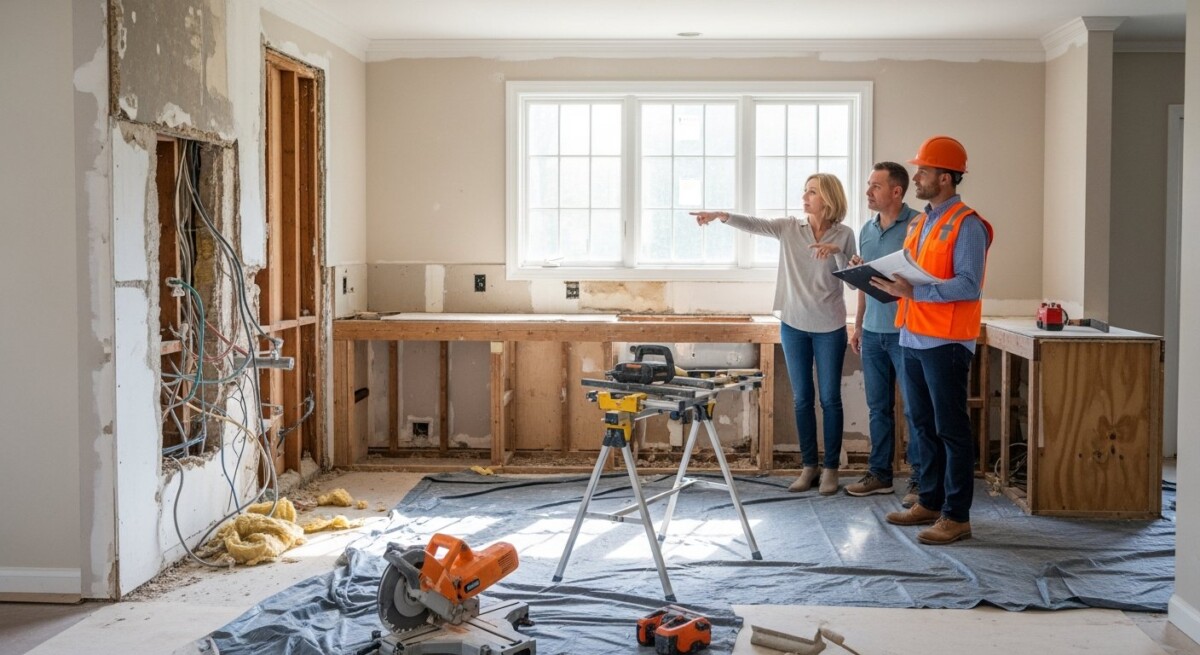
You finally decide to update that outdated kitchen or finish the basement that has been collecting dust for years. You start browsing online for ideas, but then you hit the big question: how much will this actually cost? The average remodeling project cost can feel like a mystery, and without a clear answer, many homeowners put their plans on hold,or worse, they start a project without a realistic budget and run into financial trouble halfway through.
This uncertainty is normal, but it doesn’t have to stop you. Understanding what drives costs and where your money goes can help you plan smarter, avoid surprises, and get the home you want without breaking the bank. In this guide, we’ll break down the numbers, explain what affects pricing, and show you how to protect your investment with professional help.
Understanding Average Remodeling Project Cost
The average remodeling project cost varies widely depending on the room, the scope of work, and your location. A minor bathroom update might run $6,000 to $10,000, while a full kitchen remodel can easily reach $25,000 to $50,000 or more. These figures aren’t meant to scare you,they’re a starting point for realistic planning.
Why do costs differ so much? Materials, labor, permits, and unexpected issues like old wiring or water damage all add up. Older homes, especially those built before 1980, often hide problems behind walls that only appear once demolition begins. That’s why a simple “refresh” can quickly turn into a more expensive project.
Which Homes Are Most Affected
Homes over 30 years old are most likely to have hidden issues that increase remodeling costs. Outdated plumbing, electrical systems that don’t meet current code, and structural changes from previous owners are common. Even newer homes can surprise you if the original construction used budget materials or shortcuts.
Why This Matters for Your Home
Ignoring remodeling cost realities can lead to serious problems. If you underestimate the budget, you might have to stop work mid-project, leaving your home in a half-finished state. That can lower your property value, create safety hazards, and make daily life uncomfortable,imagine living without a working kitchen for months.
Delaying necessary repairs or upgrades also lets small issues grow. A small leak behind a bathroom wall can turn into mold and rot, costing thousands more to fix later. Professional contractors help you see the full picture, so you can prioritize what matters and avoid expensive do-overs.
If you notice signs of this issue in your home, it may help to speak with a qualified contractor. Request a free quote or call to explore your repair or remodeling options.
Common Problems Homeowners Experience
Many homeowners start a remodeling project only to discover problems they didn’t expect. Outdated wiring, uneven floors, or water damage behind tiles are common. These issues not only add cost but can delay your timeline by weeks.
Some problems are visible, like cracked tiles or peeling paint. Others hide behind walls or under floors, making them easy to ignore until it’s too late. Understanding these typical challenges helps you prepare mentally and financially.
- Outdated electrical systems that need full rewiring
- Plumbing leaks or corroded pipes behind walls
- Asbestos or lead paint in older homes requiring professional removal
- Uneven subfloors that cause new flooring to crack or buckle
- Mold or mildew from past leaks or poor ventilation
- Structural issues like sagging beams or foundation cracks
How Professionals Solve the Problem
Experienced contractors follow a step-by-step process to handle remodeling projects efficiently. They start with a thorough inspection to identify hidden issues, then create a detailed plan and budget. This upfront work prevents surprises and keeps the project on track.
Professional teams also handle permits, inspections, and code compliance,things a DIYer might overlook. Their experience means they can spot potential problems early, saving you money and stress. Here’s a typical process they follow:
- Initial consultation and on-site inspection to assess your home’s condition and your goals.
- Detailed estimate and project plan including materials, timeline, and cost breakdown.
- Permit acquisition to ensure all work meets local building codes.
- Demolition and preparation with careful removal of old materials and protection of adjacent areas.
- Core work like electrical, plumbing, drywall, and flooring installed in the correct order.
- Final finishes and walk-through to ensure everything meets your expectations and passes inspection.
A professional inspection can reveal hidden issues before they become expensive repairs. Compare contractor quotes here or call to discuss your project.
Warning Signs You Should Not Ignore
Your home often gives you clues that a remodel or repair is overdue. Pay attention to subtle changes,they’re your home’s way of asking for help. Acting early can save thousands of dollars and prevent safety risks.
If you notice any of the following signs, it’s wise to call a professional for an assessment. Waiting only makes the problem worse and more expensive to fix.
- Water stains on ceilings or walls, especially near bathrooms or the roof
- Musty odors or visible mold growth
- Cracks in walls, ceilings, or foundation
- Doors or windows that stick or won’t close properly
- Frequent circuit breaker trips or flickering lights
- Outdated fixtures or finishes that are over 20 years old
What Affects the Cost of Repairs or Installation
Several factors influence the final price of a remodeling project. Understanding them helps you set a realistic budget and avoid sticker shock. The size of the room is a big factor,a small bathroom costs less than a large kitchen, but the per-square-foot price can be higher because plumbing and electrical work are concentrated.
Material choices also drive costs. Custom cabinets, natural stone countertops, and high-end appliances add thousands compared to stock options. Labor rates vary by region and by trade,electricians and plumbers typically charge more than painters or carpenters. Accessibility matters too: a basement remodel costs more if the contractor has to carry materials down narrow stairs.
Costs can vary depending on the condition of your home. The best way to know the price is to get a personalized estimate. Request free quotes from contractors or call today.
How to Choose the Right Contractor
Finding a reliable contractor is just as important as setting the right budget. A good contractor communicates clearly, shows up on time, and delivers quality work. Take your time to vet candidates,this decision affects your home and your wallet.
Start by asking for recommendations from neighbors or friends who recently remodeled. Then interview at least three contractors and compare their bids. The cheapest option isn’t always the best; look for value, not just price.
- Verify licenses and insurance,ask for proof and confirm with your state’s licensing board.
- Read online reviews on Google, Yelp, or the Better Business Bureau.
- Ask for a detailed written estimate that breaks down materials, labor, and timeline.
- Get at least three quotes to compare pricing and scope.
- Confirm the contractor has experience with projects similar to yours.
Long-Term Benefits of Professional Work
Investing in professional remodeling pays off in many ways beyond just a fresh look. Quality workmanship means your new kitchen or bathroom will last for decades without problems. That saves you money on future repairs and replacements.
Energy-efficient windows, insulation, and appliances lower your monthly utility bills. Updated electrical and plumbing systems reduce the risk of fires or water damage. And a well-executed remodel can increase your home’s resale value significantly,often recouping 60% to 80% of the cost when you sell.
Finally, professional work gives you peace of mind. You know the job was done right, with proper permits and inspections. That’s something no DIY project can guarantee.
How much does an average kitchen remodel cost?
A minor kitchen remodel averages $10,000 to $15,000, while a major renovation can run $25,000 to $50,000 or more. Costs depend on cabinet quality, countertop materials, appliance upgrades, and whether you move plumbing or walls.
What is the average cost to remodel a bathroom?
A standard bathroom remodel typically costs between $6,000 and $15,000. A small powder room might be less, while a master bath with custom tile and a soaking tub can exceed $20,000.
Does remodeling increase home value?
Yes, but not all projects return the same value. Kitchen and bathroom remodels usually have the highest return on investment, often recouping 60% to 80% of the cost. Check local market trends before starting.
How can I save money on my remodeling project?
Choose mid-range materials instead of premium ones, keep the same floor plan to avoid moving plumbing or walls, and get multiple quotes to find competitive pricing. Avoid changing your mind mid-project, as change orders add cost.
Should I get permits for my remodel?
Yes, most structural, electrical, and plumbing work requires permits. Skipping them can lead to fines, trouble selling your home, and safety hazards. A professional contractor will handle permits for you.
How long does a typical remodel take?
A minor bathroom remodel might take 2 to 3 weeks, while a full kitchen renovation can last 6 to 12 weeks. Delays often happen if hidden problems are discovered or materials are back-ordered.
Do I need to hire a designer for my remodel?
Not always, but a designer helps you make efficient use of space and avoid costly mistakes. Many contractors offer design-build services where they handle both design and construction.
What if my remodel uncovers mold or asbestos?
Stop work immediately and hire a certified abatement professional. Mold and asbestos require special handling to avoid health risks. Your contractor should include contingency funds in the estimate for such discoveries.
Understanding the average remodeling project cost is the first step toward a successful home upgrade. By planning ahead, recognizing warning signs early, and working with qualified professionals, you can transform your home without financial stress. The key is to get informed, compare your options, and take action before small problems become big ones. Start by requesting quotes from local contractors to see what’s possible within your budget.

About
Average Remodeling Project Cost: What Homeowners Should Know
Understand the average remodeling project cost for kitchens, bathrooms, and more. Learn what affects pricing and how to plan your budget with confidence.
Remodeling Quotes Orlando Florida: Get Accurate Prices Fast
Learn how to get accurate remodeling quotes in Orlando Florida. Compare contractor prices, understand cost factors, and avoid expensive mistakes.
How to Evaluate Contractor Responses Like a Pro
Learn how to evaluate contractor responses like a pro. This guide helps homeowners compare bids, spot red flags, and choose the right pro for repairs or remodeling.
Find a Pro!
"*" indicates required fields