
Average Construction Project Pricing: A Homeowner’s Guide

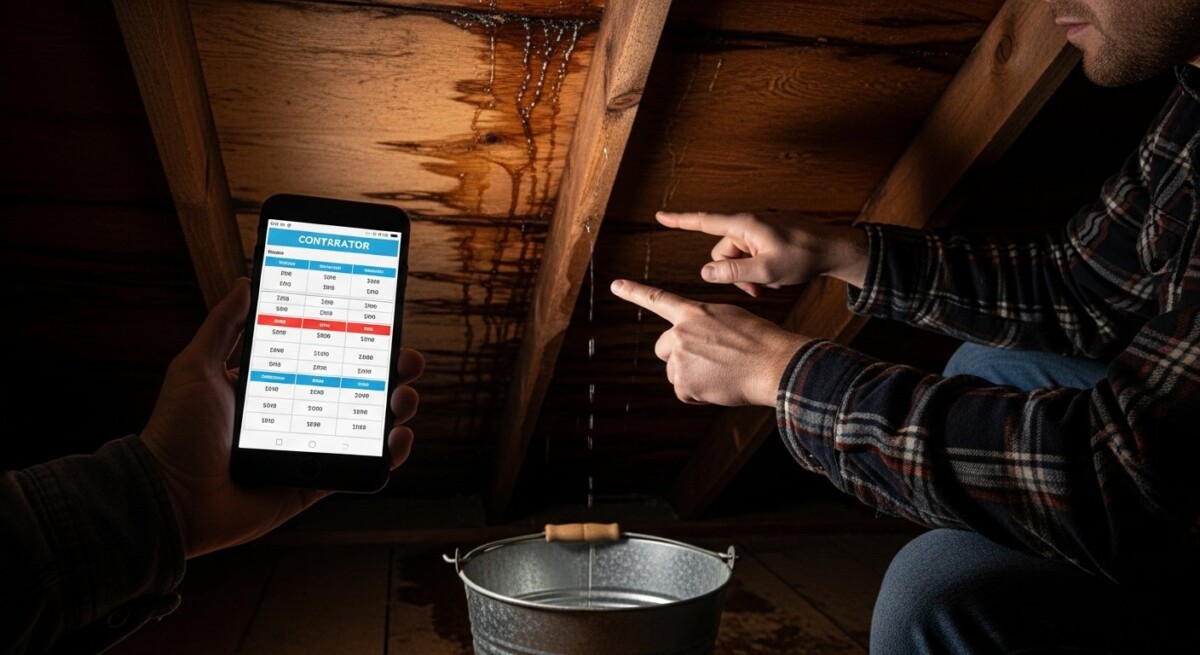
You walk into your kitchen one morning and notice a small water stain on the ceiling. It looks minor,just a faint yellow circle. You decide to ignore it for a week. A few days later, the stain is larger, and the paint is starting to bubble. You realize this might be more than a cosmetic issue. Without a clear picture of average construction project pricing, you feel stuck, unsure whether this is a $200 patch job or a $2,000 roof repair. The longer you wait, the more damage spreads, and the higher the final cost climbs.
Understanding average construction project pricing
Simply put, average construction project pricing refers to the typical cost range homeowners can expect for common repair or remodeling jobs. These numbers vary by region, material choice, and the complexity of the work. Think of it as a ballpark figure,not a fixed price,that helps you budget realistically before you start calling contractors.
Pricing depends on several factors, including labor rates in your area, the quality of materials you select, and the condition of your existing structure. For example, a bathroom remodel in a 1950s home may cost more than the same job in a newer house because of outdated plumbing or wiring. Our guide to the construction project quote system explains how estimates are built from these variables, helping you understand why one contractor quotes $8,000 and another quotes $12,000 for the same project.
Homes most affected by pricing surprises are older properties, homes with deferred maintenance, and projects that require specialized skills like structural work or custom finishes. The key is to know the average range for your specific project so you can spot an unusually low or high bid.
Why This Matters for Your Home
Ignoring pricing research can lead to budget overruns or, worse, choosing a contractor based solely on the lowest number. Low bids often mean shortcuts, inferior materials, or lack of insurance, which can cost you far more in the long run. On the other hand, overpaying without understanding market rates leaves you with less money for other home needs.
Safety and property protection are at stake. A roof repair that is priced too cheaply might not address underlying structural damage, leading to leaks, mold, and rot. A deck built by an unlicensed handyman could collapse under weight. Knowing the average construction project pricing helps you filter out risky offers and invest in work that protects your family and home value.
Delaying repairs because you are unsure of costs often backfires. A small plumbing leak can turn into a full bathroom gut, and a cracked driveway can become a foundation issue. Early action, guided by realistic pricing knowledge, saves thousands of dollars and prevents unnecessary stress.
If you notice signs of this issue in your home, it may help to speak with a qualified contractor. Request a free quote or call to explore your repair or remodeling options.
Common Problems Homeowners Experience
Homeowners frequently encounter pricing confusion when they first start researching a project. You might search online and see numbers ranging from $5,000 to $25,000 for a kitchen remodel, leaving you more confused than before. Without context, it is hard to know which figure applies to your home.
Another common frustration is receiving wildly different quotes from multiple contractors. One bid might be $3,000 for a window replacement, while another is $8,000. Without understanding what drives the difference,brand of window, installation method, warranty,you cannot make an informed decision.
- Unexpected structural issues found during demolition, like rotted subfloors or outdated wiring
- Hidden water damage behind walls or under tiles that increases the scope of work
- Permit fees and inspection costs that are not included in initial estimates
- Material price fluctuations that cause quotes to change between the estimate and the start date
- Accessibility challenges, such as a steep roof or narrow crawl space, that raise labor costs
- Incomplete project scopes where one contractor includes demolition and cleanup and another does not
How Professionals Solve the Problem
Experienced contractors follow a systematic process to deliver accurate pricing and quality work. They start with a thorough inspection of your home, identifying hidden issues that could affect the final cost. This upfront assessment prevents mid-project surprises that blow your budget.
- On-site evaluation: The contractor walks through the space, takes measurements, and checks for underlying damage or code violations.
- Detailed written estimate: You receive a breakdown of materials, labor, permits, and timeline,no vague numbers.
- Project planning: Professionals schedule the work, order materials, and coordinate subcontractors so your project runs smoothly.
- Execution with quality control: Skilled tradespeople complete the work to code, with inspections at key stages.
- Final walkthrough and warranty: The contractor reviews the finished project with you and explains any maintenance or warranty details.
Professional work is safer and more reliable than DIY because licensed contractors carry insurance, know local building codes, and have access to better materials. A DIY mistake on a roof or electrical system can cost far more than hiring a pro in the first place.
A professional inspection can reveal hidden issues before they become expensive repairs. Compare contractor quotes here or call to discuss your project.
Warning Signs You Should Not Ignore
Your home often gives early signals that a repair is needed. Catching these signs early can mean the difference between a minor fix and a major renovation. Pay attention to changes in how your home looks, feels, or sounds.
- Water stains on ceilings, walls, or around windows
- Musty odors or visible mold growth, especially in basements or bathrooms
- Drafty rooms or sudden spikes in energy bills
- Cracks in drywall, brick, or foundation that grow over time
- Doors or windows that stick, warp, or no longer close properly
- Soft spots in flooring, particularly near sinks, tubs, or toilets
If you notice any of these issues, do not wait. A small roof leak can ruin insulation, damage ceilings, and promote mold growth within weeks. Early professional assessment gives you control over the timeline and cost.
What Affects the Cost of Repairs or Installation
Several variables influence the final price of any construction project. Understanding these factors helps you evaluate quotes and avoid surprises.
Size and scope are the biggest cost drivers. Replacing a single window costs far less than replacing ten. Similarly, a partial bathroom remodel is cheaper than gutting the entire room. The age and condition of your home also matter,older homes often require bringing systems up to current code, which adds labor and materials.
Material quality and availability play a significant role. Custom cabinetry, imported stone, or specialized fixtures cost more than stock options. Labor rates vary by region, with urban areas typically having higher costs. Accessibility,such as a second-story roof or tight attic space,can increase labor time and therefore price. Our guide to the home project pricing system dives deeper into these variables, helping you estimate more accurately before you start.
Costs can vary depending on the condition of your home. The best way to know the price is to get a personalized estimate. Request free quotes from contractors or call today.
How to Choose the Right Contractor
Selecting a reliable contractor is just as important as understanding pricing. A good contractor communicates clearly, provides a detailed contract, and stands behind their work. Take your time to vet candidates before signing anything.
- Verify that the contractor is licensed and insured for your state and type of work
- Read online reviews on Google, Yelp, or the Better Business Bureau
- Ask for at least three detailed written estimates that break down materials and labor
- Compare quotes not just on price, but on scope, warranty, and timeline
- Confirm they have experience with projects similar to yours,ask for photos or references
A trustworthy contractor will not pressure you to sign immediately. They will answer your questions and explain why their price is what it is. If a quote seems too good to be true, it probably is,low bids often lead to change orders and unfinished work.
Long-Term Benefits of Professional Work
Investing in professional repairs and remodeling pays off over time. Quality work lasts longer, performs better, and requires fewer future repairs. This means less stress and more enjoyment of your home.
Energy efficiency is a major benefit. Properly installed windows, insulation, and HVAC systems lower utility bills year after year. A well-executed kitchen or bathroom remodel also increases your home’s resale value, often recouping 60,80% of the cost when you sell.
Finally, professional work gives you peace of mind. You know the job was done safely, to code, and with materials that will hold up. That confidence is worth more than any discount a low-bid contractor might offer.
What is the average cost of a kitchen remodel?
The national average for a mid-range kitchen remodel ranges from $25,000 to $50,000, but costs vary widely based on cabinet quality, countertop material, and layout changes. A minor update with new hardware and paint may cost under $10,000.
How much does a bathroom remodel typically cost?
A standard bathroom remodel averages between $10,000 and $25,000. Factors like moving plumbing, upgrading to a walk-in shower, or using premium tile can push the price higher.
Why do contractor quotes vary so much?
Quotes differ because contractors include different levels of materials, warranties, overhead, and profit margins. One contractor might use budget fixtures, while another includes premium brands. Always compare the full scope, not just the bottom line.
Should I get multiple quotes before starting a project?
Yes, experts recommend obtaining at least three quotes. This helps you understand the average construction project pricing in your area and identify any outlier bids that are too low or too high.
What is included in a construction project estimate?
A detailed estimate should list materials, labor, permit fees, cleanup, and a timeline. It should also specify payment schedule and warranty terms. Avoid contractors who give only verbal estimates.
How can I save money on a home renovation?
You can save by keeping the same layout instead of moving walls, choosing mid-range materials, doing your own demolition (if safe), and scheduling work during off-peak seasons when contractors may offer discounts.
Do I need a permit for my construction project?
Most structural, electrical, plumbing, and major remodeling projects require permits. A professional contractor will handle the permitting process for you. Skipping permits can lead to fines and problems when selling your home.
How long does a typical home renovation take?
A minor bathroom remodel may take 2,3 weeks, while a full kitchen renovation can take 6,10 weeks. Delays can occur due to material availability, inspection scheduling, or unforeseen issues behind walls.
Understanding average construction project pricing puts you in control of your home improvement journey. By recognizing early warning signs, learning what drives costs, and comparing professional quotes, you can make informed decisions that protect your home and your budget. Do not wait for a small problem to become a major expense,start gathering quotes today and move forward with confidence.

About Jessica Reis

Home Renovation Quote System: A Simple Guide for Homeowners
Learn how a home renovation quote system helps homeowners compare contractor bids, avoid hidden costs, and choose the right pro for their project.
Average Construction Project Pricing: A Homeowner’s Guide
Learn what average construction project pricing really means for your home. Understand costs, warning signs, and how to compare contractor quotes.
Home Service Bidding Platform: How to Compare Contractor Quotes
Learn how a home service bidding platform helps homeowners compare contractor quotes, avoid overpaying, and find qualified pros for repairs and renovations.
Find a Pro!
"*" indicates required fields