
Average Cost for Bathroom Remodel: What Homeowners Should Expect
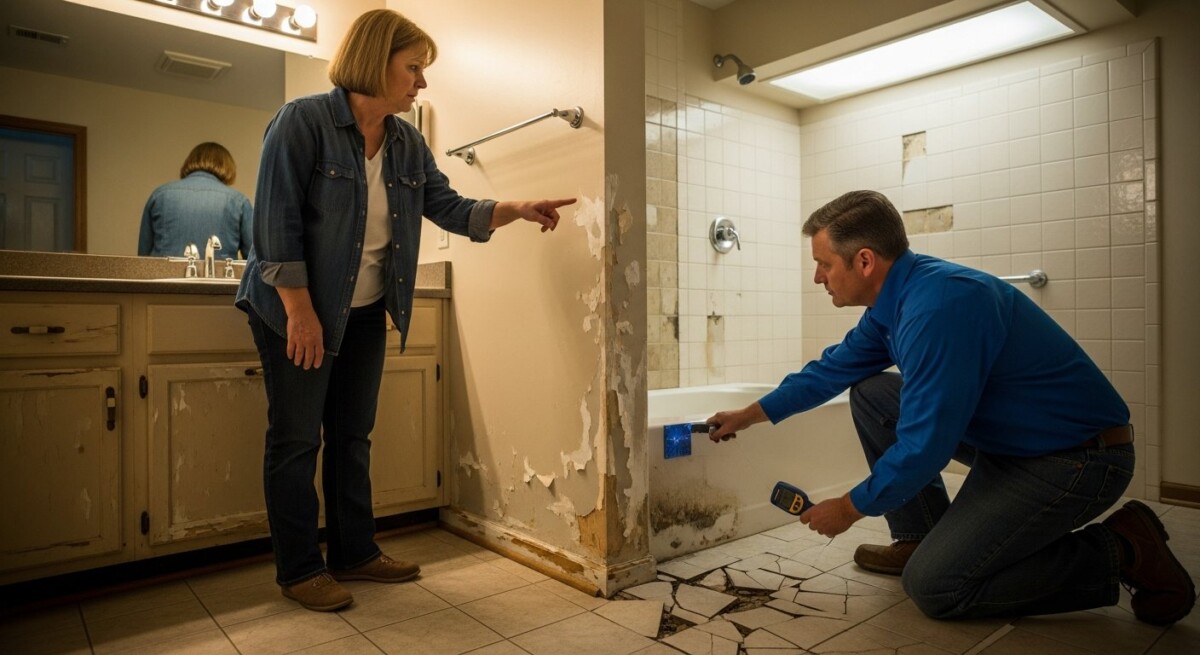
You walk into your bathroom one morning and notice a small crack in the tile grout. A few weeks later, the caulk around the tub is peeling, and the paint near the shower is starting to bubble. These small signs might seem minor, but they often point to a larger issue: your bathroom is aging and may need a full remodel. Many homeowners ignore these early warnings, hoping a quick patch will hold. However, delaying a bathroom remodel often leads to water damage, mold growth, and much higher costs down the road. Understanding the average cost for bathroom remodel is the first step in protecting your home and your budget.
Understanding average cost for bathroom remodel
A bathroom remodel involves updating or replacing key elements like the shower, tub, vanity, flooring, lighting, and plumbing fixtures. The average cost for bathroom remodel in the United States ranges from $6,000 to $15,000 for a mid-range project, while a high-end remodel can exceed $30,000. The final number depends on the size of the room, the quality of materials, and the extent of structural changes.
Why do these costs vary so much? Bathrooms are one of the most complex rooms to renovate because they involve plumbing, electrical work, waterproofing, and ventilation. Older homes, especially those built before 1980, often require additional work to bring wiring and pipes up to current code. Homes in humid climates or with poor ventilation are also more prone to moisture damage, which can increase the scope of a remodel.
Every bathroom is different, so a one-size-fits-all budget rarely works. Instead, homeowners should focus on understanding the factors that drive costs and plan for both expected and unexpected expenses.
Why this matters for your home
Your bathroom is one of the most-used rooms in your home, and it is also one of the most vulnerable to moisture damage. A small leak behind the wall or a worn-out seal around the toilet can lead to rotting subfloors, mold inside the walls, and even structural damage. If left untreated, these problems can spread to adjoining rooms and cost thousands of dollars to repair.
Beyond property damage, an outdated or poorly functioning bathroom affects your daily comfort. Low water pressure, a clogged showerhead, or a toilet that runs constantly are frustrations that build over time. Safety is another concern: slippery tile floors, an unstable grab bar, or an old water heater that leaks can create hazards for children and elderly family members.
Delaying a remodel also means missing out on potential energy savings. Modern low-flow toilets, LED lighting, and efficient ventilation fans can reduce your utility bills. Perhaps most importantly, a bathroom remodel can increase your home’s resale value by 60% to 70% of the project cost, making it one of the highest-return home improvements you can make.
If you notice signs of this issue in your home, it may help to speak with a qualified contractor. Request a free quote or call 1-800-555-0199 to explore your repair or remodeling options.
Common problems homeowners experience
Homeowners often discover the need for a bathroom remodel when routine maintenance no longer works. Peeling paint, musty odors, and water stains on the ceiling are clear signs that moisture is getting where it should not. Over time, these issues evolve into more serious problems like rotted wood, cracked tiles, and mold growth that can affect indoor air quality.
Another common scenario is a bathroom that simply feels cramped or outdated. Outdated fixtures, poor lighting, and insufficient storage make the space less functional. Many homeowners also face performance issues like a slow-draining sink, a toilet that runs constantly, or a shower that loses temperature when someone turns on a faucet elsewhere in the house.
- Water stains on the ceiling or walls below the bathroom
- Persistent musty or moldy odors that do not go away
- Loose or cracked tiles on the floor or shower walls
- Caulk or grout that is crumbling, peeling, or missing
- Difficulty opening or closing the shower door or drawers
- Frequent clogs or slow drains in the sink, shower, or toilet
How professionals solve the problem
Experienced contractors approach a bathroom remodel as a systematic process that addresses both visible problems and hidden issues. The first step is always a thorough inspection to identify water damage, mold, outdated wiring, and plumbing problems. This inspection helps create an accurate scope of work and prevents costly surprises during construction.
- Demolition and removal , Old fixtures, tile, flooring, and vanity are carefully removed to expose the underlying structure.
- Rough-in work , Plumbers and electricians update or relocate pipes, drains, and wiring to match the new layout.
- Waterproofing and subfloor repair , Any damaged subfloor is replaced, and a waterproof membrane is installed in the shower and wet areas.
- Installation of new materials , New tile, flooring, vanity, toilet, shower, and fixtures are installed according to the design plan.
- Finishing touches , Paint, trim, lighting, mirrors, and accessories complete the space, followed by a final inspection.
Professional work is safer and more reliable than DIY because licensed contractors understand local building codes, have access to proper tools, and carry insurance that protects you if something goes wrong. A contractor can also coordinate the trades (plumber, electrician, tiler) to keep the project on schedule. In our guide on bathroom remodel Fredericksburg VA, we explain how to choose the right fixture and finishes for your home.
A professional inspection can reveal hidden issues before they become expensive repairs. Compare contractor quotes here or call 1-800-555-0199 to discuss your project.
Warning signs you should not ignore
Many bathroom problems start small but escalate quickly. A tiny crack in the grout can allow water to seep behind the tile, where it stays trapped and promotes mold growth. A slow leak under the sink can rot the cabinet base and attract pests. The earlier you catch these signs, the easier and cheaper the fix will be.
Homeowners should inspect their bathroom at least twice a year. Look for changes in the condition of surfaces, listen for unusual sounds from pipes, and pay attention to any new smells. If you notice any of the following warning signs, it is time to call a professional for an evaluation.
- Soft or spongy spots on the floor near the toilet or shower
- Water stains on the ceiling below the bathroom
- Mold or mildew that returns even after cleaning
- Difficulty opening or closing windows, doors, or drawers
- Sudden increase in water bills without a change in usage
- Warm or cold spots on the floor that suggest insulation or moisture issues
What affects the cost of repairs or installation
Several factors influence the average cost for bathroom remodel in any given home. The size of the bathroom is the most obvious factor: a small powder room costs less than a master bath with a separate shower and soaking tub. However, the condition of the existing structure matters even more. If the subfloor, studs, or plumbing are rotted, those repairs add significant cost.
Material choices also drive the price. Basic ceramic tile and stock vanities are affordable, while natural stone, custom cabinetry, and high-end fixtures can double or triple the budget. Labor costs vary by region, with urban areas and high-cost-of-living states typically charging more. Accessibility is another factor: a bathroom on the second floor or in a tight layout may require more time to work in.
The age of your home also plays a role. Older homes often have outdated wiring, galvanized pipes, or asbestos in the flooring or insulation, all of which require specialized handling and increase the project cost. If you are considering a remodel, it is wise to budget an extra 10% to 20% for unexpected discoveries.
Costs can vary depending on the condition of your home. The best way to know the price is to get a personalized estimate. Request free quotes from contractors or call 1-800-555-0199 today.
How to choose the right contractor
Selecting the right contractor is just as important as choosing the right tile or vanity. A good contractor will not only do quality work but also communicate clearly, stick to the budget, and complete the project on time. Start by asking for recommendations from friends or neighbors who have recently completed a remodel.
Once you have a few names, do your homework. A reputable contractor should be willing to provide references, show proof of license and insurance, and give a detailed written estimate. Compare at least three quotes, but do not automatically choose the lowest bid. Sometimes a higher price reflects better materials, more experience, or a more thorough scope of work.
- Verify the contractor’s license and insurance coverage
- Read online reviews on sites like the Better Business Bureau and Google
- Ask for a detailed written estimate that includes materials, labor, and timeline
- Get quotes from at least three contractors before making a decision
- Confirm the contractor has experience with bathroom remodels, not just general home repairs
Long-term benefits of professional work
Investing in a professional bathroom remodel pays off in many ways beyond the initial renovation. A properly waterproofed shower and floor prevent moisture from seeping into the subfloor, which protects the structural integrity of your home. Modern plumbing fixtures are less likely to leak, reducing the risk of water damage and mold.
Energy-efficient upgrades like low-flow toilets, LED lighting, and an energy-star rated ventilation fan lower your monthly utility bills. A well-ventilated bathroom also dries faster after showers, which discourages mold and mildew growth. These improvements can save you hundreds of dollars each year.
Finally, a beautifully remodeled bathroom adds significant value to your home. According to real estate professionals, a bathroom remodel recovers between 60% and 70% of its cost at resale. A clean, modern, functional bathroom is often a deciding factor for buyers. Plus, you get to enjoy a space that feels fresh, organized, and relaxing every single day.
How much does a bathroom remodel cost on average?
The average cost for bathroom remodel in the U.S. ranges from $6,000 to $15,000 for a standard project. This includes new fixtures, tile, vanity, and labor. High-end remodels can cost $30,000 or more, especially if you are moving plumbing or using premium materials.
What is the most expensive part of a bathroom remodel?
Labor is usually the most expensive part, accounting for 40% to 60% of the total cost. Plumbing and electrical work, tile installation, and custom cabinetry are the largest labor expenses. Materials like tile, vanity, and fixtures come next.
How long does a bathroom remodel take?
A typical bathroom remodel takes 2 to 4 weeks from start to finish. Complex projects that involve moving walls, plumbing, or electrical work can take 6 to 8 weeks. Delays often happen when hidden problems like water damage or mold are discovered during demolition.
Can I remodel my bathroom for $5,000?
A $5,000 budget is possible for a very small bathroom or a cosmetic refresh that keeps existing plumbing in place. You might be able to replace the vanity, toilet, lighting, and paint. However, if you need new tile, a shower, or plumbing changes, the cost will likely exceed $5,000.
Do I need a permit for a bathroom remodel?
Most municipalities require permits for any work that involves plumbing, electrical, or structural changes. A permit ensures the work meets safety codes. Your contractor should handle the permitting process, but you can verify requirements with your local building department.
How can I save money on a bathroom remodel?
To save money, keep the existing layout to avoid moving plumbing and electrical. Choose mid-range materials rather than high-end stone or custom cabinetry. Do some of the demolition work yourself if you are comfortable, but leave plumbing and electrical to the professionals. Getting multiple quotes also helps you find a fair price.
What is the ROI of a bathroom remodel?
A mid-range bathroom remodel typically recovers 60% to 70% of its cost when you sell your home. A well-done remodel can make your home more appealing to buyers and help it sell faster. High-end remodels usually have a lower ROI, often around 50% to 60%.
Should I hire a general contractor or individual trades?
For most homeowners, hiring a general contractor is easier because they manage the entire project, including scheduling plumbers, electricians, and tilers. If you have experience managing projects, you can hire individual trades separately, but you will need to coordinate them yourself and handle any problems that arise.
Understanding the average cost for bathroom remodel helps you plan a realistic budget and avoid costly surprises. Whether you are fixing a leaky shower or completely transforming your space, the key is to act early and work with qualified professionals. Every home is different, so the best way to know your costs is to compare quotes from local contractors. Take the first step today and get the information you need to make a confident decision for your home.

About
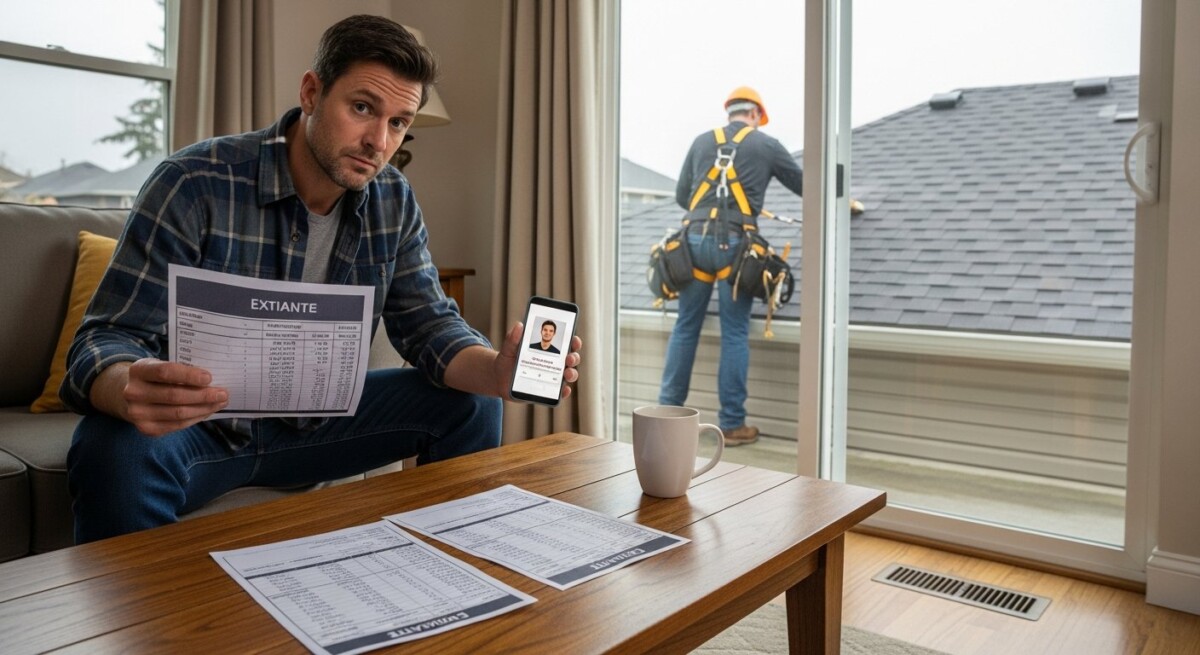
Why Homeowners Should Compare Estimates Before Any Project
Learn why homeowners should compare estimates before any repair or remodeling project. Save money, avoid scams, and choose the right contractor with confidence.
Average Cost for Bathroom Remodel: What Homeowners Should Expect
Learn the average cost for bathroom remodel, what drives pricing, and how to plan your project. Get tips on choosing a contractor and avoiding hidden costs.
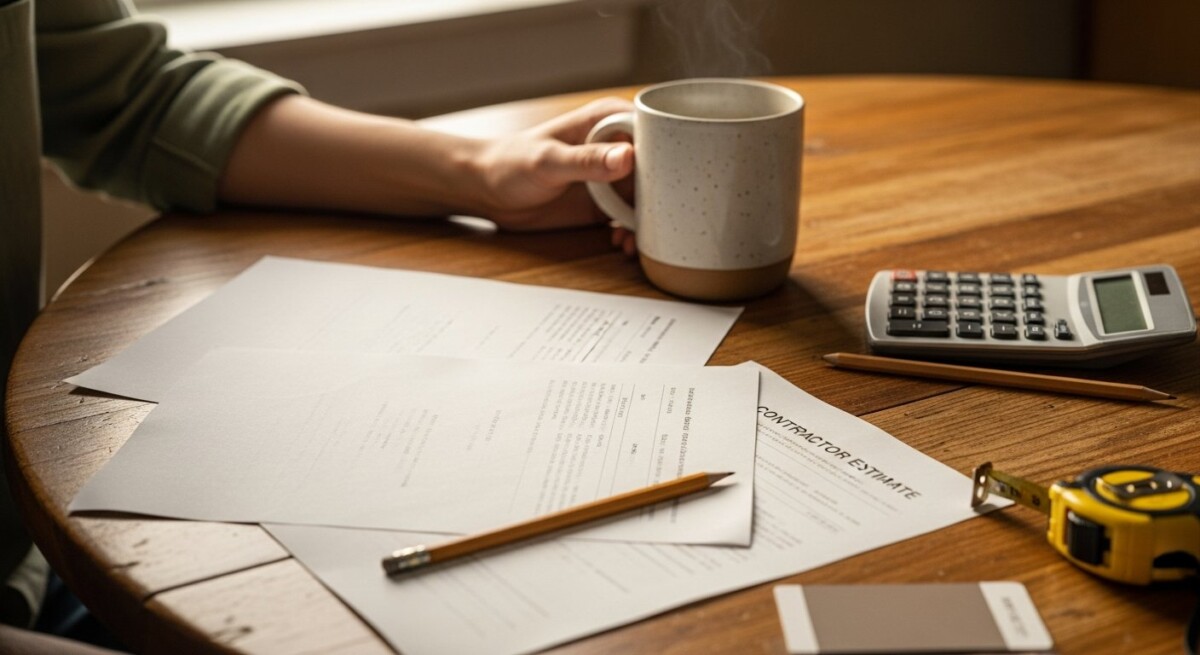
How To Compare Multiple Contractor Offers: A Homeowner Guide
Learn how to compare multiple contractor offers with this practical homeowner guide. Avoid costly mistakes and choose the best contractor for your project.
Find a Pro!
"*" indicates required fields