
How To Compare Multiple Contractor Offers: A Homeowner Guide

You finally decided to fix that leaky roof or remodel your outdated kitchen. You called a few contractors, sat through estimates, and now you have three different offers sitting on your kitchen table. One is thousands of dollars lower than the others. Another includes a line item for “miscellaneous fees” you don’t understand. The third looks thorough but feels expensive. You stare at the papers and wonder: Which one should I choose? This is the exact moment when knowing how to compare multiple contractor offers can save you money, stress, and future headaches. Ignoring the differences or picking the cheapest bid without looking closer often leads to shoddy work, project delays, or even safety hazards. Let’s walk through the process step by step so you can make a confident decision.
Understanding How To Compare Multiple Contractor Offers
Comparing contractor offers isn’t just about looking at the bottom line. A lower price can hide cheaper materials, rushed labor, or missing scope items that you’ll have to pay for later. A higher price might include better warranties, premium products, and experienced crews. The goal is to see what each contractor is actually offering for the money.
This process matters for almost any home project,roof replacements, bathroom remodels, HVAC installations, siding repairs, and more. Homes that are older, have unique architectural features, or have had previous unpermitted work are especially prone to surprises. Learning how to compare multiple contractor offers helps you spot red flags early and choose a contractor who will deliver quality work on time and on budget.
What’s Really in a Quote?
A professional quote should break down labor, materials, permits, cleanup, and warranty terms. If an offer is vague or only lists a single lump sum, that’s a warning sign. Transparent contractors want you to understand what you’re paying for, and they welcome your questions.
Why This Matters for Your Home
Your home is likely your biggest investment. Choosing the wrong contractor can lead to structural damage, water intrusion, electrical hazards, or code violations that cost thousands to fix later. Even small projects, like a deck repair or window replacement, can go wrong if the contractor cuts corners.
Safety is another major concern. Unlicensed or uninsured contractors may not follow building codes, putting your family at risk. In our guide on how to compare multiple contractor offers, we explain why verifying insurance and licensing should be your first step. Taking time now to compare offers thoroughly protects your property and your peace of mind.
Delaying a decision because you’re overwhelmed isn’t the answer either. Small issues like a minor roof leak or a cracked foundation wall only get worse with time. Moisture leads to mold, rot attracts pests, and structural problems escalate. The cost of inaction often far exceeds the cost of hiring the right professional.
If you notice signs of this issue in your home, it may help to speak with a qualified contractor. Request a free quote or call to explore your repair or remodeling options.
Common Problems Homeowners Experience
When homeowners don’t compare offers carefully, they often run into the same issues. One common problem is scope creep,the contractor starts the job and then says, “We found this extra issue, and it’s going to cost more.” Another frequent headache is poor workmanship that requires redoing the job within a year.
Many homeowners also face communication breakdowns. The contractor doesn’t return calls, shows up late, or leaves the job site messy. These problems are hard to predict from a quote alone, but comparing offers and checking references can reveal a lot about how a contractor operates.
Here are the most common problems reported by homeowners:
- Unexpected price increases after work begins
- Substandard materials that wear out quickly
- Missed deadlines and unfinished projects
- Lack of permits or failed inspections
- Damage to adjacent areas of the home
- Disputes over payment schedules and final costs
How Professionals Solve the Problem
Experienced contractors follow a systematic process to ensure quality and transparency. They start with a thorough inspection of your home, identifying not just the obvious issue but any underlying problems. For example, a roofer will check for soft decking, inadequate ventilation, and flashing damage before quoting a replacement.
- Inspection and assessment , The contractor inspects the area and takes measurements.
- Material selection , They recommend products that fit your budget and climate.
- Detailed written estimate , You receive a line-item breakdown of costs.
- Permit handling , The contractor pulls necessary permits and schedules inspections.
- Professional installation , Work is done by trained crews following manufacturer guidelines.
- Cleanup and final walkthrough , The job site is cleaned, and you inspect the work before final payment.
Professional work is safer and more reliable than DIY because contractors carry insurance, know local building codes, and have access to commercial-grade tools. They also stand behind their work with warranties that protect you if something goes wrong. If you’re wondering can you receive multiple contractor offers, the answer is yes,and getting at least three is the best way to find a professional who fits your needs.
A professional inspection can reveal hidden issues before they become expensive repairs. Compare contractor quotes here or call to discuss your project.
Warning Signs You Should Not Ignore
Some warning signs are obvious, like water stains on a ceiling or a furnace that won’t turn on. Others are subtle. A musty smell in the basement, a door that sticks, or higher energy bills can all indicate problems that need professional attention.
Early detection is key. Catching a small roof leak early might cost $300 to repair. Waiting until the ceiling collapses could turn that into a $3,000 project. When you know how to compare multiple contractor offers, you can act quickly and confidently.
Watch for these warning signs:
- Cracked or missing roof shingles
- Visible mold or mildew growth
- Drafts or temperature inconsistencies between rooms
- Water pooling near the foundation
- Outdated electrical panels or flickering lights
- Windows that are difficult to open or show condensation between panes
What Affects the Cost of Repairs or Installation
Several factors influence the price of your project, and understanding them helps you evaluate offers fairly. The size of the repair is the most obvious factor,replacing a single window costs less than replacing all the windows in your home. Materials also play a big role. Premium siding, energy-efficient windows, and architectural shingles cost more upfront but often save money over time through lower maintenance and utility bills.
Labor costs vary by region and the complexity of the job. A roof with multiple angles and skylights takes longer to install than a simple gable roof. Accessibility matters too,if your attic is cramped or your basement has low clearance, the work takes more time and effort. Older homes may have outdated wiring, asbestos, or lead paint that requires special handling, adding to the cost.
Costs can vary depending on the condition of your home. The best way to know the price is to get a personalized estimate. Request free quotes from contractors or call today.
How to Choose the Right Contractor
Selecting a contractor isn’t just about the numbers. You want someone who communicates clearly, shows up on time, and respects your home. Start by asking friends and neighbors for recommendations, then verify each contractor’s credentials online. A reputable contractor will have a physical business address, a professional website, and positive reviews on multiple platforms.
When you have three or four offers in hand, compare them side by side. Look beyond the total price at the scope of work, materials specified, timeline, and payment schedule. A slightly higher bid might include a better warranty or faster completion date that makes it the better value.
Here are tips to help you choose wisely:
- Check licenses and insurance , Verify that the contractor is licensed in your state and carries general liability and workers’ compensation insurance.
- Read customer reviews , Look for recent reviews on Google, Yelp, and the Better Business Bureau.
- Ask for detailed estimates , Every bid should list materials, labor, permits, and cleanup costs separately.
- Compare multiple quotes , As we explain in can you receive multiple contractor offers, getting three or more bids gives you leverage and perspective.
- Confirm experience , Choose a contractor who has completed similar projects recently and can provide references.
Long-Term Benefits of Professional Work
Investing in professional installation or repair pays off for years to come. Quality work improves your home’s safety by reducing fire hazards, preventing falls, and keeping out moisture. It also enhances energy efficiency,new windows, insulation, or an HVAC system can lower your monthly utility bills significantly.
Durability is another major benefit. Professional-grade materials and proper installation mean your roof, siding, or flooring will last longer and require fewer repairs. When it comes time to sell, a well-maintained home with documented professional work commands a higher price and sells faster. Buyers feel confident knowing major systems have been updated correctly.
Finally, professional work reduces future maintenance. A properly sealed driveway, a level foundation, or a correctly installed water heater simply doesn’t need as much attention. You spend less time worrying about your home and more time enjoying it.
What is the best way to compare contractor quotes?
The best way is to create a comparison chart that lists each contractor’s total price, materials, timeline, warranty, and payment terms. Read the fine print and ask each contractor to clarify any vague language. This lets you see which offer provides the most value, not just the lowest price.
How many contractor quotes should I get?
Most experts recommend getting at least three written quotes for any significant project. Three offers give you a good range of pricing and approaches. If all three are very different, consider getting a fourth to confirm what’s reasonable for your area.
What should be included in a contractor quote?
A professional quote should include the contractor’s name and license number, a detailed scope of work, specific materials and brands, labor costs, permit fees, a payment schedule, start and completion dates, and warranty information. Avoid quotes that are vague or handwritten on a scrap of paper.
Is the cheapest contractor quote always the best?
No. A very low bid often means the contractor is cutting corners on materials, skipping permits, or using inexperienced workers. It can also be a “bait and switch” where the price increases once work begins. Compare the scope and quality of each offer rather than just the total cost.
How do I know if a contractor is licensed and insured?
Ask for their license number and verify it through your state’s licensing board website. For insurance, request a certificate of insurance that shows general liability and workers’ compensation coverage. Call the insurance company to confirm the policy is active.
Can I negotiate with a contractor?
Yes, but focus on value rather than just price. You might ask if the contractor can match a competitor’s warranty or use a slightly different material to lower the cost. Be respectful and transparent,good contractors appreciate informed homeowners.
What if a contractor asks for a large deposit upfront?
Be cautious. In most states, contractors cannot legally demand more than 10,30% down. A large upfront payment can be a red flag. Instead, agree to a payment schedule tied to completed milestones, such as 30% down, 30% halfway, and 40% upon final inspection and cleanup.
How long should I keep contractor quotes and contracts?
Keep all documents for at least three years after the project is completed. This includes the signed contract, all quotes, change orders, payment receipts, and warranty information. They are essential if a dispute arises or if you need to file a warranty claim.
Comparing contractor offers doesn’t have to be confusing. Start by gathering multiple written estimates, read each one carefully, and ask questions until you feel confident. Your home deserves quality work, and you deserve a contractor who respects your time and budget. Take the first step today by requesting quotes from trusted local professionals.

About
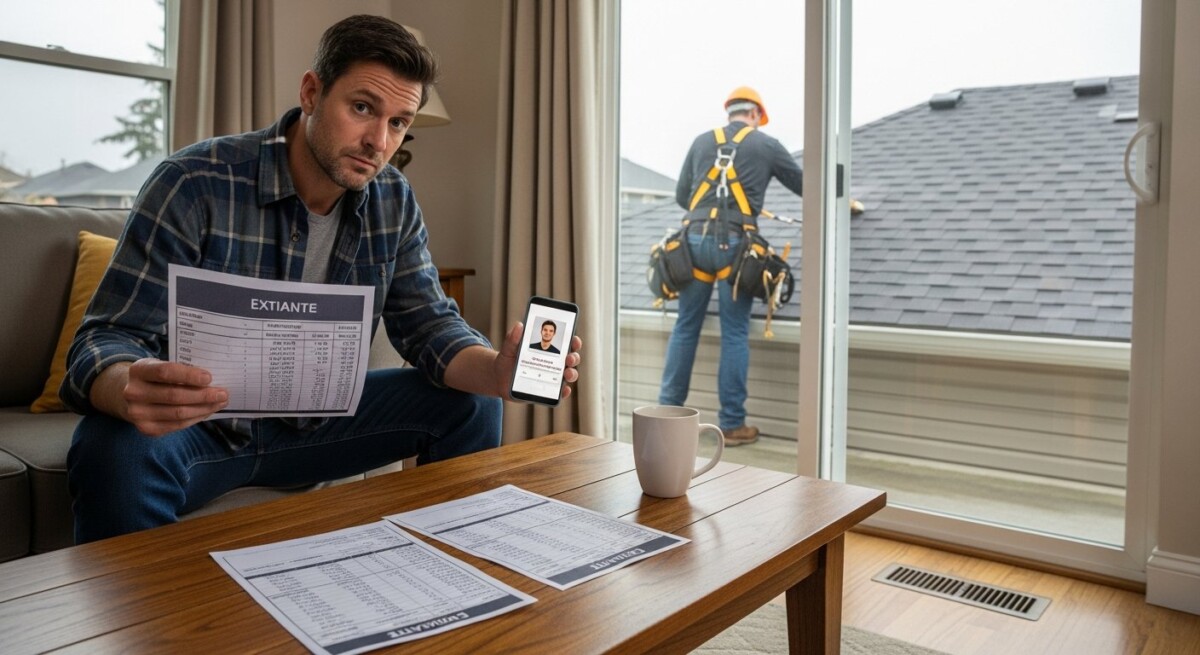
Why Homeowners Should Compare Estimates Before Any Project
Learn why homeowners should compare estimates before any repair or remodeling project. Save money, avoid scams, and choose the right contractor with confidence.
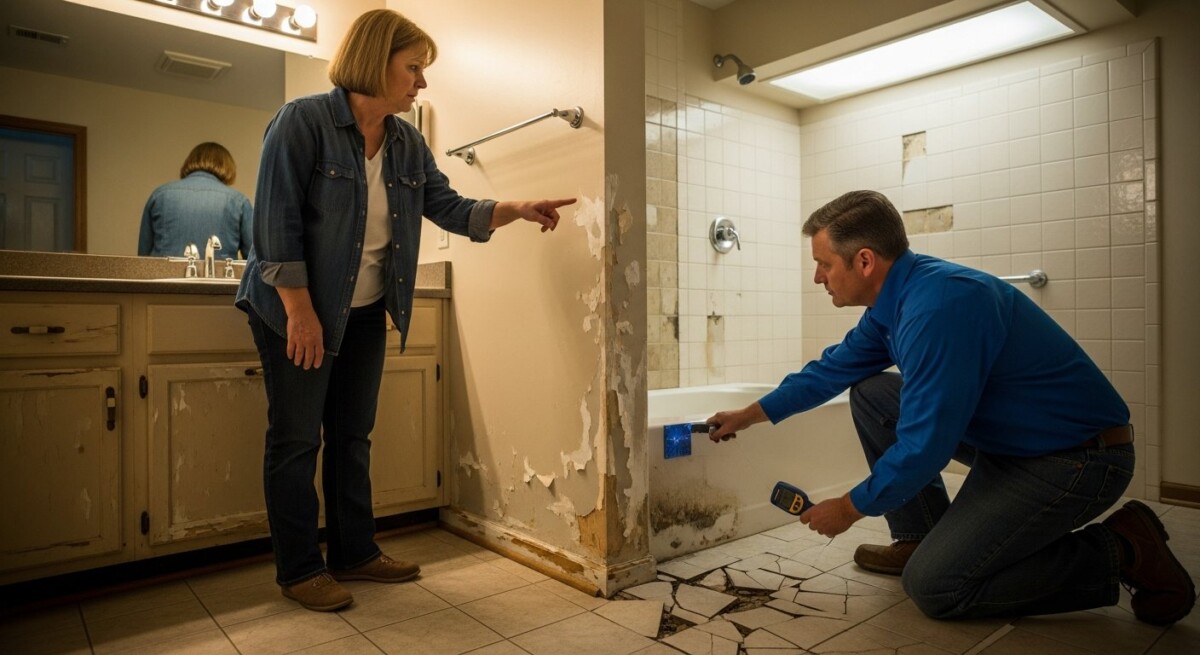
Average Cost for Bathroom Remodel: What Homeowners Should Expect
Learn the average cost for bathroom remodel, what drives pricing, and how to plan your project. Get tips on choosing a contractor and avoiding hidden costs.
How To Compare Multiple Contractor Offers: A Homeowner Guide
Learn how to compare multiple contractor offers with this practical homeowner guide. Avoid costly mistakes and choose the best contractor for your project.
Find a Pro!
"*" indicates required fields