
Home Improvement Quotes Dallas Texas: Compare Costs & Save
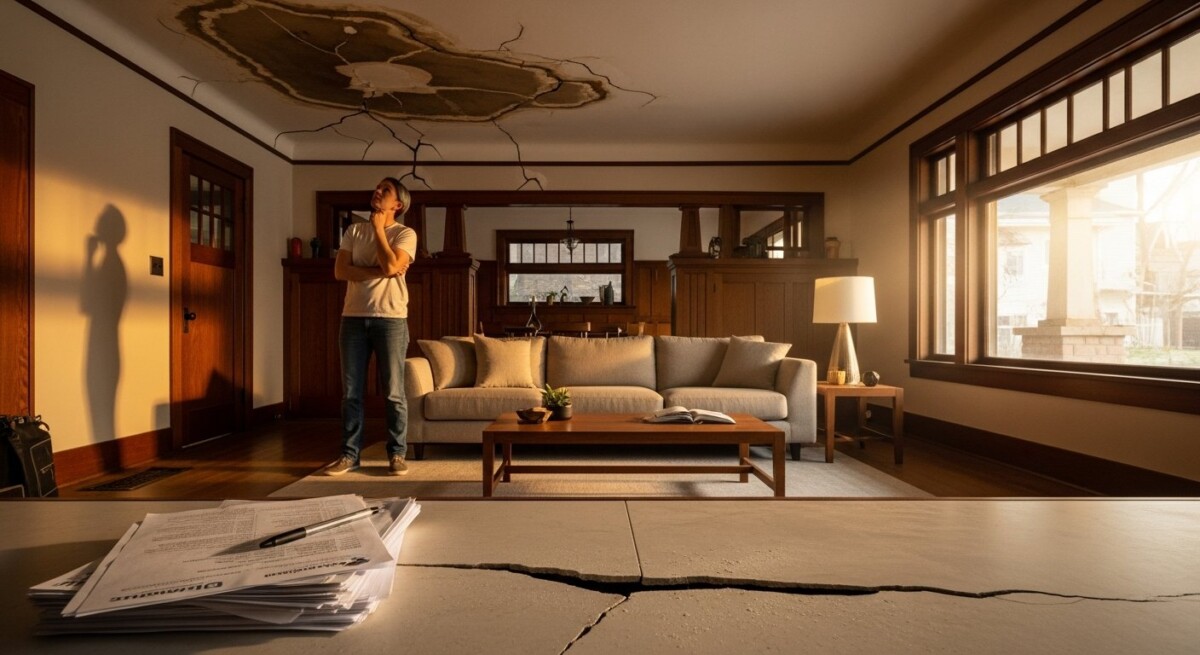
You walk into your Dallas home after a long day and notice a water stain spreading across the living room ceiling. Or maybe the kitchen cabinets are finally giving out after years of Texas heat. Small problems like these often start as a minor annoyance,a dripping faucet, a drafty window, or a cracked tile. But when you ignore them, they can quietly turn into expensive nightmares. That is why understanding home improvement quotes Dallas Texas is the first step toward protecting your home and your budget. Before any repair or remodel begins, you need a clear picture of what the work will cost and who you can trust to do it right.
Understanding Home Improvement Quotes Dallas Texas
A home improvement quote is a detailed estimate from a contractor that outlines the cost of materials, labor, permits, and timeline for your project. In Dallas, where homes range from historic Craftsman bungalows to modern suburban builds, the scope of work can vary widely. A quote helps you compare prices and services so you don’t overpay or end up with shoddy work.
Why do quotes matter so much? Because home improvement projects in Dallas often involve unique challenges,older foundations, extreme weather wear, or strict city codes. A professional quote accounts for these factors. Without it, you risk hiring an unlicensed handyman who cuts corners, leaving you with repairs that fail within months. As we explain in our guide on how to compare home improvement quotes in Dallas Texas, getting multiple estimates is the smartest way to avoid these pitfalls.
Homes most affected by poor quoting practices are those with outdated systems,aging roofs, original windows, or uninsulated attics. If your home was built before 2000, you are especially vulnerable to hidden issues that only a professional inspection can catch.
Why This Matters for Your Home
Every day you delay addressing a home repair, the problem compounds. A small roof leak can rot your attic framing, spread mold, and damage your insulation. That $500 fix today could become a $5,000 roof replacement next year. In Dallas, where humidity and sudden storms are common, water damage accelerates quickly.
Safety is another major concern. Faulty wiring, cracked foundations, or sagging decks put your family at risk. Professional contractors follow building codes that protect your home from fire, collapse, or electrical hazards. Ignoring these issues doesn’t just cost money,it jeopardizes your peace of mind.
Finally, your home’s value depends on proper maintenance. When you eventually sell, buyers will notice peeling paint, uneven floors, or outdated HVAC systems. A well-documented repair history with professional quotes shows that your home has been cared for, which can boost your resale price by thousands.
If you notice signs of this issue in your home, it may help to speak with a qualified contractor. Request a free quote or call to explore your repair or remodeling options.
Common Problems Homeowners Experience
Dallas homeowners frequently encounter issues that require professional quotes before work can begin. One of the most common is roofing damage caused by hail storms, which are surprisingly frequent in North Texas. Another is foundation settlement, where clay soils shift under your home, causing cracks in walls and doors that won’t close properly.
Kitchen and bathroom remodels also top the list. Many Dallas homes still feature 1990s layouts with worn countertops and inefficient fixtures. Homeowners often underestimate the cost of plumbing rerouting, electrical upgrades, or custom cabinetry until they see a detailed quote. The same goes for window replacements, where energy-efficient models can slash summer cooling bills but require precise installation.
- Leaking or missing roof shingles after a storm
- Cracks in drywall or brick veneer due to foundation movement
- Drafty single-pane windows that drive up energy costs
- Outdated electrical panels that can’t handle modern appliances
- Worn-out flooring that hides subfloor water damage
- Poorly insulated attics that make your HVAC work overtime
How Professionals Solve the Problem
When you hire a licensed contractor in Dallas, they follow a systematic process to ensure quality and safety. First, they conduct a thorough inspection using tools like moisture meters, thermal cameras, or foundation levels. This reveals problems you can’t see, such as hidden mold or a sagging beam. Then, they provide a written quote that breaks down every cost, so you know exactly where your money goes.
The typical repair process follows these steps:
- Assessment: The contractor inspects the area and identifies all issues, including hidden damage.
- Quote: You receive a detailed estimate with material costs, labor, timeline, and warranty information.
- Permitting: For major work (roofing, electrical, structural), the contractor pulls required permits from the city of Dallas.
- Preparation: The work area is cleared, protected, and prepped to minimize disruption to your home.
- Installation or Repair: Skilled crews execute the work following manufacturer specs and building codes.
- Cleanup and Inspection: The site is cleaned, and a final walkthrough ensures everything meets your expectations.
Professional work is safer and more reliable than DIY because contractors carry insurance, have access to commercial-grade materials, and know local building codes. A mistake in DIY wiring or plumbing can void your homeowner’s insurance or cause a fire. In contrast, a professional’s work is backed by warranties and liability coverage.
A professional inspection can reveal hidden issues before they become expensive repairs. Compare contractor quotes here or call to discuss your project.
Warning Signs You Should Not Ignore
Your home often gives you subtle hints that something is wrong. The key is recognizing these warning signs early, before they escalate. Pay attention during your daily routine,when you open a window that sticks, hear a strange hum from the breaker panel, or notice a musty smell in the basement. These are your home’s way of asking for help.
Early action can prevent a minor repair from turning into a full renovation. For example, catching a leaking pipe behind a wall before it rots the studs saves you from having to replace an entire section of drywall and framing. The same logic applies to your roof, foundation, and HVAC system.
- Water stains on ceilings, walls, or around windows
- Doors or windows that stick or won’t latch properly
- Unexplained increases in your energy bills
- Cracks in brick, stucco, or drywall wider than 1/4 inch
- Musty odors or visible mold growth in bathrooms or basements
- Gaps between baseboards and floors, indicating foundation shifts
What Affects the Cost of Repairs or Installation
Pricing for home improvement projects in Dallas is influenced by several factors. The size of the project is the most obvious,a full kitchen remodel costs more than a backsplash refresh. But material selection also plays a huge role. Custom hardwood flooring or imported tile can double your budget compared to standard laminate or ceramic.
Labor costs vary based on the complexity of the work and the contractor’s experience. A simple window swap might take a crew half a day, while a roof replacement requires multiple workers over several days. Accessibility matters too. If your roof is steep or your crawlspace is tight, expect higher labor charges. Finally, the age of your home can introduce surprises,older homes may have asbestos, knob-and-tube wiring, or unlevel floors that require extra work.
The best way to understand your specific costs is to get multiple quotes. As we detail in our article on how to request home improvement quotes online, online platforms make it easy to compare prices without making a dozen phone calls.
Costs can vary depending on the condition of your home. The best way to know the price is to get a personalized estimate. Request free quotes from contractors or call today.
How to Choose the Right Contractor
Selecting a contractor in Dallas requires more than picking the lowest bid. You want a professional who is licensed, insured, and has a track record of quality work. Start by asking for recommendations from neighbors or checking online reviews on platforms like the Better Business Bureau or Angi. Then, verify their credentials with the Texas Department of Licensing and Regulation.
Once you have a shortlist, request detailed quotes from at least three contractors. Compare not just the total price, but the scope of work, materials specified, and warranty terms. A cheap quote that excludes necessary steps like permits or debris removal will cost you more in the long run. Trust your gut,if a contractor pressures you to sign immediately or asks for full payment upfront, walk away.
- Verify the contractor’s license and liability insurance for Texas
- Read recent reviews on Google, Yelp, or the BBB website
- Ask for a written estimate that includes all costs and timelines
- Get at least three quotes to understand market pricing
- Confirm they have experience with your specific project type (e.g., historic homes, modern remodels)
Long-Term Benefits of Professional Work
Investing in professional home improvement pays off for years. Properly installed roofing, windows, and siding improve your home’s energy efficiency, lowering your monthly utility bills. In Dallas, where summer temperatures regularly hit 100°F, quality insulation and reflective roofing can reduce cooling costs by up to 20%. That savings adds up over a decade.
Professional work also enhances your home’s durability. A contractor who uses the right fasteners, sealants, and flashing prevents water intrusion that causes rot and mold. This extends the lifespan of your roof, walls, and foundation. Plus, professional installations come with warranties that protect you if something fails prematurely.
Finally, a well-maintained home commands a higher resale value. Buyers are willing to pay a premium for a property with a new roof, updated kitchen, or energy-efficient windows. Even if you aren’t selling soon, the peace of mind knowing your home is safe and sound is priceless.
How much does a typical home improvement quote cost in Dallas?
Most professional contractors provide free quotes for standard projects like roofing, window replacement, or kitchen remodels. Some may charge a small fee for complex consultations, but many deduct that fee from the final project cost. Always ask about quote fees upfront. Free quotes are widely available through online platforms that connect homeowners with local pros.
How many home improvement quotes should I get in Dallas?
Industry experts recommend getting at least three quotes for any project over $1,000. This gives you a baseline to compare pricing, materials, and timelines. If all three quotes are similar, you can feel confident in the market rate. If one is drastically lower, ask why,it may indicate corners being cut.
What should be included in a home improvement quote?
A professional quote should list the scope of work, materials (including brand and model), labor costs, permit fees, timeline, payment schedule, and warranty terms. It should also specify what is not included, such as debris removal or painting. If a quote lacks detail, ask for clarification before signing.
Can I negotiate home improvement quotes in Dallas?
Yes, but focus on value rather than just price. You can ask if the contractor can use alternative materials to lower costs, or if they offer discounts for bundling multiple projects (e.g., windows and siding). Avoid aggressive haggling,quality contractors have set margins, and pushing too hard may result in lower-quality work.
How long are home improvement quotes valid in Dallas?
Most quotes are valid for 30 to 60 days, depending on material availability and contractor schedules. During peak seasons (spring and summer), prices may change faster due to high demand. Ask each contractor about their quote expiration date and get your decision in writing before the deadline.
What if a contractor’s quote is much lower than others?
Be cautious. A significantly lower quote often means the contractor is using subpar materials, skipping permits, or lacking proper insurance. It could also be a sign of a bait-and-switch tactic where the price increases once work begins. Always verify the contractor’s credentials before accepting a low bid.
Do I need permits for home improvement in Dallas?
Yes, for most structural, electrical, plumbing, and roofing work. Dallas requires permits for projects like roof replacements, window installations, foundation repairs, and major remodels. A reputable contractor will handle the permitting process as part of their service. Skipping permits can lead to fines and complications when selling your home.
How can I use a home improvement quote generator?
Online quote generators, like the one discussed in our article about how a home improvement quote generator simplifies your project, let you input your project details and receive estimated costs instantly. These tools help you understand pricing before you contact contractors, so you can have more informed conversations and avoid being overcharged.
Home improvement projects are a big responsibility, but you don’t have to face them alone. By understanding what affects costs, recognizing warning signs early, and comparing professional quotes, you can protect your Dallas home and your wallet. Start by requesting a few quotes today,it takes only minutes and could save you thousands down the road.

About
How to Request a Home Addition Estimate: A Homeowner Guide
Learn how to request a home addition estimate, what to expect during the process, and how to compare contractor quotes to plan your expansion with confidence.
How to Get Accurate Basement Finishing Quote Requests
Learn how to get accurate basement finishing quote requests, compare contractor estimates, and avoid costly mistakes in your remodeling project.
Home Improvement Quotes Dallas Texas: Compare Costs & Save
Learn how home improvement quotes in Dallas Texas help homeowners compare costs, avoid expensive mistakes, and find trusted contractors for repairs or remodels.
Find a Pro!
"*" indicates required fields