
How to Get Accurate Basement Finishing Quote Requests
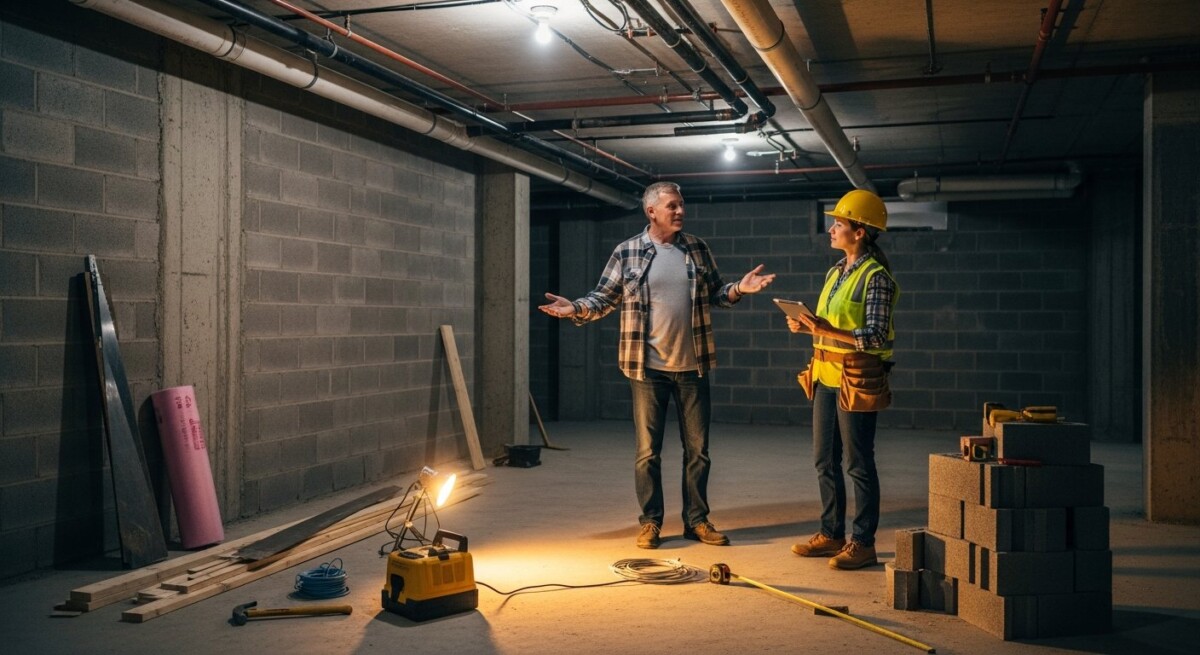
You finally decide it’s time to turn your dark, unfinished basement into a home gym, a playroom for the kids, or maybe a cozy guest suite. You start searching online for ideas, and soon you realize that every contractor seems to give a different price. Some quotes are shockingly low, others feel impossibly high, and you have no idea which one is fair. This confusion is exactly why learning how to handle basement finishing quote requests is the first and most important step in your project. Without a clear process, you risk overpaying, hiring the wrong crew, or getting stuck with a half-finished space.
Understanding basement finishing quote requests
A basement finishing quote request is simply the formal way you ask contractors to estimate the cost of turning your unfinished basement into a livable area. This request usually includes details about the size of the space, the materials you want, and any special features like a bathroom or wet bar. The contractor then visits your home, takes measurements, and provides a written estimate that outlines labor, materials, and timelines.
Most homeowners start this process when they want to increase their living space without building an addition. Older homes from the 1950s through 1980s often have unfinished basements, making them prime candidates for this type of project. The key is understanding that every quote will look different because contractors price things like framing, insulation, drywall, flooring, and electrical work based on local rates and your specific layout.
What makes a quote request different from a simple price check
A price check is just asking, “How much per square foot?” A proper quote request involves a site visit, detailed discussions about your goals, and a written breakdown of costs. This difference matters because basements have unique challenges like moisture control, ceiling height restrictions, and access for bringing in materials. A detailed quote request helps you compare apples to apples and avoids surprise charges later.
Why This Matters for Your Home
Ignoring the quote process can lead to serious problems. If you hire a contractor based on a low ballpark number, you might end up with poor workmanship that leads to mold, sagging ceilings, or electrical hazards. A finished basement is a significant investment, and cutting corners on the estimate stage often means cutting corners on the actual build.
Beyond safety, a well-planned basement finish adds real value to your home. Real estate experts estimate that finishing a basement can return 70 to 75 percent of the cost at resale. But only if the work is done correctly. A shoddy finish can actually reduce your home’s value because buyers see it as a repair project, not a bonus room.
Delaying the process also means you keep living with a space that could be serving your family. Instead of storing boxes and old furniture, that area could become a bedroom, an office, or a entertainment zone. The longer you wait, the more you miss out on comfortable living space you already own.
If you notice signs of this issue in your home, it may help to speak with a qualified contractor. Request a free quote or call to explore your repair or remodeling options.
Common Problems Homeowners Experience
Many homeowners jump into basement finishing without fully understanding the hidden costs. They receive a quote that seems reasonable, only to discover halfway through that the price did not include waterproofing, permits, or upgrading the electrical panel. These omissions turn a manageable budget into a financial headache.
Another frequent issue is mismatched expectations. One contractor might quote using basic laminate flooring and plastic baseboards, while another quotes luxury vinyl planks and custom trim. Without a detailed quote request, you cannot tell why one price is higher. This leads to frustration and delays as you try to figure out what you are actually paying for.
Here are common problems homeowners face when they skip the quote request process:
- Receiving vague estimates that do not list materials or labor separately
- Discovering hidden fees for trash removal, permits, or structural repairs after work starts
- Hiring a contractor who is not licensed or insured for basement work
- Ending up with a finished space that fails local building code inspections
- Dealing with moisture issues that were never addressed in the initial plan
- Wasting time on multiple site visits because the scope of work was unclear
How Professionals Solve the Problem
Experienced contractors follow a standard process that protects both you and your investment. They start with a thorough inspection of the basement, checking for cracks, moisture, and the condition of existing systems like plumbing and HVAC. This assessment ensures that no hidden problems derail your project later.
After the inspection, the contractor creates a detailed scope of work that includes every step of the finish: framing, insulation, vapor barriers, drywall, flooring, lighting, and any specialty features. They then provide a written quote that breaks down costs by category, so you can see exactly where your money goes. This transparency helps you make informed decisions about upgrades or trade-offs.
Here is the typical process a professional follows for a basement finishing project:
- On-site inspection to measure the space and identify potential issues
- Discussion of your goals, timeline, and budget
- Creation of a detailed plan and material list
- Written quote with line-item costs for labor, materials, permits, and cleanup
- Review of the quote with you, including answers to all your questions
Professional work is safer and more reliable than DIY because contractors understand local building codes, have access to trade discounts on materials, and carry insurance that protects you if something goes wrong. Our guide on accurate basement finishing quote requests explains how to compare these professional proposals effectively.
A professional inspection can reveal hidden issues before they become expensive repairs. Compare contractor quotes here or call to discuss your project.
Warning Signs You Should Not Ignore
Before you even request a quote, look for signs that your basement may need extra attention. Cracks in the foundation walls, musty odors, or efflorescence (white powdery residue on concrete) all point to moisture problems. These issues must be resolved before any finishing work begins, or your new walls and floors will quickly deteriorate.
Other warning signs include outdated electrical panels, exposed wiring, or plumbing that has not been used in years. A basement finish often requires adding outlets, lighting, and sometimes a bathroom, so existing systems need to be up to code. Ignoring these red flags leads to costly change orders after the project starts.
Watch for these specific warning signs that indicate you need professional help before finishing:
- Standing water or damp spots on the floor after rain
- Visible mold or mildew on walls or stored items
- Cracks wider than 1/8 inch in the foundation
- Bowing or leaning foundation walls
- Radon gas levels above the recommended action threshold
- Ceiling height lower than 7 feet, which may limit usable space
What Affects the Cost of Repairs or Installation
The cost of finishing a basement varies widely based on several key factors. Square footage is the most obvious, but the condition of the space matters just as much. A basement that already has a dry interior, good access, and basic rough-ins for plumbing will cost less than one that needs extensive waterproofing or structural repairs.
Materials also drive the price. Basic carpet and painted drywall are the most affordable options, while tile, hardwood, custom cabinetry, and built-in shelving push costs higher. The complexity of the layout matters too,a simple open room costs less than one with multiple rooms, a bathroom, or a kitchenette.
Labor rates in your area and the accessibility of the basement (narrow stairs, limited headroom) also affect the final number. Understanding basement finishing contractor quotes can help you anticipate these variables and budget more accurately.
Costs can vary depending on the condition of your home. The best way to know the price is to get a personalized estimate. Request free quotes from contractors or call today.
How to Choose the Right Contractor
Choosing the right contractor for your basement finish starts with verifying their credentials. Ask for proof of licensing, general liability insurance, and workers’ compensation coverage. A contractor who cannot provide these documents is not someone you want in your home.
Next, look at their experience specifically with basement finishing. A general remodeling contractor may not have the same expertise with moisture control, egress windows, or basement-specific building codes. Ask for references and photos of completed basement projects, and call those homeowners to ask about their experience.
Here are practical tips for selecting the best contractor:
- Check online reviews on Google, Yelp, and the Better Business Bureau
- Ask for at least three detailed quotes from different contractors
- Compare the line items, not just the total price
- Confirm the contractor pulls all necessary permits
- Get a written contract that includes the start date, completion date, and payment schedule
Long-Term Benefits of Professional Work
A professionally finished basement gives you more than just extra square footage. It provides a comfortable, safe environment that your family can enjoy for years. Proper insulation, vapor barriers, and ventilation prevent mold and keep the space energy efficient, which lowers your heating and cooling bills.
The durability of professional work also means less maintenance. Quality materials and correct installation resist wear and tear, so you are not repainting or replacing flooring every few years. This longevity saves you money and hassle over the long term.
Finally, a well-finished basement increases your home’s resale value. Buyers appreciate move-in-ready space, and a finished basement often sets your home apart from others on the market. Our guide on understanding your basement finishing estimate can help you plan a project that maximizes both enjoyment and return on investment.
How long does a basement finishing project usually take?
Most basement finishing projects take between 4 and 8 weeks, depending on the size and complexity of the space. A simple open room with basic finishes can be done in a month, while a project with multiple rooms, a bathroom, or custom built-ins may take closer to two months. Your contractor should provide a timeline in the quote.
Do I need a permit to finish my basement?
Yes, in most areas you need a building permit for basement finishing work that involves electrical, plumbing, structural changes, or adding bedrooms. Permits ensure the work meets safety codes and can affect your home insurance and resale value. A reputable contractor will include permit costs in their quote.
Should I finish my basement myself to save money?
DIY basement finishing can save on labor costs, but it comes with risks. Mistakes in framing, electrical work, or moisture control can lead to expensive repairs later. Professional contractors guarantee their work and carry insurance, which protects you if something goes wrong. For most homeowners, hiring a pro is the safer choice.
What is the average cost per square foot to finish a basement?
The national average ranges from $30 to $70 per square foot, but this varies widely by region and the finishes you choose. A basic finish with laminate flooring and painted drywall might run $30 to $40 per square foot, while a high-end finish with tile, custom cabinets, and a bathroom can exceed $70 per square foot.
How do I know if a basement finishing quote is fair?
Compare at least three quotes from licensed contractors. Look for detailed line items that list materials, labor, permits, and cleanup. If one quote is significantly lower than the others, ask why,it may indicate missing scope or lower-quality materials. A fair quote balances competitive pricing with comprehensive coverage.
Can I finish a basement with low ceilings?
You can, but building codes typically require a minimum ceiling height of 7 feet for livable space. If your basement has lower ceilings, you may be limited to using it for storage or as a non-habitable room. A contractor can measure and advise you on what is possible in your home.
What should I look for in a basement finishing contract?
A good contract includes the total price, payment schedule, start and completion dates, a detailed scope of work, material specifications, and warranty information. It should also state who is responsible for permits and cleanup. Never sign a contract that has blank spaces or vague language.
How do I prepare my basement for a quote visit?
Clear the area of clutter so the contractor can access walls, floors, and ceilings. Make a list of what you want in the finished space,bedrooms, bathroom, wet bar, etc. Have any existing home inspection reports or moisture test results ready. This preparation helps the contractor give you a more accurate quote.
Finishing your basement is one of the smartest home improvements you can make, but only if you start with a solid plan. Taking the time to request and compare multiple quotes helps you avoid costly mistakes and ensures you get the space you really want. Before you commit to any contractor, gather at least three detailed basement finishing quote requests and review them carefully. Your future finished basement will thank you.

About Danica Leslie

Request Home Service Quotes: Get Accurate Estimates Fast
Request home service quotes from multiple contractors to compare prices and secure the best deal on your home improvement project.

Best Home Improvement Quote Tools for Smart Renovations
Discover the best home improvement quote tools to compare contractor bids, save money, and avoid costly mistakes on your next renovation project.

Top Contractor Quote Services: Save Time and Money
Top contractor quote services help homeowners compare free estimates from licensed pros, saving time and preventing costly mistakes on repairs and renovations.
Find a Pro!
"*" indicates required fields