
How Contractor Lead Systems Work: A Homeowner Guide
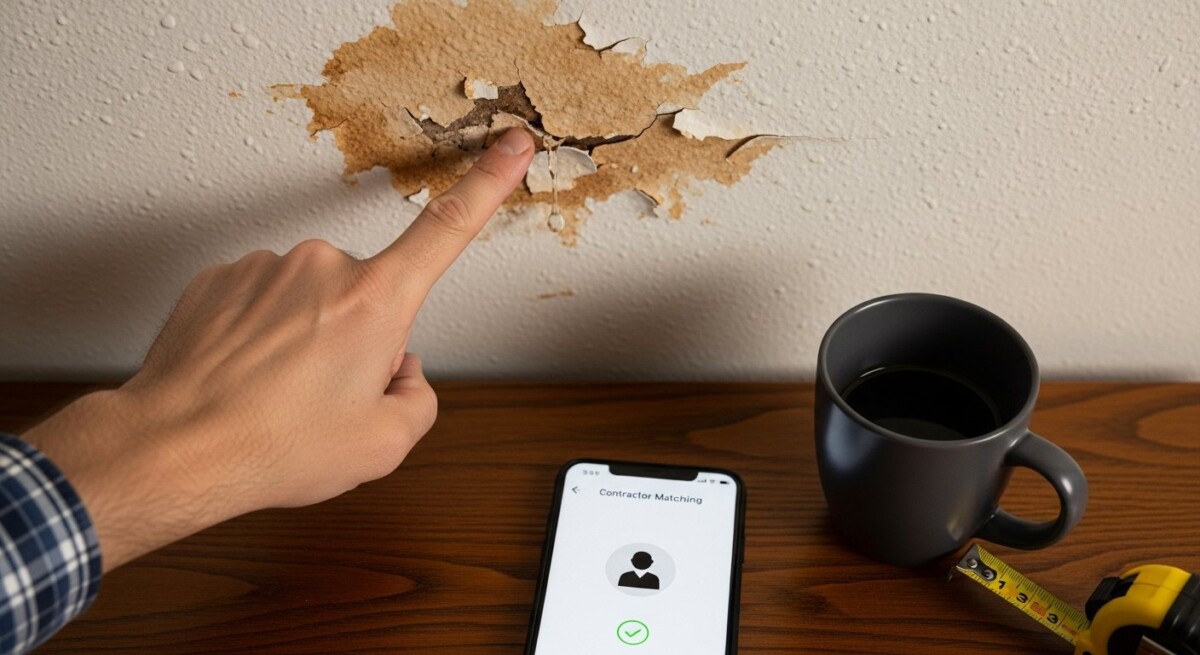
You notice a small water stain on the ceiling after a heavy rain. At first, it seems minor, so you plan to fix it later. A few weeks pass, and the stain grows larger. Now the paint is bubbling, and you hear a drip in the wall. What started as a simple annoyance could become a costly structural problem. This is exactly the kind of situation where understanding how contractor lead systems work can help you act fast and find the right professional before damage spreads.
Many homeowners discover issues like this by accident,a musty smell in the basement, a roof shingle in the yard, or a draft that won’t go away. The problem is that delaying repairs often turns a small fix into a major expense. Moisture can rot wood, damage insulation, and even affect your home’s foundation. The longer you wait, the more you risk your safety and your wallet.
When you need a reliable contractor, you want someone who responds quickly and does quality work. That’s where lead systems come into play. They connect homeowners with pre-screened professionals, making it easier to compare options without endless phone calls. Instead of guessing who to trust, you can let the system do the matching for you.
Understanding How Contractor Lead Systems Work
A contractor lead system is simply a way for homeowners to request quotes and get matched with local professionals. You fill out a short form describing your project,whether it’s a roof repair, bathroom remodel, or HVAC replacement. The system then sends your details to multiple contractors who serve your area.
These systems are designed to save you time and reduce stress. Instead of calling each contractor individually and repeating your story, you submit one request. Contractors review your project and reach out to you directly with estimates. Some platforms even verify licenses, insurance, and customer reviews before including a contractor in their network.
Most homes can benefit from this approach, especially if you’re tackling a project for the first time. Older homes often have unique challenges, like outdated wiring or non-standard measurements. Newer homes might need energy-efficient upgrades. No matter your situation, a lead system helps you find professionals who have experience with homes like yours.
Why Homeowners Trust Lead Systems
Many homeowners worry about hiring the wrong person. You’ve probably heard stories about incomplete work or surprise fees. Lead systems reduce that risk by screening contractors and providing transparent pricing. You also get multiple quotes, which lets you compare costs and services side by side. This transparency builds trust and helps you make an informed decision.
Why This Matters for Your Home
Ignoring home repair needs can lead to serious consequences. A small leak in your roof, for example, can cause mold growth that affects your family’s health. Water damage can weaken wooden beams and drywall, leading to sagging ceilings or even collapse. These issues are not only expensive to fix,they can also make your home unsafe to live in.
Comfort is another big factor. A drafty window or an inefficient HVAC system makes your home harder to keep at a comfortable temperature. You end up paying higher energy bills while still feeling cold in winter or hot in summer. Over time, that constant discomfort wears on your family and your budget.
Repair costs also increase the longer you wait. A simple pipe fix might cost a few hundred dollars today. If that pipe bursts and floods your basement, you could be looking at thousands in water damage restoration. Acting early with the help of a professional contractor protects your home’s value and your peace of mind.
If you notice signs of this issue in your home, it may help to speak with a qualified contractor. Request a free quote or call to explore your repair or remodeling options.
Common Problems Homeowners Experience
Even well-maintained homes develop problems over time. Weather, age, and daily use all take a toll. Homeowners often notice issues like peeling paint, uneven floors, or windows that stick. These might seem like cosmetic problems, but they often point to deeper structural concerns.
Performance problems are also common. Your heating system might run constantly without warming the house. Your water heater might produce lukewarm water instead of hot. These signs indicate that a system is failing and needs professional attention. Ignoring them only leads to complete breakdowns, often at the worst possible time.
Here are some of the most frequent issues homeowners face:
- Visible water stains on ceilings or walls
- Cracked or missing roof shingles
- Drafts around windows and doors
- Uneven or sagging floors
- Musty odors in basements or crawl spaces
- High energy bills with no obvious cause
How Professionals Solve the Problem
Experienced contractors follow a systematic process to diagnose and fix issues. First, they perform a thorough inspection to identify the root cause. This might involve checking for moisture with a meter, looking at attic insulation, or testing your HVAC system’s efficiency. They don’t just treat the symptom,they find the source.
Next, they create a detailed plan for the repair or installation. This includes the materials needed, the timeline, and the cost. Professional contractors also obtain any necessary permits and ensure the work meets local building codes. This step protects you from future legal or insurance problems.
Finally, they complete the work with precision and safety. Professionals have the right tools, training, and experience to handle unexpected complications. For example, a DIY roof patch might stop a leak temporarily, but a contractor can replace damaged underlayment and flashing for a lasting fix. Here is a typical process for a roofing repair:
- Inspect the roof and attic for damage
- Remove damaged shingles and underlayment
- Replace any rotted wood or flashing
- Install new underlayment and shingles
- Seal edges and clean up debris
- Perform a final inspection to ensure quality
A professional inspection can reveal hidden issues before they become expensive repairs. Compare contractor quotes here or call to discuss your project.
Warning Signs You Should Not Ignore
Your home often gives you clues that something is wrong. Paying attention to these early warning signs can save you thousands of dollars. For instance, a sudden spike in your water bill might indicate a hidden leak. A strange noise from your furnace could mean a part is about to fail.
Visual signs are also important. Look for cracks in your foundation, gaps around windows, or discoloration on walls. These are not just cosmetic issues,they often signal structural problems that need professional attention. The earlier you catch them, the easier and cheaper they are to fix.
Here are warning signs that suggest repairs may be needed:
- Water pooling near your foundation after rain
- Peeling wallpaper or paint that isn’t age-related
- Doors that stick or won’t close properly
- Mold or mildew in bathrooms or basements
- Unusual smells, like mustiness or burning
- Frequent circuit breaker trips
What Affects the Cost of Repairs or Installation
Several factors influence how much you’ll pay for a home repair or renovation. The size of the project is the most obvious. Replacing a single window costs less than replacing all the windows in your home. Similarly, patching a small roof section is cheaper than a full roof replacement.
Materials also play a big role. Premium materials like slate roofing or hardwood flooring cost more upfront but often last longer. Labor costs vary by region and the complexity of the job. If your project requires specialized skills,like electrical work or structural engineering,expect higher rates.
Accessibility matters too. A contractor can easily replace a first-floor window, but a third-floor dormer requires scaffolding and extra safety measures. Older homes may have outdated systems that need upgrading to meet current codes, which adds to the total cost. Getting multiple quotes helps you understand the range of prices for your specific situation.
Costs can vary depending on the condition of your home. The best way to know the price is to get a personalized estimate. Request free quotes from contractors or call today.
How to Choose the Right Contractor
Finding a trustworthy contractor doesn’t have to be stressful. Start by checking their license and insurance. A licensed contractor has met state requirements for training and knowledge. Insurance protects you if someone gets hurt on your property or if the work causes damage.
Read customer reviews on multiple platforms. Look for comments about communication, timeliness, and quality of work. A contractor with consistently positive feedback is more likely to deliver good results. Also ask for references from recent projects similar to yours.
Here are practical tips for selecting a contractor:
- Verify licenses and insurance before signing anything
- Read reviews on Google, Yelp, and the Better Business Bureau
- Ask for a detailed written estimate that lists materials and labor
- Compare at least three quotes to understand market rates
- Confirm the contractor has experience with your specific type of project
Long-Term Benefits of Professional Work
Hiring a professional contractor isn’t just about fixing a problem,it’s an investment in your home’s future. Quality repairs and installations last longer, which means you won’t have to deal with the same issue again in a few years. This saves you money and frustration over time.
Safety is another major benefit. Professionals follow industry standards and building codes to ensure your home is secure. Whether it’s electrical work, roofing, or foundation repair, proper installation reduces the risk of accidents, fires, or structural failures. Your family’s safety is worth the investment.
Energy efficiency is a bonus you’ll notice every month. New windows, better insulation, and modern HVAC systems use less energy, lowering your utility bills. Plus, a well-maintained home holds its value better. If you ever decide to sell, professional upgrades can increase your asking price and attract serious buyers.
In our guide on how contractor lead systems work, we explain how to streamline the process of finding qualified help. Understanding this system helps you take control of your home improvement projects with confidence.
Frequently Asked Questions
How do contractor lead systems work for homeowners?
You submit a simple form describing your project, and the system sends your request to multiple local contractors. They review your needs and contact you directly with quotes. This saves you time and lets you compare options without making dozens of phone calls.
Are contractor lead systems free to use?
Most lead systems are free for homeowners. Contractors pay a fee to receive leads, so you can request quotes without any cost. Always check the platform’s terms, but generally you only pay the contractor for the actual work performed.
How do I know if a contractor from a lead system is reliable?
Reputable lead systems screen contractors by checking licenses, insurance, and customer reviews. You can also do your own research by reading reviews and asking for references. Always verify credentials before signing a contract.
What information do I need to provide to get a quote?
You’ll typically provide your contact details, project type, home size, and a brief description of the issue. Some platforms ask for photos or measurements to give contractors a clearer picture. The more detail you provide, the more accurate the quotes will be.
How many quotes should I compare before hiring?
It’s a good idea to get at least three quotes. This gives you a sense of the average price range and helps you spot outliers. Comparing multiple estimates also helps you evaluate different approaches and materials.
Can I use a contractor lead system for emergency repairs?
Yes, many systems allow you to mark your project as urgent. Contractors who see urgent requests often respond faster. However, for true emergencies like a gas leak or active flood, call 911 or your utility company first.
What happens after I submit my request?
Contractors in your area receive your project details and will reach out by phone, email, or through the platform. You can then discuss your needs, schedule inspections, and receive written estimates. There is no obligation to hire anyone.
Do contractor lead systems guarantee the quality of work?
Most systems do not guarantee the actual work, but they often provide resources to help you choose wisely. Some platforms offer dispute resolution or satisfaction guarantees. Always read the terms and protect yourself with a written contract.
Taking care of home repairs early prevents small problems from becoming expensive disasters. Whether you need a quick fix or a full renovation, comparing contractor quotes gives you the information you need to make a smart choice. Start by requesting estimates from trusted professionals through a lead system,it’s a simple step that protects your home and your budget.

About

Average Remodeling Project Cost: What Homeowners Should Know
Learn what drives the average remodeling project cost, common hidden expenses, and how to budget wisely. Expert advice for homeowners planning a renovation.
Contractor Quotes Charlotte North Carolina: Save on Home Repairs
Learn how to compare contractor quotes Charlotte North Carolina for repairs and remodels. Save money, avoid scams, and find trusted pros for your home.
How Contractor Lead Systems Work: A Homeowner Guide
Learn how contractor lead systems work to connect homeowners with vetted professionals. Get free quotes, compare options, and protect your home.
Find a Pro!
"*" indicates required fields