
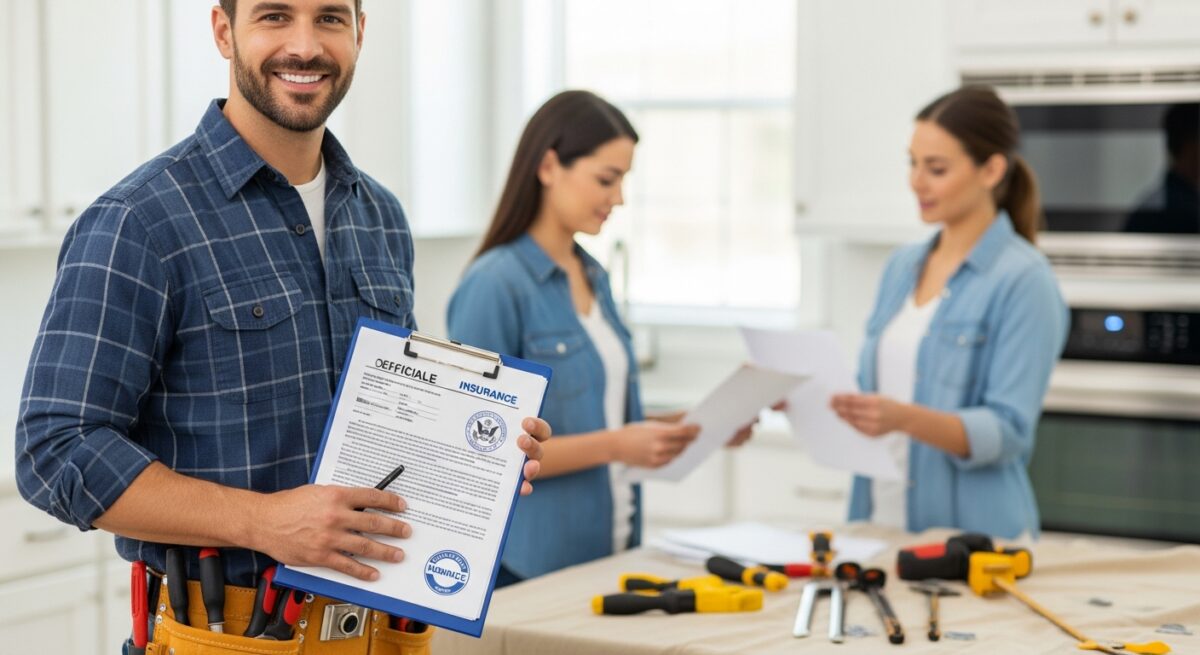
Why Licensed and Insured Contractors Protect Your Home
You’ve found the perfect contractor online. Their price is fair, their reviews look good, and they promise to start next week. But before you hand over a deposit, there’s one critical question you must ask: “Are you licensed and insured?” This isn’t just paperwork—it’s your primary shield against financial disaster, shoddy work, and legal headaches. Understanding what these credentials mean is the most important step in any home improvement project.
A Simple Breakdown of Licensed and Insured Contractors
Let’s break down what “licensed and insured” actually means, because these are two separate layers of protection for you, the homeowner. Think of them as the foundation and the roof of your project’s safety.
A license is official permission from your state or local government for a contractor to perform specific types of work. To get it, the contractor usually must pass exams on trade knowledge and business law, prove a minimum level of experience, and often provide financial statements. It’s a basic check that they know what they’re doing.
Insurance is the contractor’s financial safety net, and it comes in two vital forms. General Liability Insurance covers accidental damage to your property or injuries to others. Worker’s Compensation Insurance covers medical costs if a worker gets hurt on your property. Without it, you could be held liable.
The Difference Between Being Bonded and Insured
You might also hear the term “bonded.” A bond is different from insurance. It’s a financial guarantee that protects you if the contractor fails to complete the job, doesn’t pay for permits, or violates other terms. While important, a bond does not replace the need for both liability and worker’s compensation insurance.
Why It Matters for Homeowners
Hiring a contractor who isn’t licensed and insured is a massive gamble with your biggest investment: your home. The risks go far beyond a simple repair gone wrong. You’re opening yourself up to potential lawsuits, massive out-of-pocket expenses, and work that could actually make your home unsafe or fail inspection.
The benefits of hiring properly credentialed pros are equally powerful. You gain peace of mind knowing the work will meet building codes, which is essential for your safety and your home’s resale value. You are protected from financial fallout from accidents. Most importantly, you’re investing in quality. A contractor willing to uphold these standards is typically more professional, reliable, and committed to doing the job right.
Understanding the role of a licensed general contractor is a great first step to ensuring your project’s success and safety from the ground up.
Common Issues and Their Causes
Many home repair nightmares start with the simple decision to hire an uncredentialed handyman or the lowest bidder without verifying their background. The causes are usually a mix of trying to save money, rushing to start a project, and not knowing the right questions to ask.
Here are the most frequent problems that arise:
- Subpar Workmanship: Unlicensed workers may lack the formal training and knowledge of current building codes, leading to improper installations that fail or create hazards.
- No Recourse for Bad Work: If the job is botched, you have little to no leverage. State licensing boards can’t mediate disputes with unlicensed individuals.
- You Become the Employer: If a worker without insurance gets hurt on your property, their medical bills could become your responsibility through your homeowner’s insurance or a direct lawsuit.
- Permit and Inspection Problems: Many municipalities require a licensed contractor to pull permits. Unpermitted work can lead to fines, forced removal of the work, and issues when you sell your home.
How Professionals Fix the Problem
When you hire a licensed and insured contractor, they follow a professional process designed to prevent the issues above. It starts long before the first tool is lifted.
First, they assess the project scope and ensure it complies with local building codes. They pull the necessary permits, which means the work will be inspected by a city official to guarantee it’s safe and up to standard. This formal process is your built-in quality control.
During the work, their insurance policies are active. If a ladder slips and damages your siding, their liability insurance covers the repair. If a team member twists an ankle, their worker’s comp handles it. They manage their team, the schedule, and the materials, shielding you from the day-to-day risks and liabilities. Finally, they provide documentation of completed work, which is crucial for your home’s records.
Ready to work with a true professional? Get a free, no-obligation quote from a vetted pro in your area today or call us at (888) 123-4567.
Signs You Should Not Ignore
How can you spot a contractor who might not be fully legitimate? The red flags are often clear if you know what to look for. Trust your instincts—if something feels off, it probably is.
A major warning sign is a reluctance to provide proof. A legitimate contractor will happily show you their license number and insurance certificates. If they hesitate, give excuses, or say “it’s in the truck,” consider it a deal-breaker. Other signs include only accepting cash payments, pressuring you for a large deposit upfront, or having no physical business address.
- They ask for full payment in cash before any work begins.
- They cannot provide a written, detailed contract.
- Their quote is drastically lower than all others.
- They suggest you pull the homeowner permit to “save money.”
- They have no online presence or verifiable reviews.
Cost Factors and What Affects Pricing
It’s true that licensed and insured contractors often come with higher initial quotes than an unlicensed handyman. It’s important to understand why, as this isn’t just a higher price—it’s a different value proposition.
The price reflects their overhead: the costs of their insurance premiums, licensing fees, continuing education, quality materials, and often, skilled employees rather than day laborers. You’re paying for expertise, accountability, and protection. While choosing the best window contractors or any other specialist, remember that proper credentials are part of the quality you’re investing in.
Factors that affect the final cost include project complexity, materials, timeline, and your geographic location. A professional quote will itemize these elements, giving you transparency. The cheapest option now can become the most expensive one later when you have to pay another professional to fix the mistakes.
Don’t risk your home on the lowest bidder. Connect with a trusted, fully-credentialed local contractor here or dial (888) 123-4567 for a direct referral.
How To Choose the Right Professional or Service
Selecting the right contractor is a process. Start by asking friends and neighbors for referrals, then verify the credentials of any candidate. Check their license status online with your state’s licensing board—don’t just take their word for it.
Ask for and call references from past clients with similar projects. Look at online reviews across multiple platforms. Most importantly, get everything in writing. A solid contract should include a detailed scope of work, materials to be used, start and completion dates, payment schedule, and proof of insurance. Never sign a blank or vague contract.
Long-Term Benefits for Your Home
Investing in a licensed and insured contractor pays dividends for years. The work is more likely to be durable, saving you money on repeated repairs. It ensures your home’s systems are safe for your family. Properly permitted work adds to your home’s official record, boosting its value and making future sales smoother.
You also build a relationship with a reliable professional you can call for future maintenance or projects. Ultimately, the long-term benefit is profound peace of mind. You can enjoy your renovated kitchen, sturdy roof, or finished basement knowing it was built correctly, safely, and with your protection as the top priority.
Frequently Asked Questions
How do I verify a contractor’s license?
Your state’s contractor licensing board or consumer affairs department has an online verification tool. Ask for the contractor’s license number and check it there. This will confirm it’s active and in good standing.
What happens if an uninsured worker gets hurt at my house?
You could be held financially responsible for their medical bills and lost wages. Your homeowner’s insurance may cover some costs, but it could lead to increased premiums or even a lawsuit against you personally.
Is a handyman required to be licensed and insured?
It depends on the state and the value/scope of the work. For small repairs, they may not need a state contractor’s license, but they should still carry liability insurance. For any significant project, always choose a licensed specialist.
Why do contractors need permits? Can’t I skip them?
Permits ensure work meets safety codes. Skipping them can result in fines, having to tear out completed work, and major problems when you try to sell your home. A reputable contractor will handle permits.
Does being “bonded” mean they are insured?
No. Being bonded is separate. A bond protects you if the contractor doesn’t complete the job or fails to pay for supplies. It does not cover accidents or injuries. You need both insurance and a bond for full protection.
Are all roofing contractors required to be licensed?
Most states require roofing contractors to be licensed. For example, residential roofing contractors in Alabama must be licensed, and similar rules apply in New Jersey and across the country. Always check your local requirements.
What should I do if I’ve already hired an unlicensed contractor?
Stop the work immediately. Do not make further payments. Consult with a lawyer or your local consumer protection agency to understand your options for recovering any funds or addressing improper work.
Can a contractor be licensed but not insured?
Yes, this is possible but highly risky. Many states require insurance for licensure, but not all. Always ask for a certificate of insurance directly from their provider to confirm it’s current.
Your home deserves the best care from professionals who stand behind their work with the proper credentials. Taking the time to verify a contractor’s license and insurance is the single most effective way to ensure your project is a success, not a source of regret. It’s the smart first step in protecting your investment and your peace of mind for years to come.
Your Guide to Finding a Trusted Window Contractor Nearby
Find a trusted window contractor near you for repairs or replacement. Learn how to choose a pro, understand costs, and secure long-term benefits for your home's comfort and value.
Why Licensed and Insured Contractors Protect Your Home
Hiring a licensed and insured contractor is the most important step for a safe, successful home project. Learn why this protection matters for your home and budget.
Why Licensed and Insured Contractors Protect Your Home
Hiring a licensed and insured contractor is your best protection for home projects. Learn why these credentials matter for your safety, wallet, and peace of mind.
Find a Pro!
"*" indicates required fields